Not every trip has the power to change you, but trekking Mount Rinjani just might. It isn’t just a scenic stroll; it’s a demanding yet rewarding journey through volcanic ridges and dense tropical forests that can inspire you for a lifetime.
If you're ready to take on the challenge, let’s explore what you should prepare before booking your ticket.
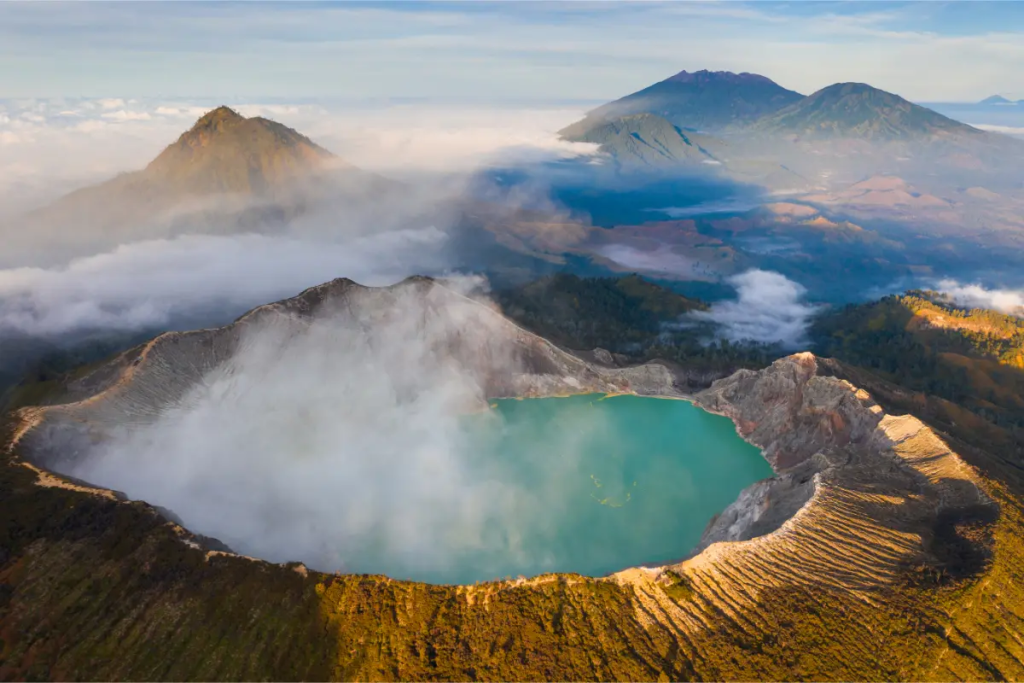
Mount Rinjani is far from an average hiking destination. It holds many prestigious titles, including being one of Indonesia’s highest volcanoes, one of the country’s Seven Summits, and one of Southeast Asia’s most epic climbs—all woven together to create its legendary status.
Located on Lombok Island, just east of Bali, the mountain rises to 3,726 meters (12,224 feet). It offers a steeper incline than popular routes in the Alps and a more rugged experience than many trails in the Rockies.
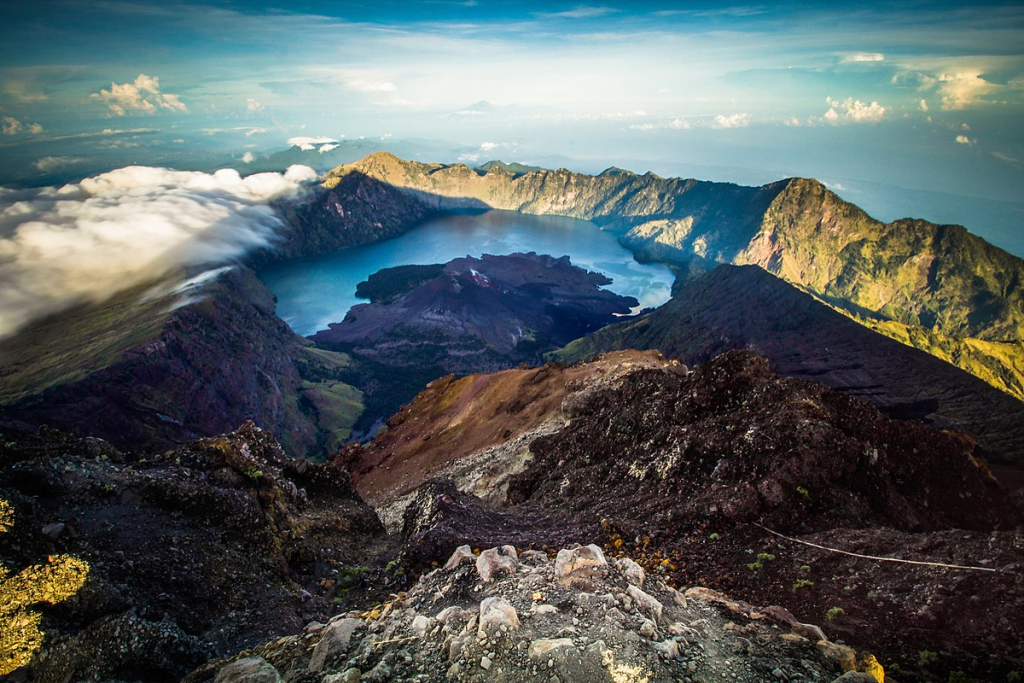
What sets Rinjani apart, however, is its raw beauty. The enchanting sunrise views over Segara Anak Lake—a turquoise lake nestled within the crater—along with the silhouette of the crater rim and volcanic terrain, in particular, look as if they were pulled straight from the pages of a storybook
With several routes along its slopes, Rinjani presents a journey demanding stamina and humility. It makes a true test for those seeking a fitness challenge and natural wonders in one unforgettable trek.
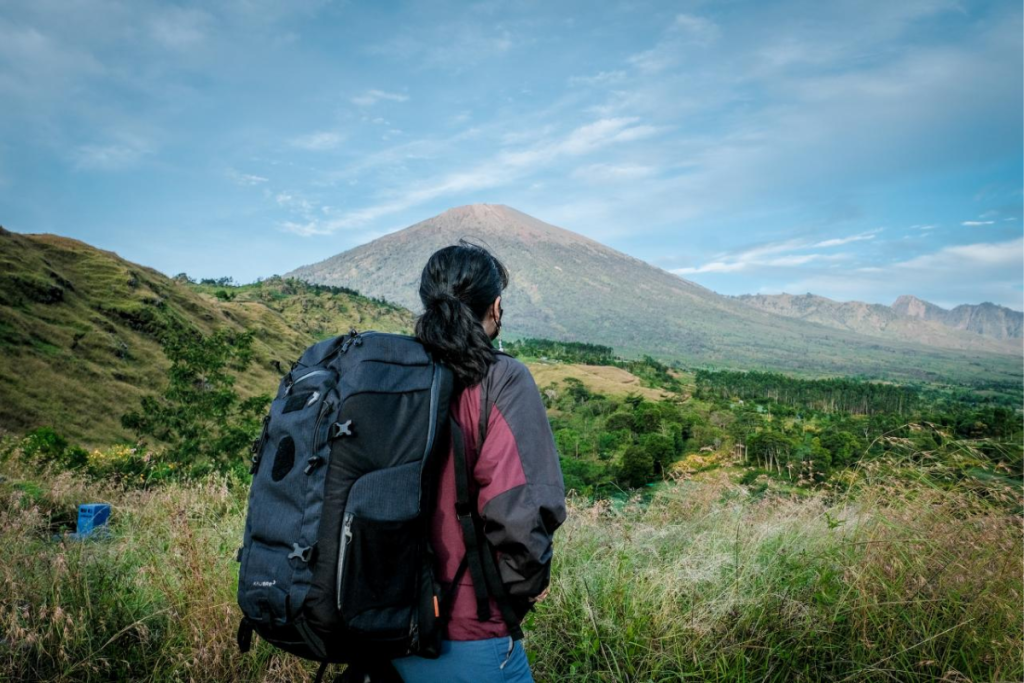
There are three main trails to Rinjani: Sembalun, Senaru, and Torean. Here’s a breakdown of each route, highlighting its unique characteristics and challenges:
The Sembalun Route is the most popular access point to Mount Rinjani. It's ideal for summit-focused hikers looking for a body-taxing experience and fetching scenery.
The ascent on this route begins with a gradual climb via open savannahs, which offers a relatively gentle start. However, after reaching the base camp at Pelawangan Sembalun, the trail becomes significantly steeper and rockier.
This route also leads you to the outstanding Rinjani crater rim, which is considered one of the best spots for overnight camping. From there, a predawn hike across loose volcanic scree guides to the summit, just in time to catch the island bathed in the glow of morning light, sunrise breaking over the island and beyond.
|
The Senaru Route is ideal for hikers who aren't focused on reaching the summit but want to bask in the beauty of Segara Anak Lake and the crater rim. It offers more efficient access to both destinations and a more picturesque journey.
One of the trail’s main highlights is its thick tropical forest, known for its rich biodiversity. This natural environment offers a serene and immersive experience, making it a favorite among nature enthusiasts and photographers.
Compared to the Sembalun route, the ascent via Senaru is steeper. That said, the route is commonly used as a descent path by trekkers who ascend via Sembalun. So, it’s uncommon to encounter trekkers coming down from the summit.
|
The Torean route is often used as an exit after visiting Segara Anak Lake. It’s considered more strenuous due to its steep sections and longer distance, making it more suitable for experienced trekkers.
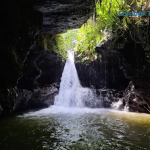
Less traveled and more challenging, the Torean trail offers a raw and adventurous experience. It highlights dramatic scenery such as waterfalls, natural hot springs, and canyons, evoking landscapes often seen in fantasy films.
However, the trail’s raw nature makes it more slippery and potentially dangerous, especially during the wet season. While it has a gentler elevation profile than Sembalun or Senaru, it is still steep. The longer distance and technical sections require good physical mobility and balance.
|
As part of the Mount Rinjani National Park, trekking Mount Rinjani is subject to strict rules to ensure both safety and environmental conservation. Here's what every trekker needs to know:
Climbing Mount Rinjani without a guide (solo trekking) is not allowed.
All climbers must be accompanied by a licensed guide or join an official trekking operator to help prevent accidents and ensure that park guidelines are followed properly.
Trekkers must prepare:
You must also register with the official park management and pay the trekking fee. Registration is subject to a quota system, and name changes are not permitted, although you may reschedule once up to D-1 before your scheduled date. However, most trekking operators can handle this process for you.
Climbing is only allowed during the dry season, typically from April to December. The park is closed during the wet season (January to March) due to safety concerns like landslides and slippery trails.
To keep the mountain's environment raw and preserved, the following rules apply:
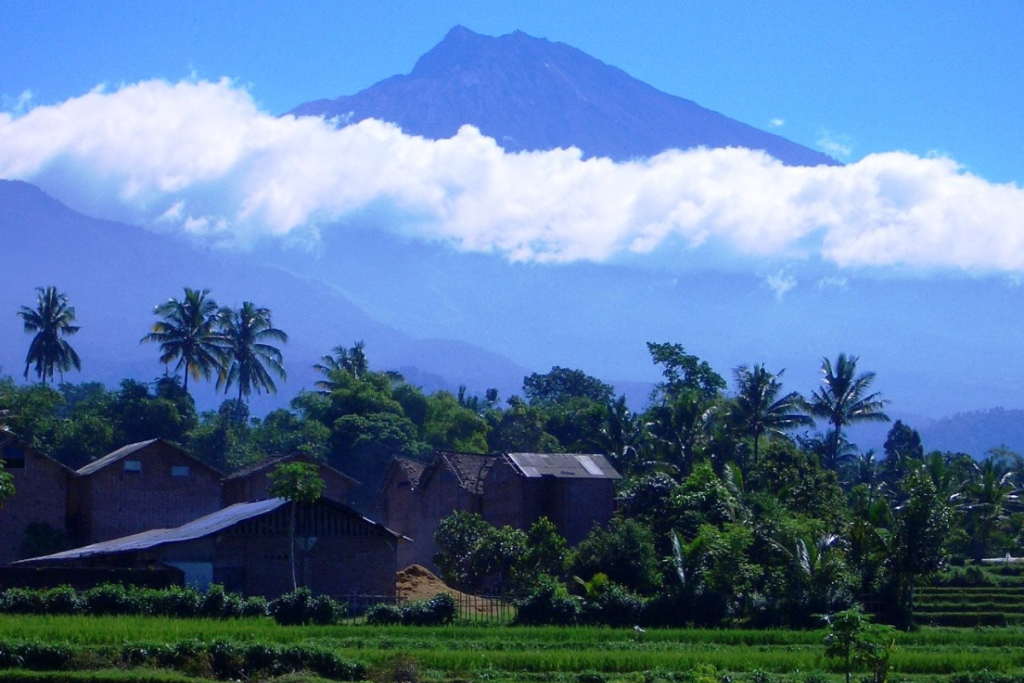
Mount Rinjani is generally rated moderate to challenging, depending on the route difficulty and your fitness level. Here's what you should know:
Expect to trek 6–10 hours per day over uneven, steep, and sometimes slippery terrain. To train for Rinjani, it’s recommended to start a pre-hike fitness program at least 4–6 weeks before your trip, focusing on:
While training programs may vary, you’ll need good cardiovascular endurance, leg strength, and stamina to complete and enjoy the trek safely.
Altitude Mountain Sickness (AMS) can occur during the journey to the peak. To reduce the risk:

Use this checklist to help you prepare for the trek, based on priority:
| Essential | Recommended to Enhance Comfort & Safety | Optional |
| Hiking boots with excellent traction | Quick-dry towel | A camera or a smartphone for photos |
| Headlamp with extra batteries | Wet wipes or hand sanitizer | Compact binoculars |
| Trekking poles | Portable power bank | Entertainment: Playing cards or a small book |
| Thermal layers and warm clothing | Dry bags or plastic zip bags to protect electronics and clothes | - |
| Reusable water bottle (porters usually carry extra water) | - | - |
| Rain cover | - | - |
| Sun protection: sunscreen, SPF lip balm, hat, and sunglasses | - | - |
| Basic personal medications or a first-aid kit | - | - |
| Light snacks or energy bars | - | - |
| Passport or ID (required for registration) | - | - |
| Cash in Indonesian Rupiah (IDR), better in small denominations | - | - |
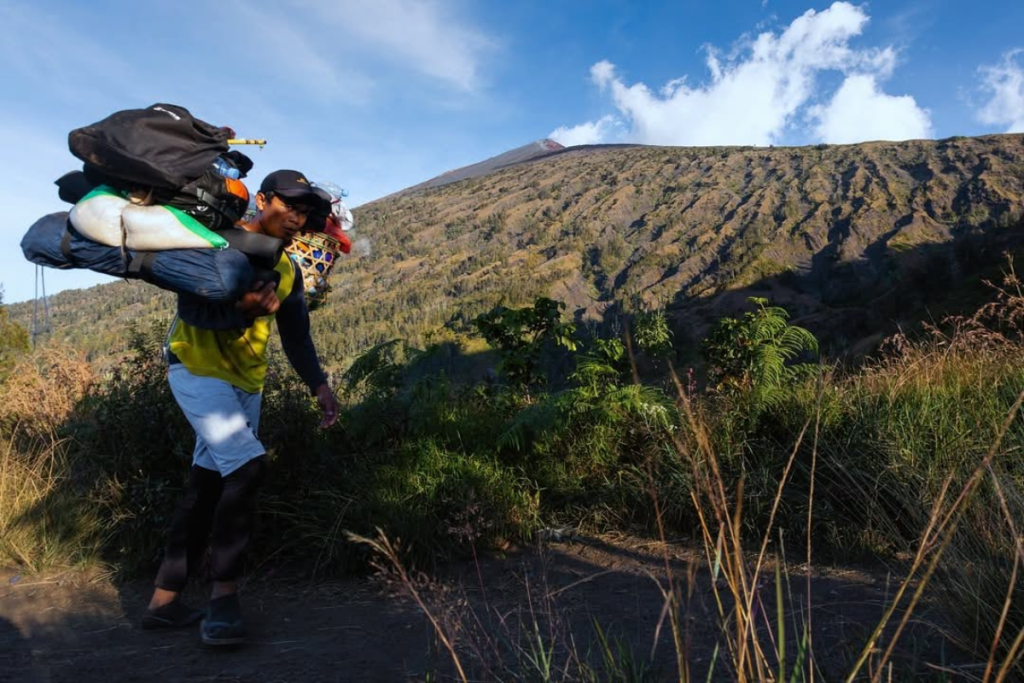
From permits and logistics to safety and comfort, there are many moving parts to plan before climbing Rinjani. That’s where Lombok Touristic comes in. Our Rinjani Trekking Packages are designed to make your adventure smooth and stress-free, so you can focus on the trail and take in the views.
With every package, you’re guaranteed:
With the essentials taken care of, you can enjoy the experience effortlessly.
Whether you're a beginner seeking panoramic crater views or an experienced hiker aiming for the summit, Lombok Touristic offers a range of thoughtfully designed packages to suit your needs.
| Duration | Pick-Up Point | Route | Destinations & Activities | Hiker Level |
| 2D1N - Rinjani Summit Trek | Lombok or Gili Islands (speedboat ticket not included) | Via Sembalun |
|
Advanced |
| 2D1N - Senaru Crater Rim | Lombok | Via Senaru |
|
All levels |
| 3D2N - (Private Trip 2-4 Pax) | Lombok | Via Sembalun |
|
Intermediate to Advanced |
| 3D2N - Rinjani Summit Trek | Lombok | Sembalun → Senaru |
|
Intermediate to Advanced |
| 4D3N - Classic Route | Lombok | Via Sembalun |
|
Intermediate |
| 5D4N - with Bali transfer | Bali (speed boat tickets included) | Via Sembalun |
|
Intermediate to Advanced |
| 7D6N - Trekking + Diving | Bali | Via Sembalun |
|
Advanced Hikers + Certified Divers |
Lombok Touristic has been the go-to choice for travelers seeking seamless island adventures since 2011. Based locally on Lombok Island, our team consists of legally licensed experts with over a decade of hands-on experience and tourism knowledge, both in Mount Rinjani and Lombok and in Bali and Komodo.
All you need to do is choose your preferred package, relax, and enjoy the ride as we take you on an unforgettable Rinjani trekking experience.