Many assume Indonesia’s tropical islands offer year-round sunshine, but Mount Rinjani tells a different story. While the mountain's weather follows a fairly predictable seasonal pattern, conditions can shift suddenly and dramatically, especially at higher altitudes. And Rinjani certainly has plenty of those.
In this guide, you'll find everything you need to know about mount Rinjani weather to help you plan a safe, comfortable, and unforgettable trek.
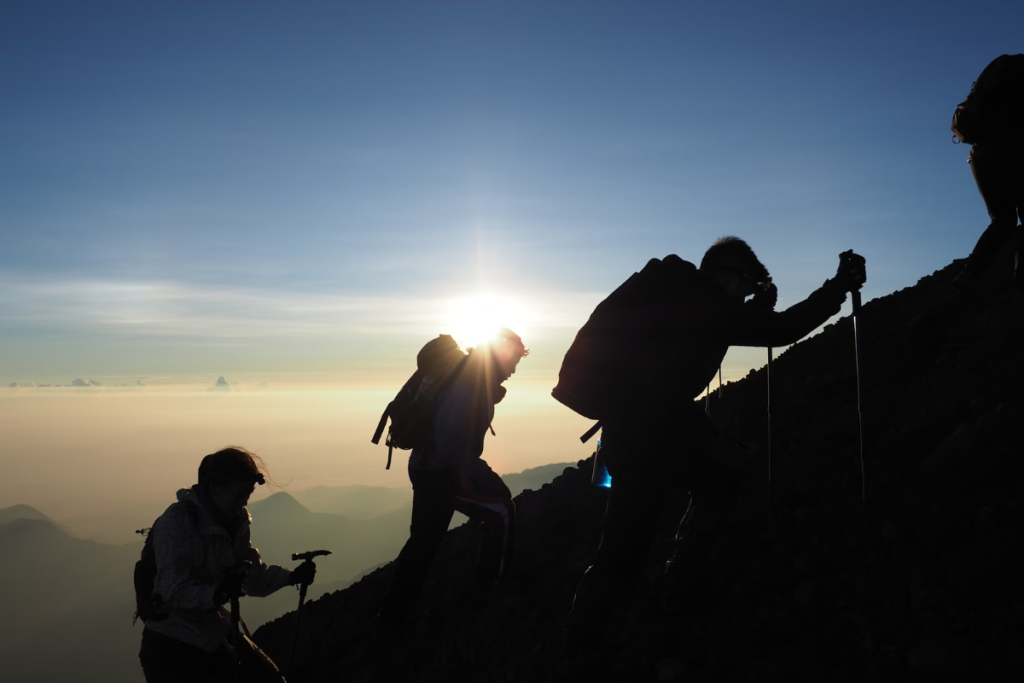
Located on Lombok Island, Indonesia, Mount Rinjani experiences a tropical climate with two distinct seasons: the dry and rainy (wet) season.
These seasons can significantly impact both the weather conditions and temperatures, especially at higher altitudes. And at 3,726 meters (12,224 feet), Rinjani’s temperatures can drop noticeably as you climb, becoming much cooler the higher you go.
But it’s not just about temperature. The changing seasons and the weather that comes with them can significantly impact your entire trekking experience. They influence everything from the gear you need to pack, how you manage your stamina and breathing, to your safety preparations and mindset.
More importantly, weather conditions can quite literally make or break your journey, as the mountain is closed to trekkers entirely during certain months for safety reasons.
Therefore, understanding mount Rinjani weather is crucial before planning your trip. After all, you’re here for an adventure, not an unexpected survival challenge.
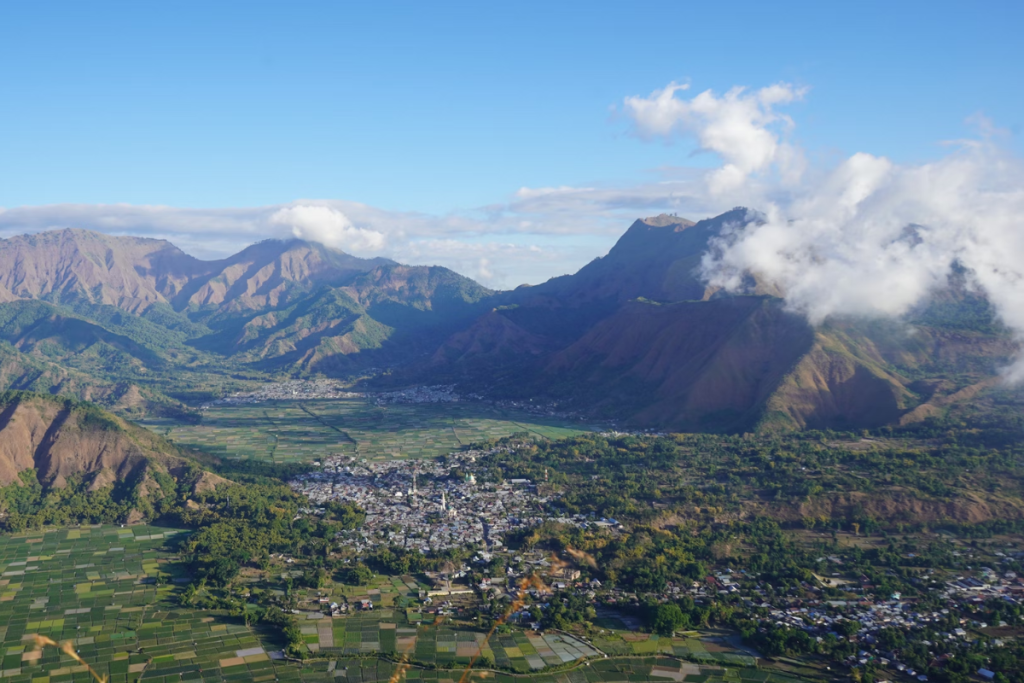
The dry season is a recommended time to hike Rinjani. This period also coincides with the official trekking season, as the Mount Rinjani National Park typically opens to the public from April 1st.
During this season, trekkers expect clearer skies, lower humidity, stable weather, and more comfortable hiking conditions. Here’s a more detailed breakdown of the period and what to expect:
During this period, mount Rinjani weather is generally stable, though remnants of the rainy season may still linger. However, rain and drizzle are still common, and trails can remain slippery in certain areas.
This period is one of the best times to experience Rinjani's lush and green landscapes, as the vegetation still thrives from the recent rains. With fewer visitors compared to the peak months, this period is ideal for those looking for a quieter, more serene trekking experience.
From May through August, Rinjani enters its peak trekking season, offering the most stable weather conditions. Trails are typically dry, skies are clear, and rainfall is rare, making it the safest and most popular time to climb.
The trails and campsites can get quite busy since it also coincides with European and Australian summer holidays. Therefore, early bookings are highly recommended.
August and September offer excellent visibility, minimal chance of rain, and generally fog-free mornings. It's ideal conditions for photographers and nature lovers.
However, these months also mark the peak of the tourist season across the region, including Lombok and Bali. Therefore, for those looking to escape the crowds, it’s wise to start treks on weekdays rather than weekends.
By October, Rinjani experiences shifts as the rainy season approaches. It brings more frequent showers and slippery trails, especially in the afternoons.
While the trek remains generally safe, conditions can change quickly. It’s essential to bring proper rainproof clothing, grippy footwear, and consider hiring a guide who understands Rinjani’s microclimates.
Even though the dry season offers more predictable weather, don’t let the term "dry" mislead you into underpacking. The combination of tropical heat and high-altitude cold means you’ll need to prepare smartly.
Here's the ultimate Rinjani packing list:
While most trekking organizers supply the basics like tents and meals, it’s wise to coordinate with them in advance. This helps you avoid both over- and underpacking.
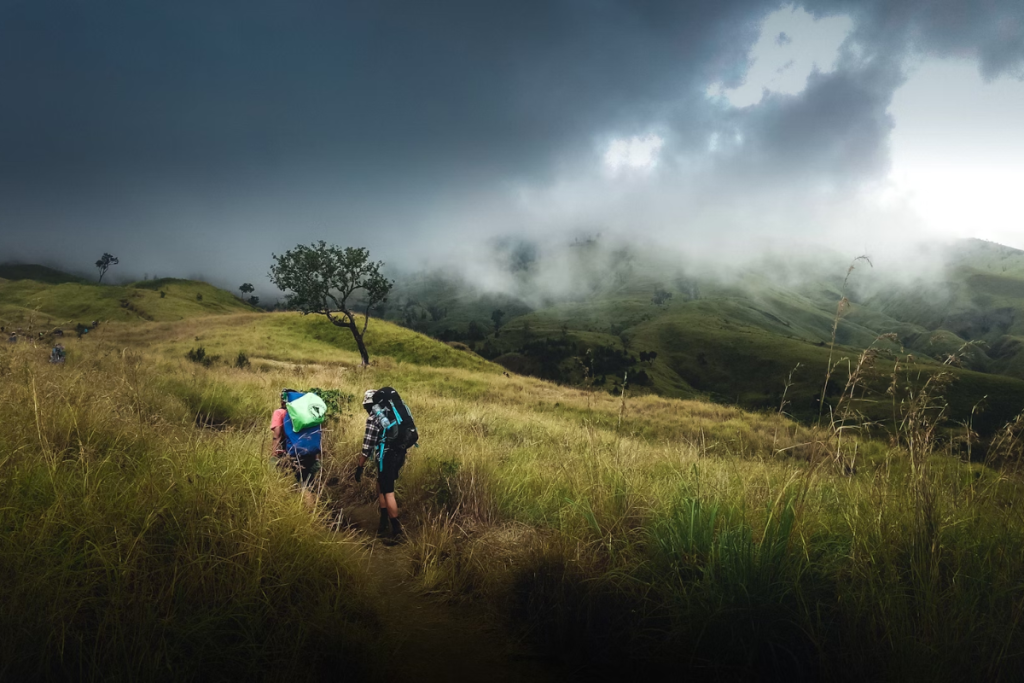
While the end of the year is a popular time for holidays, it's also when Indonesia enters its wet season. For Mount Rinjani, this means heavy rainfall, unstable trail conditions, a higher risk of landslides, and the closure of official trekking routes.
Hiking in the rainy season isn’t just uncomfortable — it can be outright dangerous. Here's why:
Rinjani’s volcanic terrain is naturally unstable, consisting of loose rocks, gravel, and volcanic ash, especially on summit trails. Even in dry conditions, footing can be tricky.
When it rains, the trails can turn into slick, muddy slides. The mix of water and volcanic dust creates a clay-like surface that greatly increases the risk of slips, falls, and twisted ankles. Accidents are significantly more common during this season.
Thick fog, low-hanging clouds, and heavy rain drastically reduce visibility, especially at higher altitudes. The scenic beauty of Rinjani, including its famed crater lake and sunrise summit views, may be completely obscured.
In extreme cases, navigation becomes difficult and dangerous, even for seasoned trekkers. GPS devices and trail markers might not help much if you're enveloped in dense fog or heavy rain.
Unpredictable, prolonged rain can soak your gear if you're not prepared. Electronics, dry clothes, and even food supplies can become compromised without proper waterproofing.
Many hikers forget to bring dry bags or waterproof pouches, assuming plastic covers will suffice. That's a mistake that could cost you your lifeline.
Though Rinjani is in a tropical zone, wind and cold rain at high altitudes can lead to rapid body temperature loss. If you’re wet, exhausted, and exposed to strong wind, you may be at risk of mild hypothermia — a danger many tropical hikers underestimate.
During the rainy season, Mount Rinjani National Park is typically closed for safety reasons, both for trekkers and the local guides. All official trekking routes are off-limits, and unauthorized hiking is strongly discouraged.
To help you prepare, here’s a temperature table summarizing what to expect at different altitudes during the dry season, which is when most treks occur:
| Altitude | Morning Temp | Daytime Temp | Night Temp |
| Base camp (Senaru/Sembalun village - 600-1,100m) | 20-23°C | 27-30°C | 18-21°C |
| Mid Point (Campsite Pelawangan Sembalun - 2,600m) | 10-15°C | 18-22°C | 7-10°C |
| Summit (3,726m) | 5-8°C | 10-14°C | 2-6°C |
As shown, the higher you go, the colder and windier it gets. This is why layered clothing—thermal base, fleece, and windproof jacket—is essential, even during the dry months.
Preparing for a Mount Rinjani trek isn’t just about picking a date — it’s about smart planning around weather, fitness, and terrain. Here’s how to stay safe and make the most of your experience:
Mountain weather is unpredictable. Even in the dry season, sudden rain or fog is possible. Use apps like Windy or AccuWeather, and always consult your local guide for real-time insights.
If possible, avoid rigid plans. Sometimes, adjusting by just a day or two can mean the difference between a foggy hike and a breathtaking summit sunrise.
Shoulder months like March and November can leave trails muddy and hazardous long after the rain stops. Post-rain conditions often lead to increased slips and injuries, especially on the ash-covered summit trail.
High altitudes mean thinner air. Practicing controlled breathing, like steady nose inhales and slow mouth exhales, can help conserve energy, reduce fatigue, and soothe altitude-related discomfort.
Mount Rinjani isn’t just a physical challenge, it’s a mental one too. Therefore, it's best to go in with the mindset that it’s part of the adventure. A calm and adaptive attitude helps you stay safe and make better decisions when things go south.
Even with the most accurate Rinjani weather forecast, nature can still throw surprises, especially if you're unfamiliar with the terrain. That’s why Lombok Touristic is here to help you minimize risks and maximize the experience.
With us, you’ll get:
When it comes to climbing Rinjani, the weather is a central character. But with Lombok Touristic as part of your team, you can skip the guesswork and focus on what truly matters: making your Rinjani journey unforgettable.