If you're a hiking enthusiast, you've probably heard of Mount Rinjani. Its summit — fondly called Puncak Rinjani by locals — is a bucket-list destination that promises breathtaking views and serious bragging rights due to its challenging terrain.
What is Mount Rinjani Summit really like, and how do you reach it? Let this article be your guide.
There’s always something special and otherworldly about volcanoes.
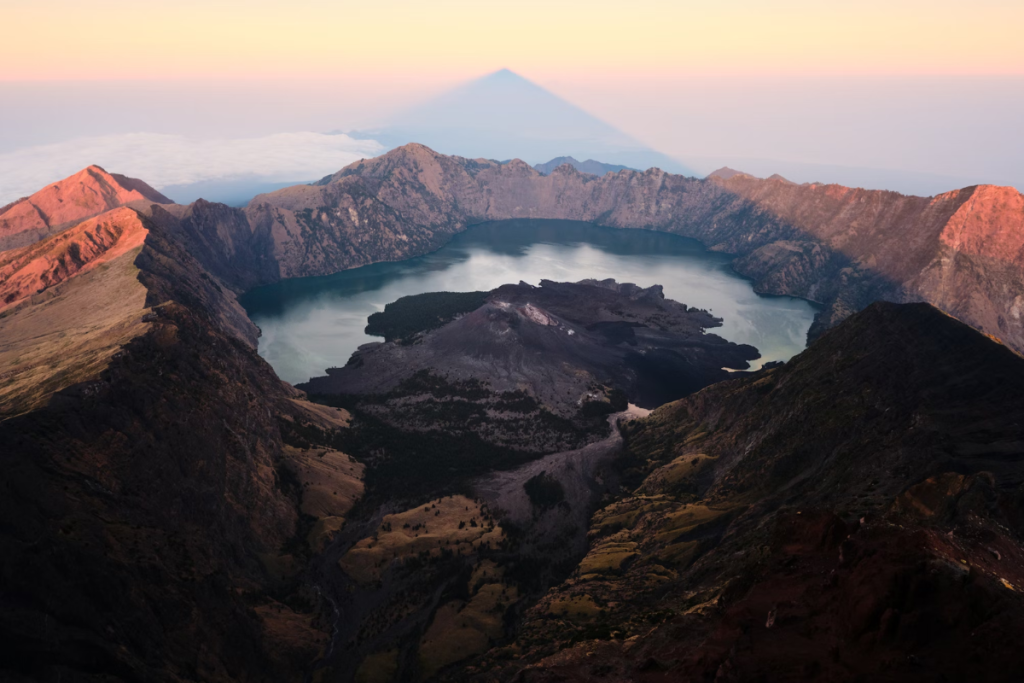
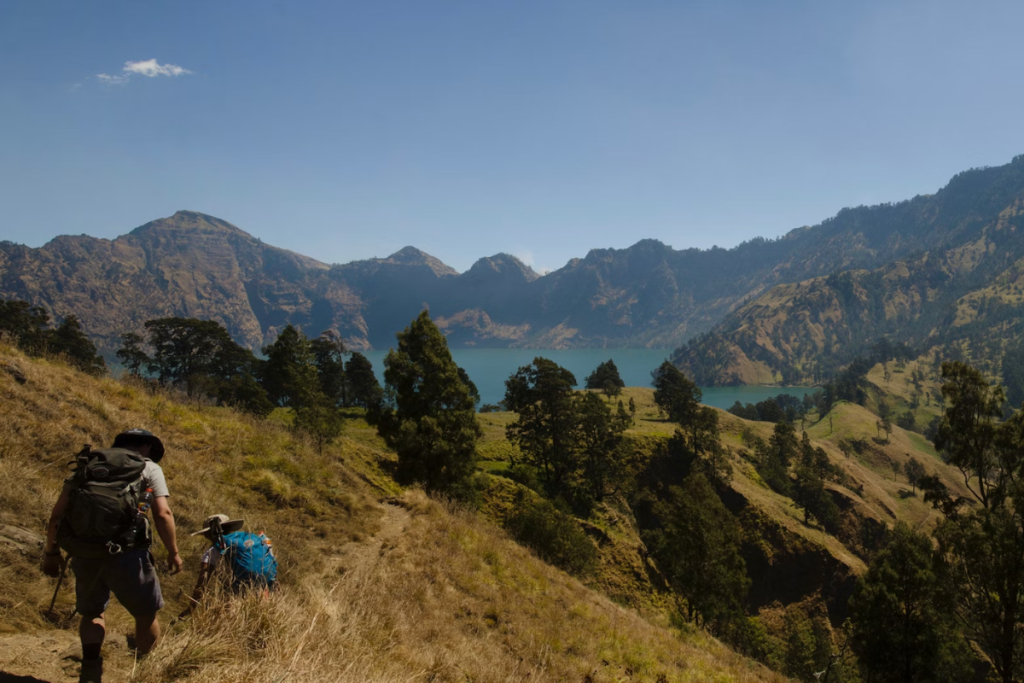
In Mount Rinjani’s case, it’s the majestic crater lake, with an active volcanic cone rising from its center, namely Segara Anak Lake. This, combined with the mountain’s raw tropical beauty, various trekking landscapes, and deep cultural significance, makes Rinjani truly worth the climb.
Standing tall at 3,726 meters above sea level, Rinjani is one of the Seven Summits of Indonesia and the country's second-highest volcano. Naturally, reaching the top demands physical endurance, which draws adventure seekers to take on the challenge.
But the real showstopper? Catching the sunrise at the top! After all the huffing and puffing, you'll be rewarded with a breathtaking, storybook-like view of sunlight spilling across the crater lake, Lombok, Bali, and even Sumbawa on a clear day. It’s a view that stays with you long after the descent.

Despite the various routes available to climb Mount Rinjani, the best way to reach the summit is via the Sembalun route.
Not only does it offer the shortest and most straightforward approach, but it also features gentler gradients during the first half of the trek. This allows you to acclimatize and conserve energy for the more demanding final push to the summit.
Here’s a general itinerary to reach the summit of Rinjani via this route:
This is where your trek begins, with an elevation gain of approximately 2,626 meters to the summit. At the village, you can register at the Rinjani Information Centre, complete a health and gear check, and stock up on necessities or rent equipment.
Along the way, there are several checkpoints:
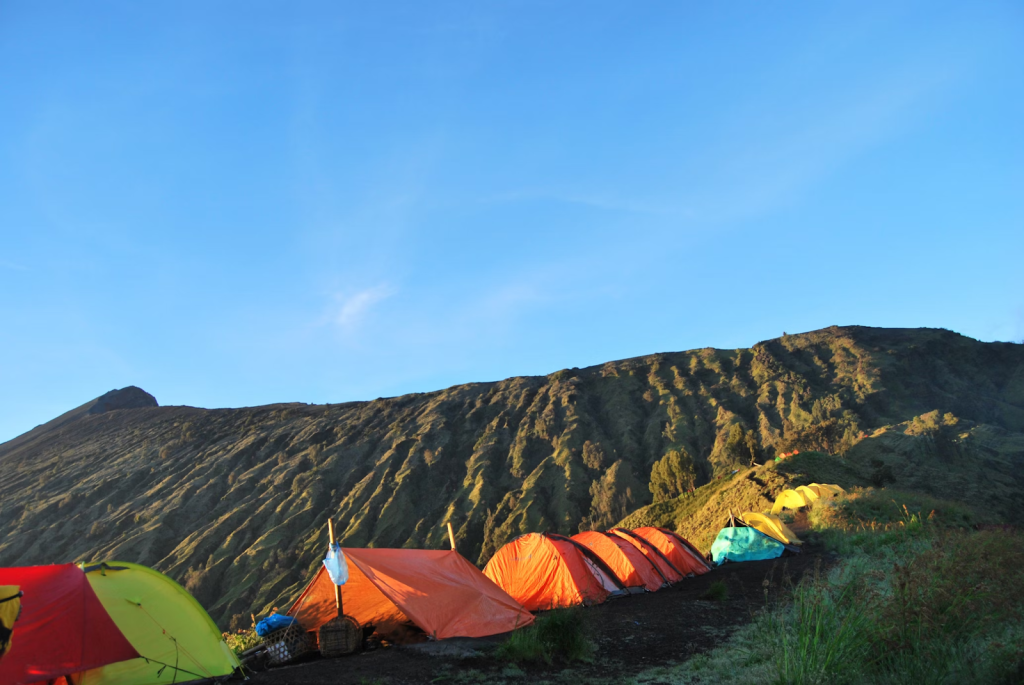
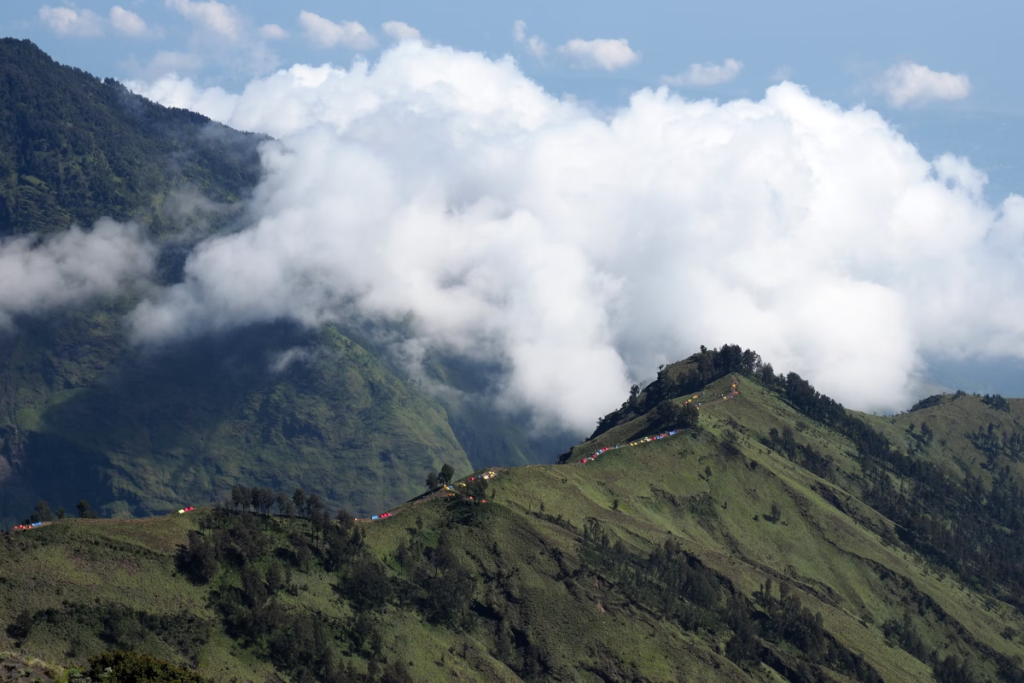
Up to the third post, you’ll trek through savannah terrain with open grasslands and rolling hills. However, the trail becomes steeper and rockier after the third post until you reach the Pelawangan Sembalun campsite at the crater rim (2,639 meters).
As the final resting point before the summit push, getting plenty of rest here is essential. This is your chance to relax and acclimatize before the challenging climb to the summit at predawn.
Besides resting, you can also enjoy breathtaking sunsets. The view is truly unforgettable, with the turquoise Segara Anak Lake and its volcanic cone stretching out before you.
Reaching Mount Rinjani’s summit is no easy feat, especially with the final push beginning around 2–3 AM. The darkness, combined with steep and sandy slopes, makes this stretch particularly challenging, but that’s also what makes the journey unforgettable.
The trail zigzags through loose volcanic scree, where every step forward often comes with a frustrating slide back. Add to that the temperature drop to 0–5°C at higher altitudes, so you'll need more than just determination: a reliable headlamp (with extra batteries), thermal layers, and strong physical endurance are essential.
Despite the hardship, standing on the summit as the first light breaks over Lombok, Bali, and even glimpses of Sumbawa is nothing short of magical. The sunrise view over the vast crater and Segara Anak Lake below is a reward that few treks in the world can rival.
Via the Sembalun route, it approximately takes 3 days and 2 nights (3D2N) to climb Mount Rinjani with an average hiking time of 4 to 8 hours per day, depending on your pace and fitness level.
Some trekking providers also offer 2-day trekking packages to the summit, which are typically designed for more seasoned and faster hikers.
Climbing Mount Rinjani isn’t just about fitness; it’s also a test of endurance, mental strength, and preparation. To increase your chances of reaching the summit safely and enjoyably, follow these practical tips:
Rinjani’s terrain is demanding, especially during the summit push. Therefore, it's best to start training at least a month in advance.
While any form of exercise helps, it's best to focus on cardio, strength, and hiking simulation:
You can also practice hiking on uneven terrain to improve your balance and ankle stability.
Not just steep, the trail to the summit also gets extremely slippery, especially on the loose volcanic scree near the summit. Therefore, it's best to invest in proper trekking shoes.
Shoe-choosing tips:
Complete your footwear with gaiters to keep volcanic dust and pebbles from entering your shoes during the summit push.
Dehydration is common at high altitudes, even if you’re not sweating heavily. Moreover, symptoms of altitude sickness can worsen without enough fluids. Therefore, always carry a refillable water bottle, and consider using hydration packs for easier access.
Pack some compact yet high-calorie snacks like chocolate, energy bars, and dates to keep energy depletion at bay.
Keep your daypack as light as possible to reduce strain, especially for the final ascent. However, don’t compromise on warmth, as the temperatures near the summit can drop below 5°C.
Some recommended light-but-warm layers include thermal tops, leggings, gloves, a windproof jacket, and a neck warmer. It also helps to bring medication like paracetamol, balm, or cold meds if you're prone to chills or sinus issues
It’s tempting to rush in excitement, but pacing is key. Since the final ascent is steep, sandy, and mentally exhausting, pushing too hard too early can lead to burnout.
If you can, practice the “rest step” technique beforehand. This involves pausing briefly with a straightened leg between each step to conserve energy, especially on steep terrain.
Do remember that breaks should be tailored to your needs. Some hikers prefer resting at designated posts, while others feel more comfortable taking brief breaks every 20–30 minutes. Whatever you choose, communicate clearly with your guide and never separate from your group.
Sun protection is essential, but so is shielding yourself from volcanic dust. Wear a buff or mask to cover your nose and mouth, and bring sunglasses to protect your eyes from windblown particles, especially during the summit push in the dark.
As you make your way up the summit ridge in the darkness, you’ll encounter several high points that appear to be the top, but they’re not. These are known as “false summits.” They can be incredibly frustrating if you’re not mentally prepared.
This phenomenon is commonly reported by hikers going up via the Sembalun route. When faced with these moments, keeping your morale intact and maintaining a positive mindset is important. Remind yourself that every step, no matter how tough, brings you closer to the real summit and a reward that’s genuinely worth the effort.
To trek Mount Rinjani, hiring a guide and porter through a local trekking organizer with a valid permit issued by the Head of the Mount Rinjani National Park Office is mandatory. But don’t go with just any operator—choose one you can truly rely on. That’s where Lombok Touristic stands out.
As one of Rinjani's top licensed trekking organizers, Lombok Touristic has been crafting seamless Rinjani trekking packages since 2011. With over a decade of experience, we’re here to make your journey as smooth as possible.
Here's what you can expect:
Whether you’re aiming for a fast-paced 2D1N summit trek or a relaxed 7-day Diving + Trekking combo, we’ve got the perfect package for you. Reach out, tell us your travel plans, and let us arrange the ultimate Mount Rinjani summit trip for you.