
Searching for something unique and authentic to spend the holidays? If so, please consider this place. There are things to do in Komodo Island that can spark your interest, from wonderful nature to beautiful culture. It's also a home for the iconic dragon.
Most people are wondering how many days you need in Komodo Island. The ideal plan is 3 or 4 days to see and explore the island better. During your stay here, these activities are waiting to be discovered!
Here is the Komodo Island itinerary and things to do in this place that will create a wonderful experience for you!
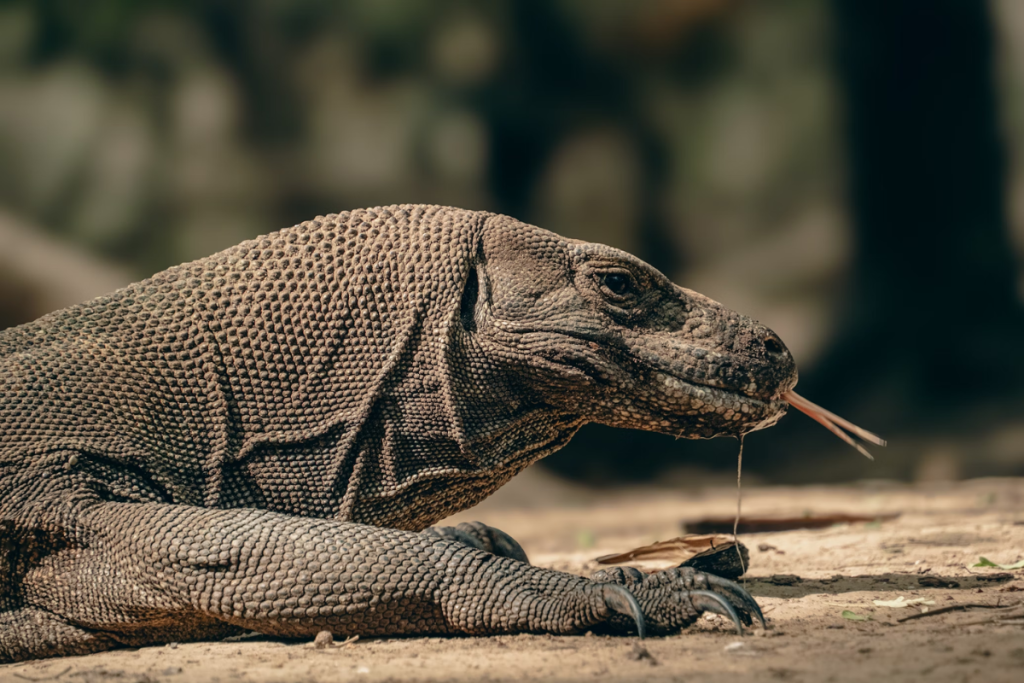
You can't visit this island without coming to Komodo National Park. This place is the only place to witness the legendary Komodo Dragons in their natural habitat. This giant lizard is nearly extinct. Only less than 3,500 dragons are left, so make sure to see them at least once in your lifetime.[1]
Even though they are aggressive, cold-blooded predators, it's still considered safe if you follow your guide's instructions. Don't forget to keep a safe distance when you see them roaming around. Avoid provoking them because they're strong and fast.
The island is located in the Coral Triangle, recognized as the global center of marine biological diversity, especially coral reefs.[2] That's why Komodo Island diving is something you should do. So does snorkeling. Find out the most magnificent views with pristine water here.
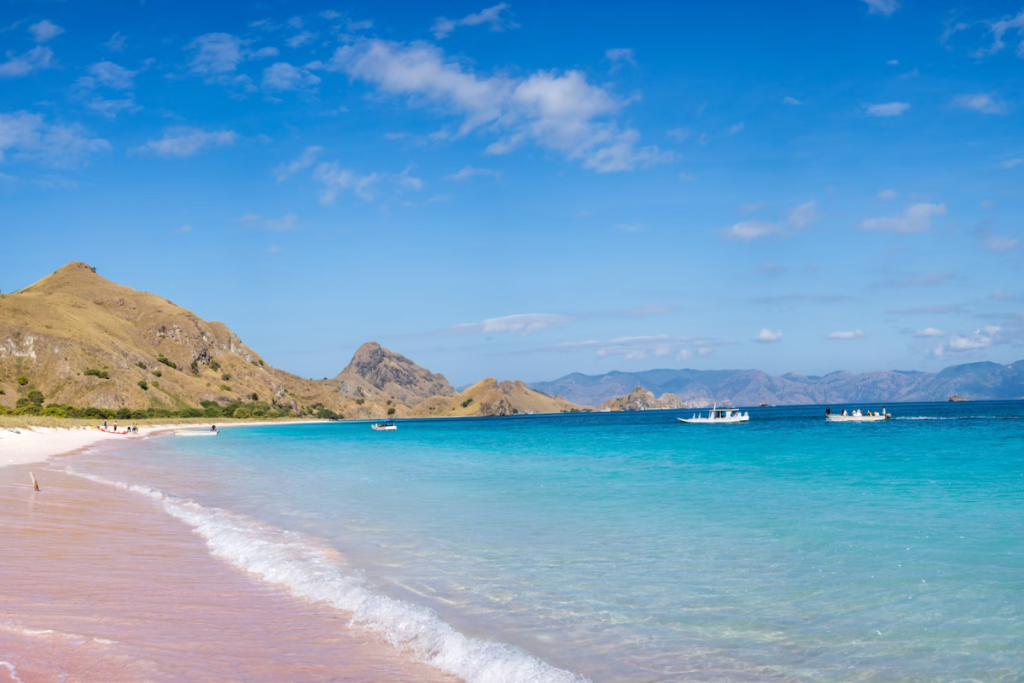
If you're curious about the best place to snorkel and the best diving spots in Komodo Island, Pink Beach is one of them. Aside from astonishing underwater scenery, it also serves up beautiful pink-colored sand. To get the best view, visit from May to November because it has the best visibility.
Remember to bring your gear, such as wetsuits, masks, and fins, when planning your diving or snorkeling adventure at Pink Beach. You can rent the rest from your diving operator. This is because some equipment, like regulators, BCDs, dive computers, and scuba tanks, can be expensive to bring from home.
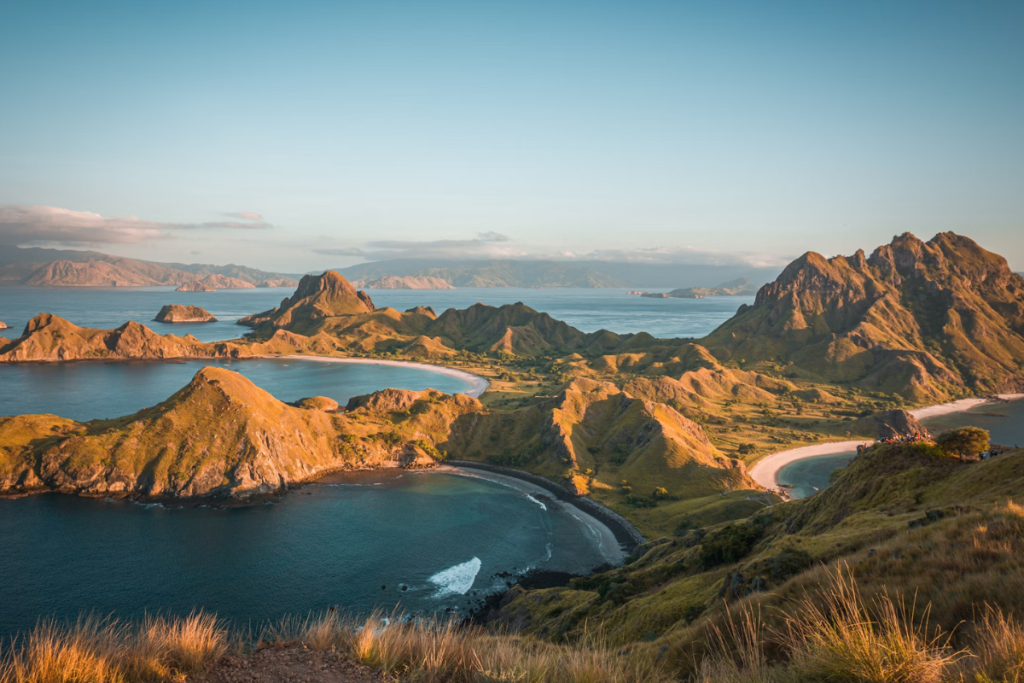
Don't forget to hike at Padar Island if you love adventures. Get a glimpse of the three iconic bays serving you ravishing summit views. The route is relatively easy to hike. Some steps will help you trek; you only need 30 - 45 minutes. Three stop points exist for resting.
The ideal time to visit is during dusk and dawn to catch the views of sunset and sunrise. Aside from the beautiful scenery, the weather during those times was also nice and agreeable. To see the sunrise, you can hike at 4:30 a.m. or 5:00 a.m. To catch the sunset, you can hike at 4:30 p.m. or 5:00 p.m.
Because there are no hotels on the island, you can stay at the nearest Komodo Island accommodation, Labuan Bajo. Labuan Bajo to Komodo Island, and this island is around 1,5 - 2 hours. You can depart from the hotel at 3.00 am or 3.00 pm.
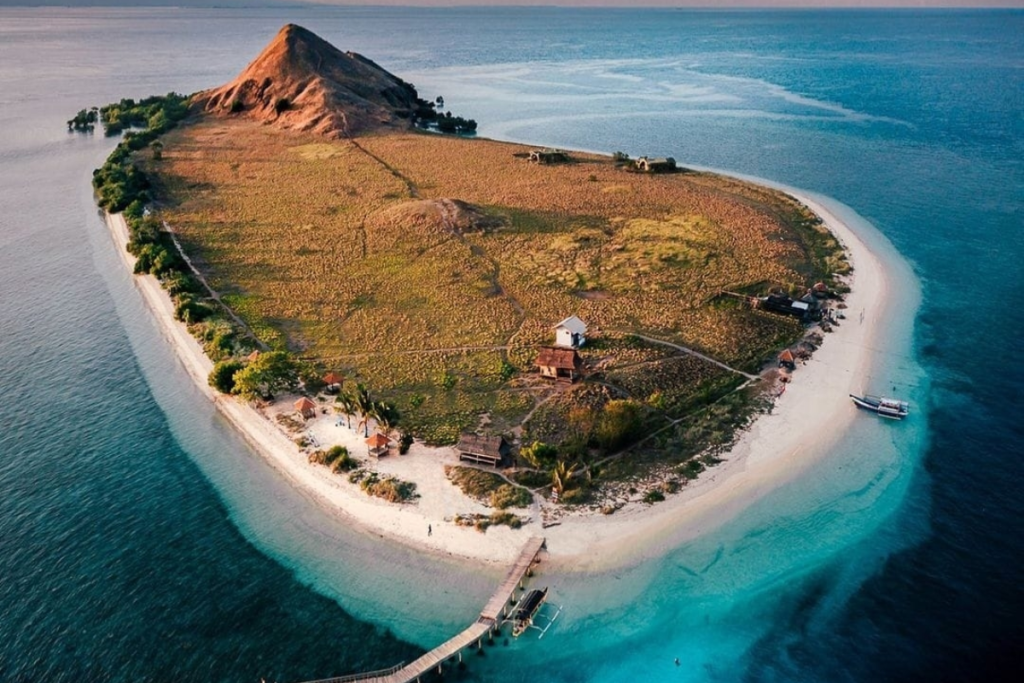
Kanawa Island is probably the most ideal place for chilling. The atmosphere of the island is calm and peaceful for strolling around or sunbathing on the white sand. The waves are also gentle, perfect for swimming or light snorkeling. Don't forget to bring your camera here because nature is too beautiful not to be immortalized.
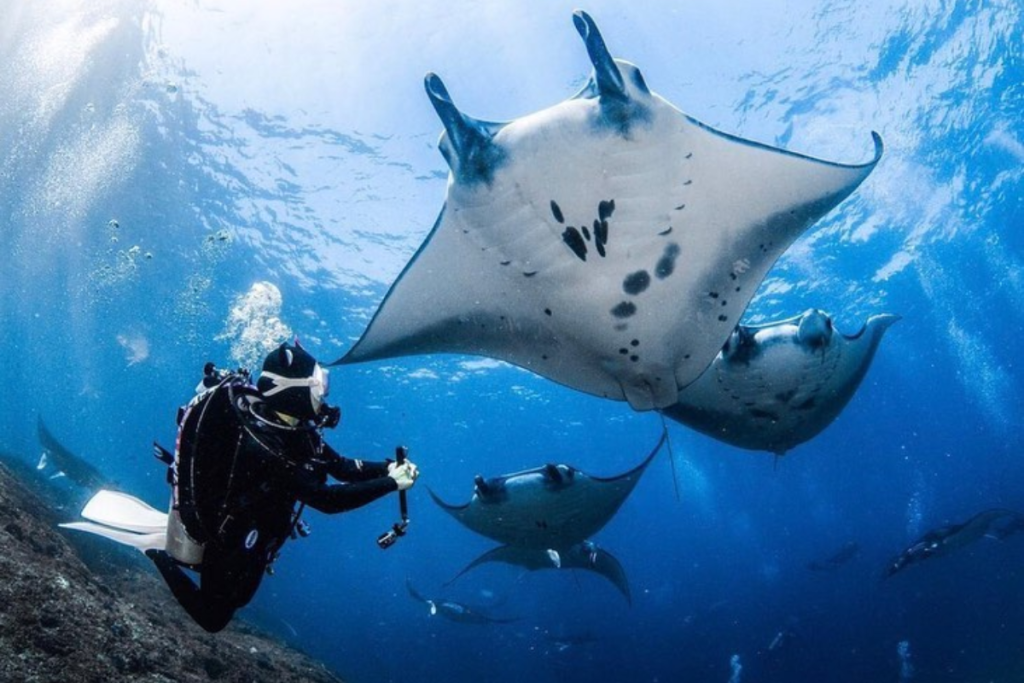
For divers, the main attraction of this island is definitely the Manta Rays, the biggest ray species in the world. Even though the sizes are big, around 8.8 meters and 2,404 kg, they are very friendly. You can easily swim with them at Manta Point. There are also multiple kinds of small fish and stunning corals here.
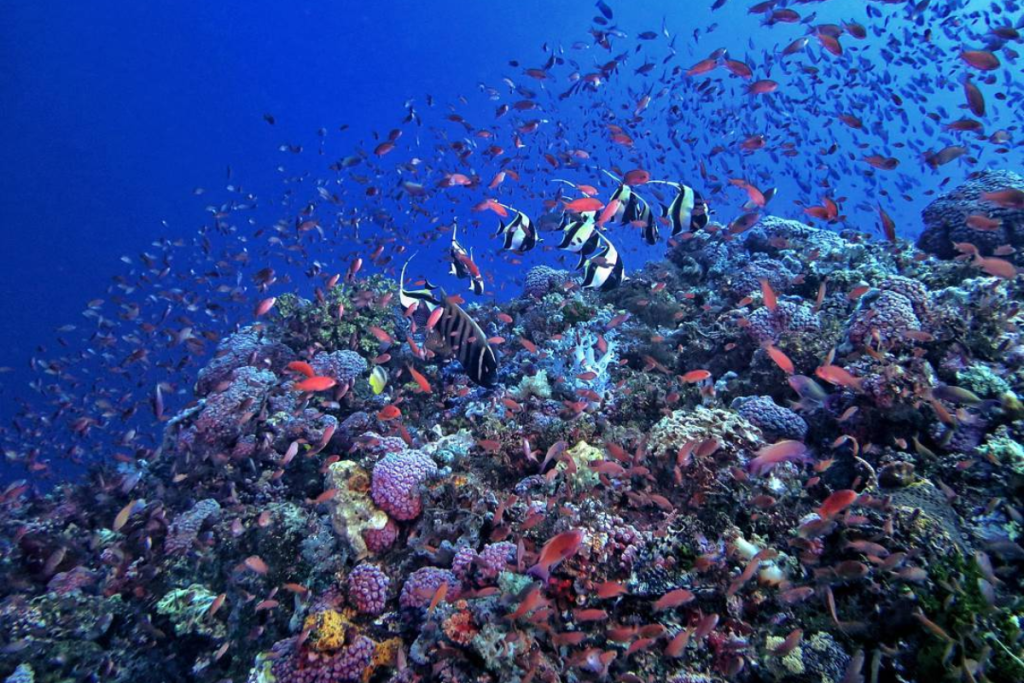
Batu Bolong is another place to be added to your itinerary, especially for scuba divers. The underwater will serve you colorful coral reefs that are still natural and healthy. You can also meet multiple marine life, like Manta Rays, sharks, sea turtles, napoleon wrasses, big morays, barracudas, etc.
However, ensure you are an advanced diver and have multiple experiences because the currents are strong. You also should dive with a dive master and listen to them. Don't panic if a sudden current comes to you.
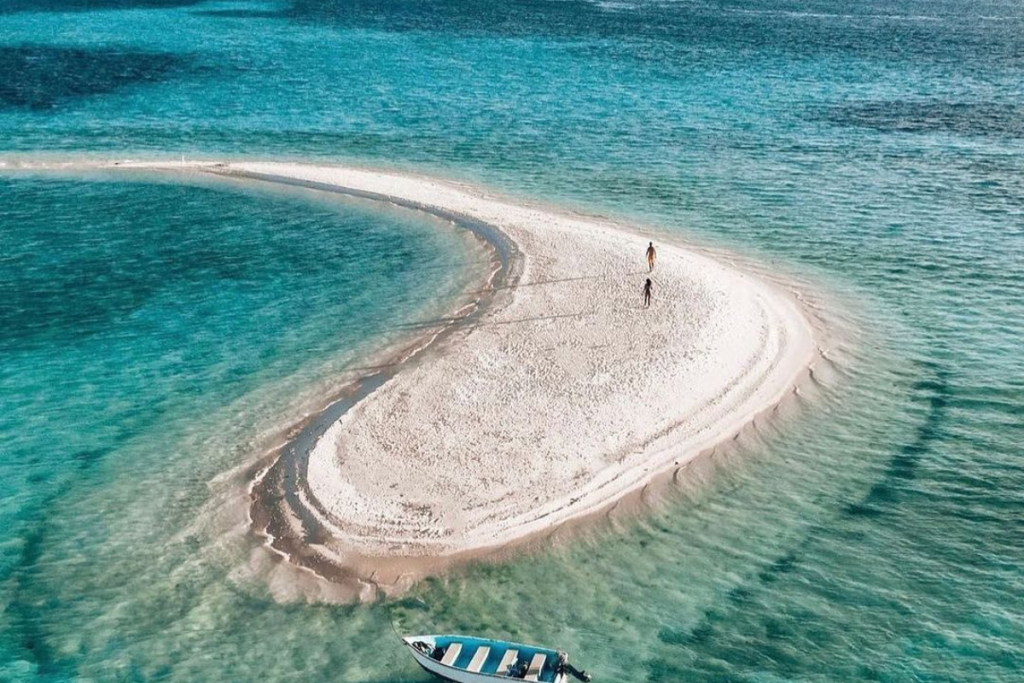
This place is a hidden gem because it's literally hidden during high tide. Its existence only appears during low tide. The island is located in the middle of the sea and contains sand. It's unique and hard to find anywhere else, so come here to create an unforgettable and pleasant experience.
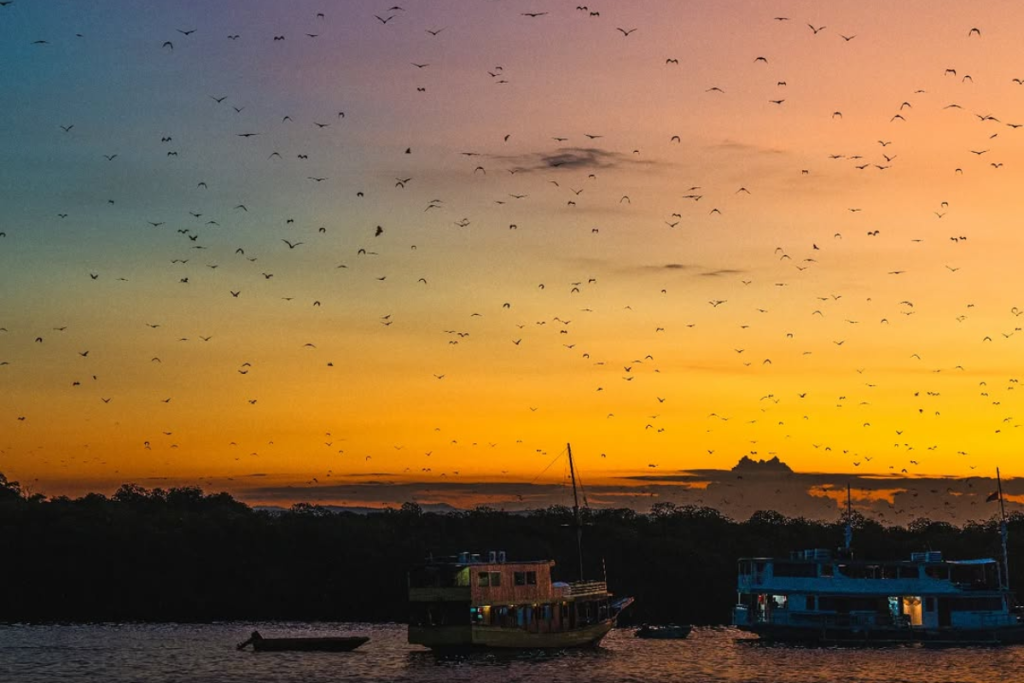
Aside from Padar Island, you can also chase the sunset at Kalong Island, also known as Flying Fox Island. For your information, kalong means flying fox in the local language. That's why you can expect many of them, especially during the sunset. Their existence will make the scenery look more beautiful and magical.

People who love culture can learn more about it from the locals in Komodo Village. This village is occupied by the Komodo Tribe, a tribe that played a big role in preserving the dragon.
During your visit, take a peek at their daily life, traditional cuisine, and traditions. It can be an authentic experience because you can't find them anywhere else.
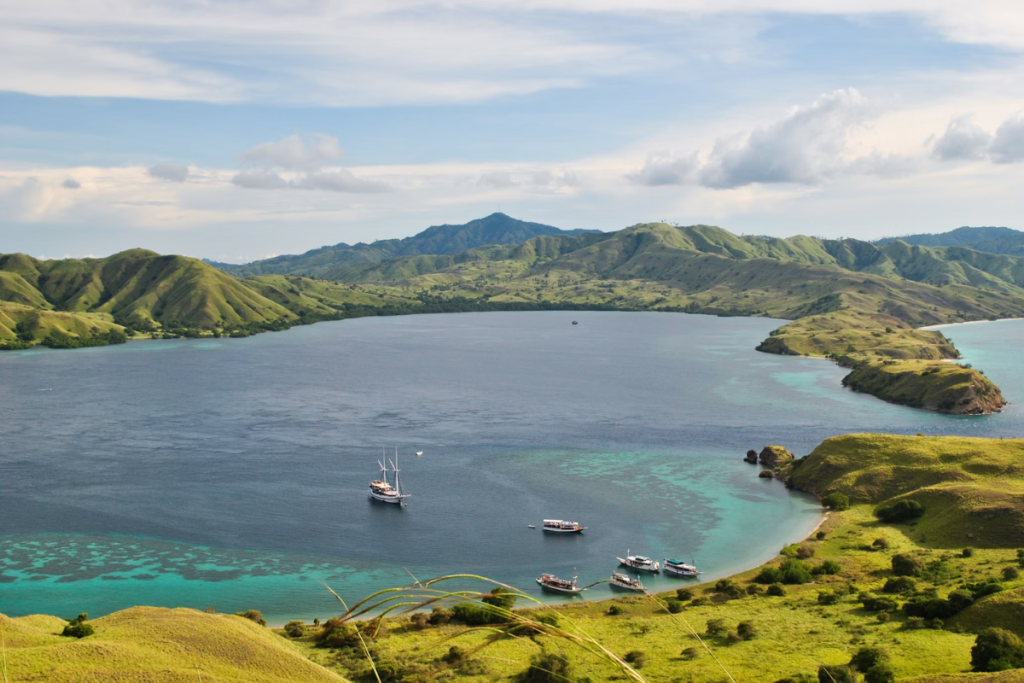
All these things are situated on different islands. That's why island hopping is necessary to enjoy all of them. To get more comfort and convenience, take the Komodo Island tour package.
Those packages can be found at Lombok Touristic. Aside from things to do in Komodo Island, you can also find multiple other tour packages here, from Lombok to Bali. So, are you ready to spend your vacation with us?
Kelimutu Lake is a breathtaking marvel on Flores Island, Indonesia, where the three-coloured crater lake of the volcano captivates adventurers and dreamers alike.
Hidden deep in the lush highlands, this volcanic marvel draws curious travelers from around the globe. Why? Due to the perpetual color shift of them, shifting from turquoise to black and even blood red without any clear warning.
Interested in probing its mysteries? This guide dives into the allure of Lake Kelimutu, from its shifting hues to pro tips for making your trip truly remarkable.
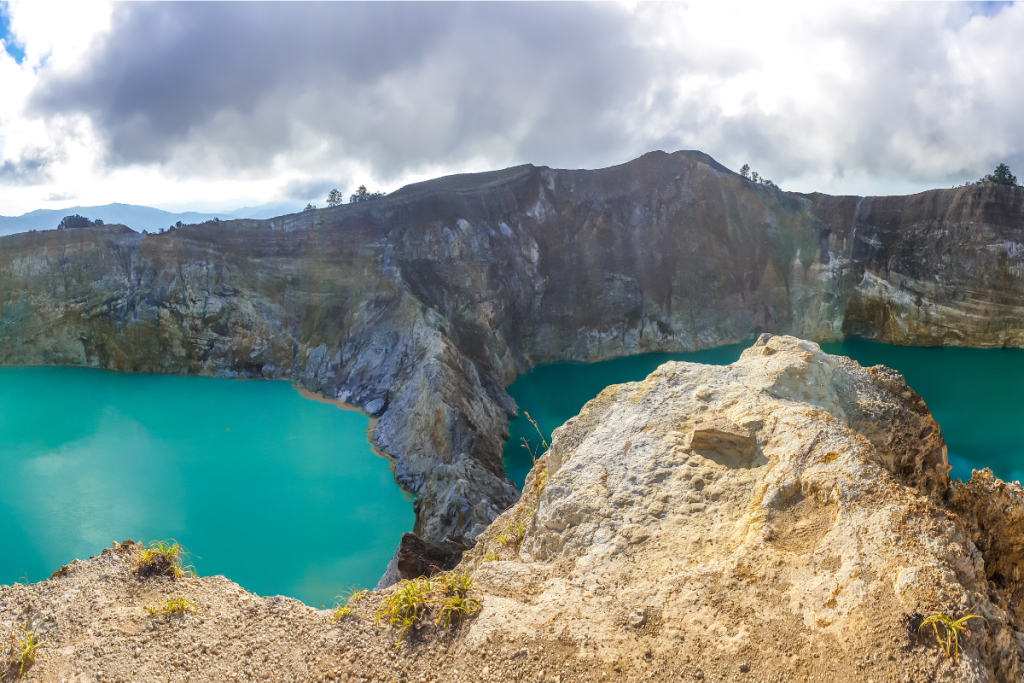
Kelimutu Lake is a trio of volcanic crater lakes perched on a mountain with the same name in Flores, East Nusa Tenggara, Indonesia.
Tucked atop a volcano, these lakes shift colors like a painter’s whim, drawing travelers to their mystic shores. Each lake, nestled in its own crater, boasts a distinct color that can change over time—think turquoise, red, or deep green.
These lakes are treasures. You absolutely should not miss them because of their surreal beauty and the spiritual meaning they hold for locals.

The three lakes of Kelimutu volcanic lake each carry a unique name and story.
Your first glimpse of Kelimutu Lake’s wonders is Tiwu Ata Mbupu, the Haven of Elder Souls.
Its inky, enigmatic waters ripple with a deep blue or green, cloaked in quiet reverence. Lio folklore holds that this crater cradles the spirits of departed elders, their wisdom lingering in the lake’s serene depths, a tranquil mirror to the ages.
Next, you’ll encounter Tiwu Nuwa Muri Koo Fai, a radiant basin dubbed the Cradle of Youthful Spirits.
Its waters shimmer in bold turquoise or lively green, standing out like a jewel against its sister lakes. Lio legends whisper that this lake shelters the vibrant souls of young men and maidens, their energy pulsing in its vivid hues.
The final stop, Tiwu Ata Polo, casts a spell as the Bewitched Cauldron.
Its surface shifts from fiery red to somber brown, weaving an air of mystery. Local tales claim this lake harbors the restless spirits of those who strayed from virtue, their presence haunting the Kelimutu volcanic lake with an otherworldly glow.
Scientifically, these colors shift due to geological factors like oxidation and gas activity beneath the pond. Iron, sulfur, and other minerals react, creating a kaleidoscope effect.
Locals weave myths into the phenomenon, believing the lake's house holds ancestral spirits who alter hues based on their moods. This blend of science and folklore makes the question of how Kelimutu formed a captivating question for visitors.
The Lio people now honor these spirits through the annual Pati Ka Du’a Bapu Ata Mata festival, held at Kelimutu in August. Leaders (Mosalaki) from 22 local communities gather, joined by Ende’s regent and visitors.
The sacred event starts with the “Kai Pere Lesu Usu” ritual at Pere Konde, a spiritual gateway to the lakes. At the Sao Ria house, elders greet guests and dress the Head of Kelimutu National Park in traditional garb.
Mosalakis then led a procession to the Mesbah altar, where the peak ritual feeds ancestral spirits with offerings to the Creator and ancestors.
The festival concludes with Gawi dances and Lio chants (Sodha), accompanied by performances from groups such as Sanggar Seni Anamamo Konde Ratu.
This intense rite celebrates the belief that spirits dwell in the ponds, making them a cultural draw for travelers.
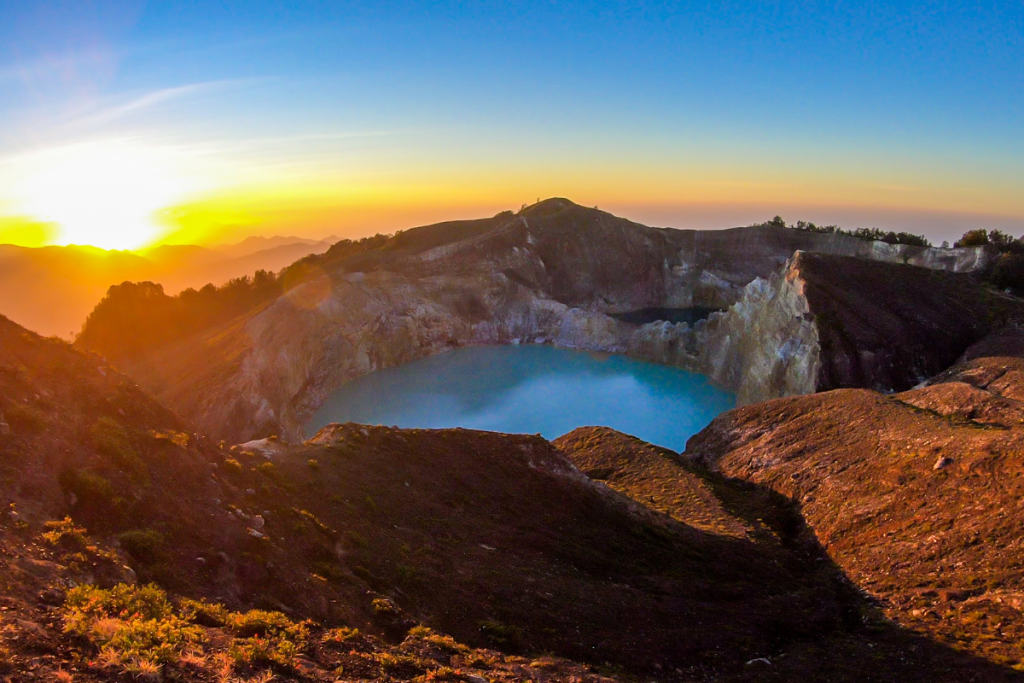
To catch Kelimutu Lake in all its glory, plan your trip for the dry season (May to September).
These months bring crisp skies that amplify the dazzling hues, painting the craters in vivid splendor. To fully enjoy the festival, plan to arrive in August.
Early morning, especially at sunrise, is prime time. The dawn light bathes the 3 colored lake in golden hues, creating a magical scene.
Arrive by 4:00 a.m. to catch the spectacle, as midday clouds can obscure views. The cool morning air also makes trekking more comfortable.

Since Kelimutu volcano is located in Flores, reaching it requires some planning. Start by flying from Bali or Jakarta to Ende or Maumere, the nearest airports.
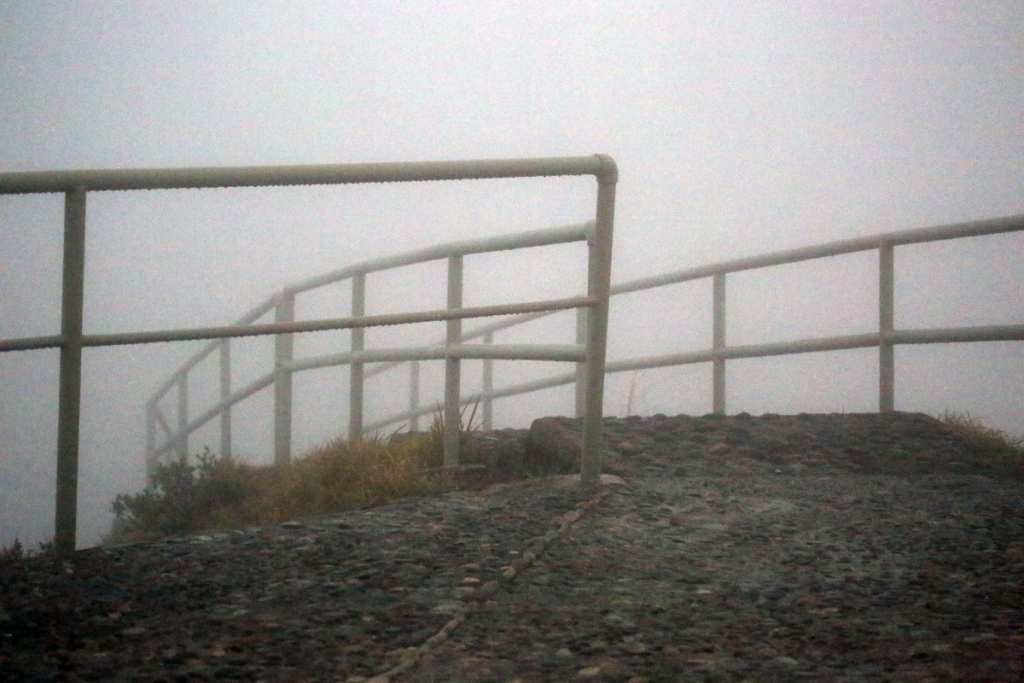
Visiting Kelimutu Lake feels like stepping into a dream. The air is crisp, with mist often swirling around the volcanic peak.
A gentle 15-20-minute trek from the parking lot—paved steps and dirt paths—leads to the viewpoint. The trail is beginner-friendly, though sturdy shoes help on uneven spots.
At the summit, a stone platform offers panoramic views of the lake. Sunrise here, with colors dancing across the lakes, ranks among Indonesia’s best.
Basic facilities, such as restrooms and small warungs (food stalls), are available, but amenities are minimal. The serene vibe and vast vistas make it worth the climb.

To make your Kelimutu Lake trip shine, prep smart. These tips ensure a smooth, respectful visit to this sacred site:
Kelimutu Lake is more than a destination—it’s a journey into nature’s artistry and Flores’ soul.
Its tri-colored craters, shifting like a living canvas, offer a rare glimpse of Earth’s power and local lore. Whether you’re chasing sunrise views or unraveling the mystery of the three-color lake, this volcanic wonder delivers.
Ready to explore? Our tour packages make it easy, blending comfort and adventure. Book your trip at Lombok Touristic and dive into the magic of Kelimutu Lake!
How to get to Komodo Island from Bali is a hot topic for travelers itching to swap Bali’s beaches for Komodo’s wild wonders.
Most visitors dive into temples and nightlife first, then chase the legendary dragons and pink shores. Tucked in the deepest part of the wild, this rugged gem beckons adventurers.
Ready to hit the trail? This guide outlines three options—by air, water, and land—to plan your journey, along with tips for a smooth ride.
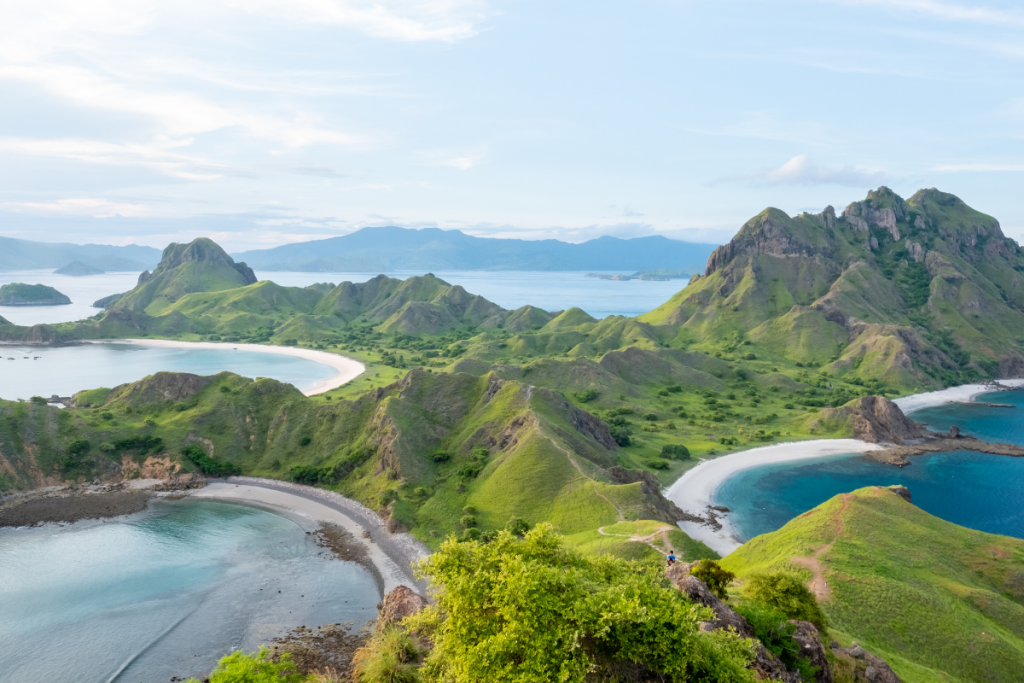
Komodo is a global draw, and Bali’s proximity makes it a no-brainer add-on. Its raw beauty—think Pink Beach with coral-kissed sands, snorkeling reefs bursting with fish, and the reptile kings stalking the hills—feels like a step into Jurassic times.
Just a hop from the Island of Gods, the national park offers a thrilling contrast to Ubud’s calm or Kuta’s buzz. The trip combines tropical ease with untamed adventure, making it perfect for any explorer’s bucket list.

Reaching Komodo from Bali is straightforward with three distinct routes. Whether you crave speed, scenic seas, or a budget-friendly trek, there’s a path for your trip.
Below, we break down travel options by plane, boat, and bus, including information on how to get from your hotel to the starting point and estimated costs.
Air travel offers the quickest route from Bali to Komodo National Park.
Total cost: $65-$125 one way. This suits travelers who are short on time but are eager for an exciting tour.
For a sea-drenched adventure, boat tours offer an epic journey.
Another option is to take a liveaboard tour (3-4 days), sailing to Komodo and stopping at Rinca, Moyo, or Satonda for snorkeling and dragon sightings.
Costs range from $200 to $600 per person, depending on the boat (from budget dorms to luxe cabins), including meals and gear. Backpackers and slow travelers love this immersive vibe.
If you’re craving Gili’s laid-back vibes, Nusa Penida’s dramatic cliffs, or Lombok’s sandy shores, our fast boats can get you there in style. Check out detailed prices and schedules with our partner operators at Lombok Touristic Fast Boats (https://lomboktouristic.com/activities-category/fast-boats/).
Price starts from $18 to $45. So cheap, yet unforgettable.
The land route is a budget-friendly, overland odyssey for patient explorers.
Total time: 26-36 hours, and cost: $40-$70 one way. This suits backpackers craving a raw, authentic Komodo Island experience.
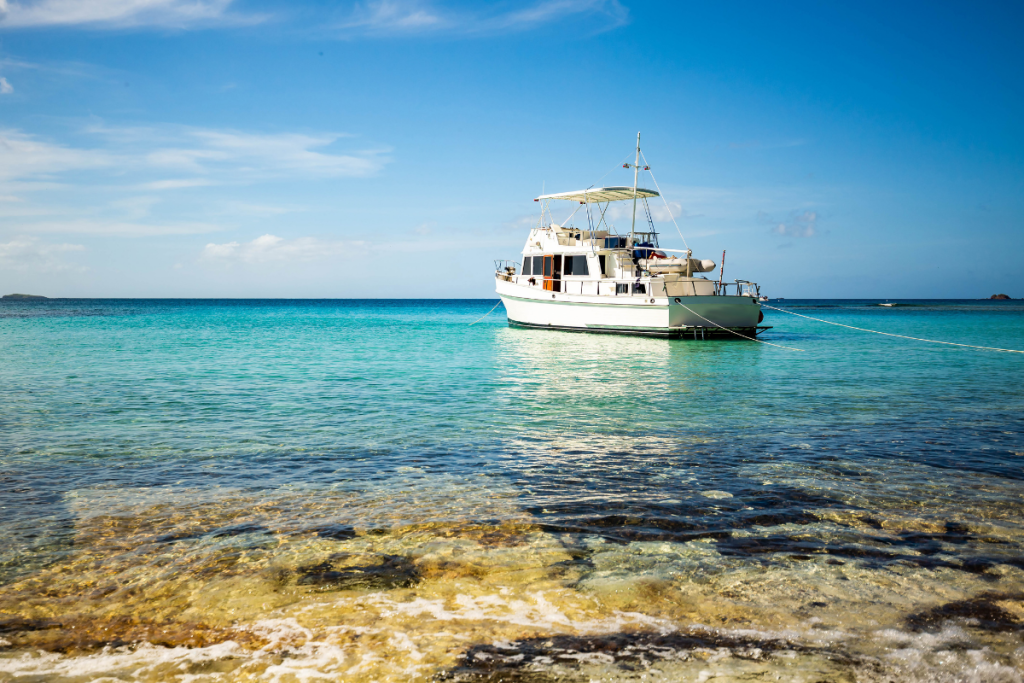
Combo tours weave Bali, Lombok, and Komodo into one thrilling ride. Operators like Lombok Touristic offer flexible packages, letting you roam Lombok’s beaches or waterfalls before hitting Komodo.
Spanning 4-7 days, these trips blend guided boat tours, cozy stays, and curated stops for a seamless Komodo Island trip. Perfect for explorers wanting more than one island, this option delivers variety and comfort.
Check Lombok Touristic for itineraries that spark your wanderlust.

To rock your adventure, plan smart. The tips below will help you get the most from the trip:
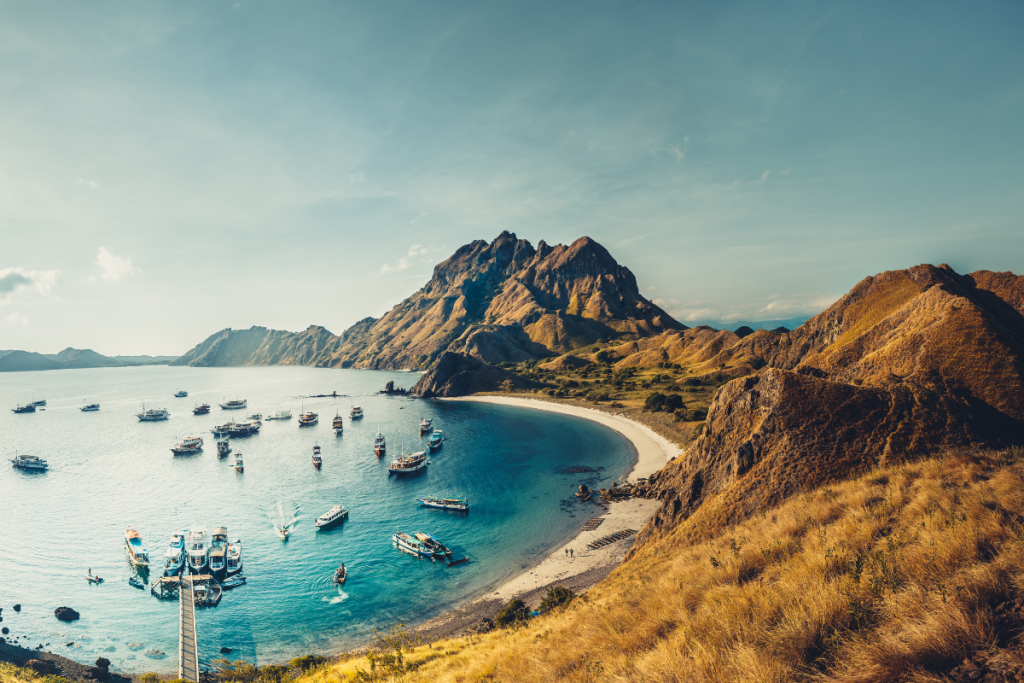
Choosing the route to the Jurassic islands depends on your vibe.
Flights are king for busy travelers wanting a fast route to dive into dragon-spotting and Pink Beach.
Boat tours thrill sea lovers with time for a scenic tour of the National Park islands, perfect for laid-back explorers.
The bus route fits budget adventurers with days to spare, offering a gritty, authentic trek. Match your pace and wallet to the path that sparks your excitement.
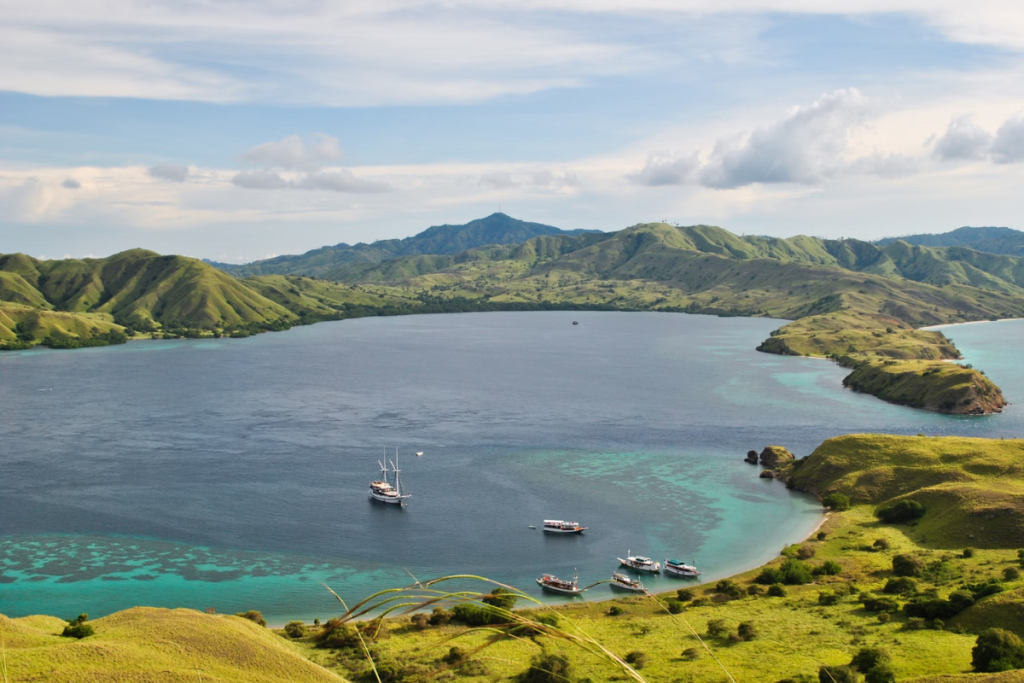
Nailed how to get to Komodo Island from Bali? Lombok Touristic brings your plan to life with top-notch Komodo Island tour packages.
Our guides lead you from the vibrancy of the island of gods to pink shores, reefs, and dragon trails, with fast boats or curated trips for any budget. Book your trip to Komodo Island from Bali at Lombok Touristic and launch your wildest adventure yet.
A Komodo Island beach is your ticket to a wild paradise, where Indonesia’s Komodo National Park spins tales of dragon-guarded shores and shimmering tides.
Imagine sinking your toes into pink sands or diving into reefs that pulse with life. These aren’t just beaches—they’re gateways to awe.
From hidden coves to the iconic pink sand beach Indonesia, these 10 coastal stunners will fuel your next escape.
Komodo National Park crafts a coastal saga. Each Komodo Island beach sings its own tune, from serene sands to vibrant reefs. Curious about the best beaches in Komodo? These 10 shores, perfect for diving or relaxing, promise unforgettable moments.
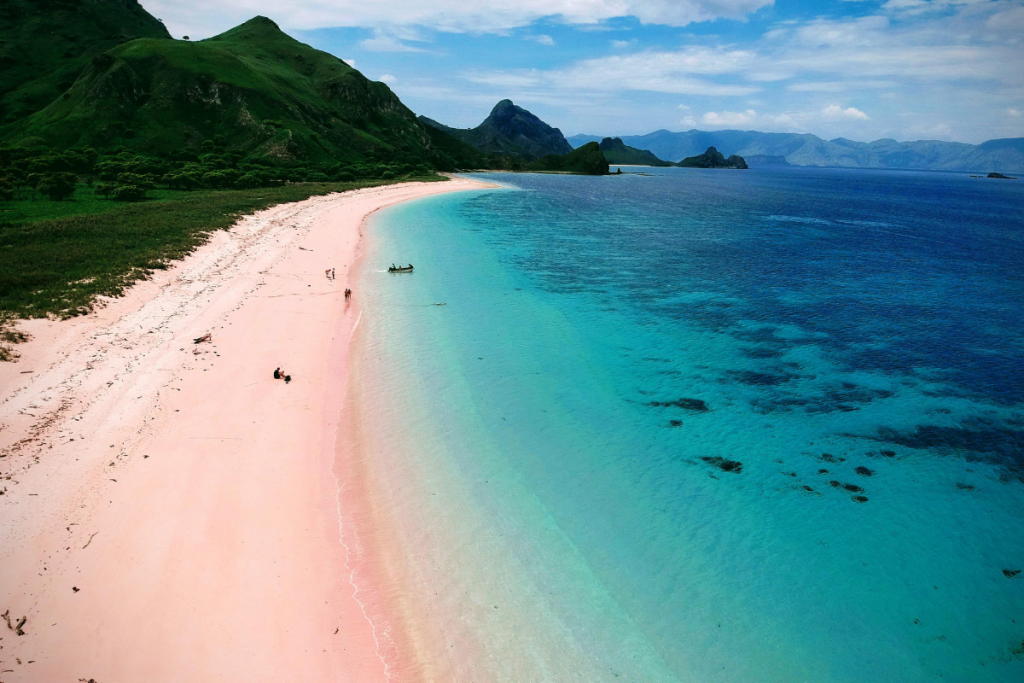
Pink Beach Komodo Island is a vision of coral-woven magic, its sands blushing soft pink from crushed red coral mingling with white grains.
This rare shore, one of Earth’s few pink beaches, gleams like a painter’s fever dream under tropical light. Snorkel in crystalline tides to meet clownfish, parrotfish, and swaying corals, or wander its rosy curve as waves lap gently.
Come in the dry season (April-October) to unveil its vivid hue, perfect for Instagram-worthy shots.
| Location | Eastern Bay of Komodo Island, (Maps) |
| Operating hours | Accessible anytime |
| Entrance fee | Include the Komodo National Park ticket |
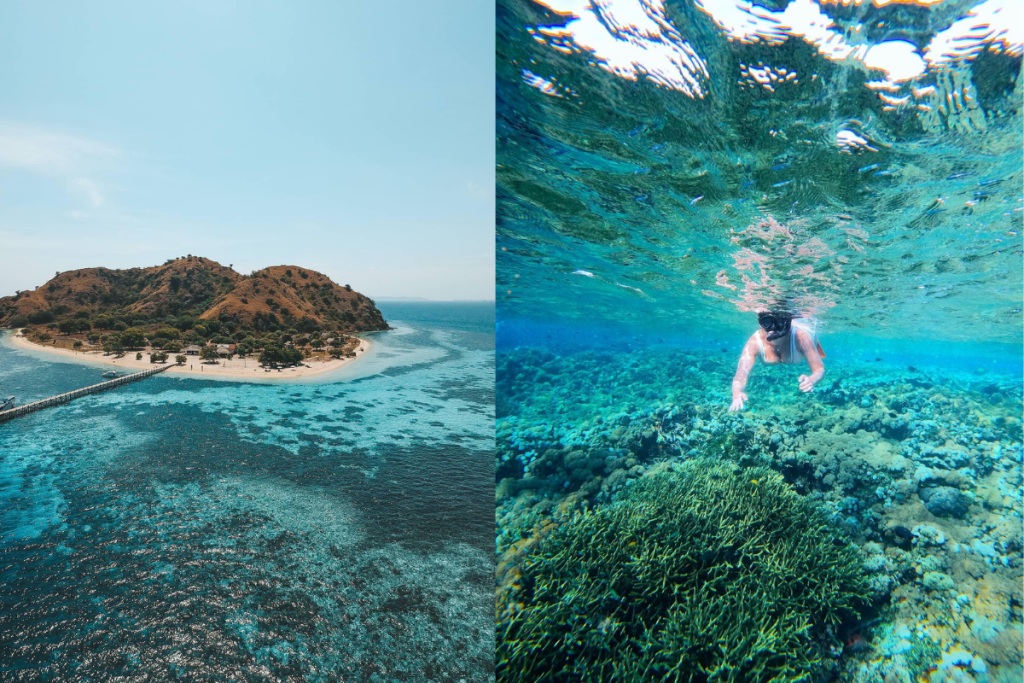
Kanawa unfurls a crescent of powdery ivory sand, kissed by sapphire waves that shimmer with promise. Its shallow, glassy waters teem with green turtles, neon fish, and coral spires, making it a snorkeler’s paradise even for beginners.
Kayak along its gentle shore to spot hidden coves, or lounge beneath swaying palms with a sea breeze as your lullaby.
Rustic bungalows offer overnight stays, but book early—they’re snapped up fast. A wide-brimmed hat is your ally against the fierce sun, ensuring a day of pure bliss.
| Location | Northeast of Komodo Island, West Manggarai Regency (Maps) |
| Operating hours | Daylight hours |
| Entrance fee | Include in Komodo National Park ticket |
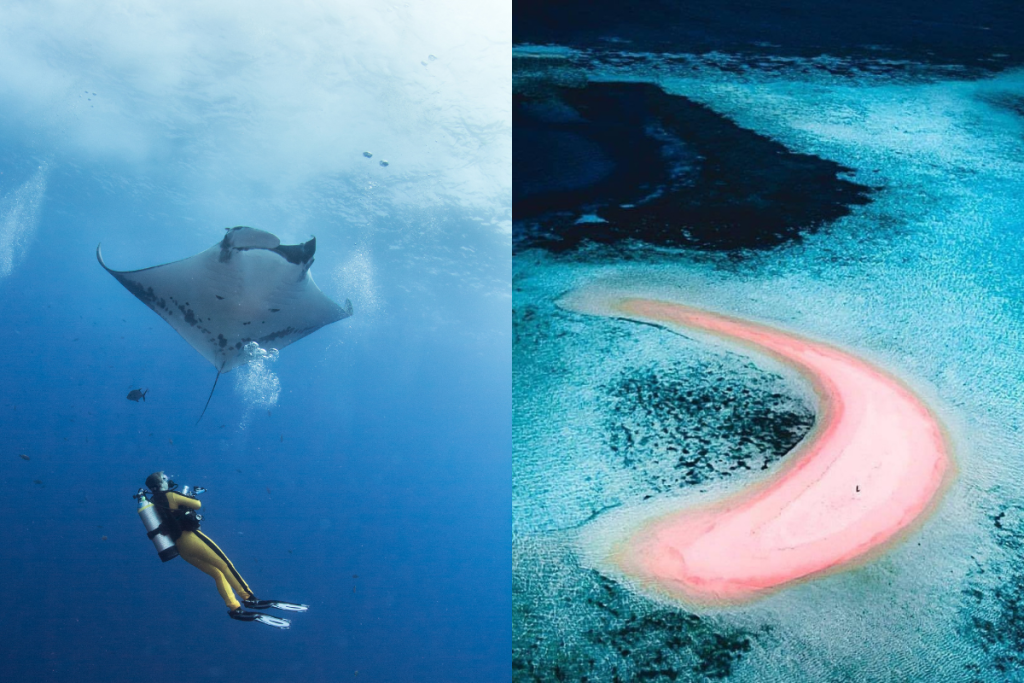
Taka Makassar emerges like a fleeting mirage, a pristine sandbar sculpted by tides in a sea of jade. Its snow-white grains and ankle-deep aquamarine pools feel like stepping into a dreamscape.
Wade through calm shallows to glimpse graceful manta rays at Manta Point near the isle or capture the surreal scene with your camera. Low tide reveals its full, ethereal expanse, ideal for barefoot strolls.
With no vendors, pack a picnic to linger in this untouched haven. Time your visit for the tide’s retreat to bask in its fleeting glory.
| Location | Northeast of Komodo Island, West Manggarai Regency (Maps) |
| Operating hours | Daylight hours |
| Entrance fee | Include in Komodo National Park ticket |
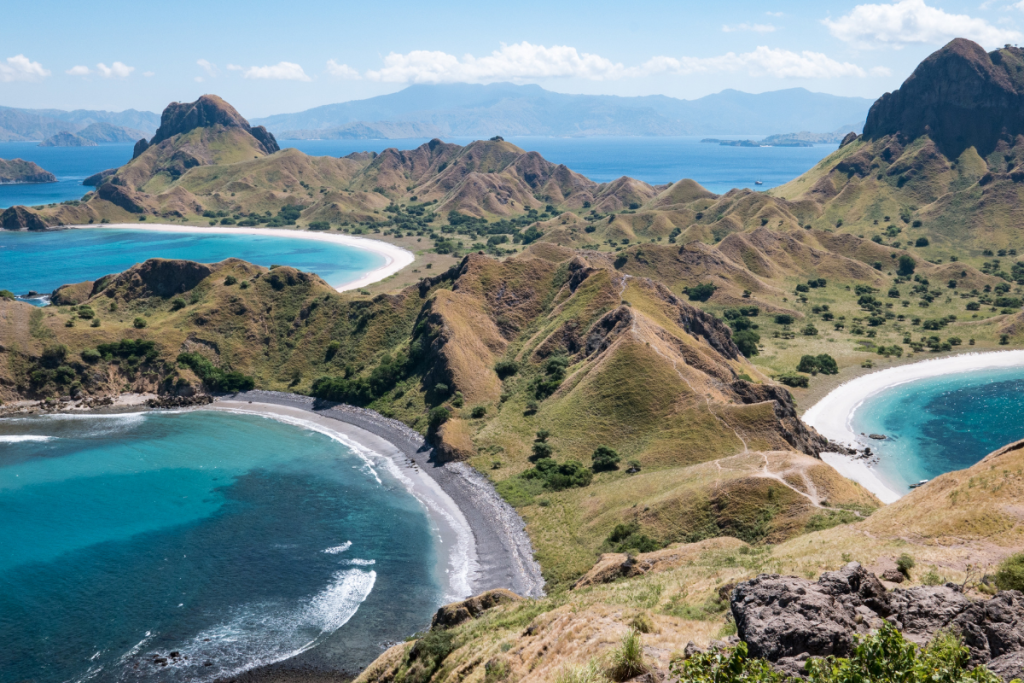
Long Beach Padar Island weaves pale pink sands against jagged cliffs, a quieter echo of its famous cousin.
Its serene waters brim with vibrant corals and darting fish, perfect for snorkeling in near solitude. Hike nearby ridges for a heart-stirring panorama of curved bays and emerald hills.
Midday sun ignites the sand’s subtle pink sheen, but strong currents demand caution—stick to guide-approved swim zones. A sarong doubles as a beach blanket for lazing in this secluded Eden.
| Location | Padar Island, West Manggarai Regency (Maps) |
| Operating hours | 04.00 a.m. - 10.00 p.m. |
| Entrance fee | Include in Komodo National Park ticket |
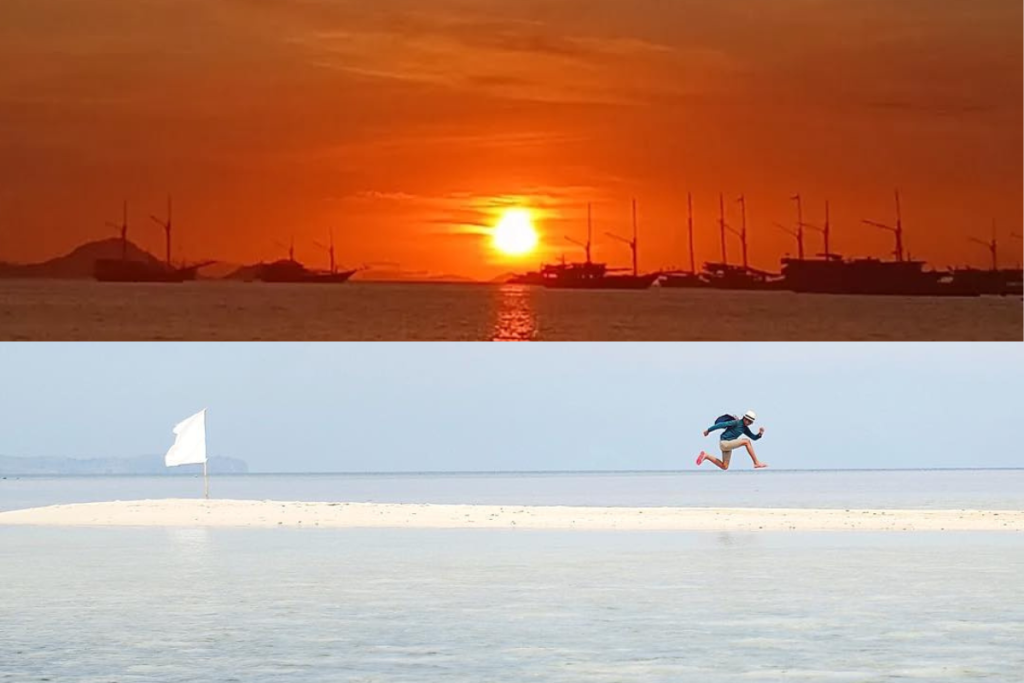
A heartbeat from Labuan Bajo, Pede Beach glows with amber sands and tender waves that invite all comers.
Families splash in its mellow shallows, while romantics chase fiery sunsets with fresh coconut from nearby warungs. Stroll its bustling shore to feel the pulse of local life, or swim as fishing boats bob in the distance.
Arrive at dawn for a peaceful dip before crowds gather. Sandals keep your feet cool when the midday sun turns sand to fire.
| Location | Gorontalo Village, Labuan Bajo (Maps) |
| Operating hours | Daylight hours are best at Sunset |
| Entrance fee | Free |
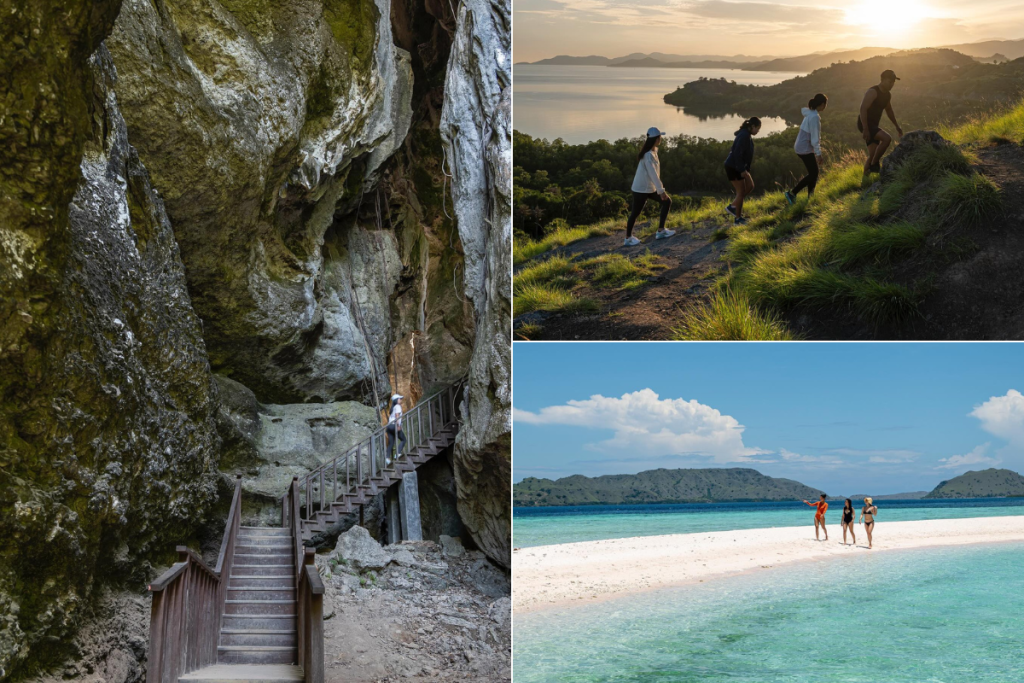
Waecicu Beach melds silken dunes with emerald foliage, a tranquil retreat near Labuan Bajo’s hum. Less tourist-trodden, it’s a haven for quiet moments relaxing on Komodo Island beach.
Its calm, turquoise bay lures swimmers and kayakers gliding toward tiny islets, where seabirds call. Cast a line with locals for a taste of island tradition, or snorkel to uncover reefs alive with color.
Come in the afternoon to enjoy the sunset, and don’t forget to pack a towel for post-swim lounging.
| Location | Labuan Bajo, West Manggarai Regency (Maps) |
| Operating hours | Daylight hours |
| Entrance fee | Free |
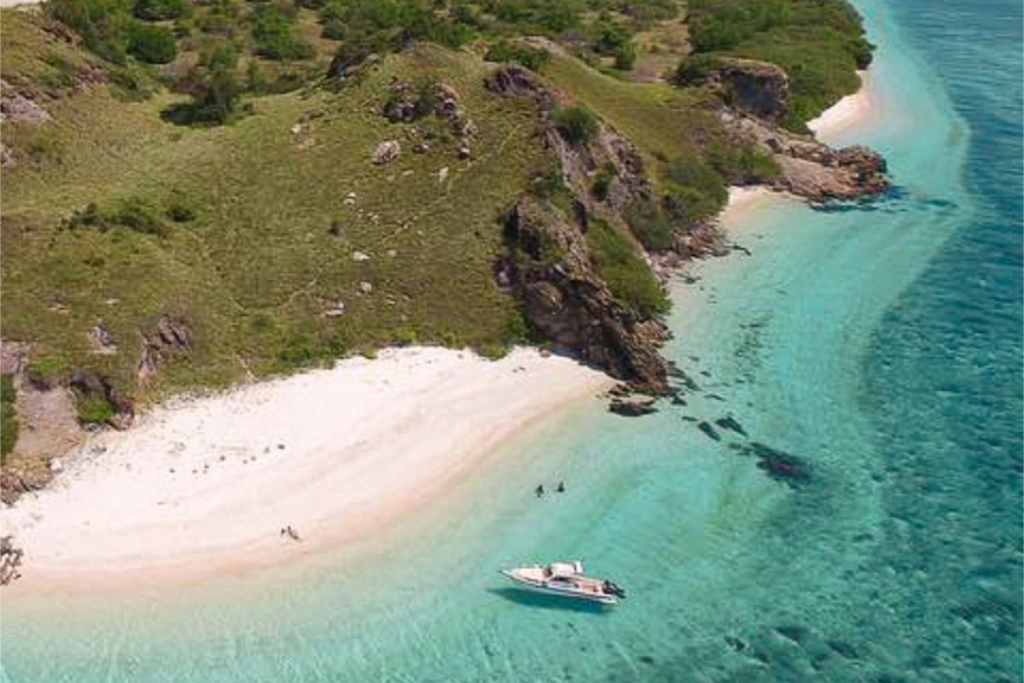
Mawan Beach hides like a whispered legend, its snow-dusted shore guarding a marine tapestry.
Snorkelers drift over coral labyrinths where fish flash like jewels, while divers probe deeper realms. Its placid tides welcome novices, offering a gentle entry to Komodo’s underwater wonders.
Early visits dodge the tour-boat buzz, leaving you alone with the sea’s pulse. With scant shade, a woven scarf shields you from the sun as you bask in this radiant nook.
| Location | Labuan Bajo, West Manggarai Regency (Maps) |
| Operating hours | Daylight hours |
| Entrance fee | Include Komodo National Park |
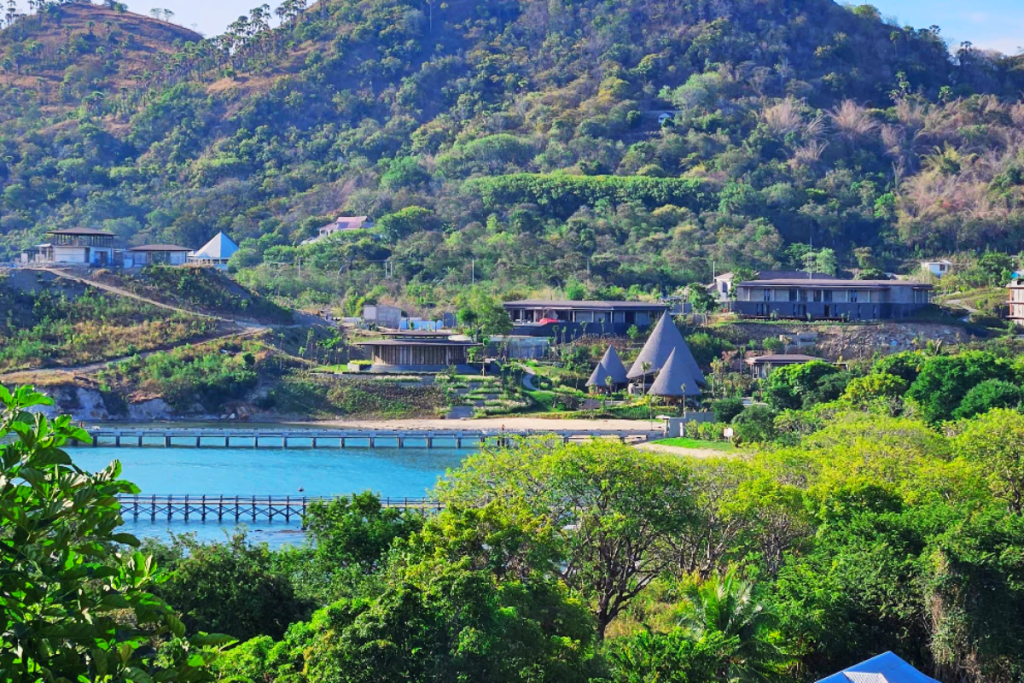
Wae Rana enchants with untouched sands and mirror-clear tides that reflect the sky’s endless blue.
Starfish and sea urchins speckle its shallows, a snorkeler’s treasure trove. This secluded cove feels like a secret carved by the wild, perfect for those craving solitude. Hike coastal trails for vistas that jolt the spirit, with waves crashing below.
| Location | Labuan Bajo, West Manggarai Regency (Maps) |
| Operating hours | Daylight hours |
| Entrance fee | Free |

Tatawa Besar sparkles with a lagoon of vivid aquamarine, its reefs a stage for swirling fish schools.
Snorkel to dance with marine life or paddleboard across its glassy sheen, spotting turtles in the depths. Its tranquil bay feels like a private oasis, far from the world’s clamor.
High tide ensures the smoothest swims, so check schedules. A guide reveals the reef’s quiet marvels, making every moment a brush with wonder.
| Location | Northeast of Komodo Island, West Manggarai Regency (Maps) |
| Operating hours | Daylight hours |
| Entrance fee | Include in Komodo National Park ticket |
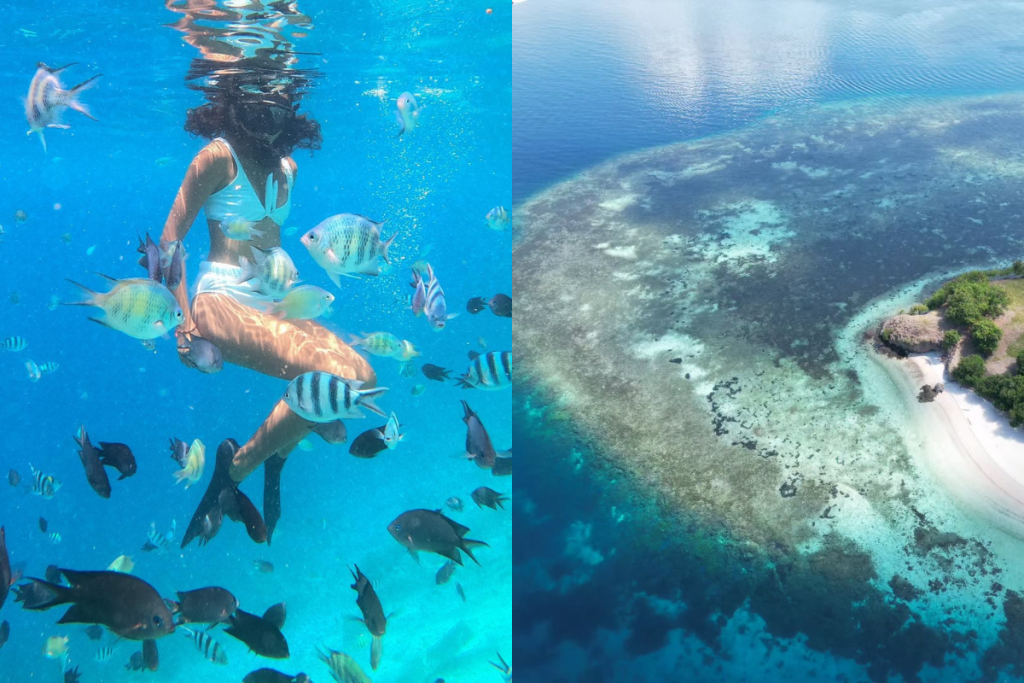
Sebayur Beach fuses creamy sands with an underwater symphony of coral spires and darting schools.
Snorkelers and divers revel in its vibrant depths, where colors pulse like a painting. A key stop on island-hopping tours, it buzzes with explorer energy.
Twilight here sets the sky ablaze in gold—snap a photo to capture it. Tide times matter for easy swims, so plan ahead to dive into this coastal jewel.
| Location | East side of Komodo Island, West Manggarai Regency (Maps) |
| Operating hours | Daily hours |
| Entrance fee | Include in Komodo National Park ticket |
Plan your Komodo Island beach adventure wisely.
The dry season (April-October) offers sunny skies and calm seas, which are best for snorkeling. Rainy months (November-March) bring rough waters—avoid them.
Use reef-safe sunblock and water shoes on rocky shores like Pink Beach, Komodo Island. Leave no trash, and respect wildlife, including dragons nearby. Guides ensure safety on spots like Taka Makassar—Carry Rupiah for park fees and a waterproof bag for gear.
Dreaming of these vibrant Komodo Island beaches? Lombok Touristic weaves seamless trips to the best beaches in the world.
Plunge into tides, spot dragons, and tread blushing sands. Book at Lombok Touristic and let each Komodo Island beach spark your soul.
When talking about paradise in Indonesia, most people will immediately think about Bali. But, did you know that an island nearby has so many stunning spots called Lombok? Slowly, it came on the radar and made people curious about the best beaches in Lombok.
Interestingly, there's more than one answer to the question. Each place has charm and attractions that can make you fall in love at first sight. So you can adjust it to your preference. The diversity comes from its seashores, waves and swells, crowd, scenery, vibe, favorite activities, etc.
Below, you can find out more about Lombok beaches, as well as information about why this island is a perfect paradise for beach lovers and helpful tips before visiting.
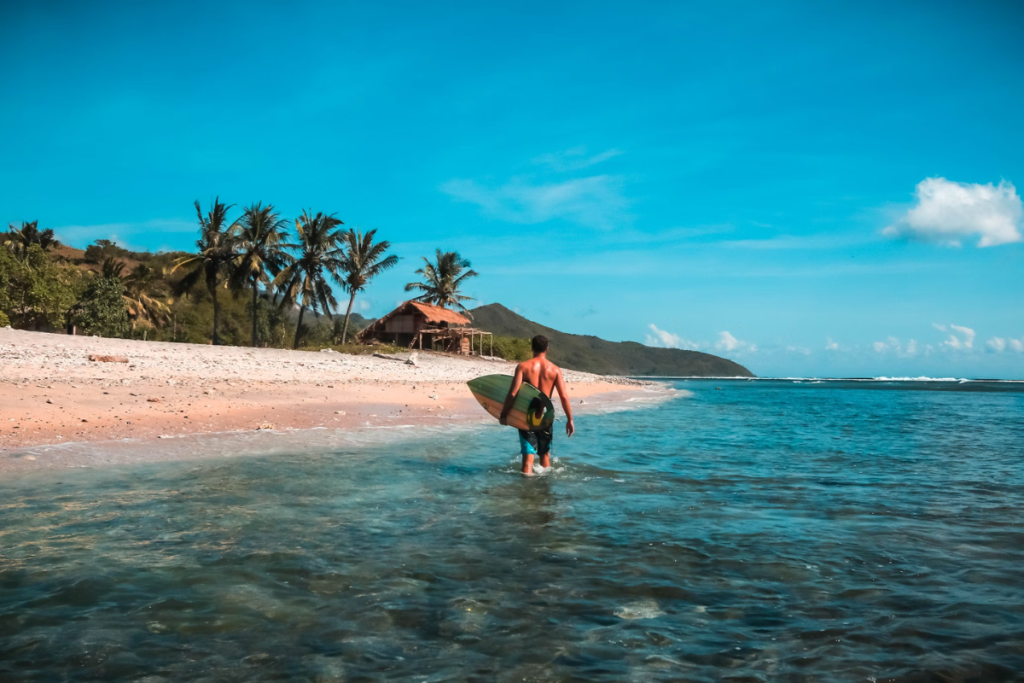
The word "hidden paradise” definitely describes and represents Lombok so well. This island might still not be as popular as Bali. According to the West Nusa Tenggara Province Central Statistics Agency, only around 4,947 - 8,652 international tourists will come to the island per month in 2024.[1]
However, you will realize you have discovered gems after visiting the island. Especially if you want a less crowded coastline with a calm and peaceful atmosphere. The nature is also still raw and authentic. It's perfect for people who want to taste a different flavor from the beaches in Bali.
Here are beach recommendations in Lombok that you can choose!
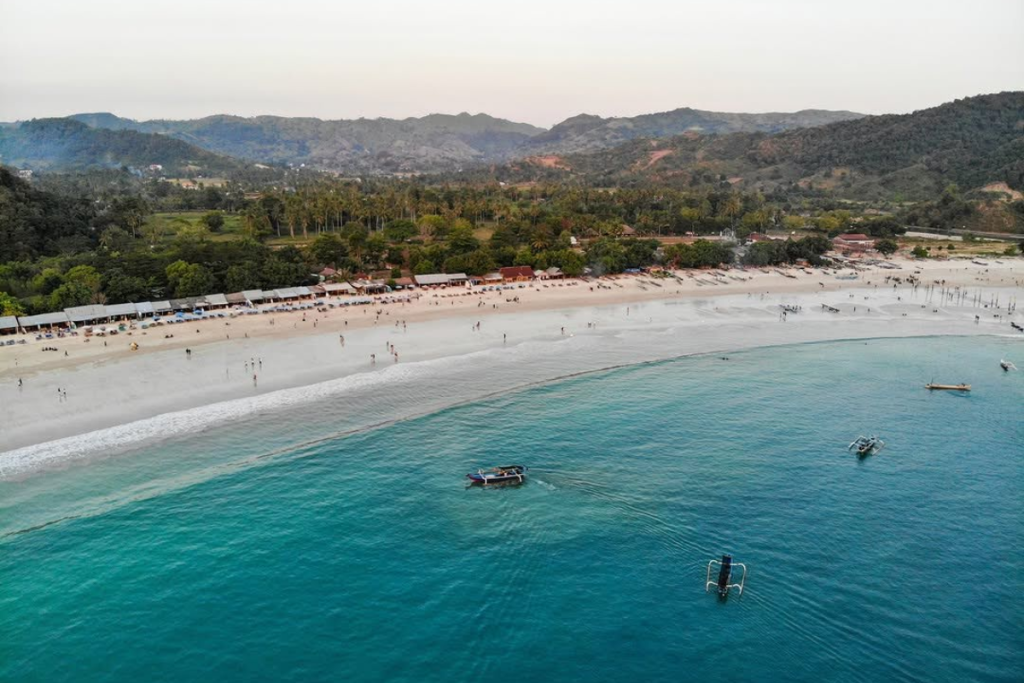
This place is definitely one of the best beaches in Lombok for swimming. You can even snorkel if you swim a bit further into the middle of the ocean. There are big swells sometimes, but it's still relatively safe. The waves are perfect for beginner-level surfers who are just learning to surf.
| Location | Selong Belanak, Central Lombok |
| Opening Time | 24 hours |
| Admission Fee | IDR 10,000 (USD 0.59) |

The white sand and blue ocean will blow you away. You can chill on the seashore or stroll around while enjoying the sun and waves. Surfing class is available for beginners. If you want to visit one of the best beaches in Lombok, Kuta, consider this one. It's only a 15-minute drive away.
| Location | Pengembur, Central Lombok |
| Opening Time | 24 hours |
| Admission Fee | IDR 10,000 (USD 0.59) |
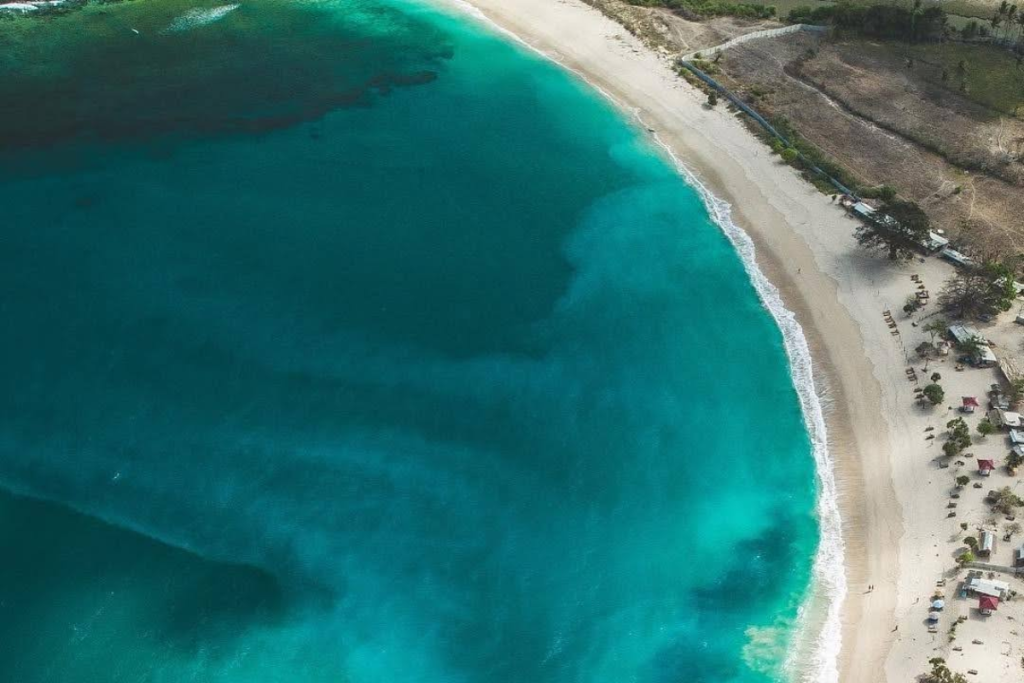
A truly hidden gem because this place rarely has visitors, except in peak season. Perfect for healing, because of the calm and peaceful atmosphere. The shore is shaped like the letter U and surrounded by hills. It looks stunning, so don't forget to bring your camera to capture the beauty.
| Location | Tumpak, Central Lombok |
| Opening Time | 24 hours |
| Admission Fee | IDR 10,000 (USD 0.59) |
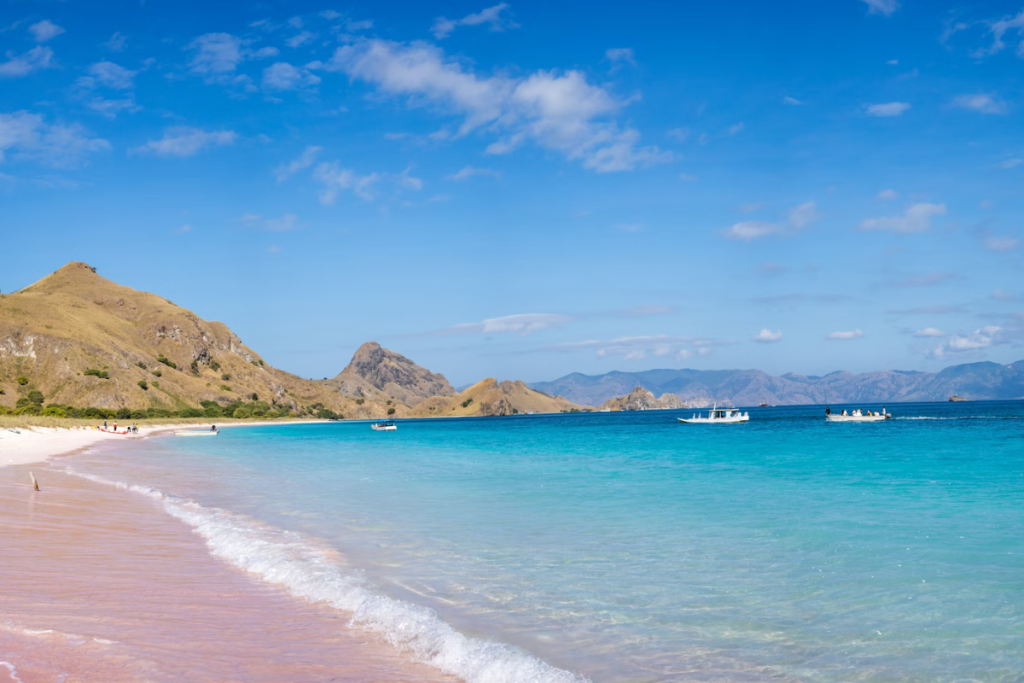
Did you know that pink sands are very rare? It only exists in a dozen places, usually in areas with large coral reef formations and organisms with red skeletons.[2] You can find one of them in Lombok. That's why you can't miss visiting Pink Beach Lombok.
Because of the coral reefs, this place is also one of the best beaches in Lombok for snorkeling and diving. So, make sure to bring your equipment here.
| Location | Sekaroh, East Lombok |
| Opening Time | 24 hours |
| Admission Fee | IDR 25,000 (USD 1.48) |
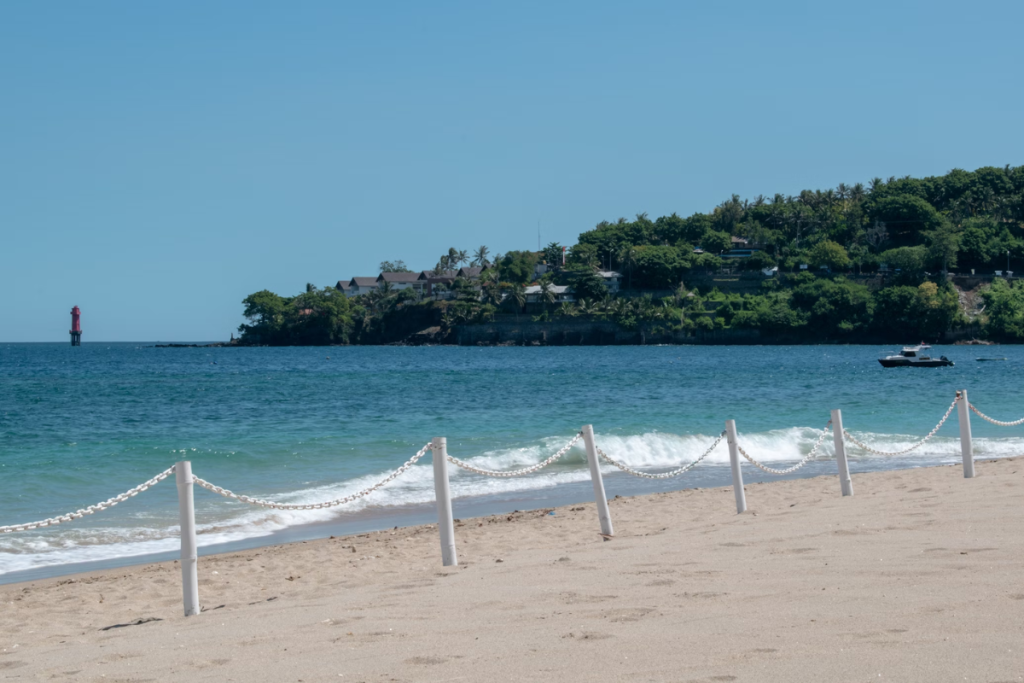
This place is a perfect mix of natural beauty and tranquility. There are multiple hills surrounding the coastline, which make it more stunning. It's one of the best beaches in Lombok for families, especially if you prefer the quiet and calm ones. The sea is relatively safe for swimming.
| Location | Batu Layar, West Lombok |
| Opening Time | 24 hours |
| Admission Fee | Free |
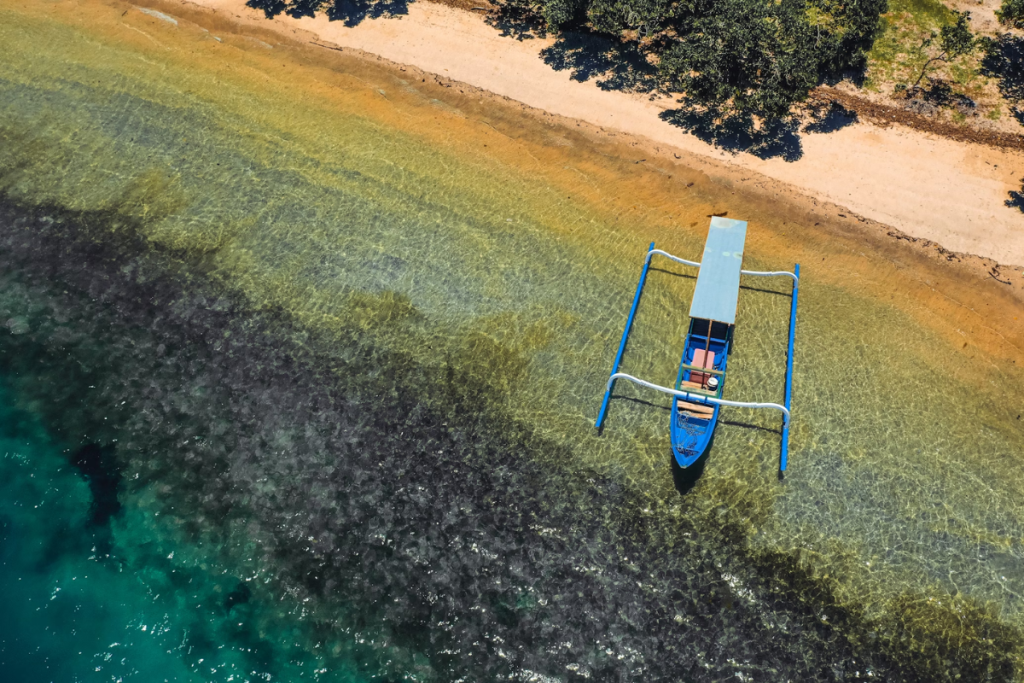
Another heaven for people who love to snorkel. The variety of coral reefs and small fish will make you speechless. You can even swim with them freely because they're very friendly. The snorkel site is also not that far, only around 15 meters from the shore.
| Location | Sekotong, West Lombok |
| Opening Time | 24 hours |
| Admission Fee | Free |
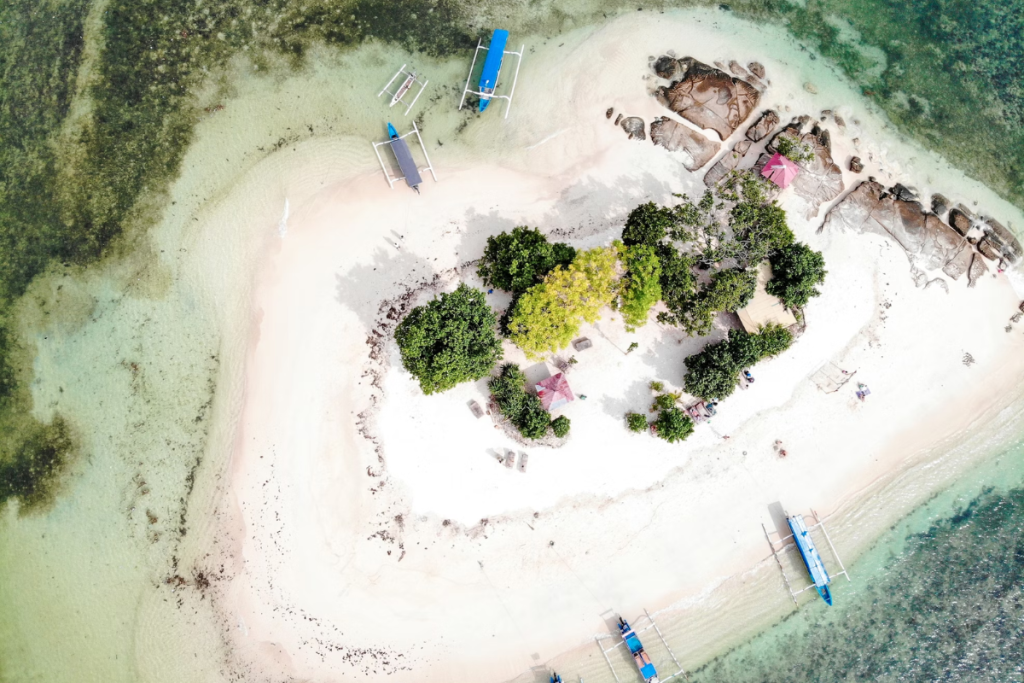
You can expect a romantic atmosphere in this place, especially during dusk. It feels like a private island, particularly if you come in the low season. The scenery will awe you because it looks so beautiful. The water also looks pristine, ideal for snorkeling.
| Location | Sekotong, West Lombok |
| Opening Time | 24 hours |
| Admission Fee | Free |
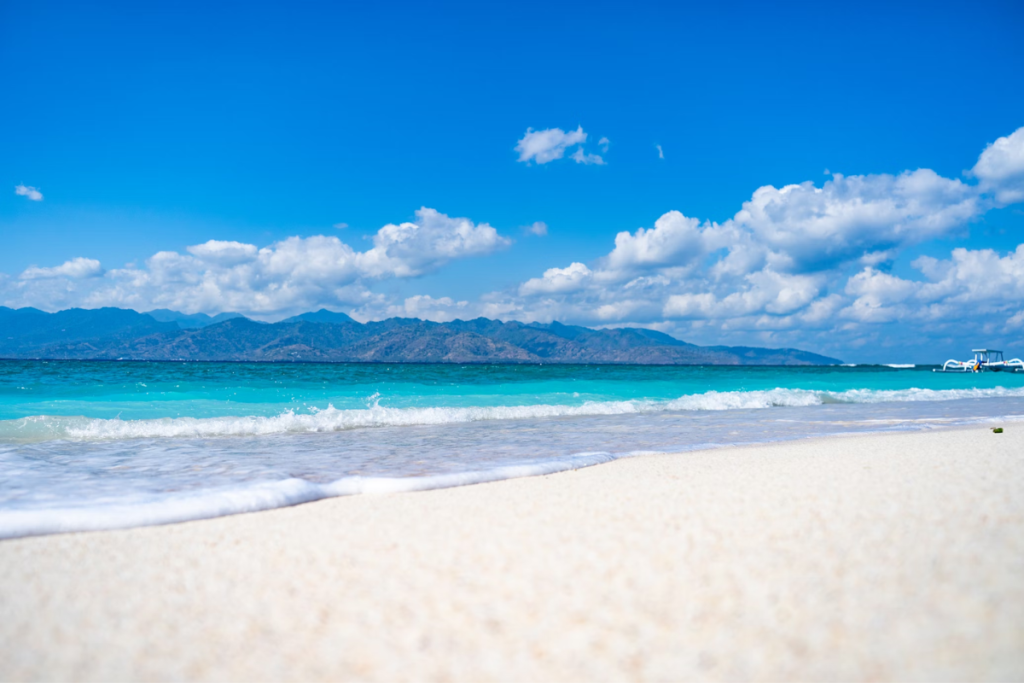
Diving and snorkeling in Gili Trawangan is a must. Aside from corals and small fish, you can also meet sea turtles here. There's a service that offers horse riding at the seaside as well. During dusk, you can enjoy the sunset while playing on the swing.
| Location | Pemenang, North Lombok |
| Opening Time | 24 hours |
| Admission Fee | IDR 20,000 (USD 1.20) |

An aerial view of Mawi Beach
Are you searching for one of the best beaches in Lombok for surfing? If so, this one is the answer. The journey to this place is challenging, but you can get a great reward after that. Aside from strong waves to surf, you can also enjoy the relaxing scenery of nature.
| Location | West Praya, Central Lombok |
| Opening Time | 24 hours |
| Admission Fee | IDR 10,000 (USD 0.59) |
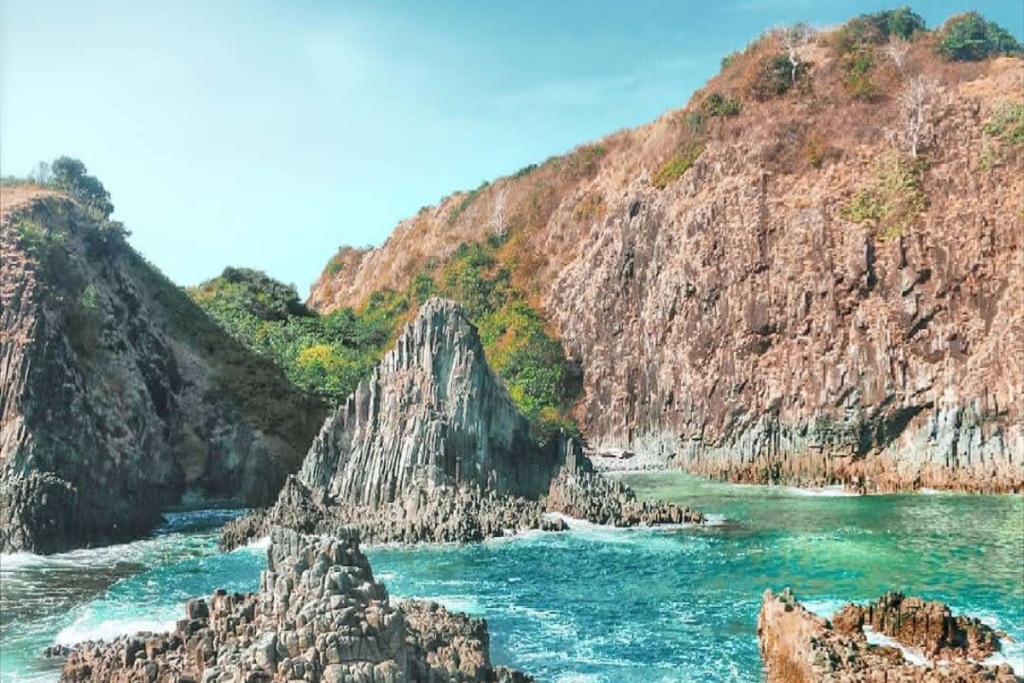
Another hidden paradise for surfers, especially if you prefer less crowded ones. This place still feels raw and exotic with multiple dramatic cliffs. The water also looks crystal clear. The road might be challenging to reach this place, but it's very worth a visit.
| Location | West Praya, Central Lombok |
| Opening Time | 24 hours |
| Admission Fee | IDR 10,000 (USD 0.59) |
To make your trip more enjoyable, you can pay attention to these tips!

Have you already decided which are the best beaches in Lombok for you? To help you create unforgettable memories, Lombok Touristic offers the most ideal plans and itineraries. There are a lot of Lombok Tour Packages that you can choose from. So, are you ready to spend your holidays with us?
Have you already decided on the destination for your next escapade? If not, spending your vacation on a tropical island can be a good choice. Knowing how to get to Lombok is essential for people who love an anti-mainstream spot with many hidden gems.
Fast boats, planes, and ferries are the main gateway to the island. Find out the fare, how long it takes to get there, and the routes so you can move like a pro here!
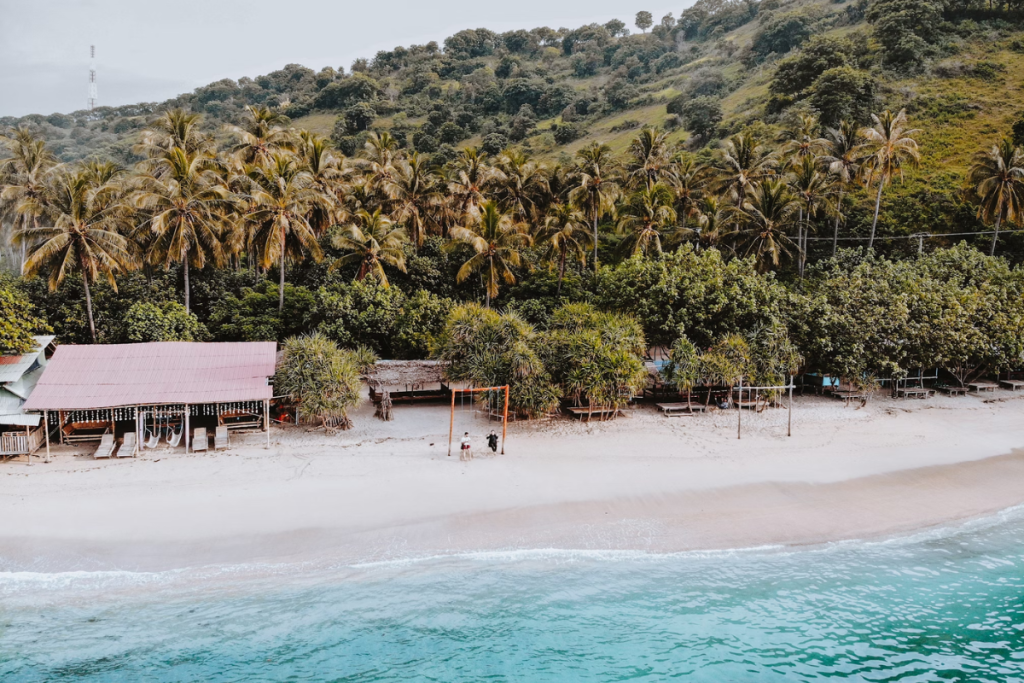
Lombok is an exotic island located in Indonesia, Southeast Asia. It borders the Indian Ocean on the south, Flores Sea on the north, the Atlas Strait on the east, and Lombok Strait on the west. The straits separate Lombok from two neighboring islands: Sumbawa and Bali.
Due to its close proximity to Bali, Lombok has become an exotic destination that is starting to rise lately—thousands of foreign tourists are entering Lombok every month in 2024. The lowest number is around 4,974 visitors in November 2024, while the highest number is around 8,652 visitors in July 2024.[1]
People who want to avoid crowds in Bali start to seek some alternatives, and most of them choose Lombok. It offers you natural beauty that can rival Bali. The presence of the Mandalika Circuit for MotoGP also makes this place more charming.

Do you know where to fly to get to Lombok? Here's the complete guide for people still clueless about that!
Lombok has an international airport called Praya Airport, which most people also know as Lombok International Airport (LOP). Direct international flights to LOP exist, but they're still limited. You can take a direct flight here from Kuala Lumpur Airport (KUL) and Singapore Changi Airport (SIN).
From Kuala Lumpur, you can take flights using AirAsia or Batik Air. The flight time is around 3 hours and 10 minutes. From Singapore, you can take flights using Scoot. The flight time is around 2 hours and 45 minutes.
For people who live outside Malaysia and Singapore, connecting flights are available via I Gusti Ngurah Rai Airport (DPS) in Bali or Soekarno-Hatta Airport (CGK) in Jakarta. The flight time from Bali to Lombok is around 40 minutes, while from Jakarta, it is around 2 hours.
If your country has direct flights to Bali, it's better to fly straight to DPS, such as:
You can take flights from multiple airlines, such as AirAsia, Garuda Indonesia, Jetstar, Batik Air, Citilink, etc.
If you are already spending your vacation in Bali, there's an easier travel guide to Lombok for you. Here's how to get to Lombok from Bali, which you need to know!
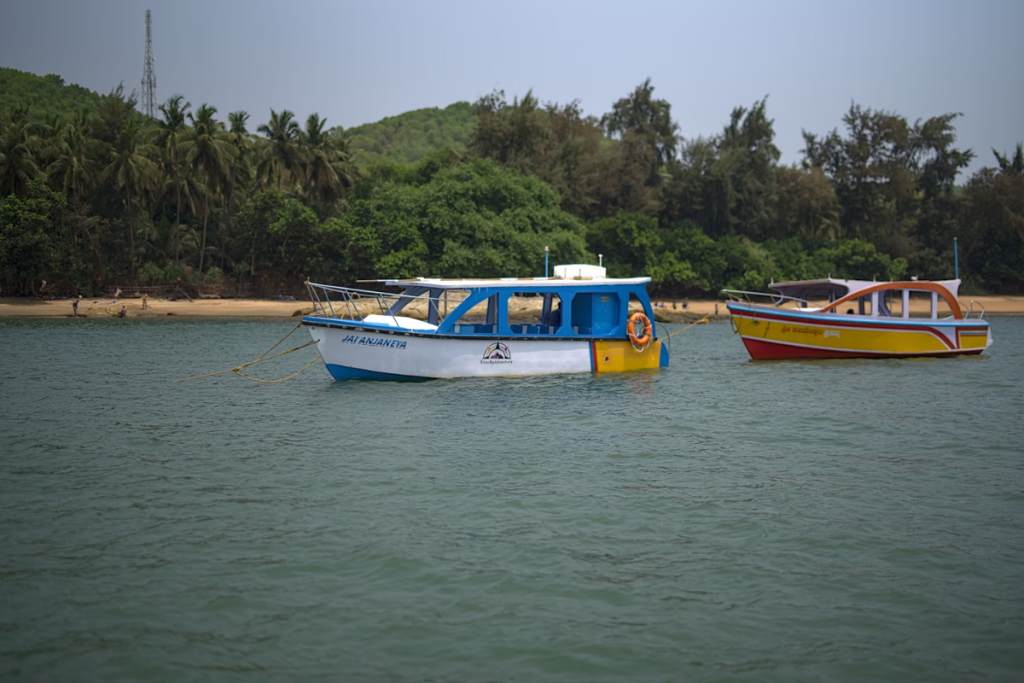
For people who love island-hopping activities, Bali Lombok fast boat is definitely a good choice. During the trip, you can enjoy the astonishing scenery. The travel time is also not long, it's only for 1,5 - 3 hours. The fare usually starts at USD 35 per one-way trip, which is worth the price.
Then, how to get to Lombok by fast boat? Here are the operators and the routes you have to take while using the fast boats!
Each operator has their own route, so pay attention to it. Padang Bai is located in Karangasem, while Sanur and Serangan are in Denpasar. Nusa Penida and Nusa Lembongan are smaller islands near Bali. Bangsal is located in North Lombok, while the Gili Islands are smaller islands near Lombok Island.
You can use the shuttle service and a fast boat from Lombok Touristic to avoid confusion. We will pick you up from the hotel in Bali, manage fast boat tickets, give you free mineral water, and provide free porter service to the boat.

As mentioned before, traveling by plane is the fastest way to get to Lombok. You only have to travel from Ngurah Rai Airport (DPS) to Praya Airport (LOP) for 40 minutes. Perfect for those of you who didn't have too much time. The fare usually starts from USD 127.
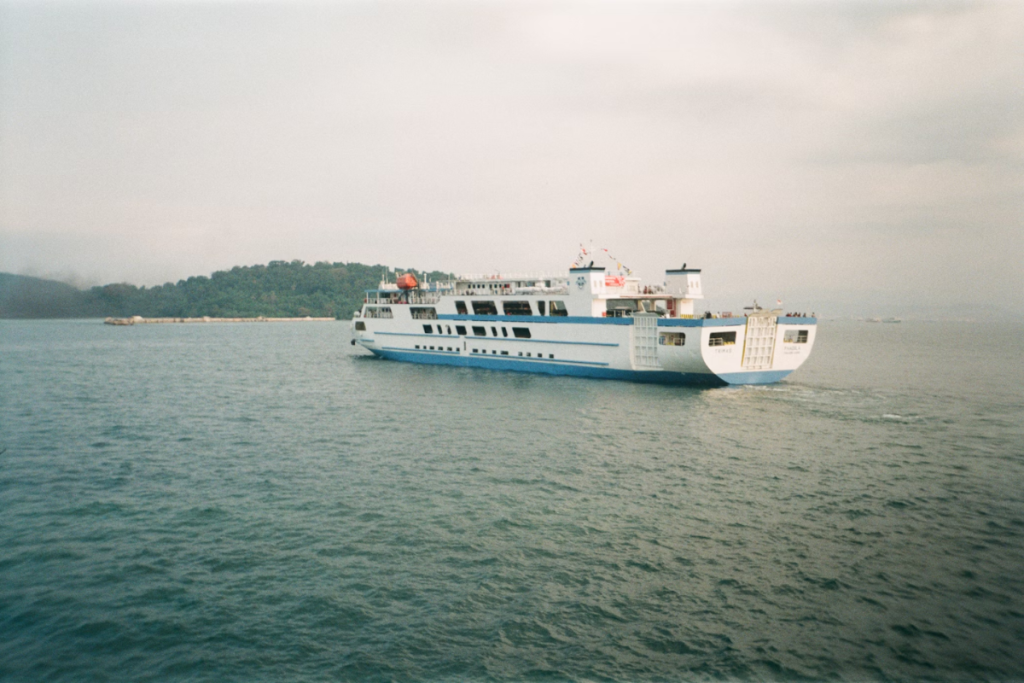
Bali to Lombok ferries are also for people with tight budgets, which are perfect for backpackers. However, it usually takes a longer travel time, around 4-5 hours. You also have to wait longer for unloading. The facilities are also incomplete, so bring something to eat, such as tissue and toiletries.
The ferry sails from Padang Bai to Lemba every 3 hours. Tickets are available at the port and cost around USD 4.47 per trip.

A woman sits in a car and holds a key
After landing at the airport or at the port, you can get around Lombok by taxi. You can also rent a motorcycle or car while traveling to save more money. But, if you want a more comfortable choice, consider choosing some tour packages.
Lombok Touristic offers you multiple interesting Lombok Tour Packages. So, you can travel comfortably without needing to think about the Lombok travel itinerary. We will take care of everything for you, so you can focus on chilling and healing on this exotic island.
To make everything more comfortable and to avoid problems, make sure to follow the travel tips below!
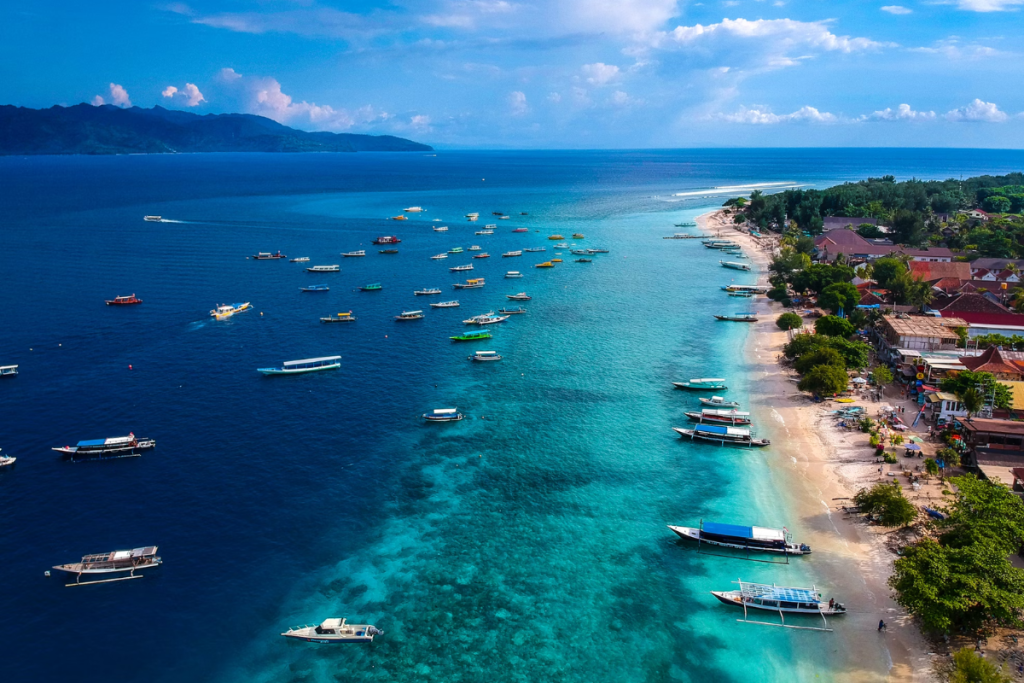
After knowing how to get to Lombok, have you already decided which way suits you the best? You can pick based on budget, travel time, or comfort. To have the best vacation experience, you can travel with Lombok Touristic!
Are you planning to visit Bali soon? If so, the first thing you need to know is how to get to Bali, including information about flights, visas, travel costs, travel tips, etc. All of that information is vital because it can vary depending on your origin.
Here's the travel guide from around the world so you can easily go on vacation!

Bali is an island in Southeast Asia. Although the island is not huge, there are reasons why most Bali destinations are popular with tourists.
In 2024 alone, around 6,333,360 international tourists vacationed in Bali.[1] This number increased from 5,273,258 visitors in 2023.[2] Most people travel here to enjoy the beauty of nature, from coastlines to mountains.
On the coastline, Bali beaches can make you speechless, from big waves for surfing to the marine biodiversity life with astonishing views under the sea. The mountain areas are no less attractive. You can hike, trek, or have a jeep tour while savoring nature.
This island is also perfect for relaxing, because it's famous for its spa. So, trying Balinese massage is a must. You can also learn local customs, considering Bali is rich in culture. From traditional Balinese dance performances to exploring the local markets, Bali offers a rich cultural experience.
This island is known as the God’s Island, considering its strong Hindu influence. There are many Pura (temples) all over the island, making it perfect for people who want to have spiritual journeys.

What is the best way to reach Bali? Most of you are probably wondering about it. The best way, as well as the quickest way to get to Bali, is by using a plane. I Gusti Ngurah Rai Airport (DPS) is the main gateway to the island.
Here's how to get to Bali from Australia and New Zealand!
Take a direct flight from Melbourne Airport (MEL).
Take a direct flight from Auckland Airport (AKL).
Here’s how to get to Bali from the US and Canada!
The cheapest way to fly to Bali from the US is to take flights from Los Angeles Airport (LAX) to Incheon Airport (ICN). So, you can't go straight from LAX to Bali. Transit in Seoul first before taking flights to Ngurah Rai Airport.
If you want the cheapest flights, fly from John F. Kennedy Airport (JFK) to Hong Kong Airport (HKG). Transit in Hong Kong before taking flights to Ngurah Rai Airport.
If you want the cheapest ones, take flights from Vancouver Airport (YVR) to Hong Kong Airport (HKG). Transit in Hong Kong before taking flights to Ngurah Rai Airport.
Here’s how to get to Bali from Europe, especially from London and Paris!
The best route is from Heathrow Airport (LHR) to Baiyun Airport (CAN). Transit in Guangzhou before taking flights to Ngurah Rai Airport.
The best route is from Charles de Gaulle Airport (CDG) to Pudong Airport (PVG). Transit in Shanghai before taking flights to Ngurah Rai Airport.
Most countries in Southeast and East Asia have direct flights to Bali, and some countries in the Middle East and South Asia also have direct flights.
Take a direct flight from Incheon Airport (ICN).
Take a direct flight from Changi Airport (SIN).
Take a direct flight from Dubai Airport (DXB).
Take a direct flight from Indira Gandhi Airport (DEL).
If you come from Africa, here's the guide!
The best route is from Cairo Airport (CAI) to Dubai Airport (DXB). Transit in Dubai before taking flights to Ngurah Rai Airport.
The best route is from Kotoka Airport (ACC) to Dubai Airport (DXB). Transit in Dubai before taking flights to Ngurah Rai Airport.
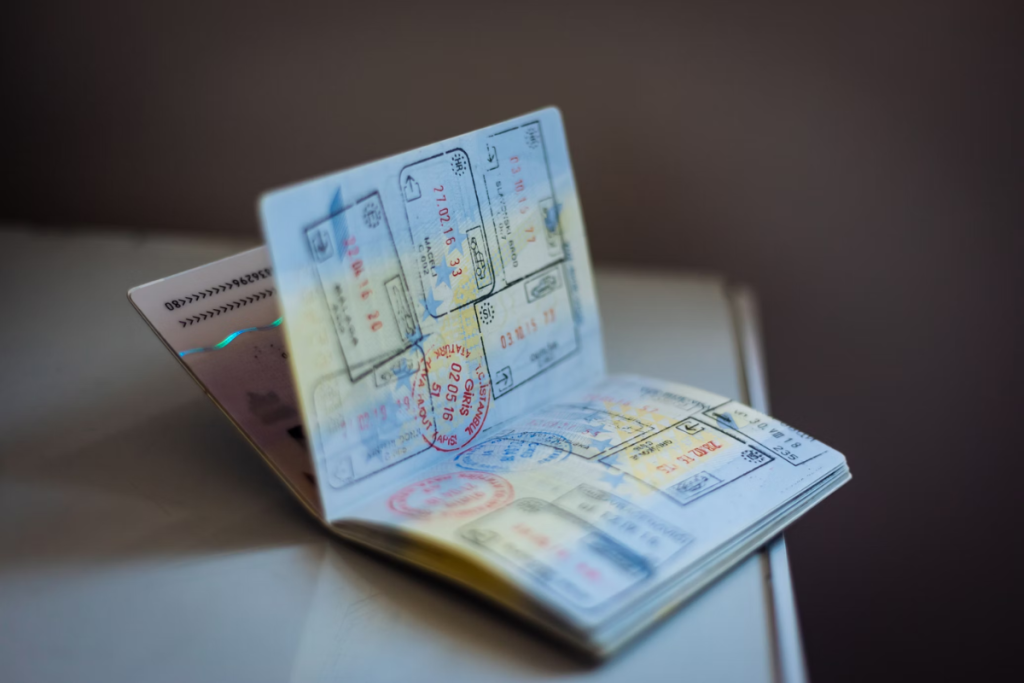
Around 86 countries are eligible for a visa-on-arrival, including the USA, Australia, England, France, Singapore, Thailand, South Korea, Japan, etc.[3] The fee is around IDR 500,000 (USD 29.73), and it is free for Southeast Asian citizens. You can apply for an e-visa and check your eligibility at e-Visa Imigrasi.
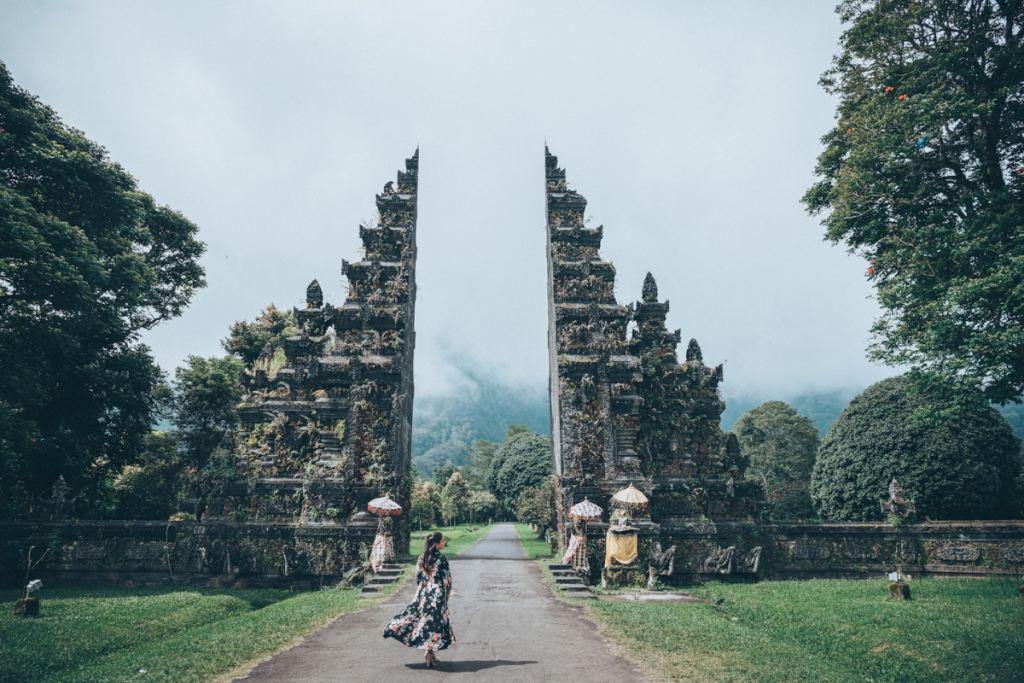
After knowing how to get to Bali from around the world, are you ready to go on vacation? As a tip, you can get Bali Tour Packages at Lombok Touristic to travel more easily. We will plan your most exciting tour, so contact us now!
Most people will agree that Bali has stunning coastlines. So, if you're curious about the best beaches in Bali, the answers are very varied. It will depend on your preferences, favorite activities, ambiance, atmosphere, etc. Each place offers you distinct things, truly paradises that serve ultimate bliss.
Here are recommendations for creating remarkable experiences! You can also find out why the island is perfect for exploring coastal areas and some tips before visiting them.
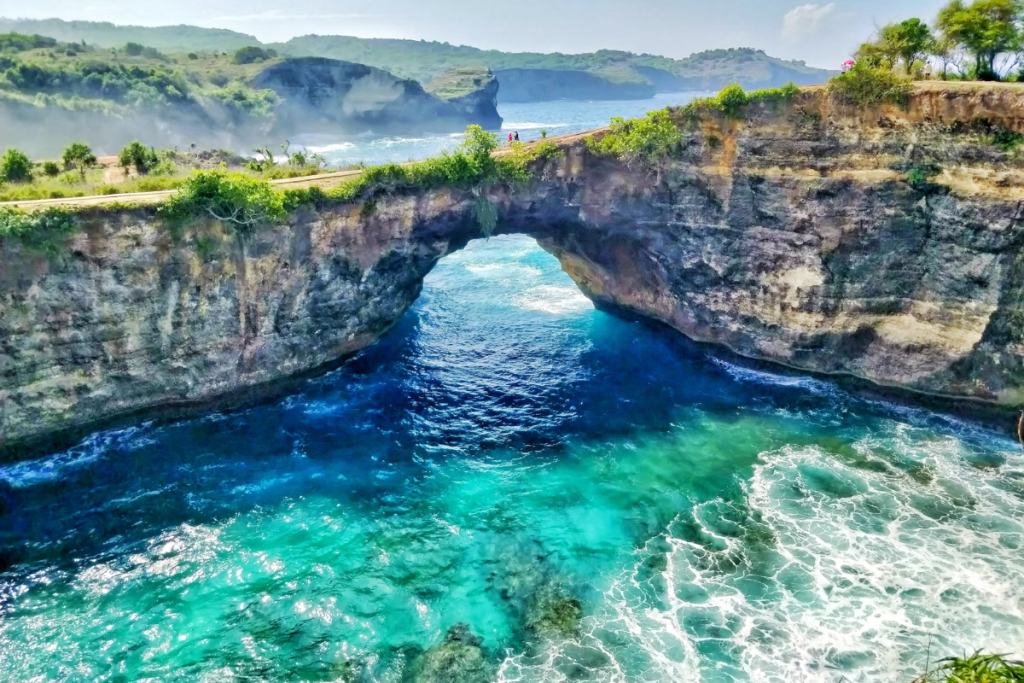
Indonesia has a long coastline—the second-longest in the world. It stretches from Sabang to Merauke and is around 99,083 km (61,567 miles) long.[1] The Bali coastline is around 593 km (370 miles) long.[2] It is right between the Indian and Pacific Oceans, so the beauty is unmatched.
Interestingly, Bali offers a variety of coastal areas that cater to different audiences. The south coastal area is a hub for surfing and partying, while the north and east coastal areas are perfect for those who prefer a raw nature and calm atmosphere. This diversity ensures that Bali has something for everyone, regardless of your beach preferences.
After knowing the reasons, are you ready to find out which Bali beaches suit you the most? Here are the top 10 recommendations just for you!
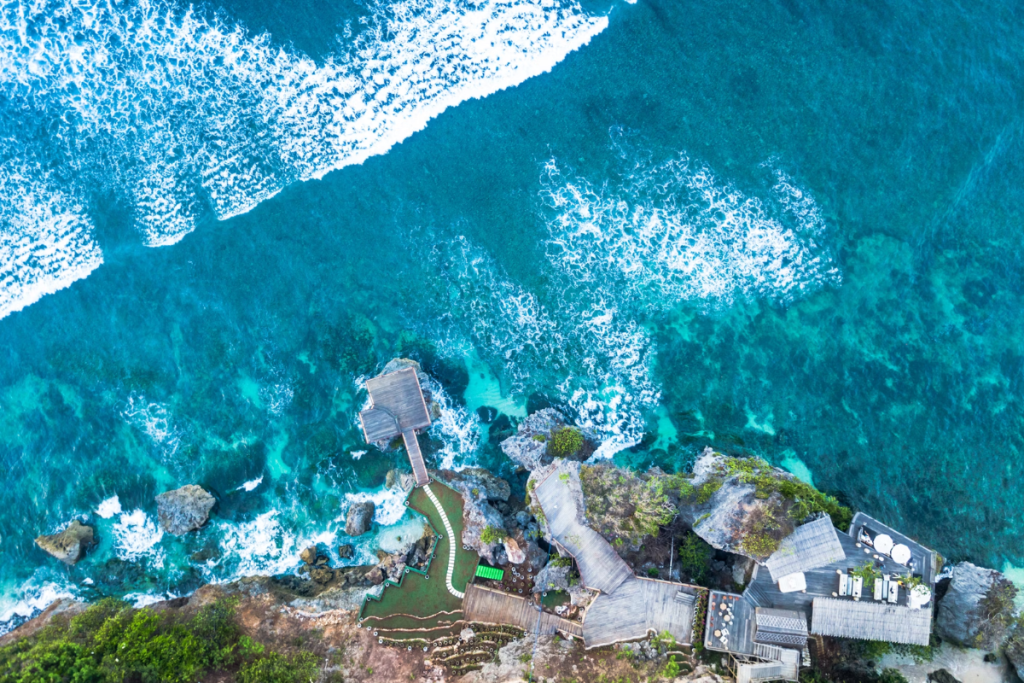
The beauty of this place has already been captured on the silver screen with Eat, Pray, Love. Julia Roberts, Javier Bardem, and James Franco starred in the movie. So, it's probably one of the most Instagrammable beaches in Bali.
This place's main attraction is the clean white sands and pristine water with great swells. It's perfect for surfing and strolling around in the afternoon. There are a lot of monkeys, but they're calm and friendly.
| Location | Pecatu, Badung |
| Opening Time | 24 hours |
| Admission Fee | IDR 25,000 (USD 1.48) |
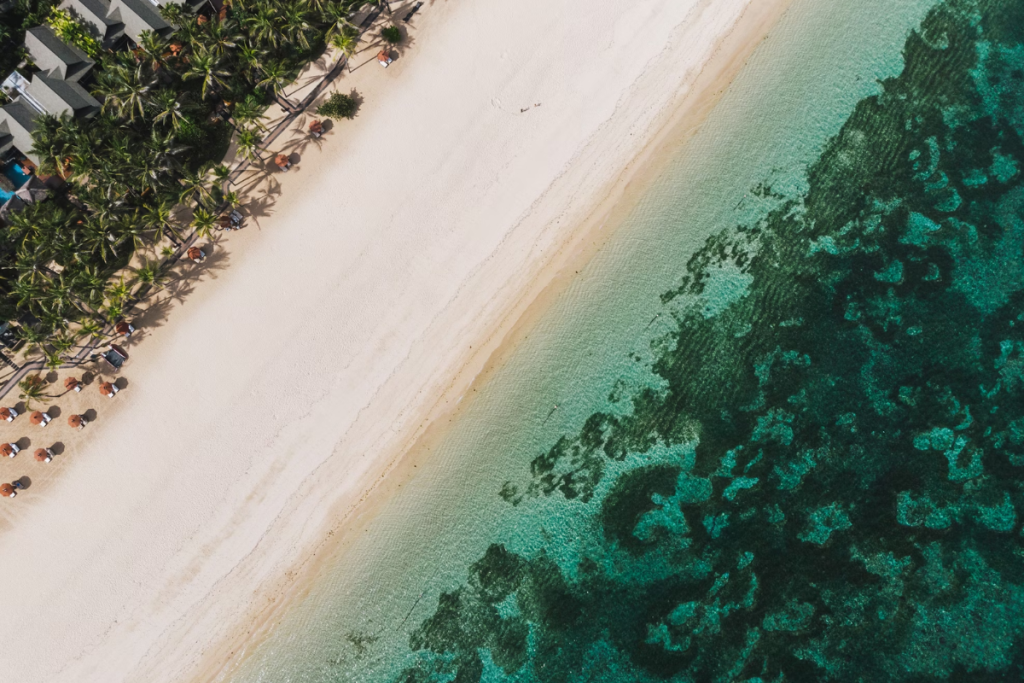
If you are looking for the best beaches in Bali for families, this is one of them. The sand is white and clean. The ocean is pristine, and the swells are not that big. It is perfect and safe for kids.
This beach is also located in a strategic and semi-private area near luxurious resorts, making it one of the best beaches in Bali for couples and perfect for a honeymoon.
| Location | Nusa Dua, Badung |
| Opening Time | 24 hours |
| Admission Fee | IDR 5,000 (USD 0.29) |
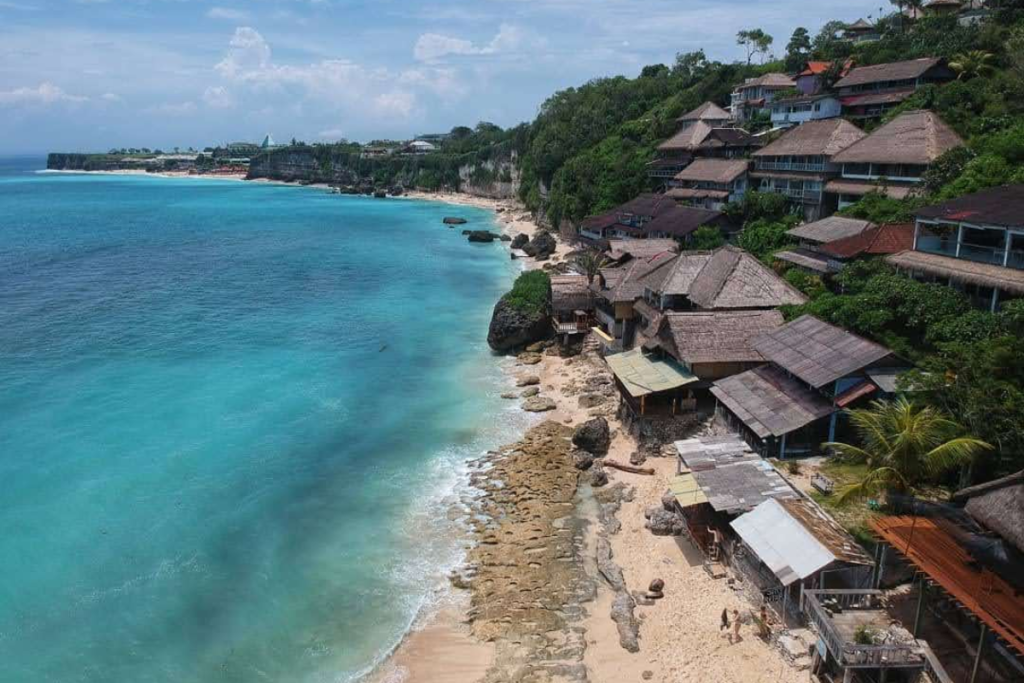
Are you searching for an ideal place for a hidden escape? This place is a terrific choice. The coastline is not that crowded, and it offers you an astonishing view. The main attraction is the cliff-rock in front of the ocean. For surfers, the swells are heavenly as well.
| Location | Pecatu, Badung |
| Opening Time | 24 hours |
| Admission Fee | Free |
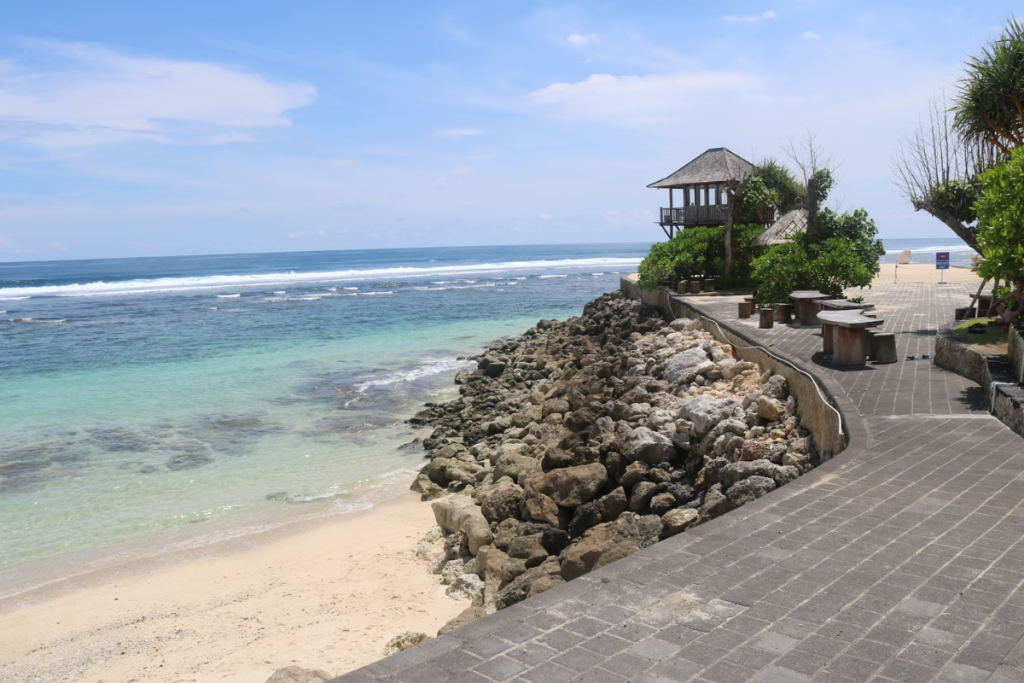
This place's combination of dramatic cliffs and white sand is worth a visit. Barrier reefs protect the coastline from big swells, making it one of the best beaches in Bali for swimming and snorkeling. Sometimes, cultural events are held in this place.
| Location | Ungasan, Badung |
| Opening Time | 24 hours |
| Admission Fee | IDR 25,000 (USD 1.48) |
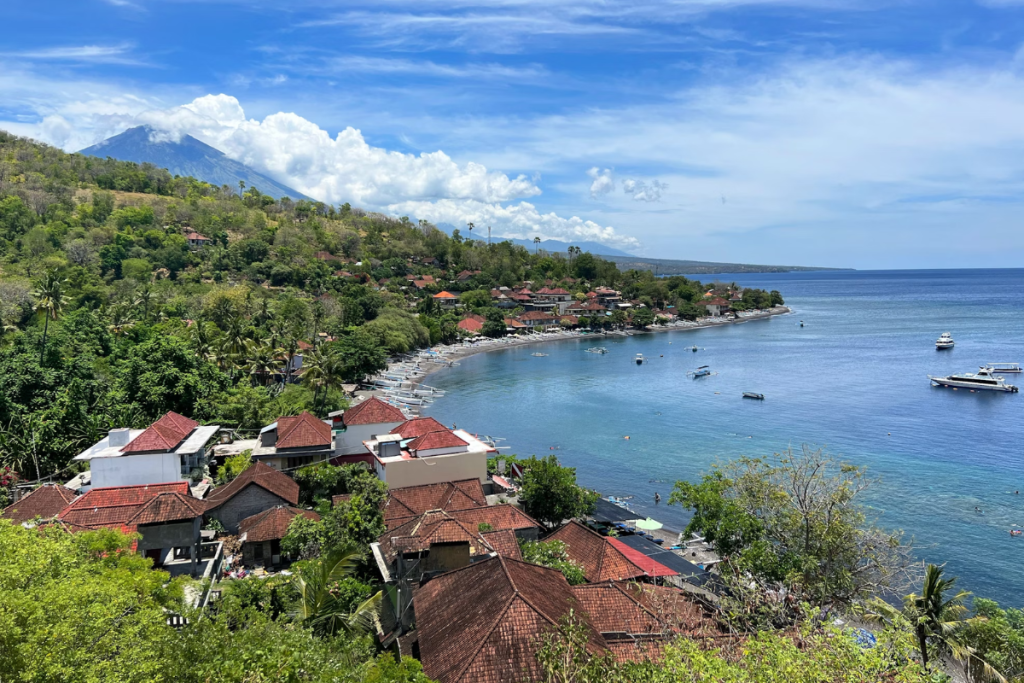
Definitely one of the best beaches in Bali for snorkeling. You can even go diving here. The water is clean, so you can enjoy the view of gorgeous coral reefs and thousands of small fish. Aside from underwater views, the scenery above is ravishing as well. There's a panorama of Agung Mount with a local vibe.
| Location | Abang, Karangasem |
| Opening Time | 24 hours |
| Admission Fee | IDR 20,000 (USD 1.18) |
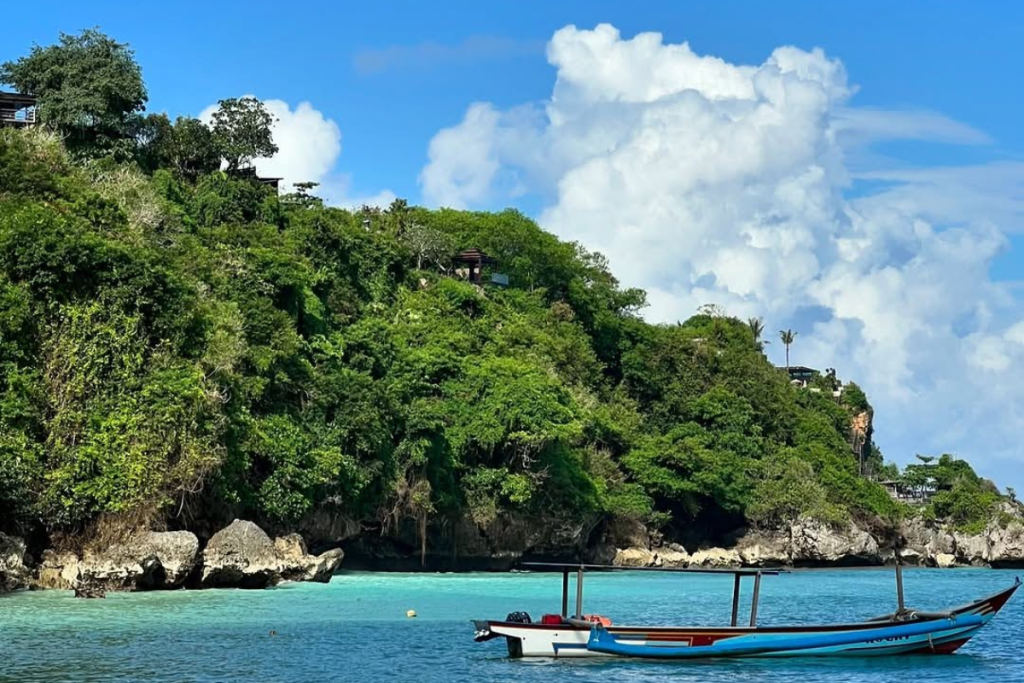
For adventure seekers who love anti-mainstream choices, this place is the one for you. The coastline is less crowded, but it's not erasing the fact that a stunning panorama fulfills your range of vision. It's perfect for swimming and sunbathing.
| Location | Pecatu, Badung |
| Opening Time | 24 hours |
| Admission Fee | Free |
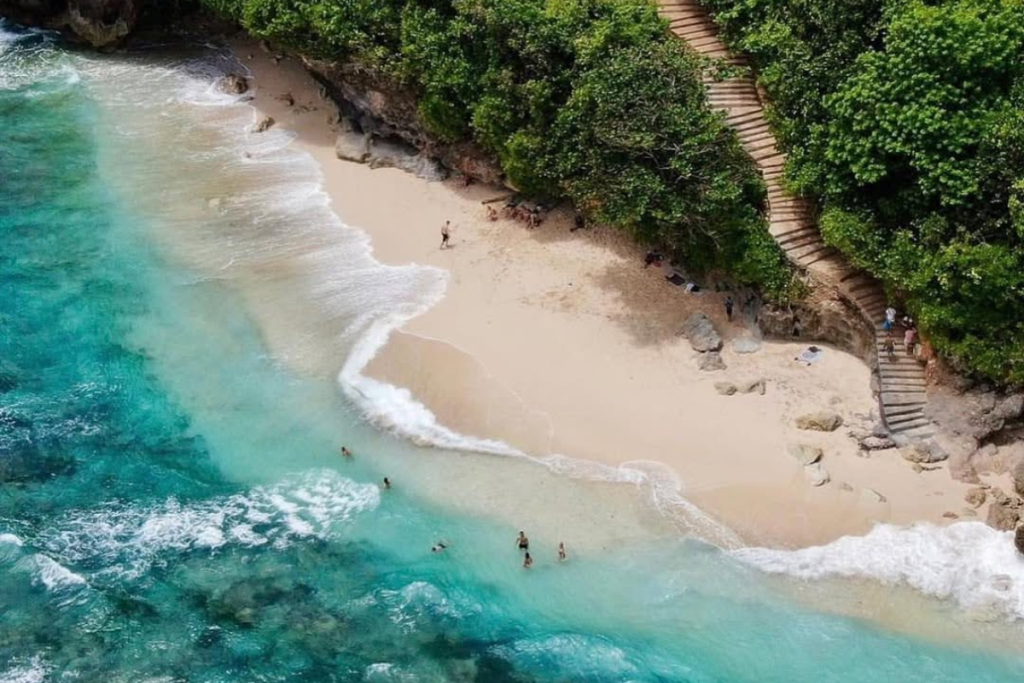
This place is definitely a hidden gem in Bali, perfect for people who love adventure. To reach the coastline, you have to go up 325 stairs. However, there's a reward that will pay for all your hard work. The nature is still raw, so you can see a lot of monkeys in caves near the place.
| Location | Ungasan, Badung |
| Opening Time | 24 hours |
| Admission Fee | IDR 5,000 (USD 0.29) |
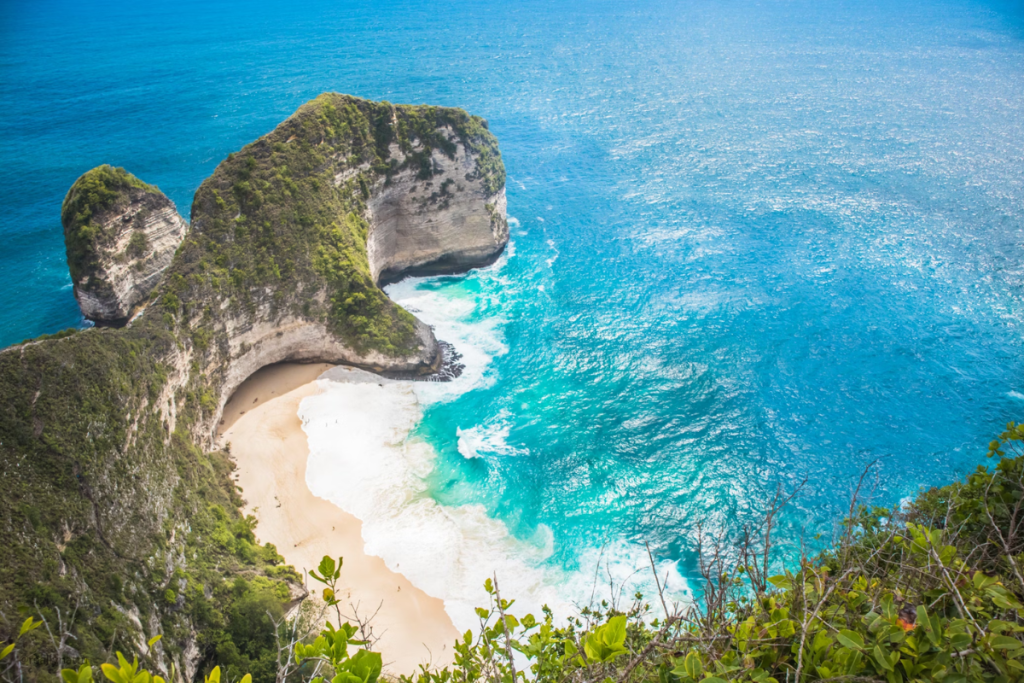
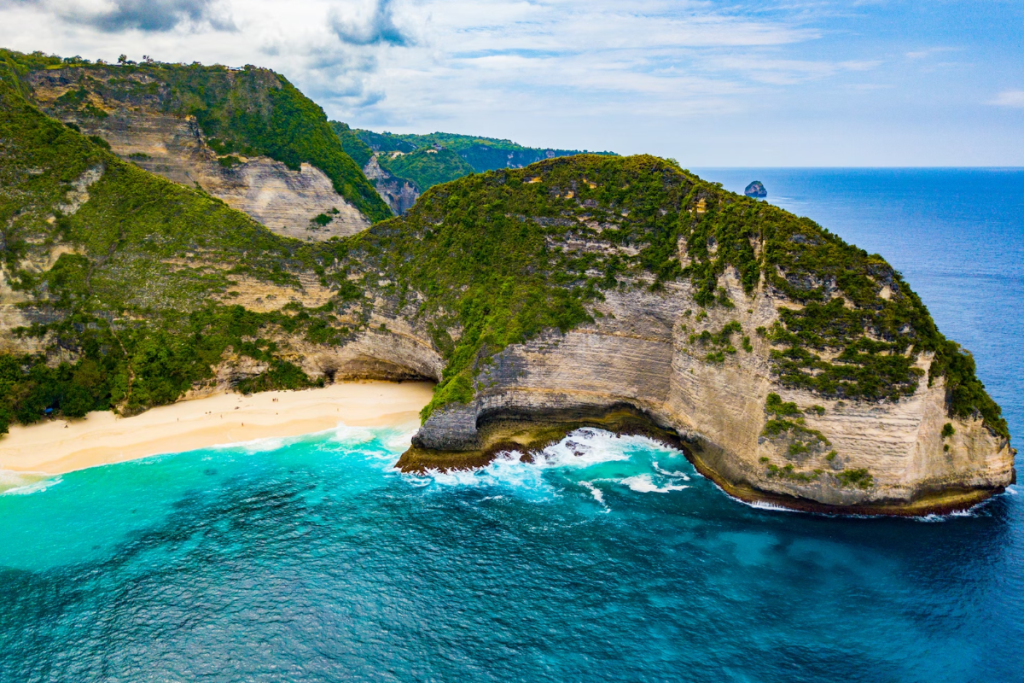
The iconic place that's famous on Instagram. Perfect for adventurers who love to trek. This is because the scenery looks the best when you see it from above. In front of the ocean, there's a T-Rex-shaped cliff. That's definitely the main attraction of this place.
However, it's not situated on a big island. You can cross to a smaller island called Nusa Penida. So, it's perfect for people who love island hopping.
| Location | Nusa Penida, Klungkung |
| Opening Time | 24 hours |
| Admission Fee | IDR 5,000 (USD 0.29) |
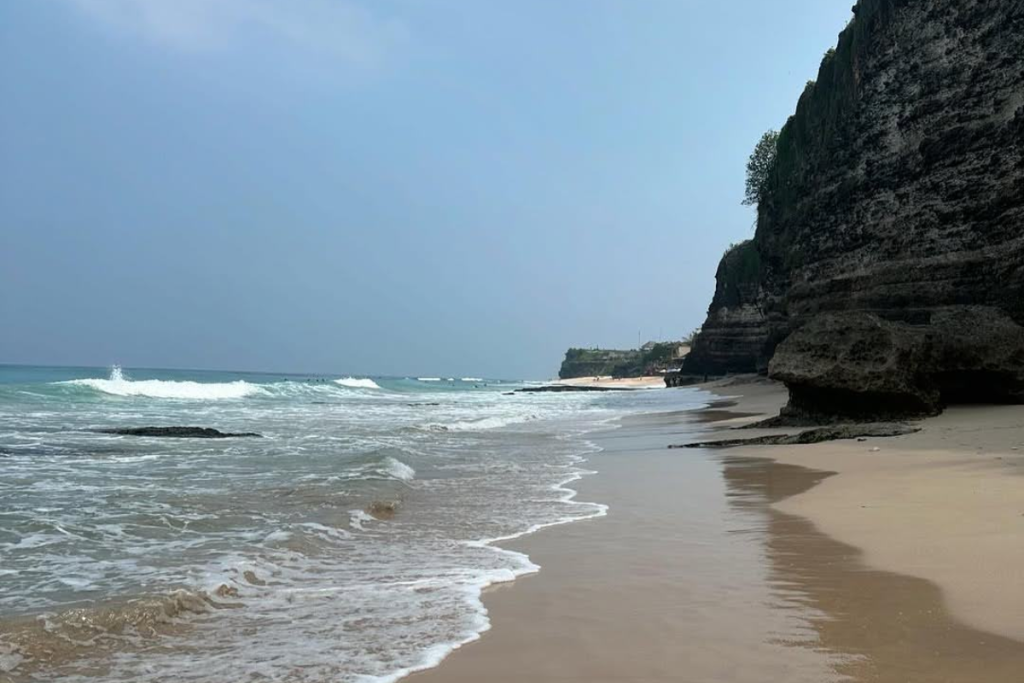
Surfers will love this place because the swells are big and strong. It's also a paradise for sunset hunters because the scenery is to die for. The coastline is situated near Uluwatu Temple. So, make sure to visit the temple when you're coming here.
| Location | Pecatu, Badung |
| Opening Time | 24 hours |
| Admission Fee | IDR 10,000 (USD 0.59) |
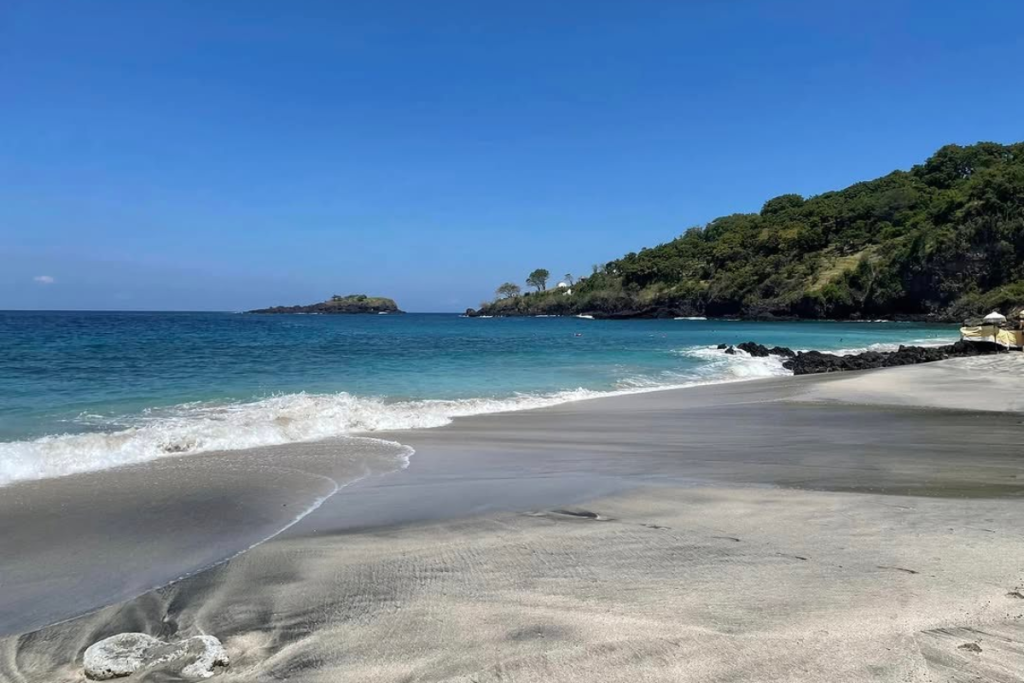
This place is coming straight from paradise. The vibe is still natural, and the atmosphere is so calm. Perfect for chilling and healing. You can sunbathe on the coastline or stroll around and meet with some local fishermen.
| Location | Manggis, Karangasem |
| Opening Time | 24 hours |
| Admission Fee | IDR 20,000 (USD 1.19) |
To have the most incredible experience and to avoid problems, here are some tips for you before visiting the beaches in Bali!
Then, which are the best beaches in Bali that match your preferences? You can visit one or more places to widen your experience. To explore it better, you can take Bali Tour Packages and travel with Lombok Touristic. So, call us right away to create a perfect plan and arrange itineraries for you!
Timing matters in all aspects of life, including when you're planning a vacation. If you pick the best time to visit Bali, your escapade will be more enjoyable. Imagine perfect weather, seasons, temperature, etc. Believe it or not, it can affect your adventure while traversing the island.
As stated by the Bali Province Central Bureau of Statistics, the tourist traffic from abroad is almost always high every month. However, the surge occurred from July to August. For example, 625,569 international tourists came to Bali in July 2024. August follows right behind with 613,540 tourists.[1]
But is it true that July and August are the best months to visit Bali? Find out in the thorough and helpful guide below!
Did you know that the timing of your visit to Bali can significantly influence the activities you can experience? Choosing the right time is key to ensuring your holiday is filled with enjoyable activities and free from potential obstacles.
When planning your Bali trip, several key factors must be considered. These include weather conditions, the level of tourist crowds, your budget, and the timing of cultural events. The following sections will provide detailed information on these factors to help you make informed decisions.
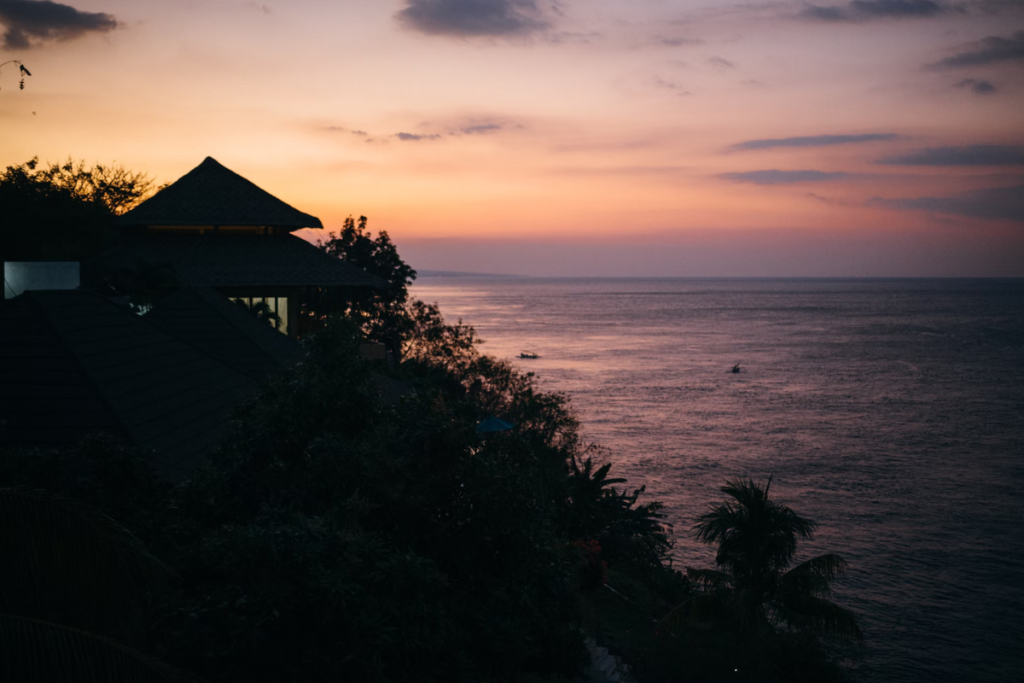
Bali is located on the equator and has only two seasons: dry and rainy. Because of climate change, each season's start and end can differ from year to year.
As stated by the Indonesian Meteorology and Geophysics Agency, the dry season in 2025 will start around April to June, and the peak is in August.[2] The rainy season might occur at the same time as last year. It starts around October and peaks in January to February.[3]
This season is the best time to visit Bali with family or friends, especially if you want to do outdoor activities. There's little to no rain during the dry season in Bali, and the temperature is usually hotter and drier. It's perfect for chilling on the beach, hiking to the mountains, or island hopping.
July to August are the high seasons. Most tourists visit the island during these months. They are the peak of the dry season, so the sun is sunny and warm, perfect for sunbathing. You can also find many events and activities that only occur during these months.
However, you have to prepare a larger budget because plane tickets and hotel rates will usually be more expensive. Tourist destinations will also be more crowded. If you want a peaceful vacation, make sure to avoid this season.
This season is definitely the best time to visit Bali for a honeymoon, because the weather and atmosphere feel more romantic. It's a perfect time to relax with your loved one. The season is also ideal for travelers who have a limited budget, because the plane tickets and hotel rates tend to be cheaper.
During the rainy season in Bali, it usually rains a lot. But, some days the weather can also be sunny. It's so flexible, so make sure to read the forecast. There's also no extreme change regarding the temperature, it's always around 21°C (69,8°F) - 35°C (95°F) throughout the year.[4] But, it will be more humid.

So, have you found out what months are best to stay in Bali? If not, here is more information for you!
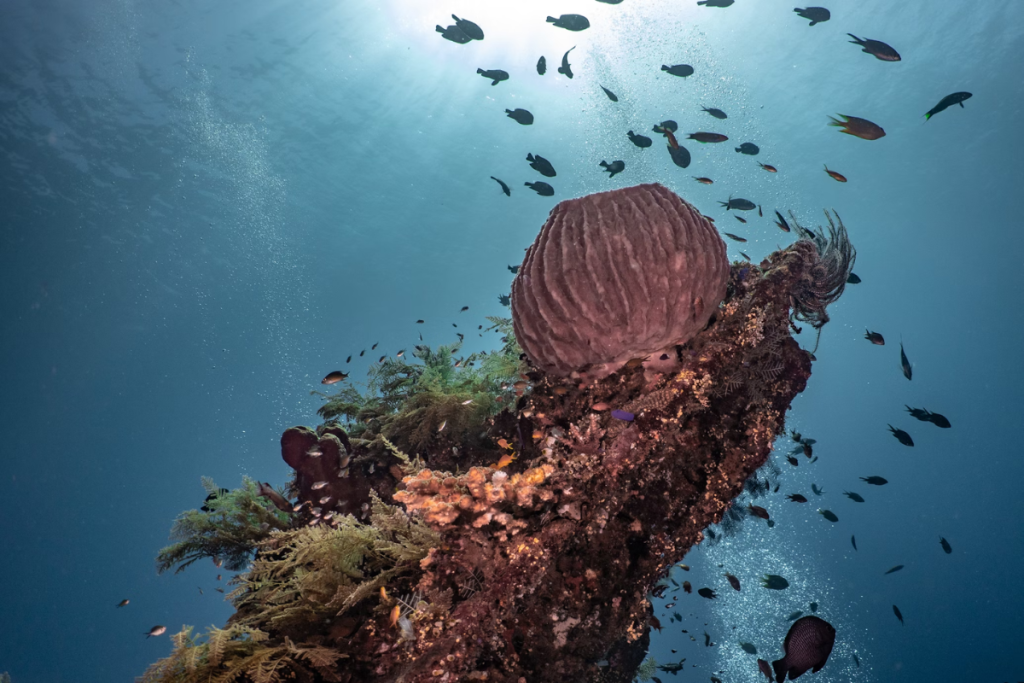
After getting to know the Bali weather by month, you can also pick a time that suits your activities.
Here are the lists!

Is there a worst time to travel to Bali? It depends on your situation. If you detest crowds and expensive things, avoid peak season. As a tip, book flights and hotels early. You also need to avoid long international weekends.
Bali also has an annual feast called Nyepi Day. All activities are completely closed during that day, so you can't do anything. The date changes every year. For 2025, it falls on March 29 - 30. For 2026, it falls on March 19-20.
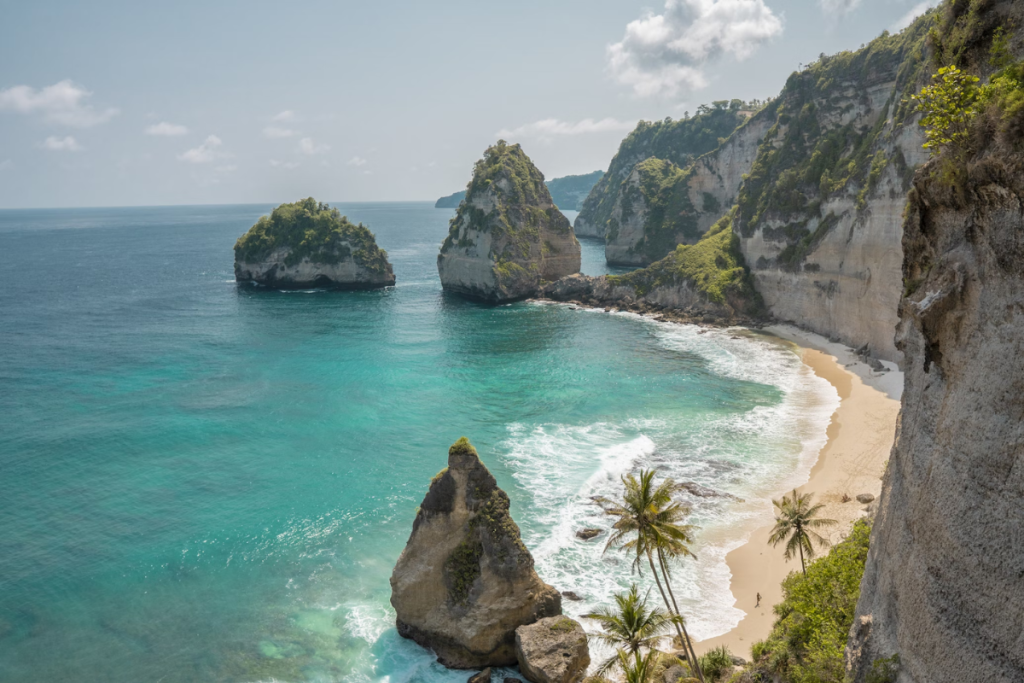
Still not sure when to go? Lombok Touristic can help you plan the perfect escape—weather, itinerary, and all other things you need. There are many activities that you can choose from, such as:
So, are you ready to plan the best time to visit Bali with Lombok Touristic? You can have fun and have a wonderful time touring with us. That's why you need to call us right away to enjoy a perfect holiday!
Ready to discover some truly fascinating komodo dragon facts? They’re more than just trivia, but the key to understanding one of the most fascinating creatures on Earth.
Found only in a few remote islands in Indonesia, these massive lizards are the stuff of legends. But what’s real and what’s just myth? From sensory prowess to evolutionary quirks, let’s dive in and explore some incredible truths about the largest living lizard.
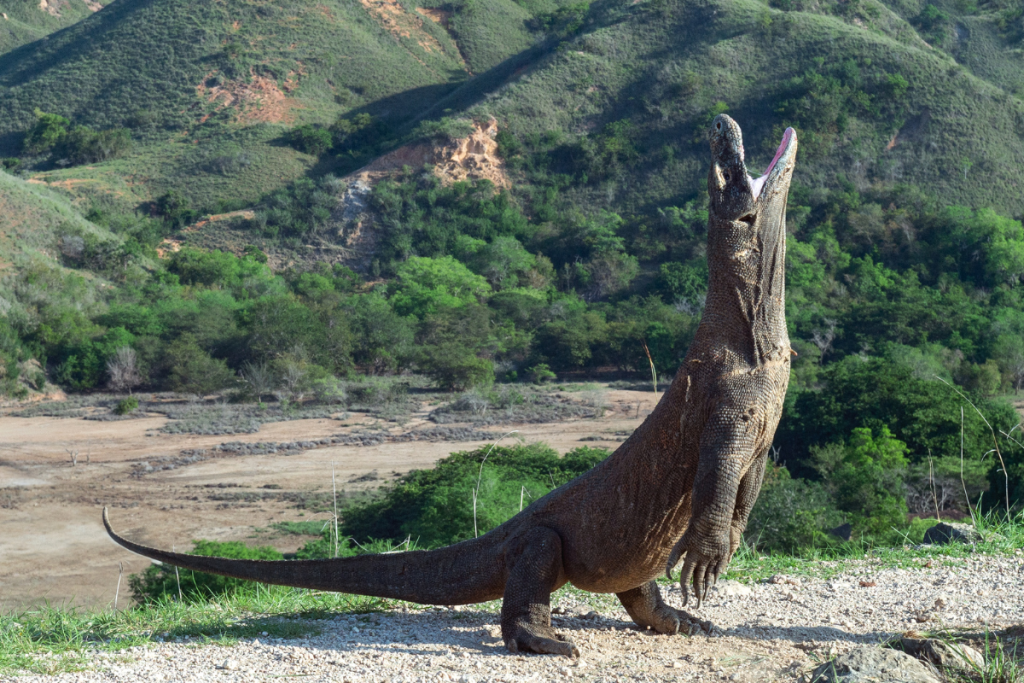
At first glance, the Komodo dragon may seem like just a giant lizard. But look closer, and you'll discover more.
These creatures aren’t just big—they’re complex, with behaviors and traits that surprise even seasoned wildlife enthusiasts.
From its ability to reproduce without a mate to a venomous bite, here are some wild things that make this reptile extraordinary.
Forget nostrils — Komodo dragons rely on long, forked tongues to “taste” the air. They use a special organ called Jacobson’s organ located on the roof of their mouth.
When they flick their tongue out, they collect scent particles and then push them up to this organ to analyze their surroundings. This unique ability allows them to detect prey from as far as 2.5 miles away.
One of the most misunderstood things about Komodos is their bite. For a long time, people believed they killed using bacteria-laced saliva. That’s only partly true.
Yes, their mouths do carry tons of harmful microbes, but they also have venom glands in their jaws.
This komodo venom contains toxins that lower blood pressure, thin the blood, and prevent clotting, which causes its prey to go into shock and bleed out quickly.
Talk about independence! Here’s where it gets really weird. Female Komodo dragons can lay eggs without mating — a process called parthenogenesis.
This usually happens when a female is isolated from males, like in zoos or on small islands. It’s nature’s backup plan to ensure the species' survival, even with a limited population.
However, offspring produced this way are always male, due to their unique chromosome system.
These guys don’t play around when it comes to food. Komodos can eat up to 80% of their body weight in a single meal. Imagine a 150-pound person eating 120 pounds of food in one sitting. Wild, right?
The Komodo dragon diet includes deer, wild boars, goats, smaller Komodos, and even water buffalo.
Usually, after such a big meal, they may fast for weeks, relying on their efficient metabolism. This gorging ability helps them thrive in areas where food isn’t always plentiful.
Despite their bulky appearance, Komodo dragons are strong swimmers. They’ve been known to swim from island to island across strong ocean currents. Some have been recorded swimming up to 3 miles from the coastline.
So, next time a Komodo chases you, don’t ever think to run away through the sea.
If you ever get the chance to see one up close, check out its skin. It’s rough, grayish, and tough.
Under that tough surface, Komodo dragons have osteoderms: tiny bone plates embedded beneath their skin. These plates act like armor, offering extra protection from injuries during fights with other dragons or prey.
Yes, it’s true — Komodo dragons eat each other. In fact, up to 10% of a Komodo dragon’s diet can consist of younger dragons.
This is why young ones often hide in trees or roll around in feces to mask their scent. Cannibalism typically happens when food is scarce or during territorial battles.
While the adult Komodo dragons are more earthbound due to their massive size, juveniles are excellent climbers.
They use their strong claws to scale trees, where they hide from predators — including adult dragons. They usually stay in trees for the first few years of their life until they grow big enough to fend for themselves.
So, stay alert when you climb a tree while trying to avoid one. In case there is a little one above you.
A Komodo’s tail is nearly as long as its body and incredibly muscular. It’s used for balance when running and swimming, but also doubles as a powerful weapon.
They’ll swing it like a whip to knock down rivals or prey in fights. Some observers have seen them use their tail to trip deer before going in for the kill.
Believe it or not, the ancestors of the Komodo dragon are thought to have originated in Australia. Fossil evidence suggests that these giant lizards migrated westward to the Indonesian archipelago millions of years ago.
Today, they’re only found on five islands in the area of Komodo National Park: Komodo, Rinca, Gili Motang, Padar, and western Flores. Each of these islands offers the perfect komodo dragon habitat, with savannahs, forests, and enough prey to keep them fed.
Komodo dragon lifespan is up to 30 years in the wild, though many don’t survive that long due to harsh conditions and predators.
A female typically lays around 20–30 eggs per clutch. The eggs are buried in nests, and hatchlings emerge about eight months later, completely on their own.
These dragons have up to 60 teeth, each around an inch long and serrated like a steak knife. Like sharks, they shed and regrow their teeth regularly throughout their lives.
Komodo dragon’s teeth are tipped with a protective layer of iron. This layer helps maintain the teeth's sharpness and ability to rip flesh. The iron is concentrated along the cutting edges and tips, giving them an orange hue.

Now that you know these wild truths, wouldn’t it be incredible to see a Komodo dragon in its natural habitat?
You can witness these creatures in real life, walking through sunlit forests, basking on the beach, or even hunting wild prey. There’s nothing like the thrill of spotting a Komodo on Komodo Island or Rinca.
And the best part? You don’t have to plan the trip alone.
Consider joining a guided tour if you're ready to turn these Komodo dragon facts into real-life memories. Lombok Touristic offers specialized Komodo tour packages that include everything. Book your trip today at Lombok Touristic and experience the wonder of Komodo dragons for yourself!
