
Imagine the breathtaking landscapes of Komodo, now picture them from a bird's eye view! The sheer beauty you can capture is beyond words. But before you embark on this thrilling journey, it's crucial to understand the Komodo National Park drone permit.
The purpose of the permit is not just a formality. It's a commitment to respecting the drone regulations in Komodo National Park and ensuring a safe and enjoyable experience for all. Learn about the rules, the step-by-step process, and the necessary documents to prepare.

To answer your question, yes, it's allowed. You can fly a drone in Komodo National Park. However, you can't just show up and fly it recklessly. The usage of this kind of camera is strictly regulated. You’ll need official permission from the park authority: Balai Taman Nasional Komodo. Not obtaining this permit can lead to fines, confiscation of your drone, and even legal action.
The only drones that you can use are small unmanned aircraft. Aside from that category, it's not allowed. But you can fly it for multiple purposes, from personal to commercial.
Then, do you need a drone license in Indonesia? Licenses are required only if the size or weight is over 250 grams (0.55 lbs). But, you are required to obtain a permit from the Ministry of Transportation of the Republic of Indonesia and from the Regional Government or management.[1] It also applies in Komodo.

Why do you need a permit to fly a drone in Komodo National Park? The goal is mutual comfort, wildlife living in the park, and other visitors. Some areas in the park also have controlled airspace.
To protect Komodo Dragons and other wildlife from any disturbance. Too many drones flying at once will make them uncomfortable because of their sound and existence. There is also a high chance they're getting hit by it.
It can disrupt routes for trekking or startle animals, making it dangerous for other visitors’ safety. The sound of the drone is also annoying for some people and can make them uncomfortable if there are too many.
Certain areas are off-limits due to proximity to air traffic or cultural sites. Here are the areas where flying drones is not allowed!

After learning where you can and where you can't fly it, let's learn how to get a drone permit in Komodo National Park. There are a few steps that you should take, such as:
Indonesia drone laws, including in Komodo, require you to provide multiple documents to get the permit.[2] So, make sure you bring:
The next step is to submit your application when the documents are ready. You can submit the request to Balai Taman Nasional Komodo (Komodo National Park Office) in Labuan Bajo or send an email to them. Make sure to submit it at least three days before you plan to fly the drone.
Unfortunately, you cannot get the permit for free. You need to pay a Komodo National Park drone permit fee.
The fees will be varied, based on:
If you're curious about how much a Komodo National Park drone permit is, it usually costs around IDR 1,000,000 – 5,000,000 (USD 65 – USD 325). The management will send you a bill after they review your permit application.
After that, all you need to do is wait. The approval process might take a few working days. You must be present on-site if requested by rangers to get the permit yourself.
Then, when the permit is already in your hand, you can enter the park and fly the drone everywhere aside from Kalong Island, Loh Buaya, Loh Liang, and the core zones. Make sure to follow the flight plan that was submitted during the application.

The drone flight permit in Komodo National Park may be too complicated to refuse. However, there are many consequences that you have to face if you fly it without a permit.
Some of the consequences are:
That's why you have to make sure to respect the local rules. It's the key to protecting and preserving the park for future travelers.
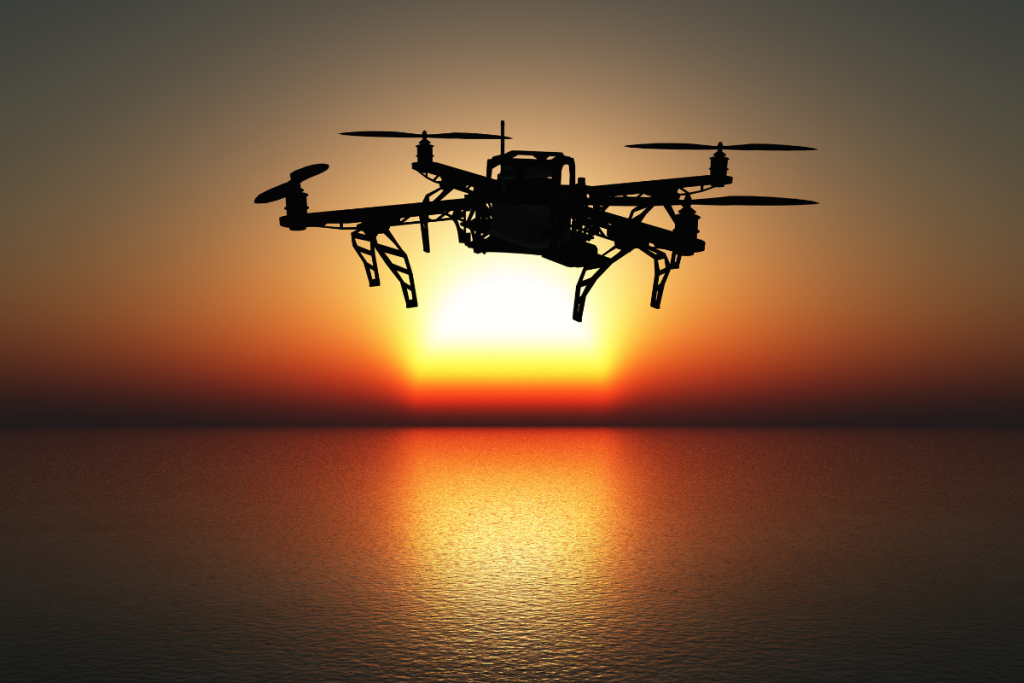
Planning to shoot drone footage during your trip? You can do it with Lombok Touristic.
There are a few reasons why you should choose us, such as:
Lombok Touristic will help you with the permit application. Our professional and experienced team will make the process easier if you work with us, mainly because a few documents might not be familiar to you.
We can help you to take care of permits from the Directorate of Flight Navigation in the Ministry of Transportation, Indonesian Aviation Navigation Service Provider (LPPNI), etc. If you need help making the flight plan more understandable or need help with any other requirement, don't hesitate to ask us.
The goal is to approve your application while considering all the legalities. As long as the purpose of the drone flight is not evil, you can depend on us to take care of it. But, you also have to fly it responsibly and not break any rules after you're gaining the drone permit.
As mentioned above, flying drones is not allowed in some park areas. You will get into trouble if you accidentally pass the restricted area. It might happen a lot if you are not familiar with the area. That's why you need a guide who will suggest drone-friendly routes.
Lombok Touristic can be a good choice, because our team has already memorized all the areas of the park. The team knows which areas are safe and which are not when flying drones.
When you arrive at restricted areas, we will warn you about it and prevent you from flying there. When you arrive at safe zones, we will encourage you to use them, especially at spots with stunning views.
Crowded conditions are not ideal for flying a drone. That's why we can arrange a special and private trip for you to avoid that. Lombok Touristic will ensure you can film the scenery comfortably without disturbing other visitors.
The best time to visit Komodo National Park for filming is from March to April. You can also come in October or November. These months are usually less crowded and quieter.
There are few visitors because it's still the Rainy Season in Komodo. But, it usually rains less from December to February. The scenery also still looks lush and green.
Another reason you must choose Lombok Touristic is that you can travel smoothly with expert local guidance. Our team understands all the conditions in the national park, so we can help you arrange the best trip. Don't hesitate to tell Lombok Touristic what you want to do, and we can arrange it for you.
Especially regarding the drone regulation, we can help you, from the preparation stage to when you complete the filming process. Your satisfaction is everything to us.
So, what are you waiting for? Let's go on a trip with Lombok Touristic! We offer you private tours and flexible itinerary choices. Book your desired trip now and fly the drone with us! Let us take care of the Komodo National Park drone permit, too, just for you!
Exploring a new place, especially in nature, will feel like a nightmare if you select the wrong moment. Rain, storm, and any other obstacle might deter you. There's a strong possibility that you're unable to do anything or see things you want to see. That's why selecting the best time to visit Komodo National Park is important.
In general, this place is open and available on any day. Tourists, journalists, researchers, and basically everyone can stop by anytime. But some months are better than others. You can pick them based on your desired recreation or specific things you like to witness.
Find out more about the best time to visit Komodo National Park and other areas in the national park here! You will find month-by-month breakthroughs, specific activities, and specific event guides to find the perfect time to explore this place!

As mentioned above, you can come here all year round. But your experience will vary depending on which time you choose. So, what is the best time to visit Komodo National Park? The ideal ones are from April to June and September to November. It has the best weather and fewer crowds.

To understand it better, here are month-by-month breakdowns for you to choose the best time and month to visit Komodo National Park!
Coming to Komodo Island in April, May, and June is a great choice. The weather is usually agreeable. Sometimes it's raining, especially in April, because it's the end of the Wet Season. But oftentimes it's sunny, especially in May and June, with an average temperature around 84-90°F (29-32°C).[1]
Everything still looks lush and green, considering the scenery will change to brownish in later months. That's why you can't forget about hiking to Padar Island. The scenery of the three bays above the hills is already magical, but it will be prettier because it's green.
There are also fewer tourists so that you can enjoy a quieter atmosphere. Most importantly, the travel costs are lower during these months. Perfect for people who have a tight travel budget.
Komodo Island in June is ideal for diving and snorkeling. During those times, the sea and the ocean had excellent visibility. You can meet with Manta Rays often, especially at Manta Point. April and May are also not bad for this activity.
There are many reasons why Komodo National Park's peak season falls during these months. The most notable one is because of the weather. It's more stable, sunny every day, and almost no rain. Ideal for any activities, from hiking, diving, snorkeling, exploring, island hopping, sunbathing, etc.
However, most people will also go during these months as it's the best season to go to Komodo. So, expect more crowds, especially in popular places like the big three: Komodo, Rinca, and Pandar. You can choose the hidden gems like Sebayur, Siaba, or Kanawa Island to escape from the crowd.
Aside from that, you also have to expect higher prices for your accommodation and transportation during the trip. Early booking is recommended because sometimes there are no hotels or boats left. All your plans might be shattered if that happens to you.
Komodo Island in September, October, and November also has good weather. There is usually no rain so you can do many things without too much disruption. Ideal for hiking and sunbathing. The sea and the ocean are also calm. Perfect for diving, snorkeling, and island hopping.
Aside from being calm, the underwater visibility has also been fantastic for these months. There is still a chance to see Manta Rays and sea turtles, the most sought-after marine life in the national park.
Compared to the peak season, there are fewer crowds so you can explore the land and the water better. You usually need to pay less for travel costs than in peak season. Hotels are cheaper, and so is boat rental.
Komodo Island in December, January, and February is less ideal. It's because the Wet Season is at its peak here. There's a higher possibility of rain that will disturb you. The sea and the ocean are also choppy, which is not ideal for boat trips. That's why many operators take a break during these months.
But you will rarely see crowds during the Komodo Island Rainy Season. Perfect for people who want a relaxing and calm trip. Nature is also beautiful, green, and lush. It is an ideal atmosphere for people who wish to do photography, because you can capture the moment at its best.
If you're coming here to see Komodo Dragons, they're still visible during these months. However, hiking might be slippery, so you have to be extra careful. Exploring all the areas of the islands is still very possible, as long as you are checking the weather forecast often. But it's too dangerous to do water activities.
Most people are coming here to encounter wildlife. Some wildlife is visible all year round. However, the others are only visible at specific seasons. That's why selecting the best time is important: so you can see what you want to see when visiting. You can pick based on these!
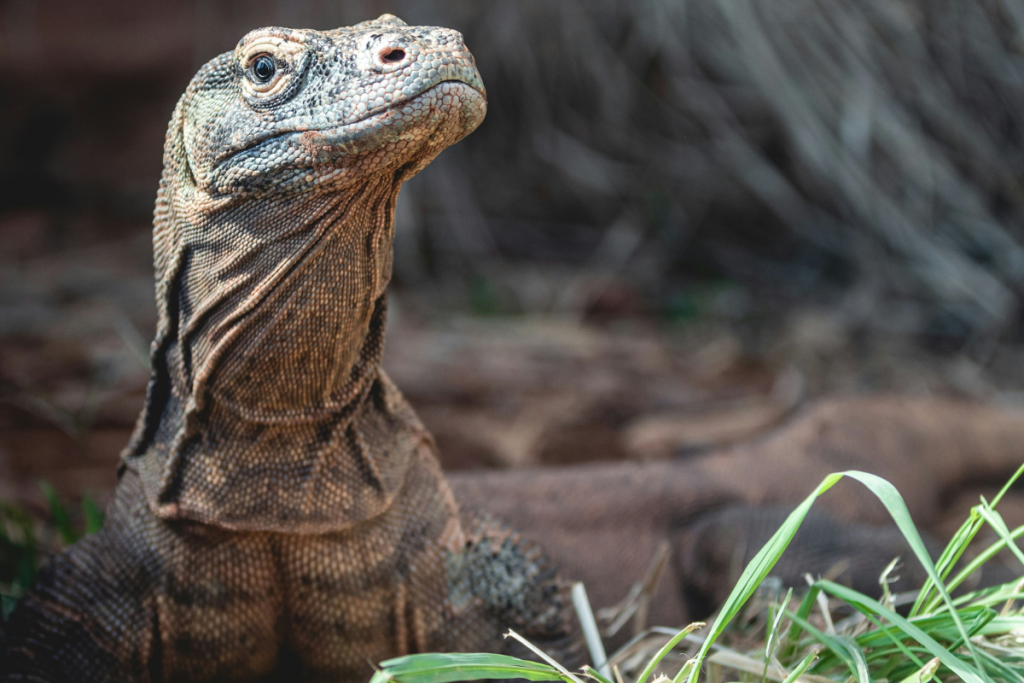
You can come anytime to look at them, because they have no hibernation period. Their natural habitat is in Loh Liang and Loh Buaya, both available to visit every day.
However, June or August is a great choice to witness the iconic Komodo Dragons' mating season. There will be many fights between the males to attract the females. They will also be more active, especially those who want to mate, because they need to eat a lot.
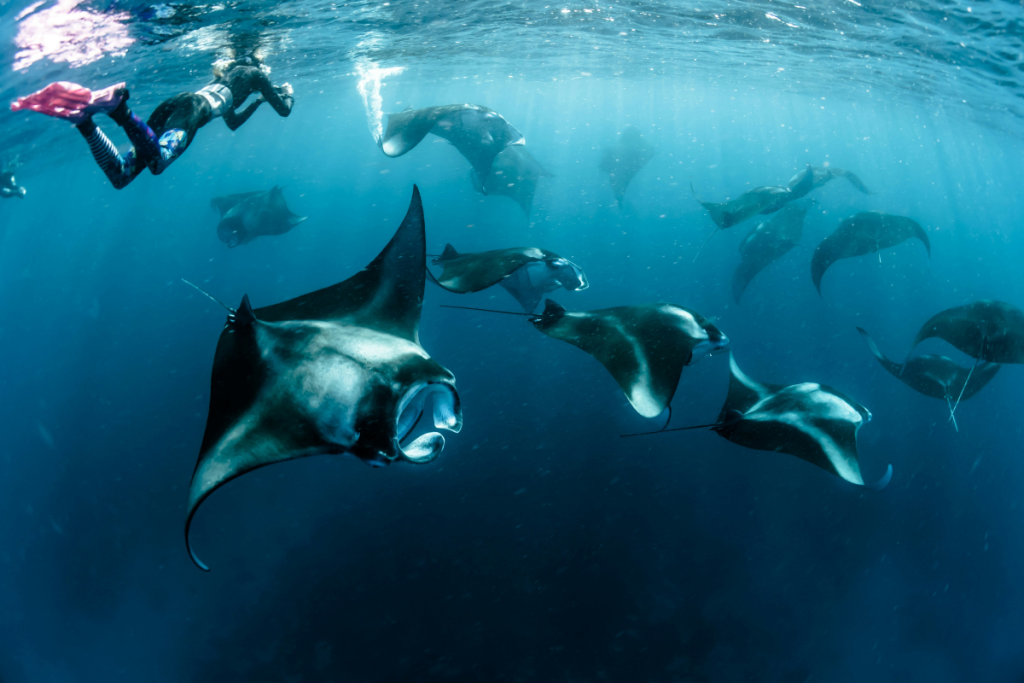
April to November are the perfect times to encounter them, especially around Manta Point and Taka Makassar. If you're curious about when to see Manta Rays in Komodo, they're visible every other day. However, the number is larger than in other months at those times.
Aside from that, the sea and the ocean also peak from May to October. That's why you can see them and any other marine life better. The sea and the ocean’s condition is also more stable because there is rarely any rain or storm during these months.
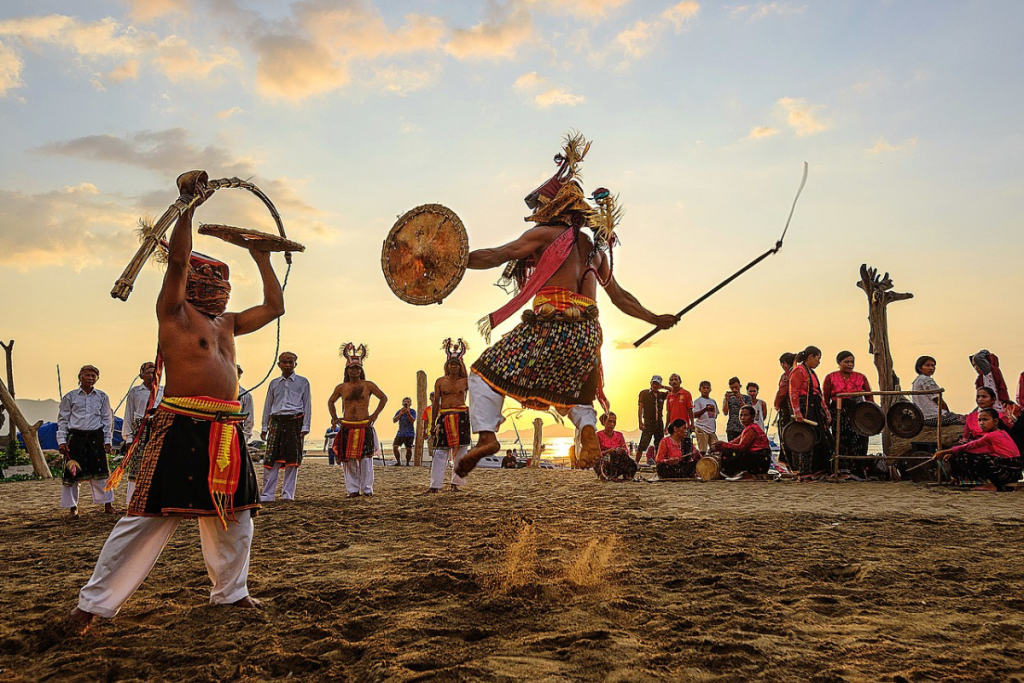
The park itself doesn’t host many official events. This place is mainly focused on protecting and preserving biodiversity. But, sometimes there are events at nearby islands, especially Labuan Bajo in Flores. Most visitors usually stay here because this place is the nearest to the national park.
The most popular event is definitely Festival Komodo, usually around July or August. These months are the best time to visit Labuan Bajo to see the event. There will be traditional dance performances and craft exhibitions. You can also find multiple delicious foods that you must try.
Local cultural events can enhance your visit if you time it right. So, don't forget to check for any events before you pick the date.
To enrich your experience, here are some tips you can apply when you come here!
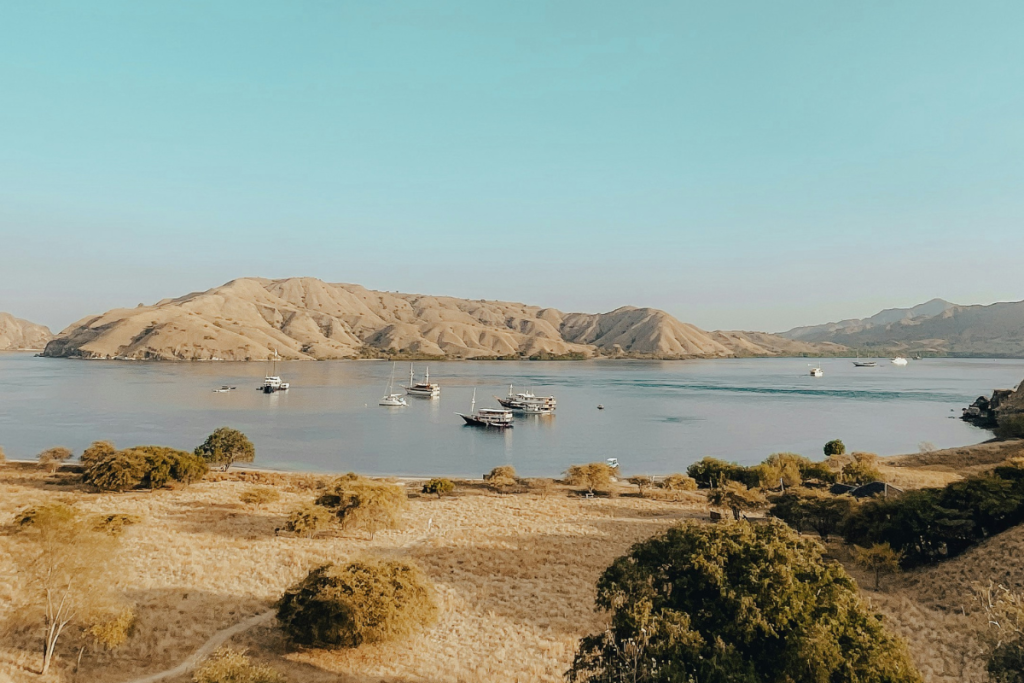
Lombok Touristic can tailor your trip, whether you're visiting during high season or off-season. So, you can enjoy it better, and the experience can be unforgettable. There are a few tip options that you can choose, so make sure to pick the most comfortable one for you.
The options are:
Experienced local guides will accompany you. We also offer you flexible departure points from Lombok or Labuan Bajo. So, what are you waiting for? Let's book your desired trip option at Lombok Touristic and come here during the best time to visit Komodo National Park!
Known as a home for dragons, a place where giant lizards roamed freely on their own land, it didn't deter this place from being a hidden Atlantis. The underwater world offers an astonishing underwater view. This is why Komodo National Park snorkeling is a must if you come here.
Some people might not know that this place has a complex biodiversity, both on land and in water. To meet them in the water, you could snorkel or dive. Then, can you snorkel in Komodo National Park? The answer is yes. Snorkeling here is allowed. Here's a helpful guide so that you can learn more about it!
It's already an open secret that people come to this conservation area to see Komodo Dragons. So, why do you have to go underwater? Is there something special that you can see and do? Fortunately, there are many distinctive things and enjoyable activities here.
The National Park is situated between Flores Sea and Indian Ocean. That's why you can see endless marine biodiversity. This place is also located in the Coral Triangle area, probably the richest biodiversity in the world. Around 76% of coral species can be found here.[1]
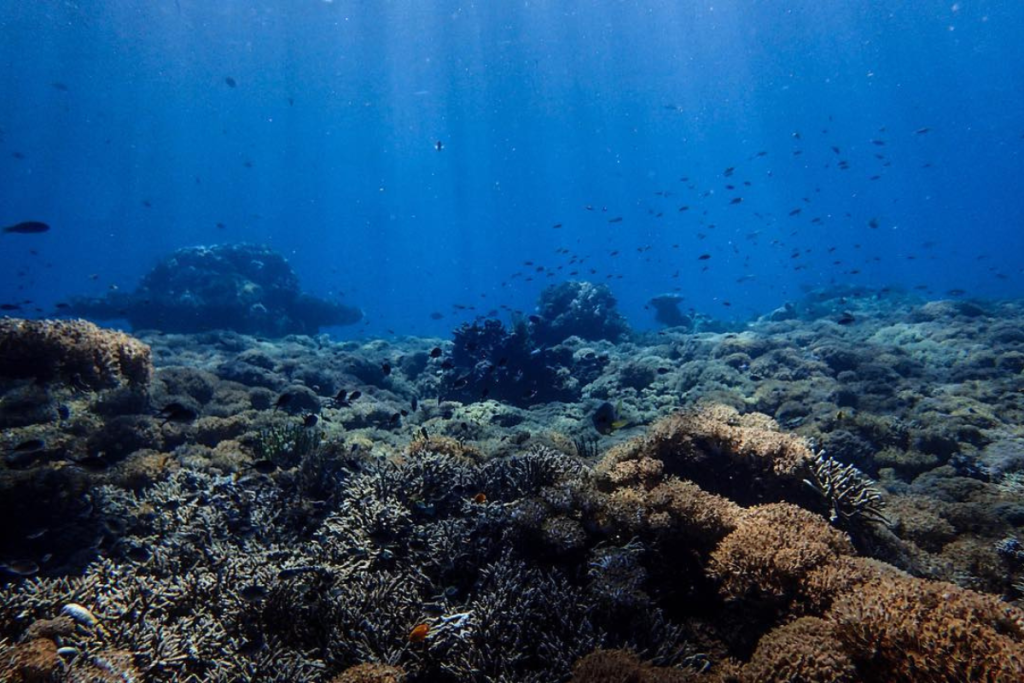
The most charming thing is that you can see all of them just by snorkeling in Komodo National Park. You don't have to dive to meet the small fish and corals. Some fascinating marine creatures can also be found in shallow water. This is because the water is crystal clear with high visibility.
Because the water level is shallow, almost all snorkeling sites in Komodo are suitable for all levels, from beginners to pros. But, if you want to meet bigger and more diverse creatures, you can do Komodo National Park diving. The deeper you are, the more interesting creatures will greet you.
So, is Komodo good for snorkeling? This place is fantastic. Go underwater and you will understand that the hype is right. This place is coming straight from paradise.
After discovering why, learn the best snorkeling spots in Komodo National Park. Even though all places around the national park are great, some sites are better than others. Here is the list just for you!
Probably the best snorkeling sites in Komodo Island. This place is not that far from the dragons’ conservation area. But it's still considered safe, because the dragons rarely swim here. So, you can snorkel freely even though you're in the land of dragons.
Most people visit Pink Beach Komodo to see the iconic pink sands. It's fascinating because of their rare existence is probably only existing in less than 10 places worldwide. However, the underwater scenery is no less spellbinding. The water is so pristine that you can easily see them.
You can snorkel straight from the beach, which is perfect for beginners and fun for advanced snorkelers. Colorful tropical fish and healthy coral reefs are creatures that will greet you the most. Most are coral fish, such as Orangeband, Moorish Idol, Damselfish, Fusiliers, Butterfly Fish, and Wrasse.
If you are lucky, sometimes you will see some coral sharks. But it's not as common as the small creatures. You can dive if you want to see bigger creatures like sharks.
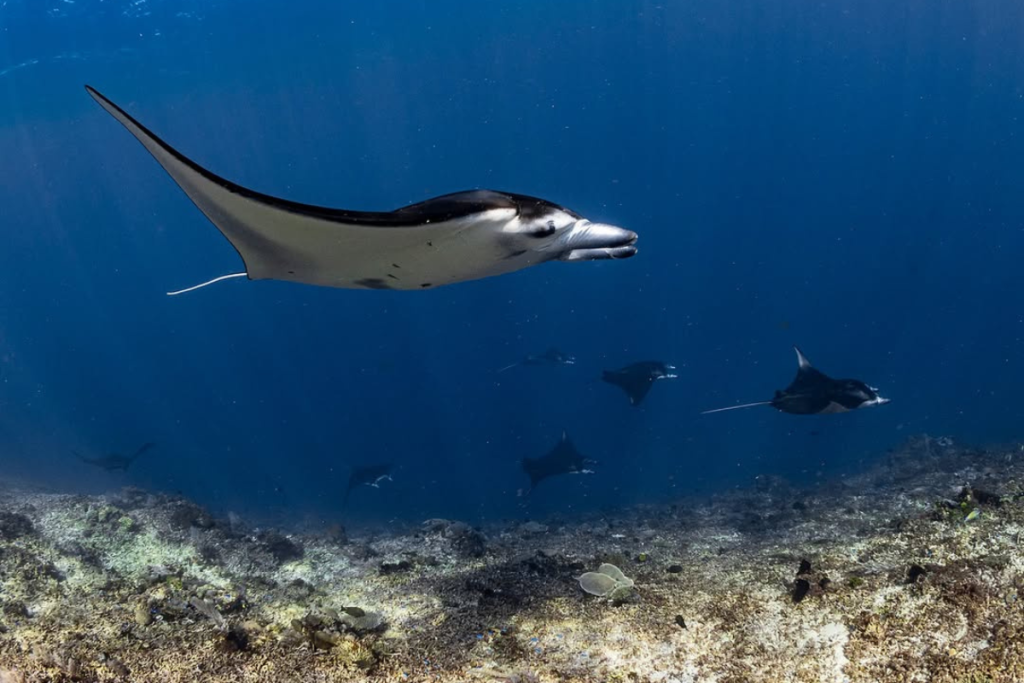
The best snorkeling spot in Indonesia if you want to swim with Manta Rays. They're the largest stingrays in the world, weighing up to 5,300 pounds (2,404 kg) and have a disc width up to 26 feet (8 m).[2] This is their gathering spot, and there are many of them, so you can even see them from the boat.
To get the best experience, you have to dive. But, snorkeling is good enough if you don't have a license. You can still meet and swim with them, but make sure a licensed guide accompanies you.
Its location is in the middle of the ocean, that is why you're not allowed to go alone because it is too dangerous. Make sure to snorkel when the current is not too strong, especially if you're a beginner.
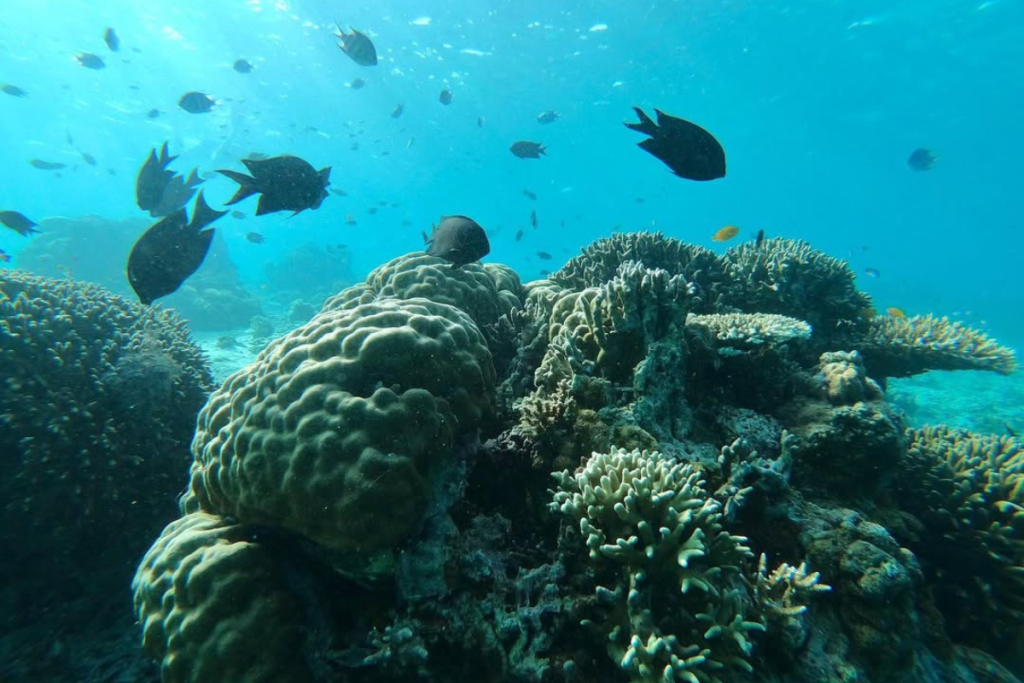
The island itself is considered small. It has white sands and has amazing scenery. Underwater, the views are even magnificent. In shallow water, you can see coral reefs and multiple small and colorful creatures. Ideal for beginners, because you don't need to dive deep to see and swim with them.
Clownfish and Blue Tang are the most common creatures here. Sometimes you can also find baby reef sharks near corals. But make sure to only swim with them. Avoid touching them or disturbing their peace.
You won't find this place when the tide is high, because Taka Makassar only arises when the tide is low. It's a sand island that is fun to visit because it gives you magical moments and astonishing views. The primary purpose of people coming here is for photography. But don't miss a chance to go underwater here.
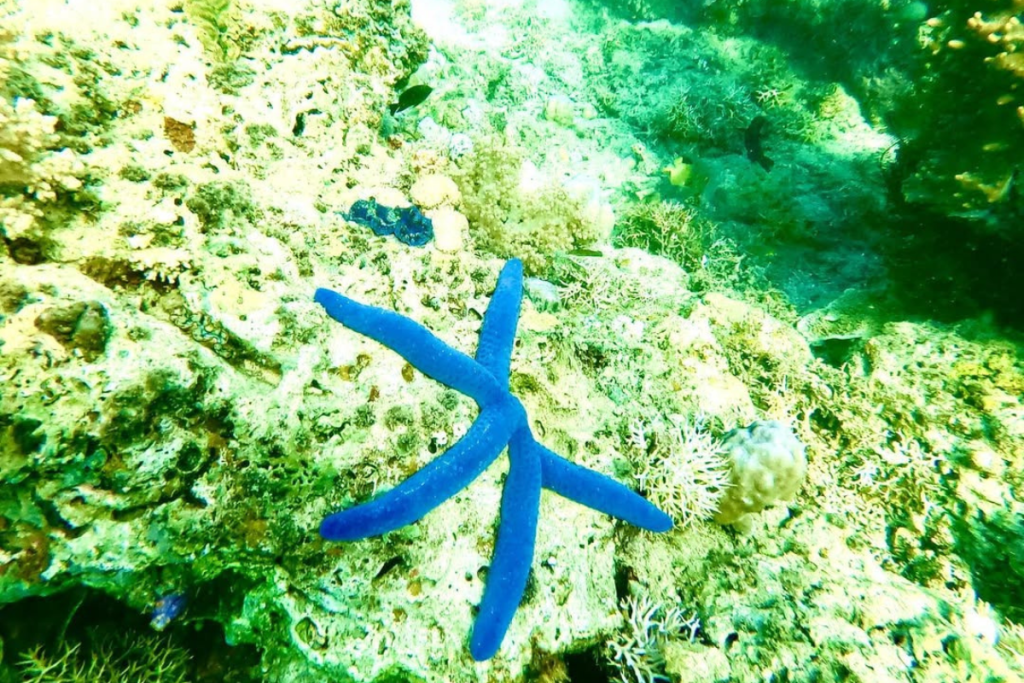
This place is perfect for people who want to go snorkeling in Komodo National Park to see blue starfish and soft coral. The visibility is relatively high because the water is pristine. You can see all of them without needing to dive, just snorkel in shallow water near the island.
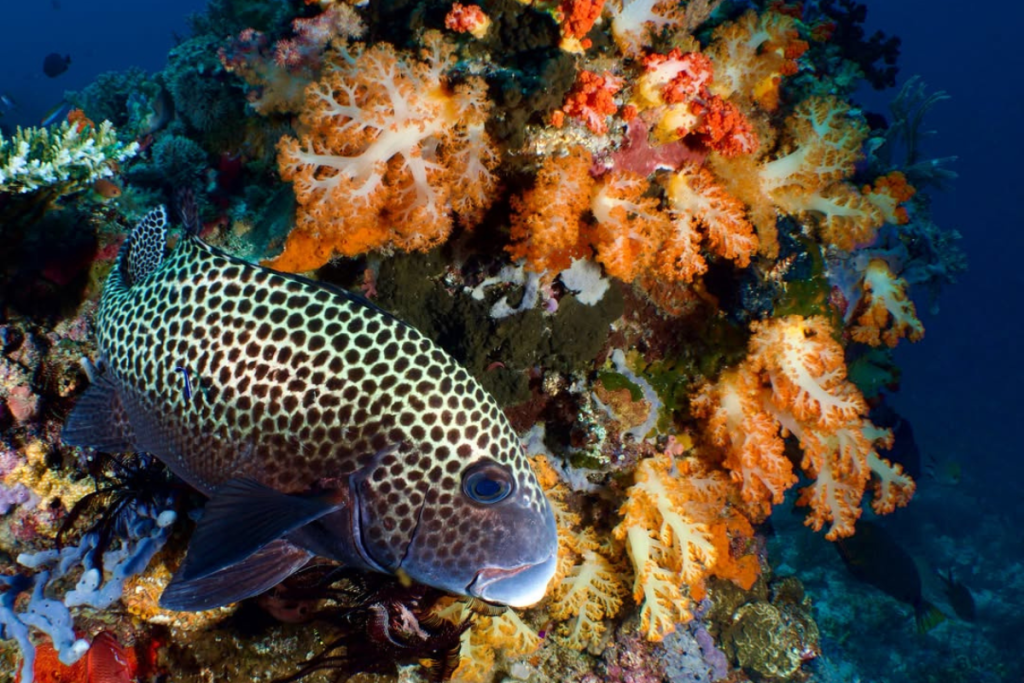
This place is a hidden gem. The place is less crowded and the atmosphere is calm. Perfect for people who love to do relaxed snorkeling. This place is also ideal for beginners or first-timers because the current is not strong.
You can easily spot schooling fish and coral reefs without going deep. Some larger fish like snappers, giant trevally, and coral trout sometimes swim freely here. Sea turtles, Manta Rays, and reef sharks also exist, making the ecosystem more diverse.

Definitely a heaven for people who love sea turtles. You can find a lot of them here because it's near their conservation area. That's why people also know this place as "Turtle City". The species are diverse, from the common ones to the rarer ones. It includes the Green and Hawksbill Turtle.
To see them, you can snorkel in shallow water or dive deeper. The location is relatively safe, even if there's a current. Ideal for all levels, even for beginners.
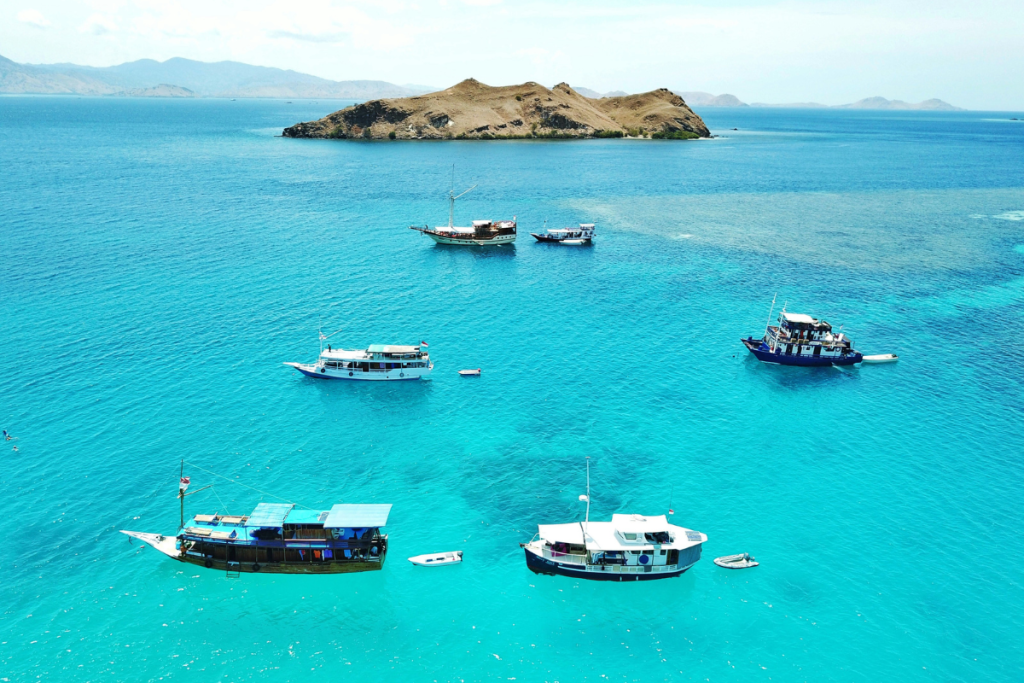
If you want to snorkel in Komodo Island or smaller islands nearby, there are a few things to expect. It includes water temperature, visibility, and sea creatures that you can see.

To make your trip safe and fun, follow these tips:
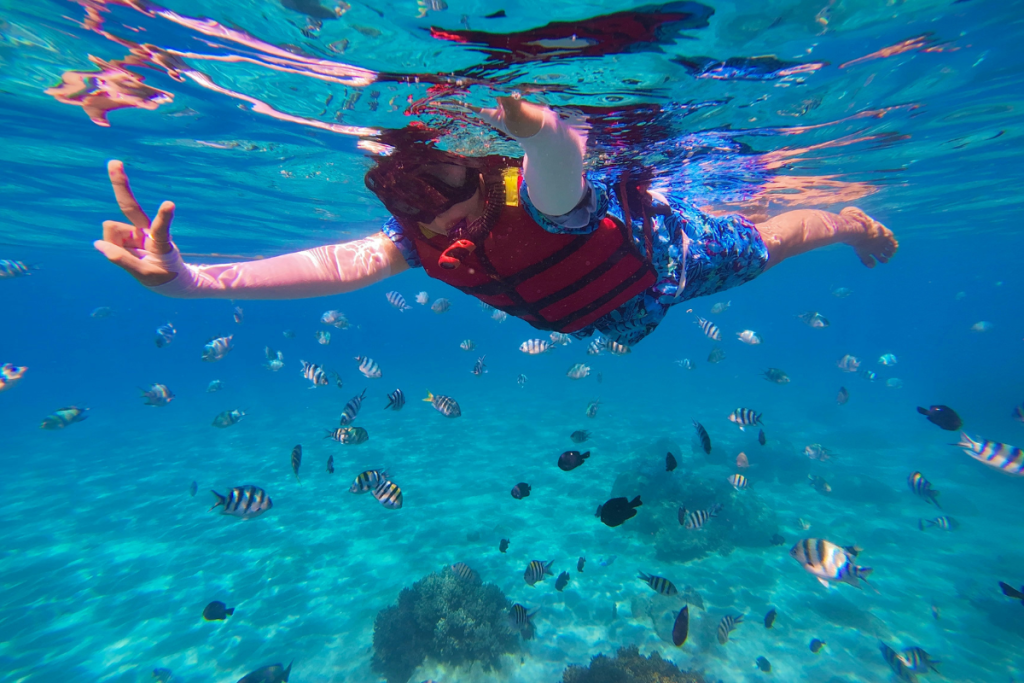
After learning more about it, are you interested in joining the Komodo snorkeling tour? If so, make sure to pick the best operator like Lombok Touristic. There are many reasons why you need to choose us, for example:
We can adjust the schedule to your own liking, not the other way around. You are the one who chooses the time, the place, etc. We will arrange the best private tour for you according to your preference. You can also ask us to plan the perfect itinerary for you.
There are also open trips if you prefer them. One-day trip and liveaboard Komodo 3 days package are available in Lombok Touristic. You can follow our schedules and meet new friends during the trip.
For beginners and first-timers, the presence of a guide is mandatory. You don't have to worry about that because a professional and licensed guide from Lombok Touristic will accompany you during the trip.
You don't have to bring your gears from home, because the gears are already prepared. All of them are clean and well-maintained. It's all free and has already been included in the package.
Lombok Touristic offers you easy access from Lombok or Labuan Bajo to enjoy Komodo National Park snorkeling. We can tour using a sightseeing boat or speedboat to all the best spots. So, what are you waiting for? Let's book a tour package at Lombok Touristic right now!
Did you know that careful and thorough preparation is the key to enjoying a new place for vacation? Knowing the area better is nice, especially if you're planning to explore nature. That's why a map of Komodo National Park is definitely needed to visit this conservation area.
Here, you can learn more about Komodo National Park, Indonesia. Find out the main areas and interesting points, so you will know that Komodo National Park is worth a visit!
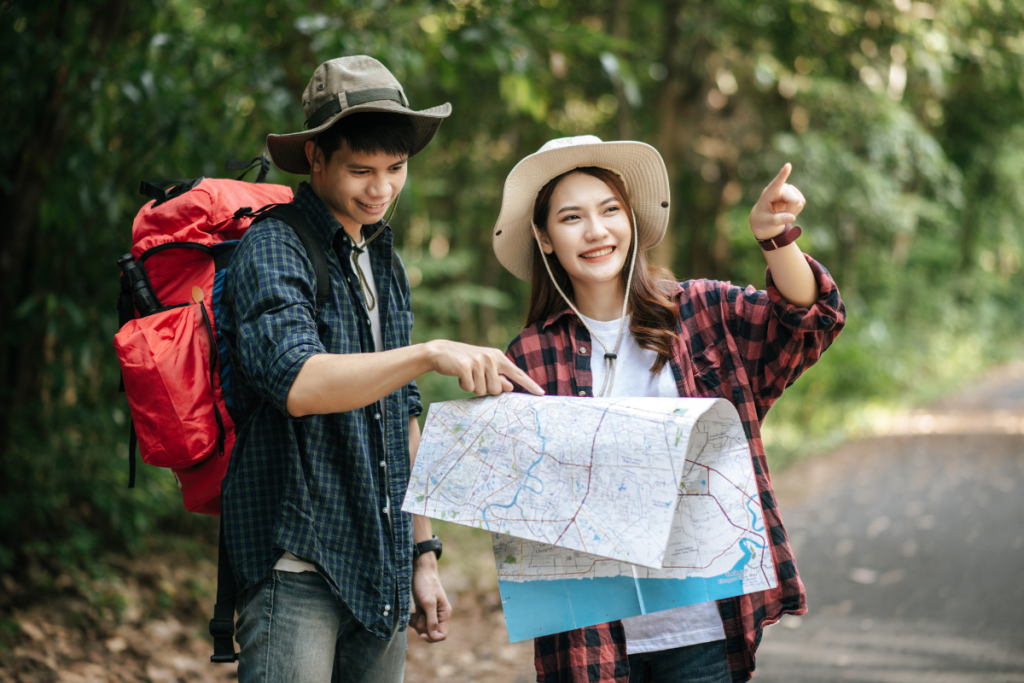
Most of you are probably wondering, “Why is a map of Komodo National Park needed?” The answer is simple: it is an archipelago with many interesting points spread widely throughout the area, rather than concentrated in one place. Considering the total area is approximately 219,322 hectares.[1]
Understanding the map of the area will make planning the activities easier, from trekking to diving. You will know the flow of the journey better, from the starting point to the finishing point. So, are you ready to unfold the wild and learn about the Komodo National Park map? Here is the overview!

You can see multiple interesting points from the Komodo National Park photo above. This place is situated between Sumbawa and Flores Island. So, this conservation area is squeezed between two provinces in Indonesia: East Nusa Tenggara and West Nusa Tenggara.
Three big islands are included in the conservation area: Komodo, Rinca, and Padar. Aside from the big islands, you can also find some smaller islands there, such as Tala, Padar Kecil, Gili Lawa Darat, Gili Lawa Laut, Kelor Island, etc.
Currently, there are no direct flights to the national park. This area also has no hotels or other accommodations because the Komodo Dragons live here. So, can you stay at Komodo Island? The answer is no.
Then, how to travel around Komodo? You can take a boat from Labuan Bajo. It is located in Flores, which is the main gate to the conservation area. To reach Labuan Bajo, you can take a flight to Komodo Airport. Another option is to take a boat from Bali or Lombok.
Before visiting, you have to know that there are many areas to explore. All of the main areas and interesting points can be found on the map. Here is the breakthrough for you!
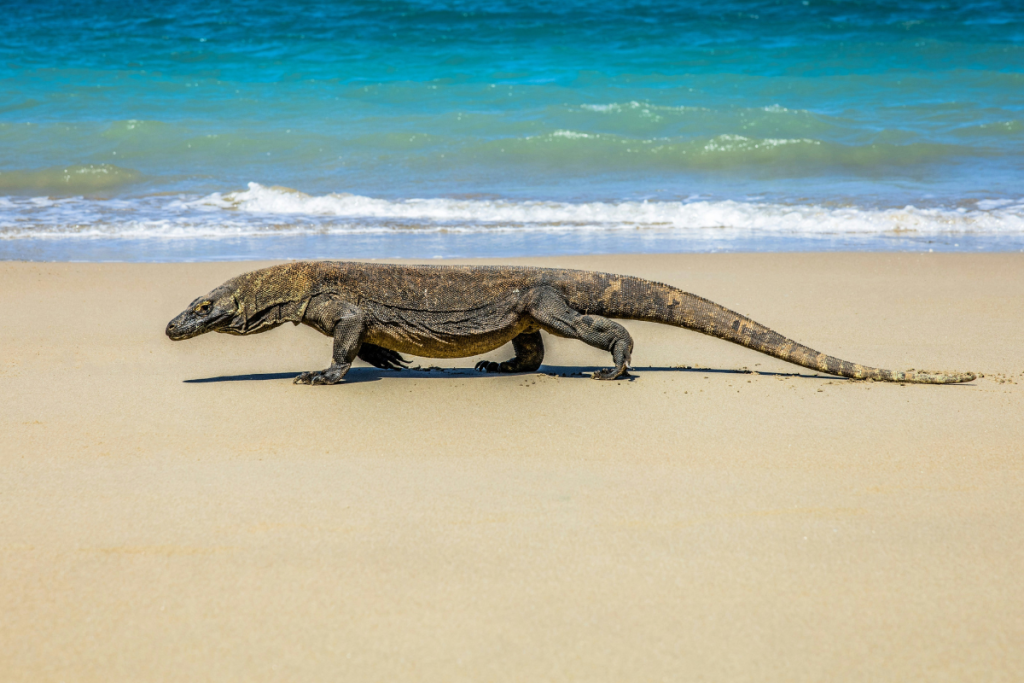
Many things to do in Komodo Island, but most people probably want to see the iconic dragons. It's rare to see up to 10 feet (3 meters) and 300 pounds (140 kilograms) lizards.[2] Their species has existed for a million years, from the Early Pleistocene until now.
In the past, they roamed around freely in multiple areas in Nusa Tenggara. But for now, fewer than 3,500 dragons are left in the wild.[3] All of them can only be found in this conservation area.
To find them, you can trek around the area. But, ensure not to trek alone and always be accompanied by a licensed guide.
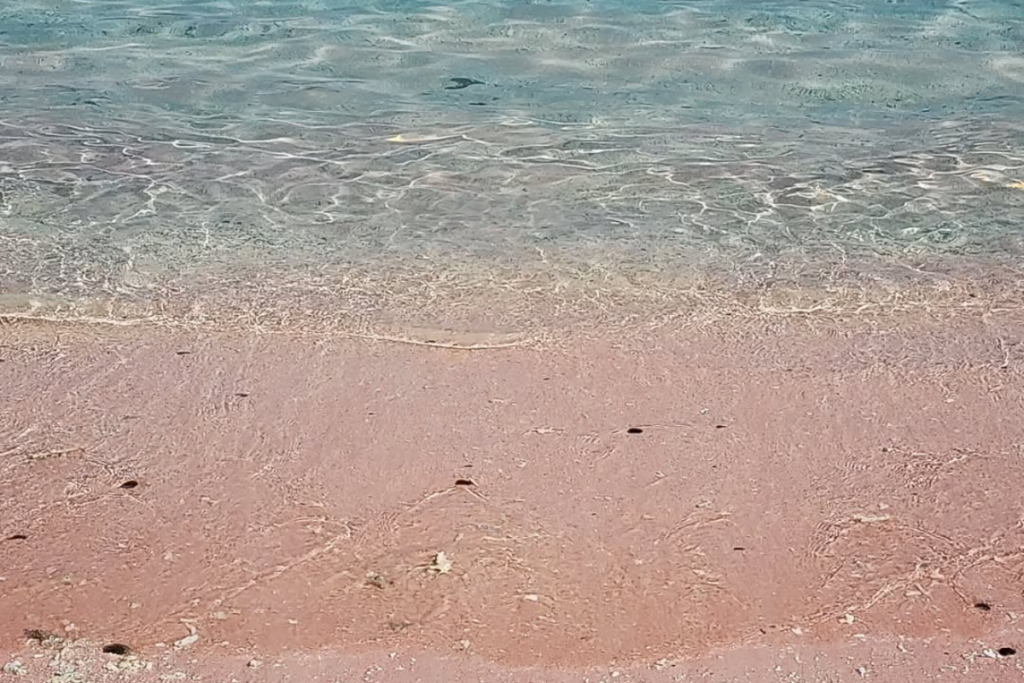
Aside from the dragons, Komodo Island also has the most stunning beach ever. People call it the Pink Beach. Pink Beach Komodo is one of the few beaches that has pink sands. The total is less than ten. So, make sure not to miss it when you are visiting.
There are many things to do here, from playing with the sand, swimming in the pristine water, and sunbathing under the nice sunlight. Don't forget to bring a camera to eternalize all the moments. You can also snorkel around the beach and meet multiple coral and fish species.
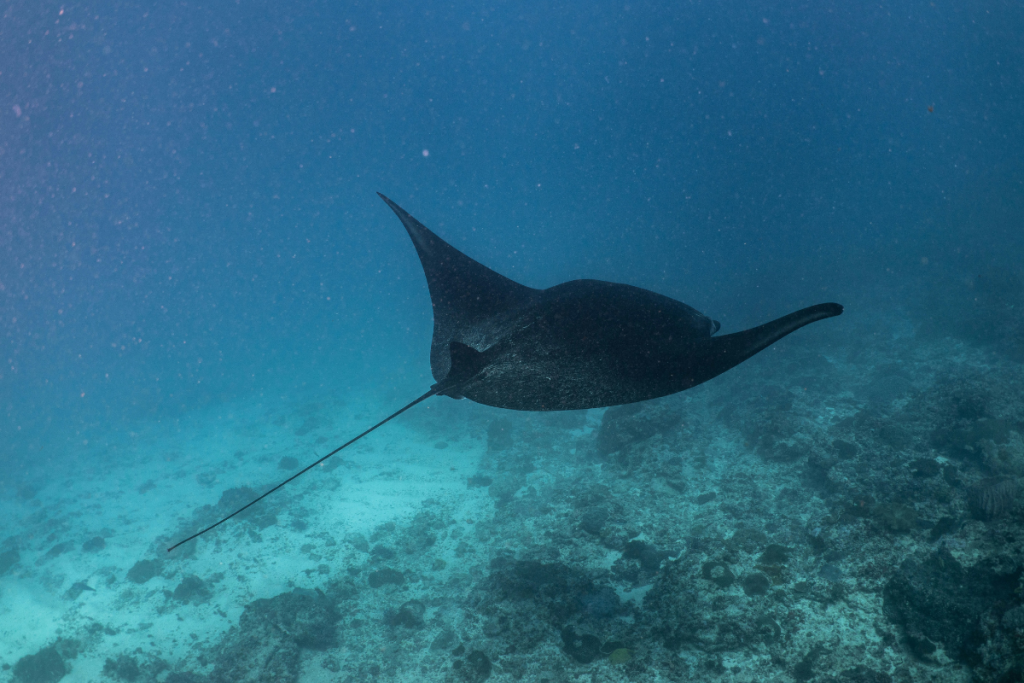
The dragons are not only the iconic Komodo National Park animals. If you go to the south and dive underwater, you can also meet some Manta Rays in Manta Point. They're the largest stingrays in the world, weighing 5,300 pounds (2,404 kg) and disc width up to 26 feet (8 meters).[4]
Even though the area is relatively small, you can meet around 30-40 Manta Rays here. They will swim around you and make pleasant memories with you. However, the current is relatively strong, so make sure you're an advanced diver if you want to dive here.
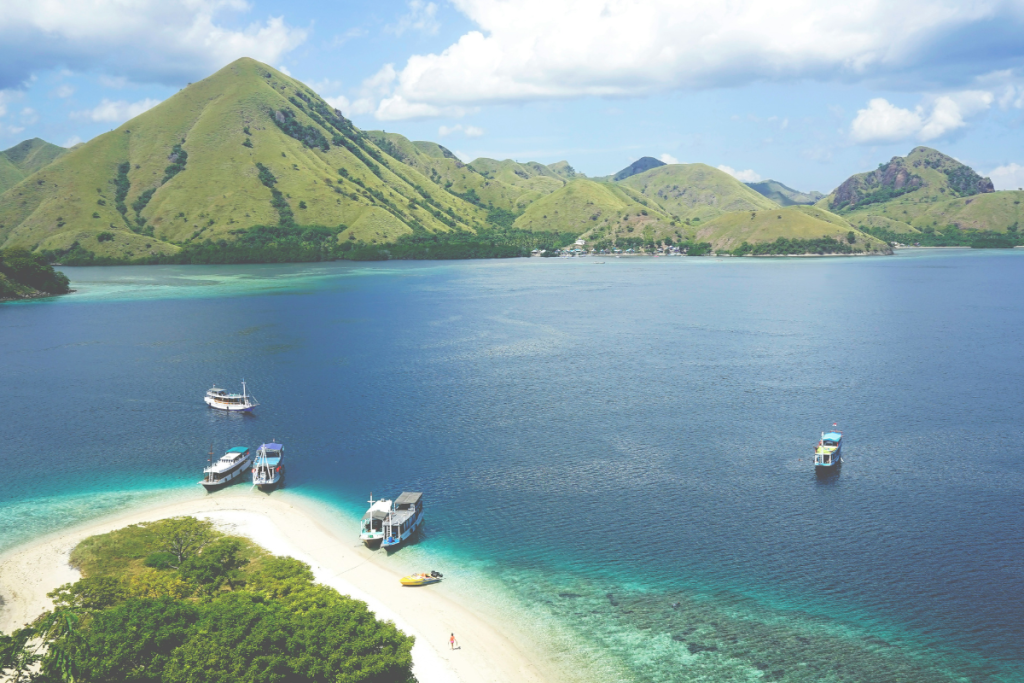
The second largest island in the conservation area. Some of the Komodo Dragons’ population can also be found here, especially in Loh Buaya. This is their natural habitat, but the numbers are not as big as on Komodo Island. Rinca is the best place for trekking, especially if you love the savannah.
The southern area of Rinca is the perfect place for this. So, go to the south if you prefer to dive rather than trek.
Multiple diving points are interesting, such as:
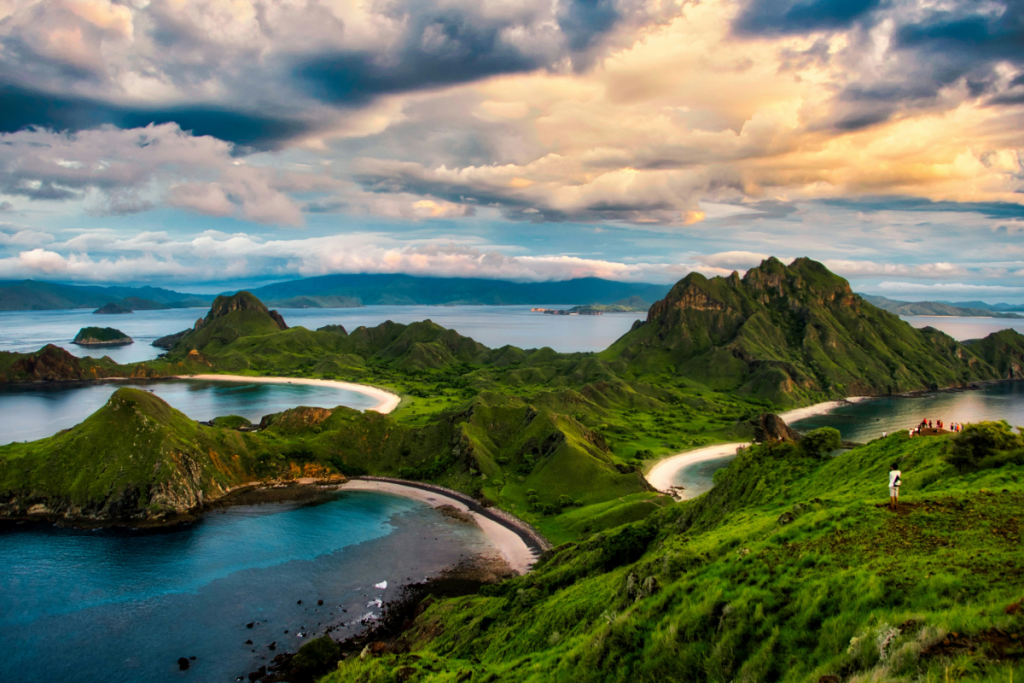
For people who love sunsets and sunrises, this place is ideal. The area is not that broad, but it has the best view. The main activity here is hiking. You only have to hike to the summit for 30-45 minutes, so the hill is not that high. There are also steps that you can follow to make the hike easier.
From above, you can enjoy the beauty of the three bays. The scenery is iconic and will be better during dusk and dawn. You can choose this one as your starting point or finishing point.
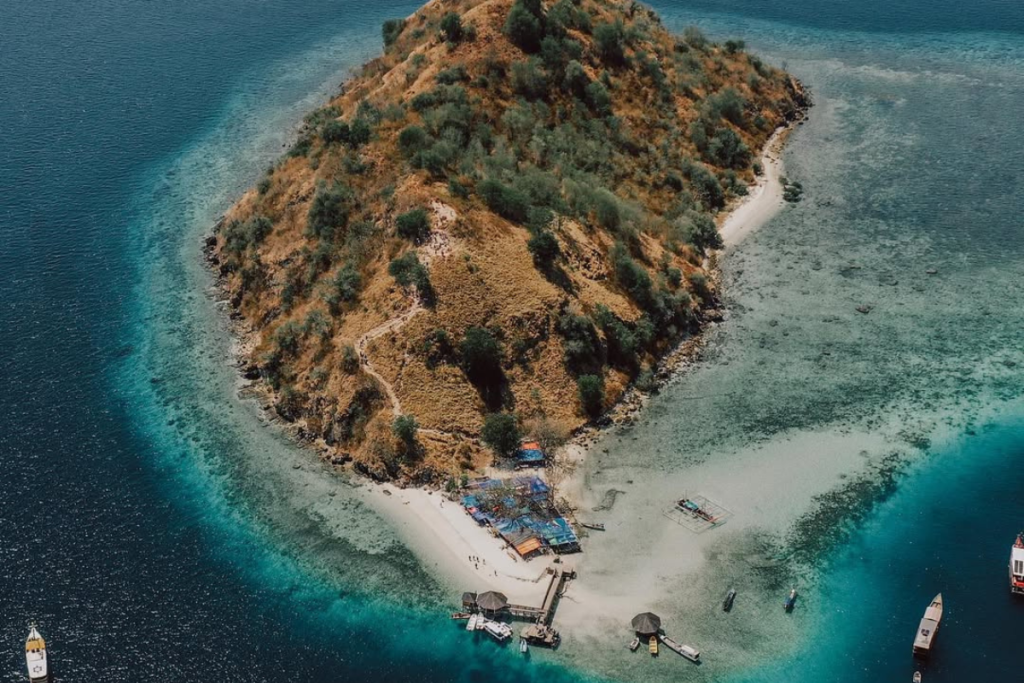
This island is probably smaller and less popular than the big three islands. But it offers you a beauty that's coming straight from heaven. The sand is white and soft. The water is blue and crystal clear. You can also see lovely scenery from the hills, the less crowded version of the Padar Hills.
Aside from that, this place is perfect for diving and snorkeling. So, it's not only the land view that looks amazing, but the underwater scenery is also magnificent. This is probably a hidden gem in Komodo Island. Ideal for people who are looking for an anti-mainstream destination.

If you are searching for snorkeling sites in Komodo Island, these two are straight from paradise. Both of them are squeezed together, forming waters that look like straits. From above, the scenery looks stunning. From underwater, it even looks more amazing.
There are also multiple famous diving sites in Komodo Island around them, such as:
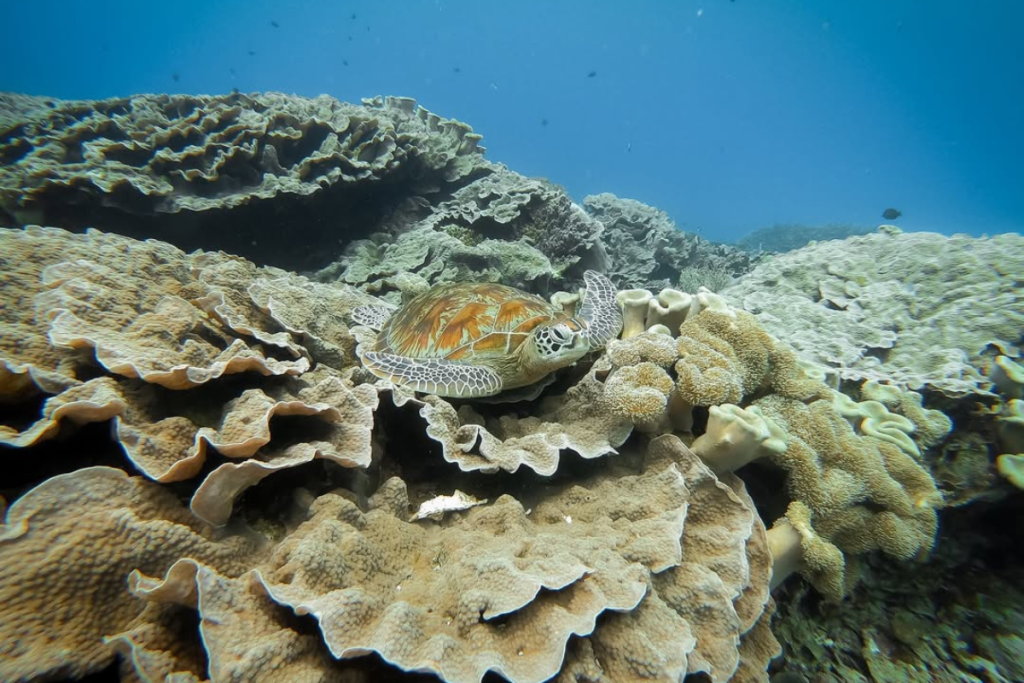
There are a few isles around this area, but Siaba and Tatawa are the most notable. The underwater world is fascinating, giving you the best scenery and biodiversity. It will surely astonish you. Don't forget to visit Batu Bolong because this site gives you the best view.
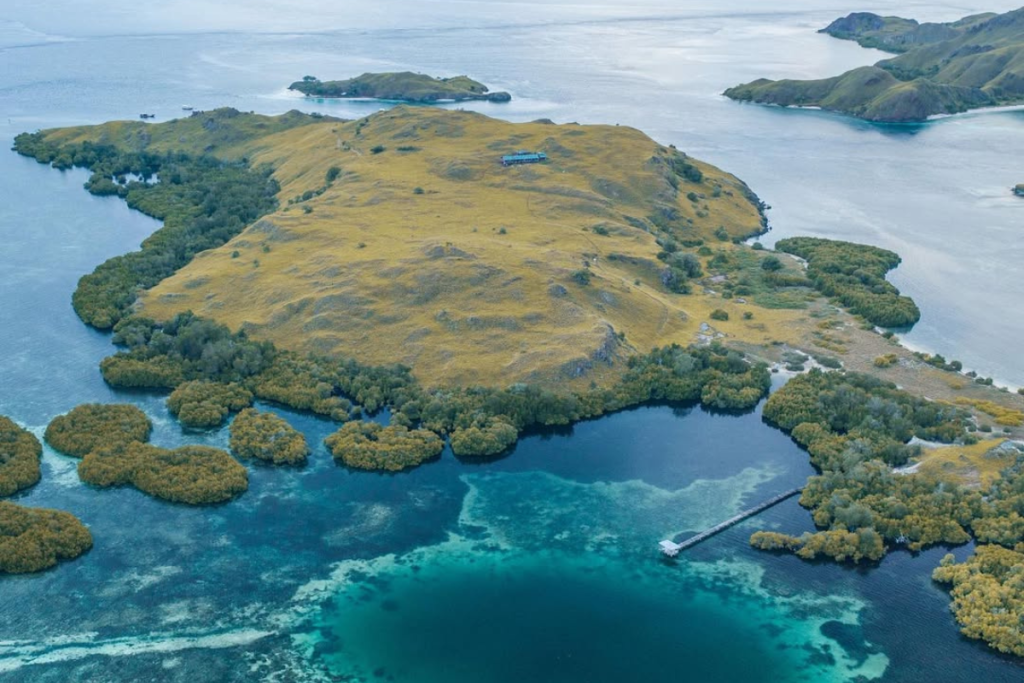
Book a trip to these islands for people who want to enjoy the underwater in less crowded areas. Don't forget to bring your gear and camera, as it's a shame to miss out on diving.
You can consider those islands as hidden gems, so even though they are not as popular as the others, the scenery is still beautiful. This makes them perfect if you prefer an off-the-beaten-path vacation.

Now, let's bring your note and learn how to navigate around. To enjoy this place the best, you need at least 3 days. Pick the best choices based on your most wanted activities and plan your itinerary, especially if you love to do both trekking and diving, because the options are so varied that they can be completed quickly.
To avoid confusion, here are some tips for navigating around here just for you!
The best way to come here is by liveaboard from Labuan Bajo or Lombok. Joining an open trip is also a good alternative, as it allows for some island hopping, considering that not all the places are accessible from the exact location. There is also no public transportation. Mobility will surely be hard if you're alone.
Always check the weather conditions and ocean currents before exploring the park. The best time to visit is on sunny days. Avoid coming if there is heavy rain or a storm because the ocean currents are more unstable and dangerous.
Last but not least, make sure your guides are licensed, especially for trekking and diving. The dragons are dangerous, and so is the ocean. So, for your safety, don't hesitate to ask for the guard’s license before you hire them.
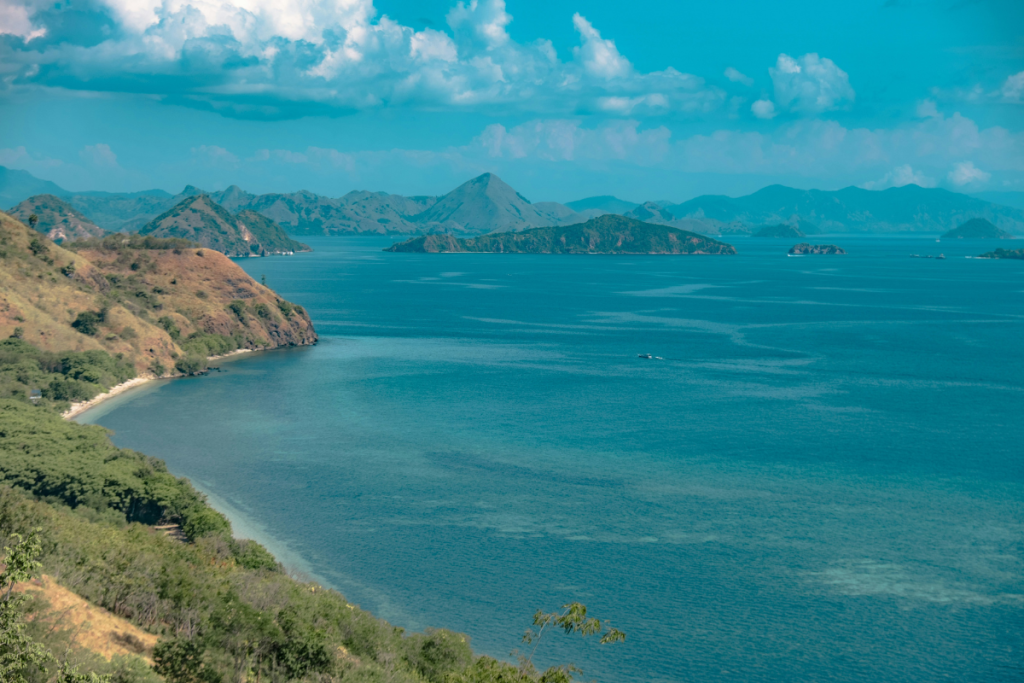
Get the most flexible itinerary by sightseeing boat or speedboat from Bali, Lombok, or Labuan Bajo with Lombok Touristic! We can take you to all the islands as you wish.
You can pick some or all places from the map of Komodo National Park according to your preference, from a one-day trip to a liveaboard 3-day 2-night trip. An experienced and licensed local guide will accompany you from start to finish. So, are you ready to go on a trip with Lombok Touristic?
The first thing you will think of when thinking of Komodo National Park animals is the dragons. They're very iconic, and they usually become why people come here. But did you know they're not the only ones who called this place home?
This conservation area is inside the Wallace Line, which separates the fauna from Asia and Australia.[1] So, it is not surprising that you can find multiple unique and distinctive fauna here. If you are curious about them, here's the Komodo National Park animals list!
Most people will definitely agree that Eastern Indonesia is a paradise for nature lovers, especially for people who love wildlife. There are Bird-of-Paradises in Papua, Anoa in Sulawesi, King Parrot in Maluku, Komodo Dragons in Nusa Tenggara, etc.
All of them are endemic fauna, but for the dragons, they are hard to find anywhere other than their natural habitat in East Nusa Tenggara. The number is also minimal. So, to avoid the extinction of the animals, the Indonesian government established a conservation area called Komodo National Park.
However, dragons are not the only ones that can be found here. The park is one of Indonesia's richest biodiversity conservation areas, so the fauna is varied. It consists of three big islands: Komodo, Rinca, and Padar. Some other smaller islands nearby are also included in the area.
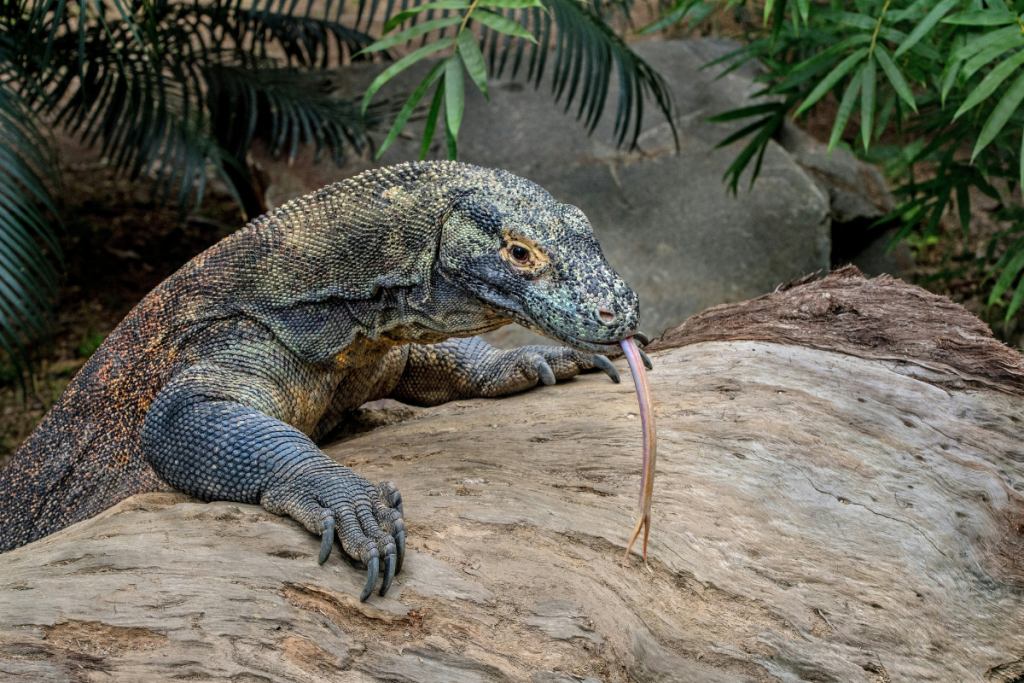
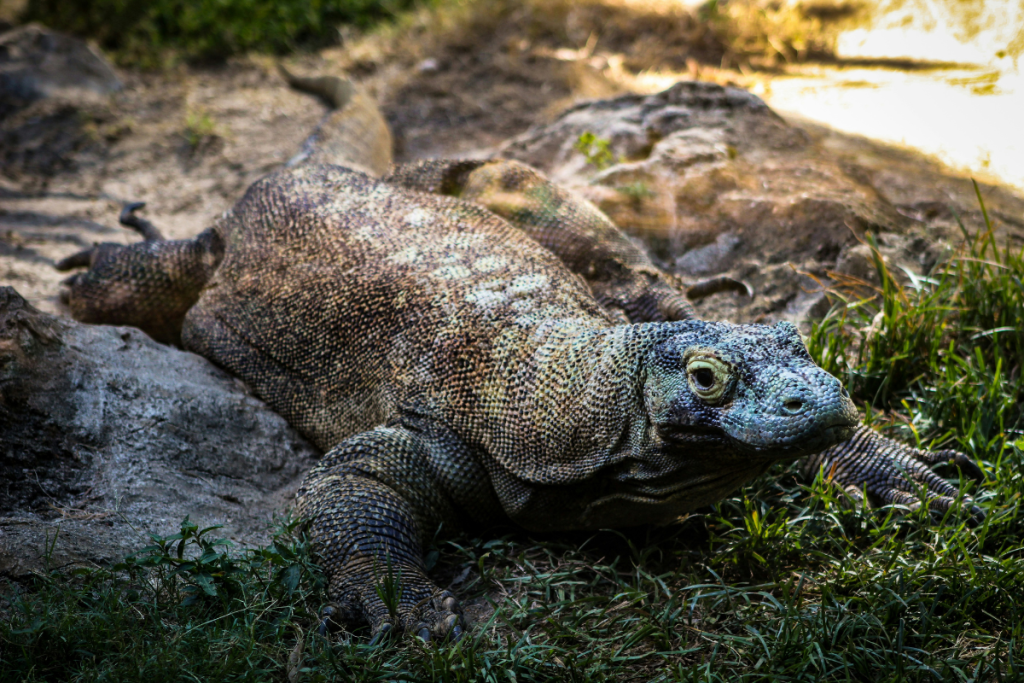
As mentioned before, this giant lizard is probably the reason why people come here. The Dragon (Varanus komodoensis) is the biggest lizard in the world. They can even grow up to 3.13 meters long (10 feet 3 inches).[2]
So, are there Komodo Dragons in Komodo National Park? The answer is yes. Since the 1970s, this place has been solely their home. There are only around 3,500 of them alive on Komodo Island and Rinca Island.[3]
If you want to meet them, you can visit those islands. But make sure to be careful because they're such cold-blooded carnivores. They're fast, agile, and aggressive. Their bite is also deadly. Keep your distance and do not provoke them for your safety.
Then, what animals live on Komodo Island aside from the dragons? The first one on the list is terrestrial fauna. Here are the most common ones!
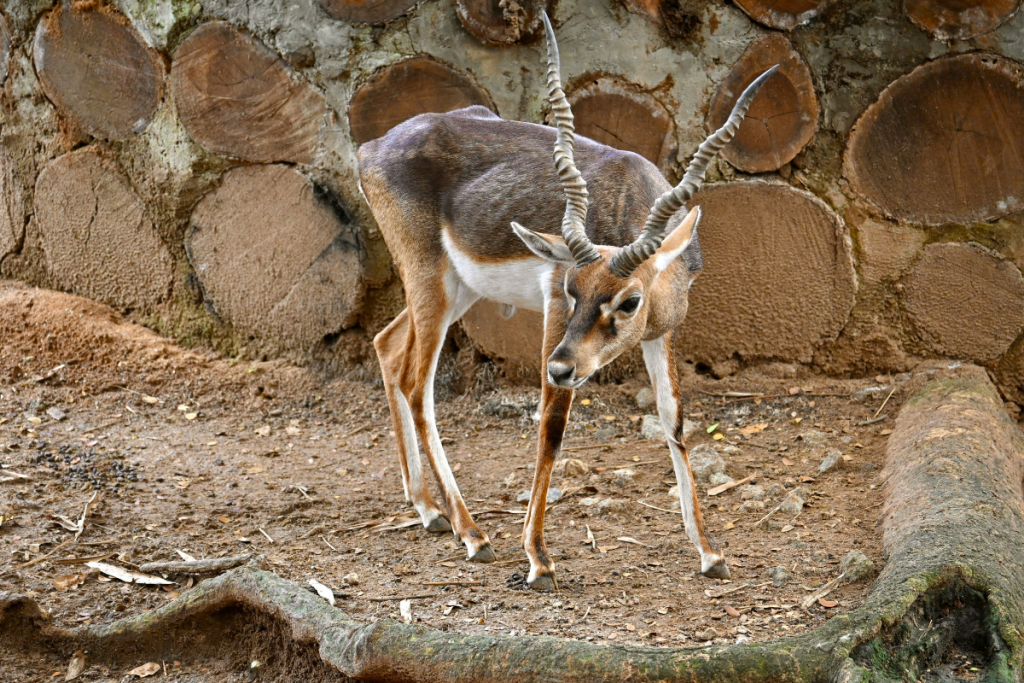
Its Latin name is Rusa timorensis. They're included in the Komodo Island animals list and become the main prey for the dragons. You can mostly see them in the savannah and around the trekking area, because it's their natural habitat.
They typically resemble other tropical deer, with some distinctive features, ranging from reddish-brown to brownish-gray, and a white belly and tail. The male species is bigger than the female, and they become the leader of their family.
Sadly, their numbers in the wild continue to decrease as the dragons prey upon them. Although male deer have a habit of mating with more than one female, they usually only have one child per year. These are the factors that make them endangered.
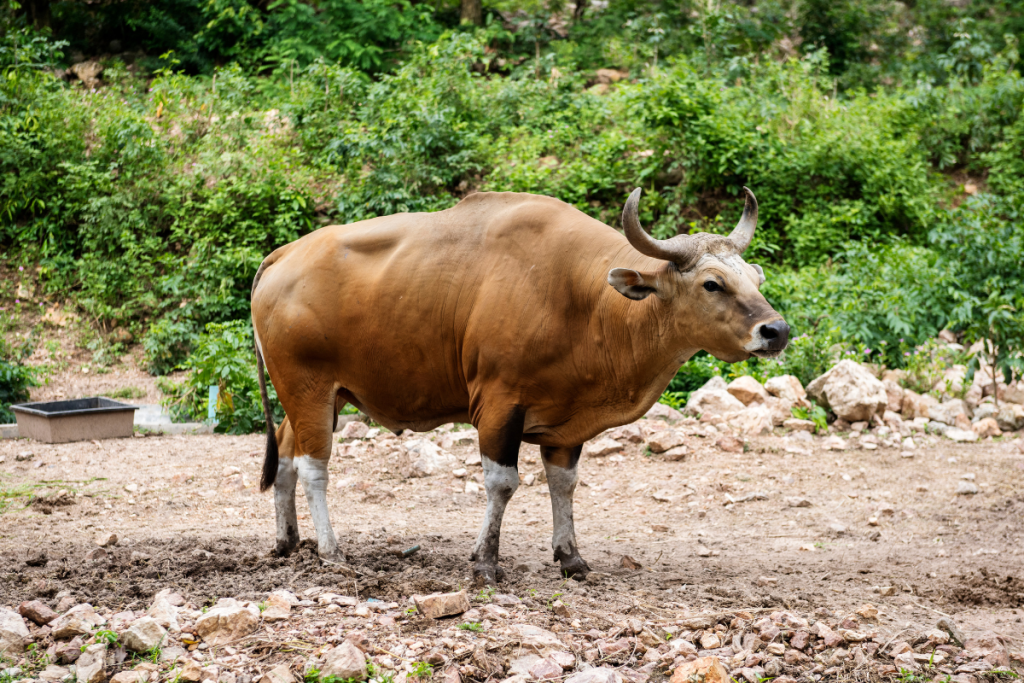
They are often seen soaking in swamps or small lakes. Even though they're terrestrial fauna, they love water. Their presence creates an interesting dynamic in the dragon's food chain because Komodo dragons can swim. So, they are the dragons’ prey on land and in the water.
Apart from being a reliable swimmer, the buffalo also has several unique characteristics. They have a large and muscular body with curved horns. Their fur tends to be gray or black. Because they live in tough terrain, their feet are shorter and more challenging than any other buffalo's. They also tend to be heavier.
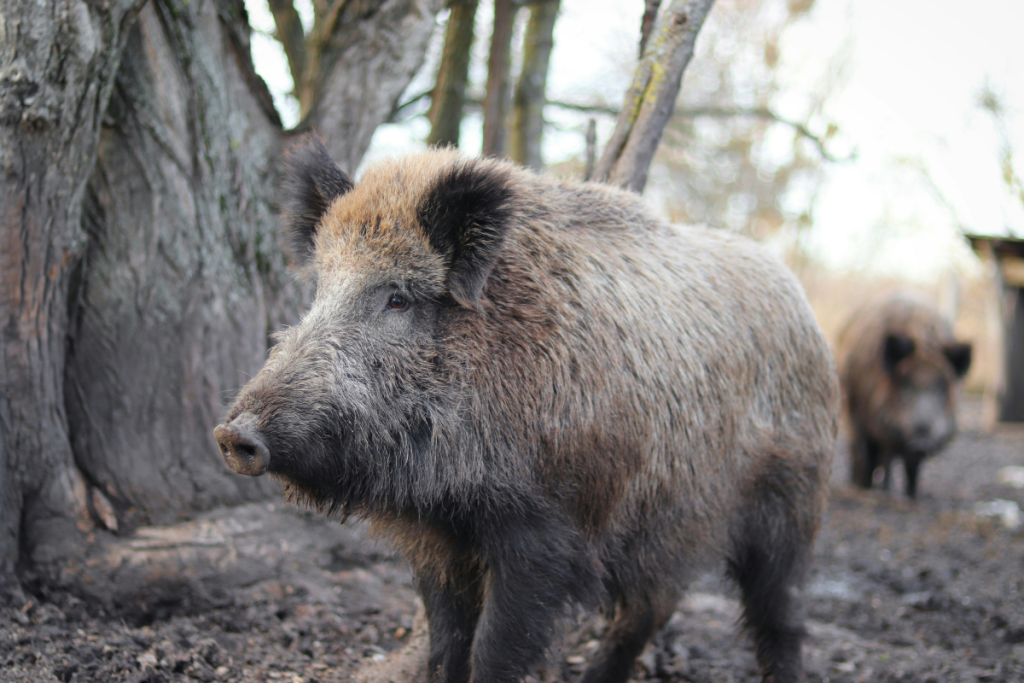
They live in forests and savannas, usually active in the morning or evening. Their existence is essential because they play a vital role in maintaining the balance of the terrestrial ecosystem. Without them, the food chain in the national park will not be complete.
The reason is simple: they can reproduce quickly. So, even though they're also the Komodo Dragon's main source of food, their population is still safe. They're quick, agile, and easily adapted to their habitat. Most of them are omnivores; they eat roots, tubers, fruits, insects, and carcasses.
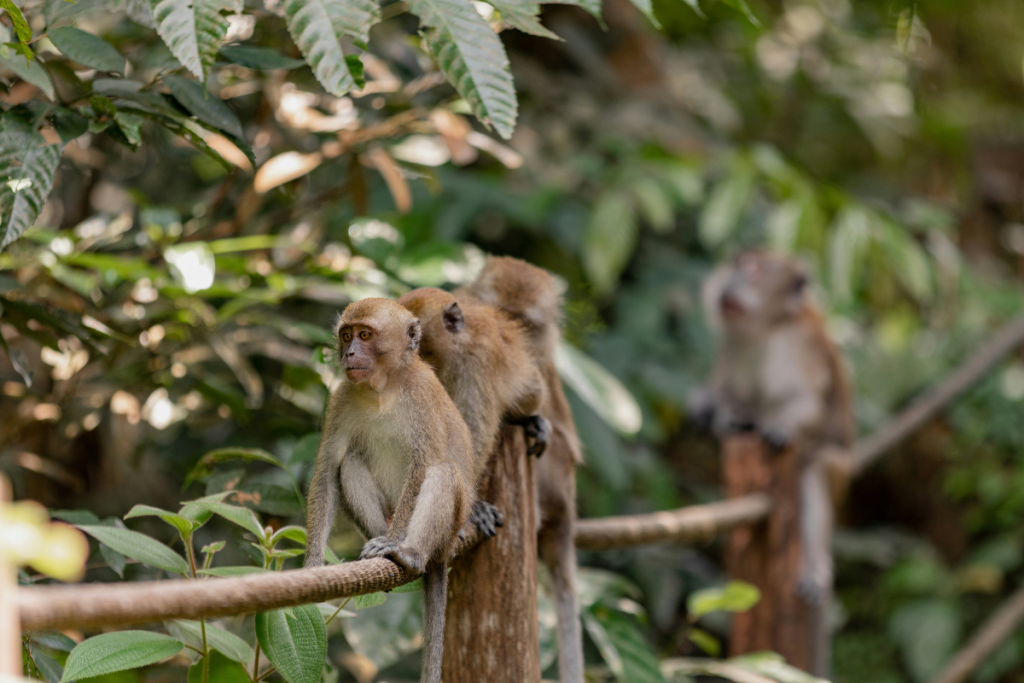
One of the primates is found in the national park, especially in mangrove forests. They usually live in large groups and have a complex social structure. Male monkeys migrate independently and enter a new group with lower positions when they're older.
Their height is usually shorter than their tail, which is why they got the name. For the fur, the color varies from grayish brown to tengguli, with a paler belly. You can find them near the beach, because they can play and eat there. Most of them are eating crab and fish.
There are many things to see in Komodo National Park, including the avian species. That's why some people call this place a birdwatcher's paradise.
Here are the most popular ones!
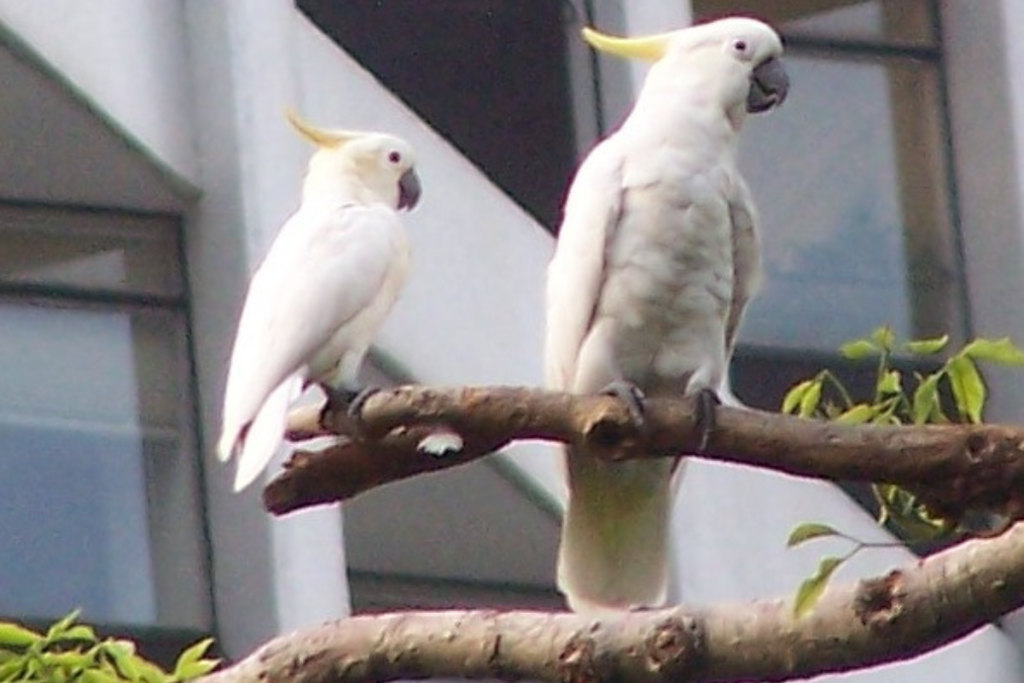
Its Latin name is Cacatua sulphurea. They're an endangered endemic bird. You can usually see them in Rinca or Nusa Kode Island. Most of their plumage is white, but they have yellow patches under their wings. They also have a black beak, and the plumage around their eyes is blue.
Aside from beautiful and distinctive features, the cockatoo also has a loud voice. They live in a large group and usually use their voice to communicate with each other. Probably one of the most interesting birds in Komodo National Park.

Even though they're birds, they mostly live on land. You can categorize them as small megapode birds. They're often seen hiding in the bushes. To distinguish it from other megapode birds, you can look at the size of its body and the color of its legs. It's because they are smaller and have yellow feet.
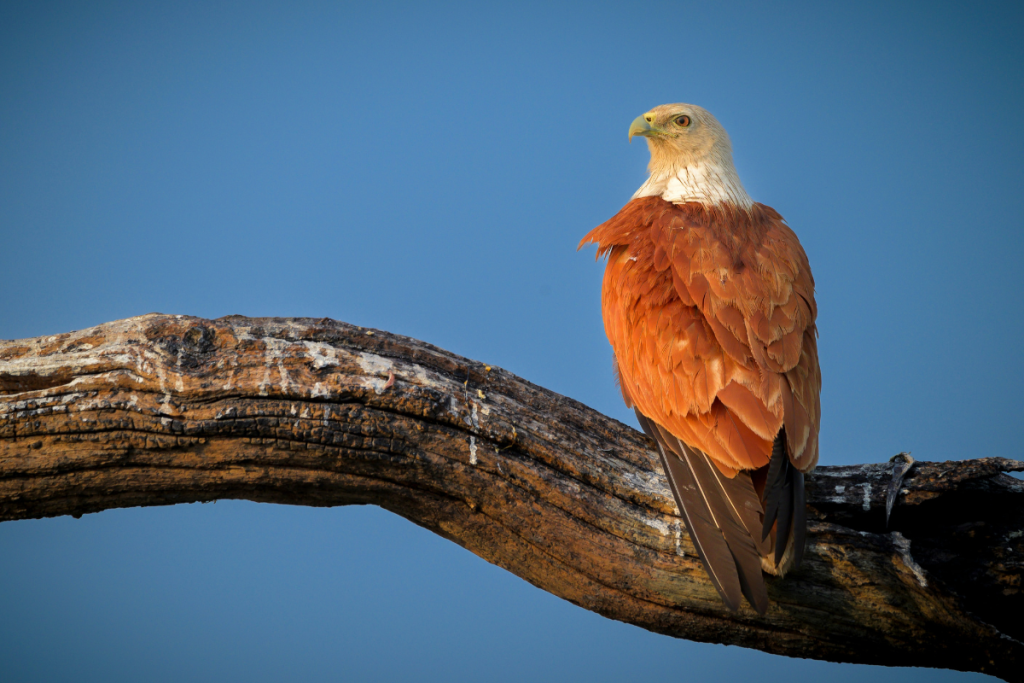
The dragon is not the only predator here. There are also Brahminy Kites, a bird predator that often hover in the sky looking for small prey on land and the water surface. They have a distinctive way: toich is to fly up quickly, interspersed with a floating motion in the air, then swooping sharply with their wings folded.
Most of them have broad wings with a short tail and are rounded when stretched. For the plumage, their heads are usually white. It spreads to the neck and chest. However, the rest of their feathers are either brown or brick red, getting darker toward the tail. Their feet are not yellow like many other birds.
This place is also famous for its marine biodiversity. That's why people often search for Komodo National Park snorkeling and diving. Here are some examples of marine life that you can see!
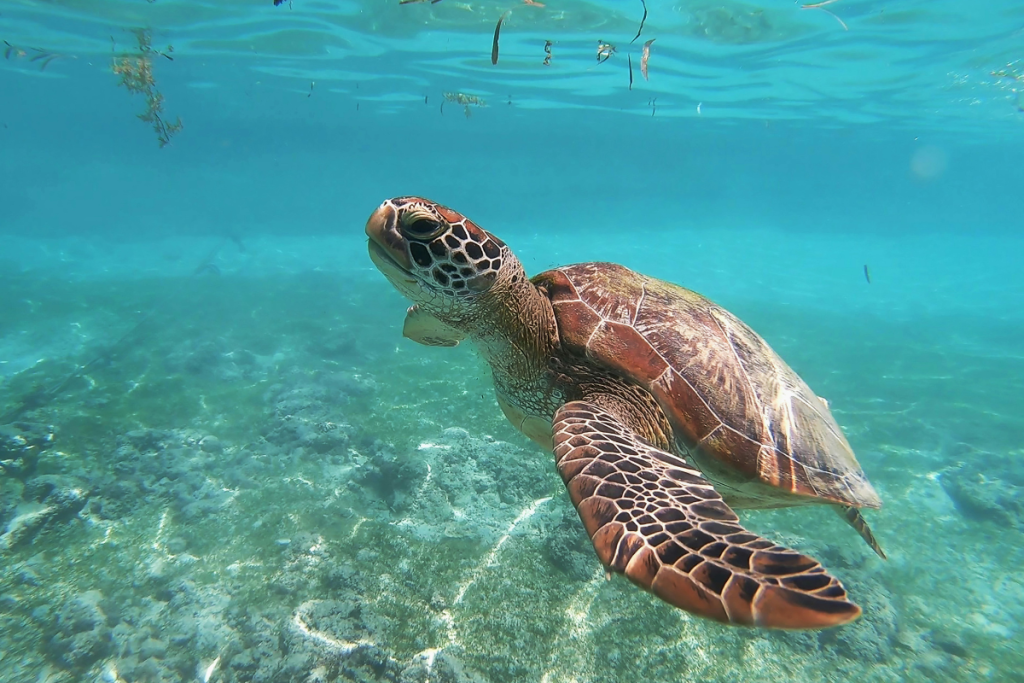
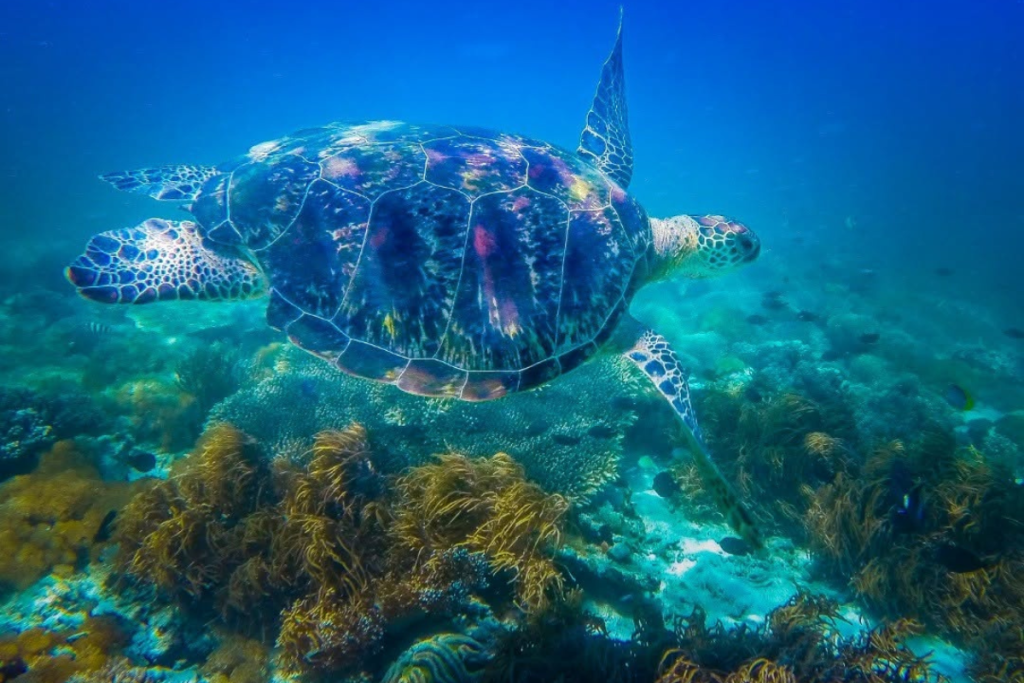
Often seen when you're doing Komodo National Park diving and snorkeling. There are a few species, but the most common are the Green and Hawksbill. The Green Turtles are usually bigger than the Hawksbills.
They are considered endangered (Green) and critically endangered (Hawksbills) species. Fortunately, both of them are protected in this conservation area. They even often lay eggs on some of the park's secluded beaches.
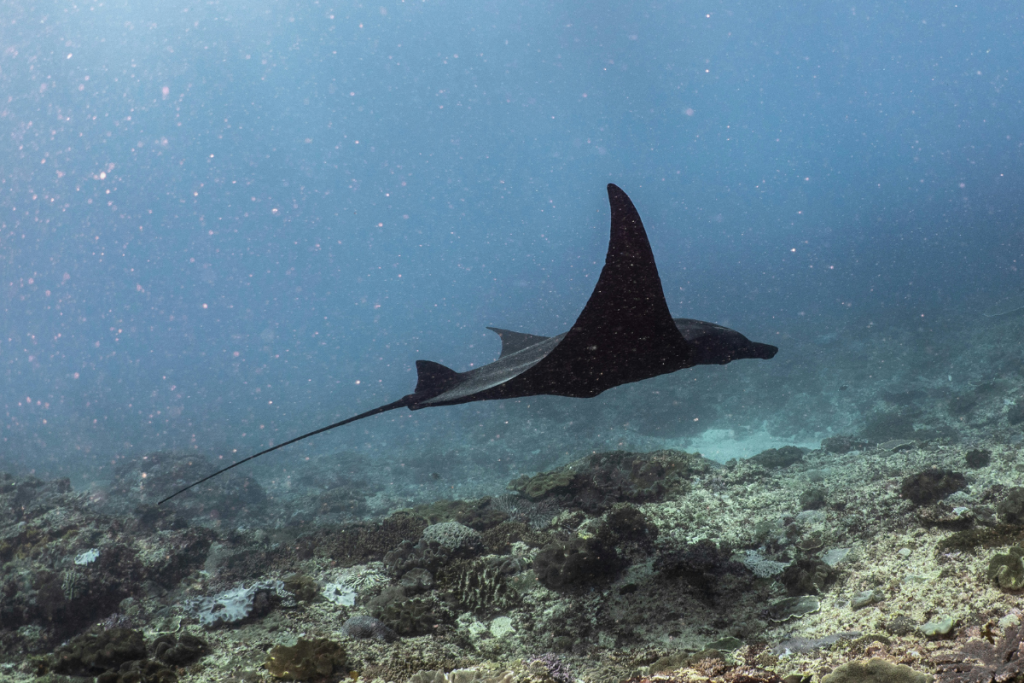
The most iconic marine life for Komodo diving is found primarily in Manta Point. They're the biggest stingrays in the world. The biggest one found has a wingspan of up to 26 feet (8 meters) and a weight of up to 5,300 pounds (2,404 kg).[4] You can swim with them here.
Some rays have black fur and white bellies, while others are entirely black. But, you usually can find distinctive spot patterns to distinguish one individual from another.
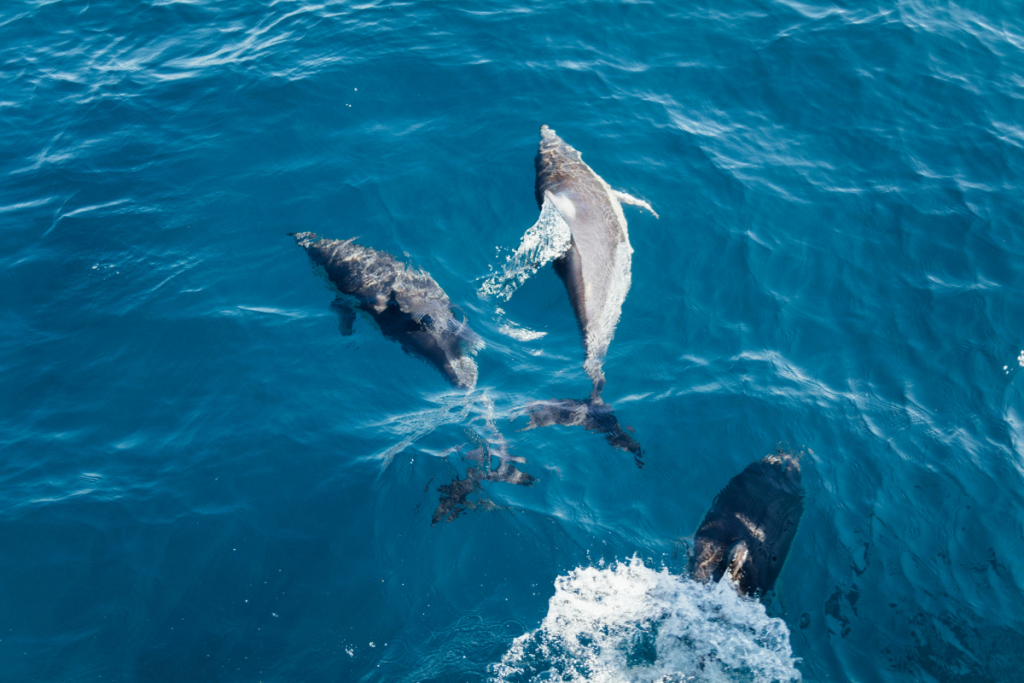
If diving and snorkeling are not your cup of tea, you can also see some marine life while island hopping here. The most common ones are dolphins and whales. They usually swim freely and jump on the surface for you to see.
Multiple species exist, such as Bottlenose Dolphins, Spinner, Rough-toothed, and Indo-Pacific Bottlenose. Sometimes, you can also find the rarer species like Fraser Dolphins. You can also find multiple species of whales, such as Blue Whales, Fin, Sperm, Humpback, Pilor, and Sei.
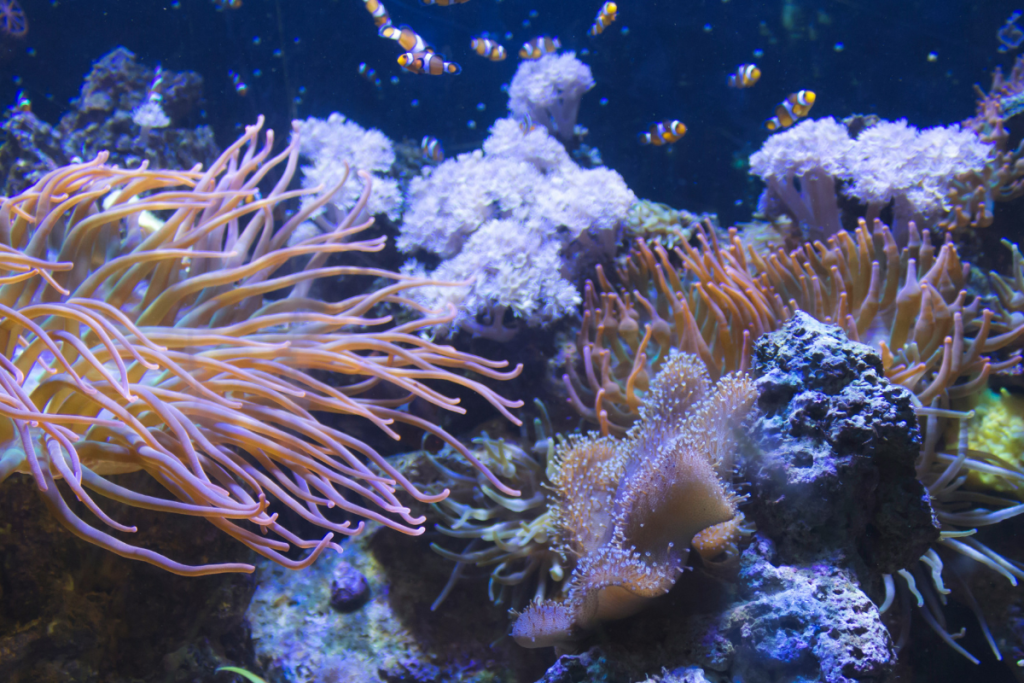
This is why Komodo snorkeling is very popular among tourists. It's because you can find more than 1,000 fish species and more than 250 corals. So, the underwater world looks like it has come straight from paradise.
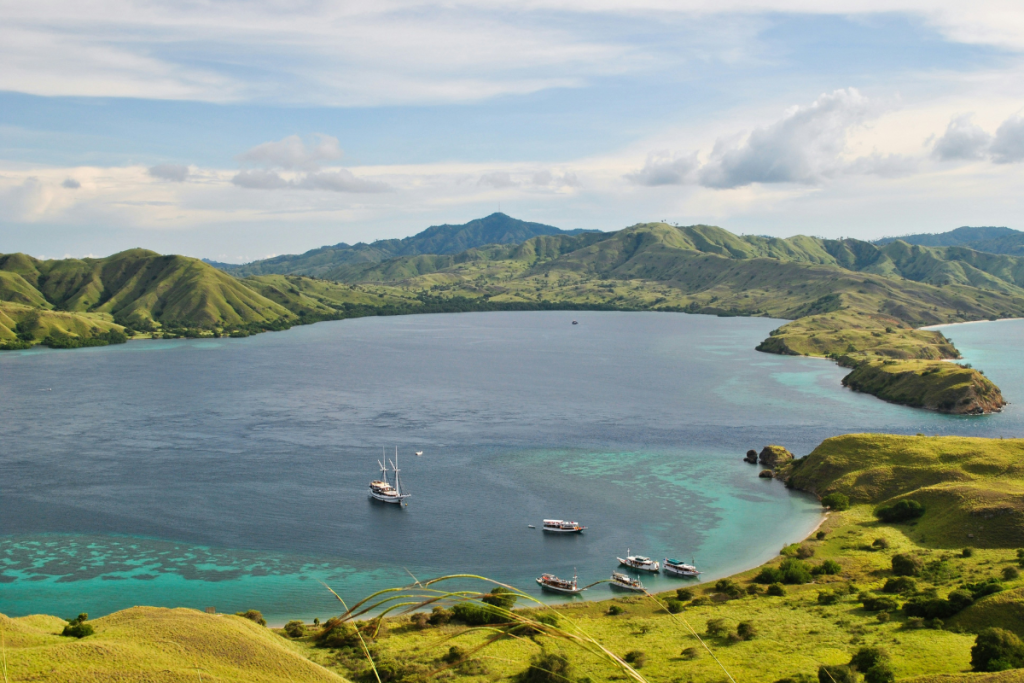
Enjoy a comprehensive tour to explore the beauty of this national park from the land to the sea with Lombok Touristic. Customize your own journey, from trekking for Komodo dragons, snorkeling on remote beaches, to liveaboard diving according to your preference.
You can meet multiple Komodo National Park animals with us. We offer services from Bali and Lombok with licensed tour boats and professional guides. So, what are you waiting for? Let's book a tour with Lombok Touristic immediately!
Ever dreamt of venturing into a land where ancient reptiles roam free, where the raw beauty of nature unfolds before your very eyes? Get ready to ignite your inner explorer because Loh Buaya Komodo National Park on Rinca Island is calling your name.
Prepare for an encounter with the wild that will leave you breathless!
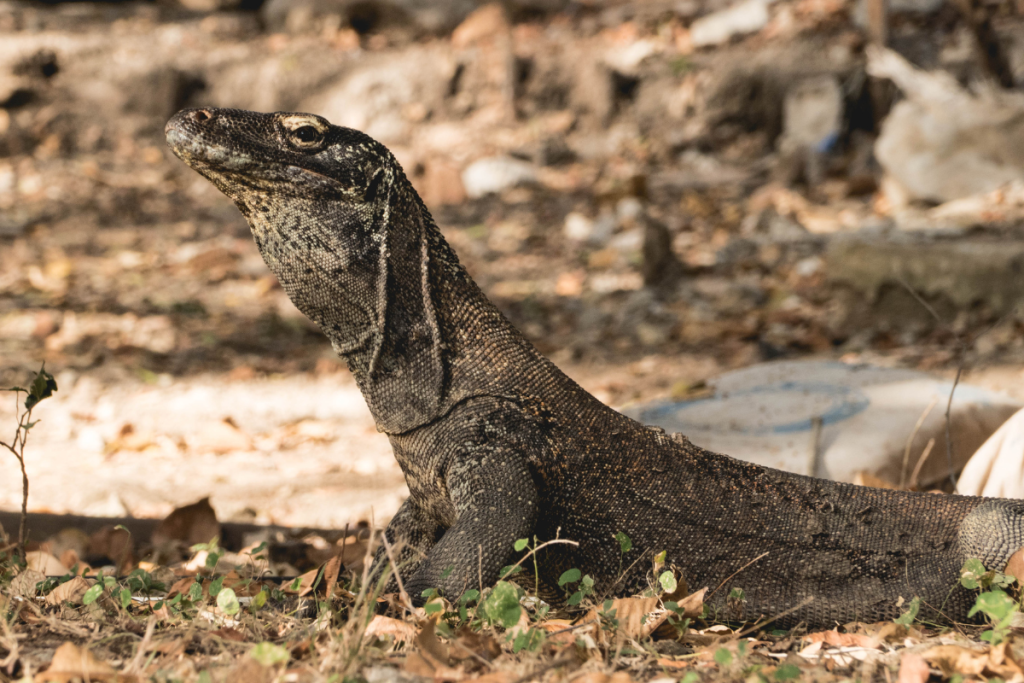
Loh Buaya is one of the two main gateways that welcome you to the incredible Komodo National Park, and you'll find it nestled on the captivating Rinca Island.
If your ultimate goal is to witness the legendary Komodo dragons in their natural, unscripted environment, then Loh Buaya is a prime contender. This side of the park offers a truly authentic wildlife experience.
Because Rinca Island is less visited than Komodo Island, you might have more breathing room to soak it all in: fewer crowds, more raw nature, and higher chances of spotting dragons up close. Plus, the elevated wooden boardwalks here give you a unique vantage point as you move through the habitat—safe, scenic, and super immersive.
What sets it apart? The trekking trails here feel more adventurous, winding through a wilder, more natural landscape than the trails on Komodo Island's Loh Liang. Get ready to feel like a true explorer!
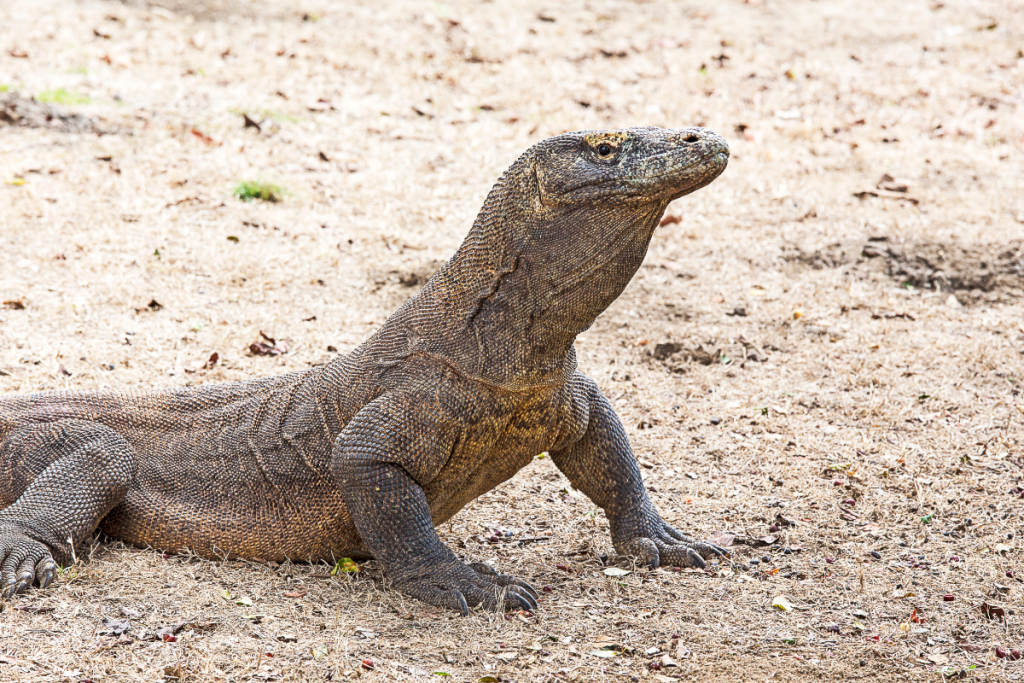
Here's the inside scoop on why Loh Buaya holds a special place in the hearts of many Komodo adventurers.
One of the biggest draws is that Komodo dragons are often more readily found here. Rinca's more open savanna ecosystem provides less dense vegetation, making it easier to spot these magnificent creatures basking in the sun or lumbering through the grasslands.
If you're looking for a more serene and intimate experience with the wild, Loh Buaya tends to be a bit quieter than Loh Liang. This allows for a more profound connection with the natural environment and a greater sense of immersion in the Komodo dragon's domain.
And let's not forget the scenery! Rinca Island boasts a stunning tapestry of rolling hills, intriguing mangrove forests, and secluded, pristine beaches. Every turn offers a potential postcard-worthy view.
The best part? Loh Buaya has recently undergone renovations, making it even more visitor-friendly. You'll find well-maintained trekking platforms, strategic viewing decks for safe dragon observation, and an informative visitor center to enhance your understanding of this unique ecosystem.
If you're a fan of wildlife photography, Loh Buaya offers golden opportunities. With fewer trees blocking your view and Komodo dragons often wandering closer to the main trails, you can capture those once-in-a-lifetime shots without needing a zoom lens from outer space. Remember to keep a respectful (and safe) distance while snapping away.
Another thing that sets Loh Buaya apart is its immersive trekking experience. Unlike some more structured trails, you feel like you're stepping into the dragons’ backyard here.
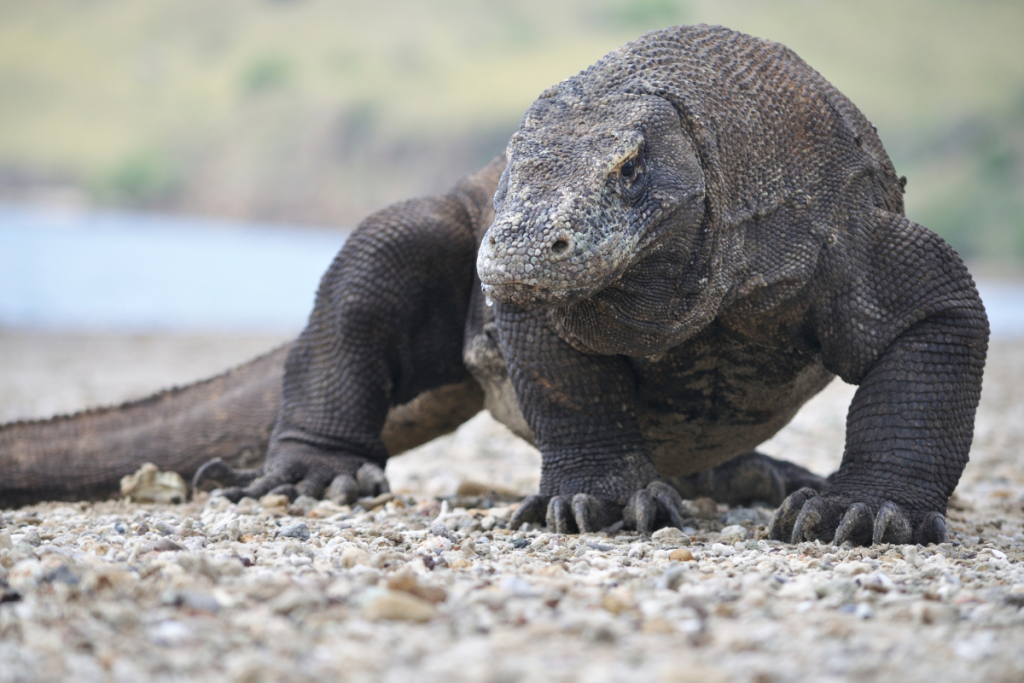
Get ready to immerse yourself in the raw beauty and wildlife wonders of Loh Buaya. Here are some of the incredible activities that await you:
Lace up your boots and prepare for an adventure on foot! Loh Buaya offers a range of trekking trails, each catering to different fitness levels and time constraints.
The short track provides a fantastic introduction to the landscape and offers a good chance of spotting Komodo dragons without a strenuous hike. It's perfect if you're short on time or prefer a leisurely stroll.
For a more immersive experience, the medium track takes you deeper into the savanna and hilly terrain, increasing your opportunities to encounter diverse wildlife and soak in the panoramic views.
Suppose you're feeling adventurous and want to explore the heart of Rinca truly. In that case, the long track will reward you with breathtaking vistas and a higher probability of encountering a wider variety of fauna, including the elusive Komodo dragons.
Remember, you'll be accompanied by an experienced and knowledgeable ranger on all treks, ensuring your safety and providing fascinating insights into the park's ecosystem. Their sharp eyes are invaluable for spotting wildlife!
Beyond the iconic Komodo dragons, Loh Buaya is a haven for various fascinating wildlife. Keep your eyes peeled, because you never know what you might encounter around the next bend.
You might witness herds of wild buffalo grazing peacefully in the open plains, their powerful presence adding to the untamed atmosphere. Graceful Timor deer often roam the island, their elegant movements a stark contrast to the Komodo dragons' more reptilian gait.
And for you bird enthusiasts, the skies and trees around Loh Buaya are alive with a symphony of exotic birds. Bring your binoculars and try to spot colorful species flitting through the foliage. Every rustle in the bushes or call from above could reveal another of Rinca's wild inhabitants.
Calling all photography buffs! Loh Buaya offers unparalleled opportunities to capture the raw beauty of nature. The dramatic landscapes, from the savanna's golden hues to the hills' verdant slopes, provide a stunning backdrop for your shots.
Imagine framing a majestic Komodo dragon against the backdrop of the rugged terrain, or capturing the golden light of sunrise or sunset, painting the hills in breathtaking colors. The unique ecosystem and diverse wildlife offer endless photographic possibilities.
Whether you're a seasoned pro or just love snapping pictures with your phone, Loh Buaya will fill your memory cards with incredible images. Consider dedicating a specific trek to photography, allowing you ample time to set up your shots and wait for the perfect moment.
To enrich your experience beyond the wildlife encounters, consider a cultural visit to a nearby traditional village, such as Kampung Rinca. This offers a fascinating glimpse into the local way of life and the traditions of the people who have coexisted with the Komodo dragons for generations.
You'll have the opportunity to interact with the villagers, learn about their customs, see their unique architecture, and perhaps even witness traditional crafts. This cultural immersion provides a valuable perspective on the human element within this extraordinary natural environment and adds another layer of depth to your Komodo adventure.
It's a chance to connect with the local community and better understand their relationship with the park and its iconic inhabitants.
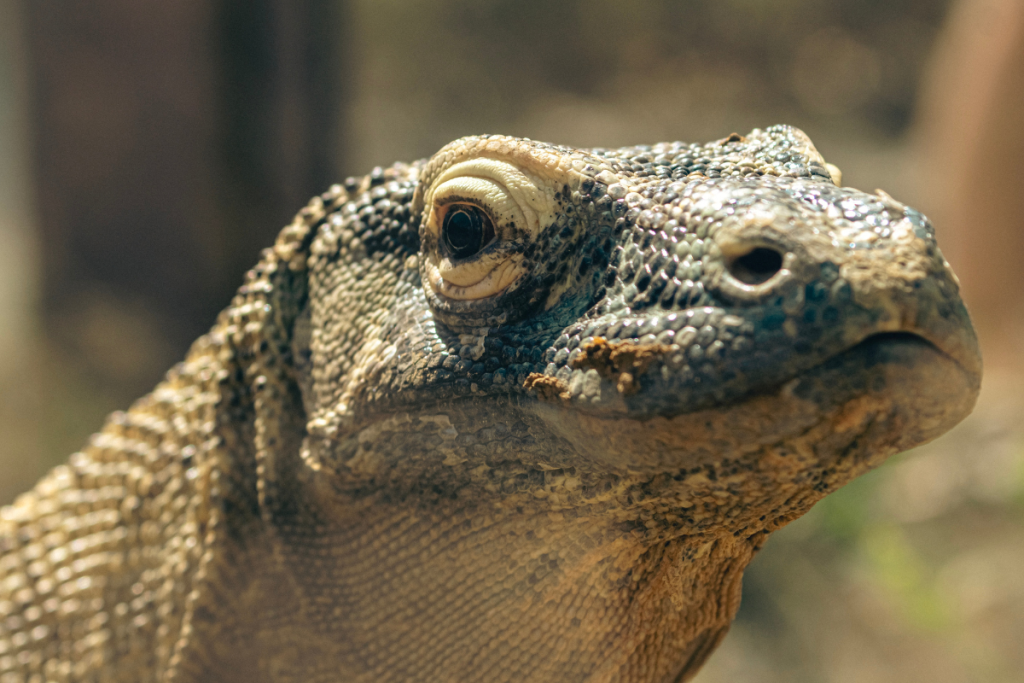
So, you're planning your Komodo adventure and wondering whether to focus on Loh Buaya or Loh Liang? Here's a little side-by-side to help you decide, keeping in mind that "better" really depends on what you're looking for.
Think of Loh Buaya as the wilder, more rugged option. If your priority is a higher chance of spotting Komodo dragons in a more natural, less crowded setting, and you're up for slightly more adventurous trekking, then Loh Buaya might just steal your heart. The open savannas make dragon sightings a bit more frequent, and the overall atmosphere feels more untamed.
On the other hand, Loh Liang on Komodo Island often boasts slightly more developed tourist facilities. The trails might be a bit more manicured, and it can sometimes be a bit busier. However, it also offers its own unique charm and diverse landscapes. If you prefer more established infrastructure and a wider range of easily accessible trails, Loh Liang could be a great fit.
Ultimately, there's no single "better" choice. If you have the time, experiencing both Loh Buaya and Loh Liang will give you a more comprehensive appreciation for the diversity of Komodo National Park.
You'll see different landscapes and observe the Komodo dragons in slightly different habitats. Consider your priorities, wild encounters versus more developed facilities, to make the best choice for your adventure.
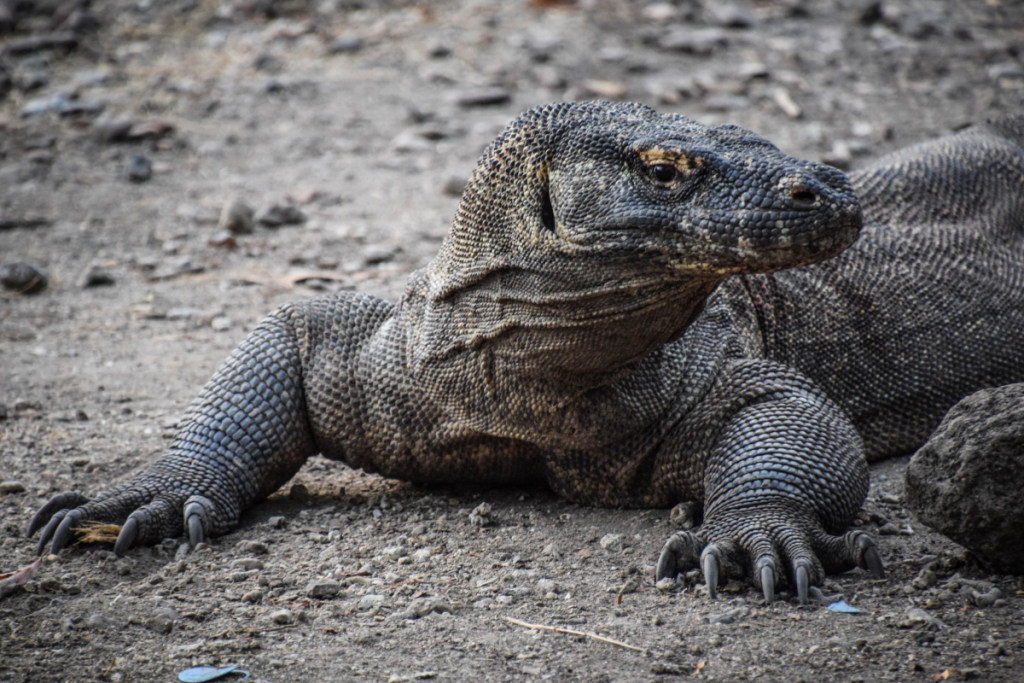
Ready to dive into the wild heart of Rinca and experience the magic of Loh Buaya? Lombok Touristic can make it happen seamlessly.
Why choose Lombok Touristic?
Whether you have just a day to spare or are looking for a multi-day sailing expedition through the Komodo archipelago, Lombok Touristic has options to suit your timeframe and travel style.
Rest assured, all their tours are led by a professional and experienced team dedicated to your safety and enjoyment. You'll travel on safe and comfortable boats, allowing you to relax and soak in the stunning scenery as you journey to and around Loh Buaya.
Let Lombok Touristic take care of the logistics, so you can focus on the thrill of encountering Komodo dragons in their wild domain at Loh Buaya Komodo National Park!
Ever dreamt of setting foot on an island where dragons roam free? Picture yourself trekking through stunning landscapes or diving into a vibrant underwater world. But before you pack your bags, you're probably wondering about one crucial thing: the Komodo National Park weather.
Fear not, intrepid traveler! We're about to unravel the climate secrets of this extraordinary destination, so you can confidently plan your adventure.
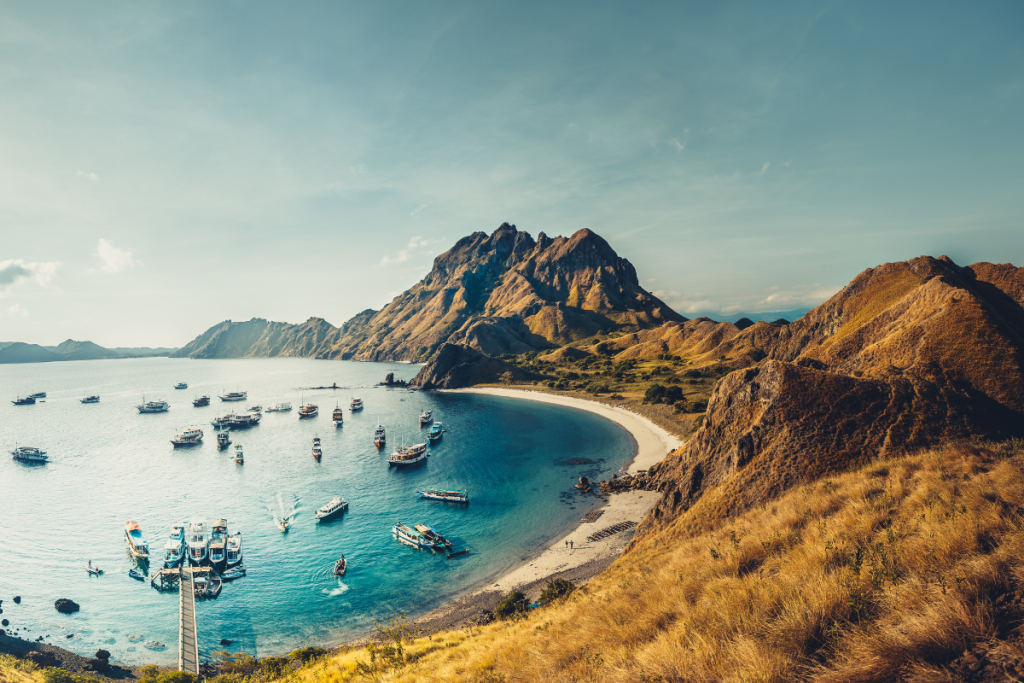
Let's get you acquainted with the general vibe of Komodo's climate. Think tropical savannah, which means you can expect warm temperatures throughout the year.
Interestingly, compared to many other lush corners of Indonesia, Komodo National Park tends to be on the drier side. This is a big plus because it means the park is generally accessible and enjoyable for most of the year.
The rhythm of the seasons here is dictated by two leading players: the dry season, when the sun shines bright, and the wet season, when occasional tropical showers sweep through. Understanding these two phases is key to planning your perfect Komodo escape.
Humidity levels can vary depending on the month, but you’ll rarely feel that sticky, heavy heat like in Bali’s rainforest regions. It’s warm but breezy and bearable, especially when you're out on the water or hiking the scenic trails.
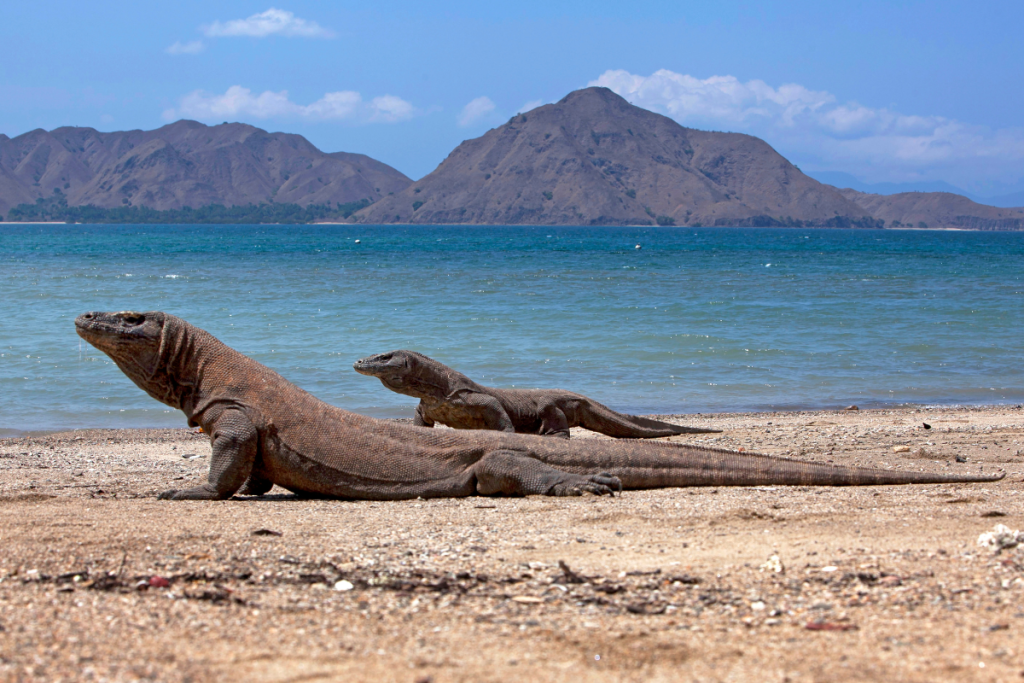
Imagine sun-drenched days stretching out before you, with clear blue skies as your backdrop. This is often considered the golden window for exploring Komodo National Park.
The thermometer typically hovers between a comfortable 27°C and a balmy 32°C. It's warm enough to feel tropical but generally without the intense humidity of the wet season.
Why make your move now? For you diving and snorkeling enthusiasts, this is prime time. The underwater visibility is at its absolute best, revealing the stunning coral reefs and the incredible marine life in all their glory.
Plus, the Komodo dragons tend to be more active and easier to spot on land during these drier months. And if you're all about those picture-perfect views and island-hopping adventures, the clear skies offer unparalleled scenic beauty.
It’s also the best time if you’re looking to avoid unexpected weather surprises. Rain showers are rare, so you can plan your hikes, boat rides, and photography sessions without constantly checking the forecast. That kind of freedom? Priceless.
And let’s not forget the magical sunsets. During the dry season, golden hour hits differently in Komodo. You’ll witness the sky burst into fiery orange, pink, and violet hues as the sun dips behind the dramatic island silhouettes. It’s the kind of moment that sticks with you forever.
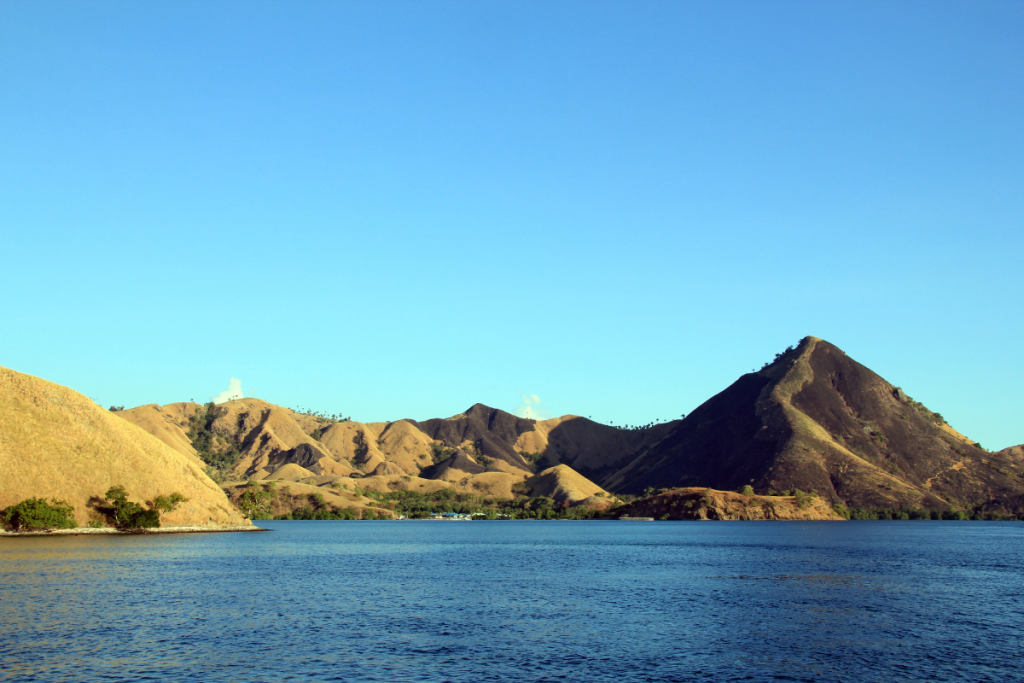
Now, let's talk about the wet season. Don't let the name deter you entirely, but knowing what to expect is good. You might encounter periods of heavier rainfall, particularly in January and February, which are often the peak of the wet season.
Temperatures during this time generally range from around 26°C to 31°C. While the mercury might dip slightly, you'll likely notice higher humidity levels in the air.
Things to keep in mind: The sea conditions can sometimes get a bit rougher during the wet season, which might impact boat tours and ferry schedules. For divers, some dive sites might experience reduced underwater visibility due to the increased rainfall and runoff.
However, it's important to note that the park remains open, and you can still have a fantastic experience. Just be prepared for Labuan Bajo weather to potentially influence your daily itinerary.
Another bonus? Fewer tourists. If you prefer a quieter, more serene experience, the wet season is your sweet spot. You’ll get more space to enjoy the views, the beaches, and yes—the dragons—without jostling through crowds or waiting in long lines for the perfect photo.
And here's a little secret: the islands look especially lush and vibrant during this time. The landscape transforms into a green paradise, making your trekking routes even more visually stunning. So bring a rain jacket, embrace the tropical vibes, and let the adventure unfold—rain or shine.

Let’s break it down month by month so you can pick the perfect time to explore the wild beauty of Komodo National Park from Bali. Yep, knowing Komodo weather means knowing when to trek, dive, or just soak in the view without being soaked yourself.
In the wet season (January to March), expect warm temps around 26–30°C and quite a bit of rain. But here’s the good news—fewer crowds! It’s actually a magical time for wildlife photography and peaceful moments in nature. As the season transitions in Komodo weather March, visibility starts improving for diving too.
April to October is prime time—dry, sunny, and buzzing with life. Whether you want to hike the rugged paths of Padar Island or snorkel over colorful reefs, these months are gold.
July and August? That’s manta ray season, so get your underwater camera ready. Expect a bit more rain toward the end of the year in November and December, but it’s still great for exploring if you're okay with the occasional drizzle and fewer tourists around.
To give you a more granular view, here's a breakdown of what the Komodo island weather by month typically looks like, along with some activity recommendations to help you plan:
| Month | Season | Temp (°C) | Rainfall | Recommended Activities |
| January | Wet | 26-30 | High | Wildlife watching (potential for fewer crowds), photography |
| February | Wet | 26-30 | High | Wildlife watching, photography |
| March | Wet/Dry | 27-31 | Medium to Low | Trekking (later in the month), diving (improving visibility) |
| April | Dry | 27-31 | Low | Trekking, diving, snorkeling, island hopping |
| May | Dry | 28-32 | Low | Trekking, diving, snorkeling, island hopping |
| June | Dry | 28-32 | Low | Trekking, diving, snorkeling, island hopping |
| July | Dry | 27-31 | Low | Trekking, diving (manta season), snorkeling, island hopping |
| August | Dry | 27-31 | Low | Trekking, diving (manta season), snorkeling, island hopping |
| September | Dry | 28-32 | Low | Trekking, diving, snorkeling, island hopping |
| October | Dry | 28-32 | Low to Medium | Trekking, diving, snorkeling, island hopping |
| November | Dry/Wet | 27-31 | Medium | Trekking (early in the month), diving (visibility may decrease slightly) |
| December | Wet | 26-30 | Medium to High | Wildlife watching, photography |
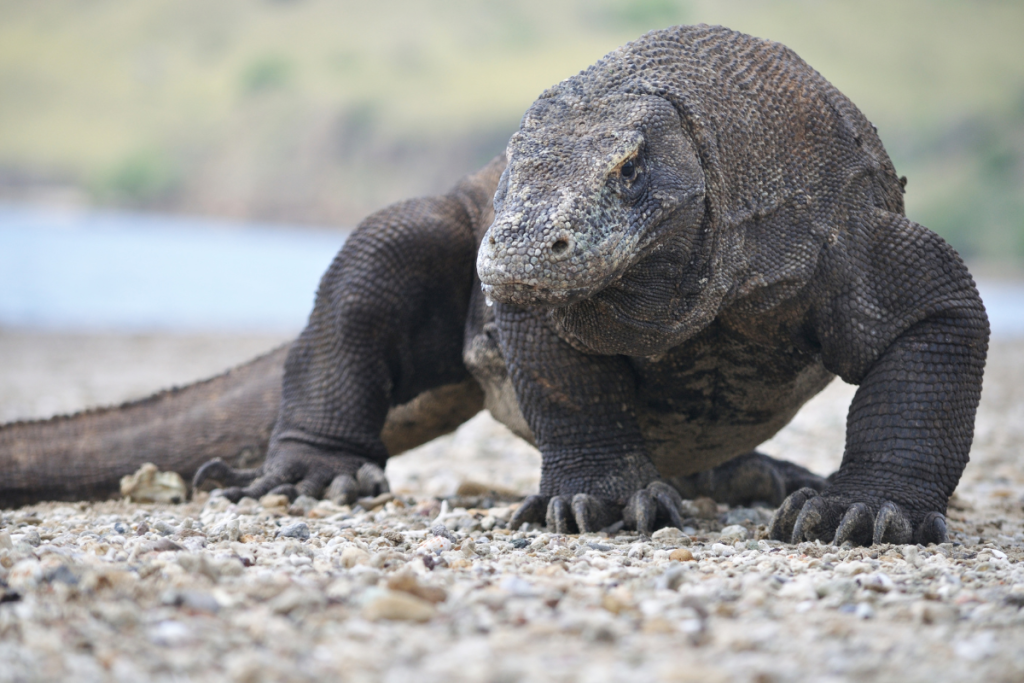
Smart packing is your secret weapon for a comfortable trip, no matter when you decide to visit Komodo.
Here's a breakdown of essentials based on the Komodo National Park weather:
For those glorious dry season days, think lightweight and breathable clothing. Natural fabrics like cotton and linen are your friends. Don't forget a wide-brimmed hat and sunglasses to shield yourself from the strong tropical sun.
If you're venturing during the wet season, a lightweight rain jacket or a poncho will be a lifesaver during those occasional downpours. Choose quick-drying fabrics for your clothes to stay comfortable even if you get caught in the rain.
No matter the time of year, reef-safe sunscreen is non-negotiable to protect your skin and the delicate marine environment. A reusable water bottle is also a must to stay hydrated in the tropical heat and to reduce plastic waste.
If your itinerary includes boat trips and hikes (and it likely will!), a waterproof bag is essential to keep your electronics and valuables dry. And speaking of adventures on foot, pack proper, comfortable footwear that can handle uneven terrain and potentially slippery surfaces.
Throw in a sarong or multipurpose scarf. It might sound simple, but this lightweight item can be a lifesaver. Use it as a towel, sunshade, cover-up, or even a blanket when the sea breeze kicks in during boat rides.
Don’t forget a basic first-aid kit. Nothing fancy—just the essentials: band-aids, antiseptic, painkillers, motion sickness tablets, and insect repellent. Better to have it and not need it than the other way around.
Pack some snacks, especially for long boat journeys. While some tours may provide food, having your favorite energy bar or trail mix can keep your energy up while exploring. Trust us—trekking with a grumbling stomach is no fun.
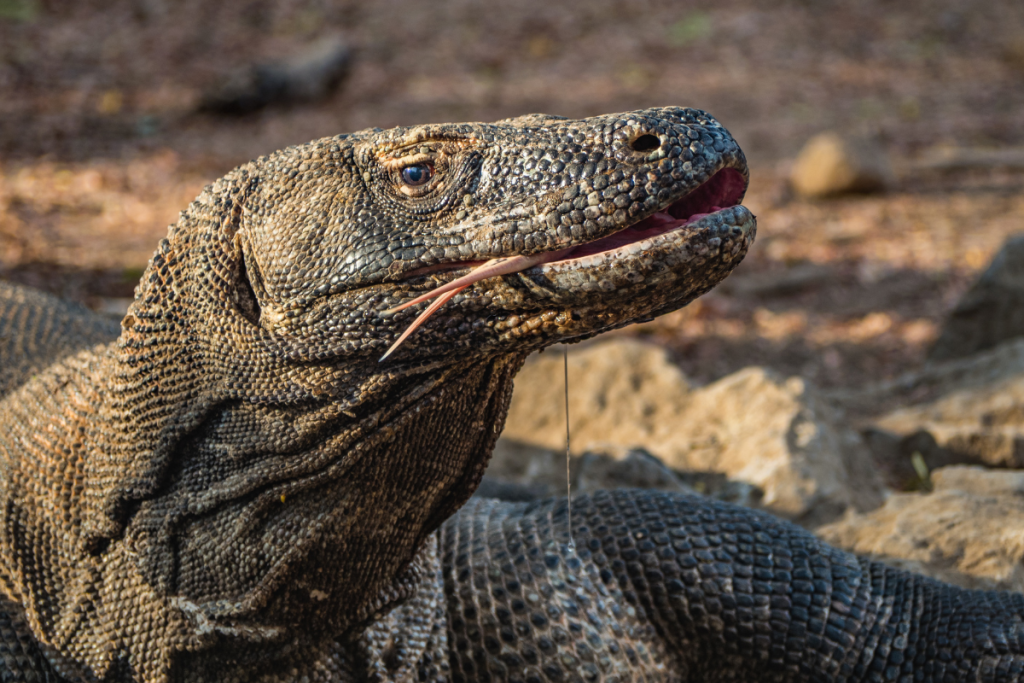
No matter which season aligns with your travel plans, Lombok Touristic is ready to craft an unforgettable Komodo adventure for you.
So, are you ready to witness the magic of Komodo? Don't let the Komodo National Park weather hold you back. Plan your trip with Lombok Touristic, and get ready for the adventure of a lifetime, no matter when you choose to explore this incredible destination!
Imagine descending into a world teeming with vibrant life, where manta rays glide gracefully above you and colorful corals paint the underwater landscape. If this sounds like your kind of adventure, then you've come to the right place. Get ready to discover why diving in Komodo National Park is an absolute must for your underwater bucket list!
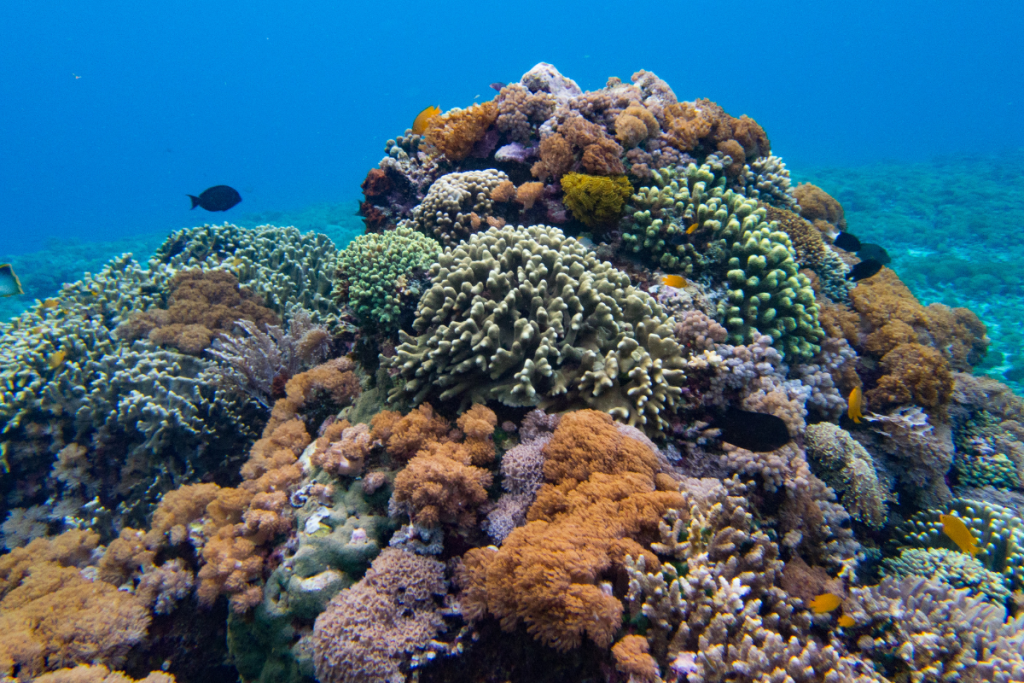
If you're a diver, Komodo National Park needs to be etched in your travel plans. This isn't just another dive destination; it's a UNESCO World Heritage Site for good reason.
Prepare to be blown away by one of the richest marine biodiversities on the planet. Every dive here feels like swimming through a living, breathing kaleidoscope.
The currents here are legendary, and while they can be challenging, they're also the lifeblood that attracts an incredible array of big and small marine creatures. This dynamic environment has earned manta rays soaring overhead, reef sharks cruising by, and a dazzling array of macro life hiding amongst the corals. It's an underwater spectacle that will leave you breathless. Komodo has earned the well-deserved "mini Galapagos" title beneath the waves.
Think about it: majestic.
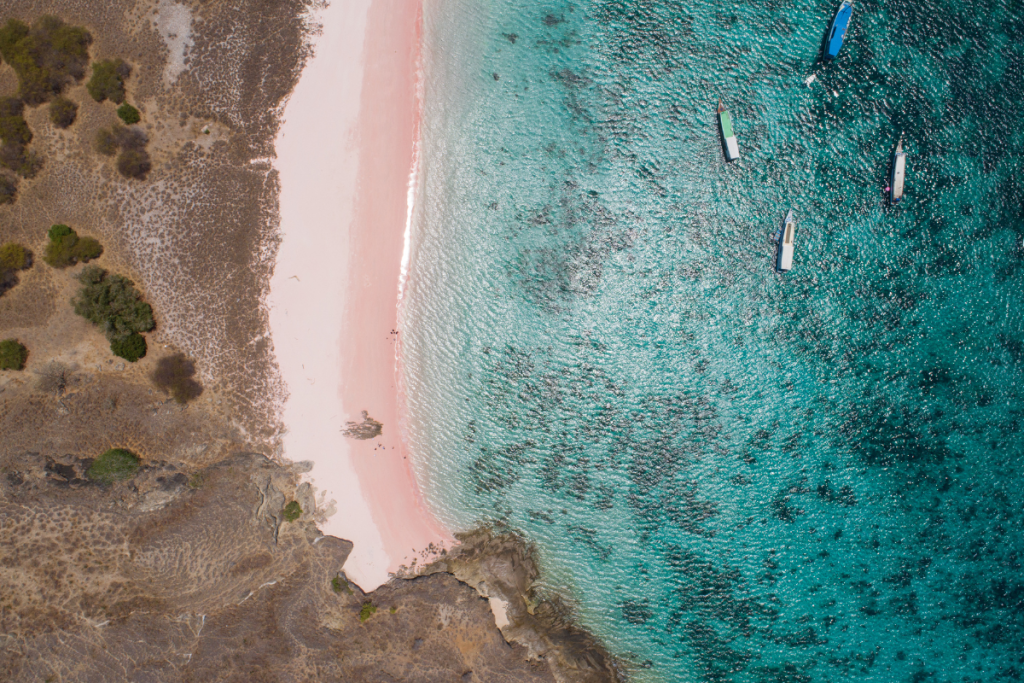
Pinpointing the perfect moment is key, particularly when orchestrating a deep-sea sojourn to an aquatic haven as globally acclaimed as Komodo. To aid you in selecting the prime interval for your subaquatic adventure, here's a seasonal dissection.
Between April and November, expect a delightful experience. This period marks the arid epoch, generally gifting superb underwater clarity. Picture pellucid waters enabling a profound appreciation for the flamboyant reefs and the teeming marine populace.
Should sightings of manta rays and specific elasmobranch varieties rank high on your desiderata, then target July and August. This timeframe frequently represents the zenith for encountering these majestic beings. Brace yourself for genuinely breathtaking encounters!
Now, let's address the span from December to March. This constitutes the wet phase. While submersion remains a possibility, the visual clarity might not be as reliably stellar as during the drier months. Nevertheless, you might discover fewer fellow travelers, and the submerged realm retains its allure. It's a balancing act to weigh according to your individual preferences.
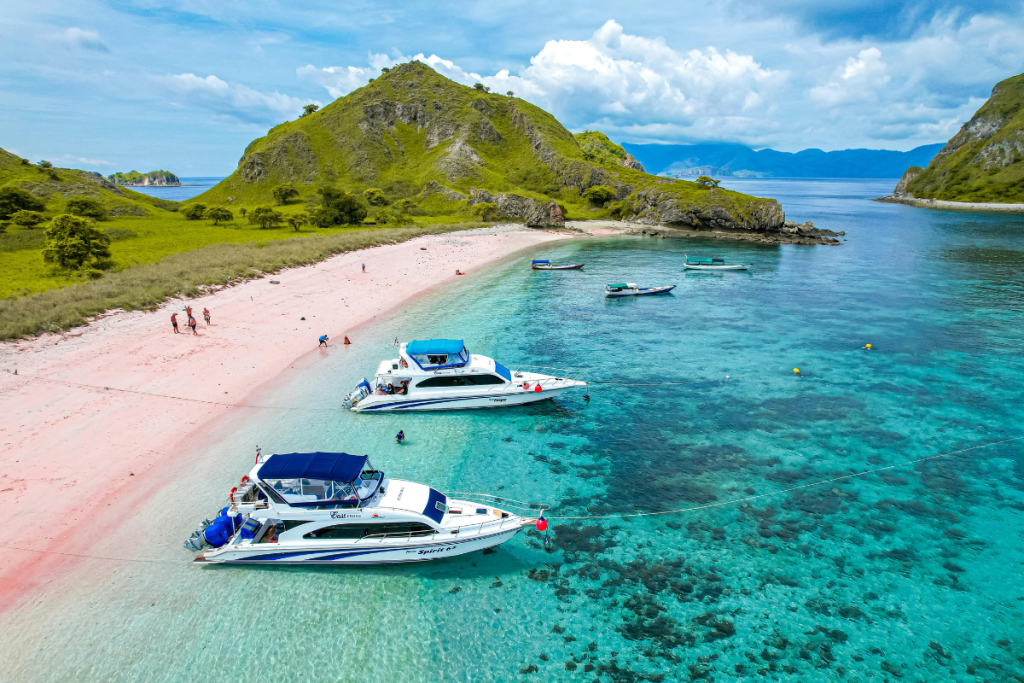
The incredible dive sites that await you in Komodo! Each spot has its unique charm and challenges, promising unforgettable underwater encounters. Where to dive in Komodo National Park?
Envision a colossal stone spire, teeming with existence both in the sun and beneath the waves. Batu Bolong has earned its iconic status, and rightfully so.
Plunge into an explosion of hues as vivid, velvety corals dance rhythmically in the flow. Shoals of fish glitter and flit in every direction, and maintain a sharp lookout for the infrequent passage of a reef shark on patrol.
Skill Level: For Experts – Brace yourself for potent currents here. This location is best reserved for seasoned divers who can navigate energetic underwater environments. The payoff, though, is truly exceptional.
Have you ever envisioned yourself gliding in tandem with colossal, placid beings of the sea? Manta Point, or Karang Makassar as the locals call it, is where that fantasy takes flight. This sun-kissed, submerged plateau acts like a beacon, drawing in the elegant ballet of manta rays.
Even if you prefer to skim the surface, snorkeling in the shallows here offers a glimpse into the enchanting world of these stately animals. For those venturing deeper with scuba gear, prepare for an intimate rendezvous as these wondrous creatures hoover up their microscopic meals in the nourishing currents.
Level: Intermediate – This relatively shallow dive makes it accessible for divers with some experience. However, be mindful of potential currents, especially in some regions of the site.
Brace yourself for a truly electrifying descent at Castle Rock. This submerged spire acts as a magnet for grand, open-ocean predators.
Envision yourself embraced by vortexes of darting trevallies and tuna, their metallic flanks shimmering in the sun's rays. Maintain keen vigilance for white-tip reef sharks as they patrol their domain. This submersion promises a pulse-quickening encounter for those who relish the excitement of observing substantial marine fauna.
Skill Level: Seasoned Navigator – Powerful hydro currents are a frequent feature here, designating this dive for adept individuals who are at ease within demanding aquatic environments. The sheer density of oceanic inhabitants guarantees a memory etched forever.
Mirroring its name, Crystal Rock boasts astonishing clarity, offering an unblemished panorama of the vibrant hues of the corals that adorn this underwater gem.
This locale serves as a sanctuary for open-ocean swimmers, so anticipate a flurry of activity in the cerulean depths. Maintain a sharp lookout – the playful presence of dolphins is a known delight here, sprinkling an extra dose of enchantment into your underwater sojourn.
Skill Level: Mid-to-Expert – Contingent on the flow, this spot can transition from comfortably navigable for moderately skilled divers to more demanding for seasoned veterans. Heed your divemaster's evaluation of the prevailing underwater circumstances without fail.
Craving a more mellow underwater exploration or a superb place to snorkel? Then cast your gaze upon Siaba Besar. This locale is especially kind to those just starting their diving journey.
Drift serenely above stunning, pliable corals, and keep watch for the placid green sea turtles that often favor this vicinity. It's a peaceful and visually captivating submarine setting, ideal for gaining comfort beneath the waves or simply relishing the calm allure of the reef.
Skill Level: Novice – Boasting typically gentle flows and modest depths, Siaba Besar presents a prime selection for individuals new to scuba or for divers desiring a more unhurried aquatic adventure. It also stands out as a remarkable place for snorkelers to behold the ocean's marvels.
Prepare yourself for an absolutely singular and pulse-quickening submerged journey! The Cauldron, a remarkable underwater caldera near Gili Lawa Laut, features a narrow gateway.
As the current sweeps you along through this natural conduit, an astonishing spectacle of ocean dwellers will envelop you, ranging from vividly hued reef denizens to sizable open-water wanderers lured by the powerful flows. Anticipate encounters with plentiful sharks, rays, and tightly packed schools of fish.
Level: For Seasoned Explorers – The forceful hydrodynamics within The Cauldron dictate that this dive is exclusively for veteran divers possessing mastery in rapid drift diving and impeccable control over their underwater equilibrium.
The sheer exhilaration of being propelled through this liquid vortex, embraced by a profusion of marine life, crafts an adventure etched forever in your memory.
Despite its moniker suggesting diminutiveness, Tatawa Kecil unveils underwater spectacles of grand proportions. This petite isle is embraced by flourishing coral realms, animated by a breathtaking spectrum of reef denizens, such as the flamboyant butterflyfish, the elegant angelfish, and the vibrant parrotfish.
The aquatic flows around it are dynamic, occasionally offering a serene glide and sometimes delivering an invigorating surge, enticing larger open-ocean wanderers like the sleek white-tip reef sharks and even the sporadic, majestic eagle ray.
Skill Level: Mid-to-Expert – Contingent on the prevailing oceanic forces, Tatawa Kecil can welcome divers with moderate experience who are at ease with subdued currents. However, when the liquid highways accelerate, they become a more demanding playground for seasoned underwater explorers.
The sheer abundance of diverse species and the prospect of encountering both minute marvels and colossal creatures render this a consistently gratifying submersion.
Can beginners dive in Komodo? Absolutely! You can get your fins wet here if you stick to beginner-friendly locations and have a seasoned guide to show you the ropes.
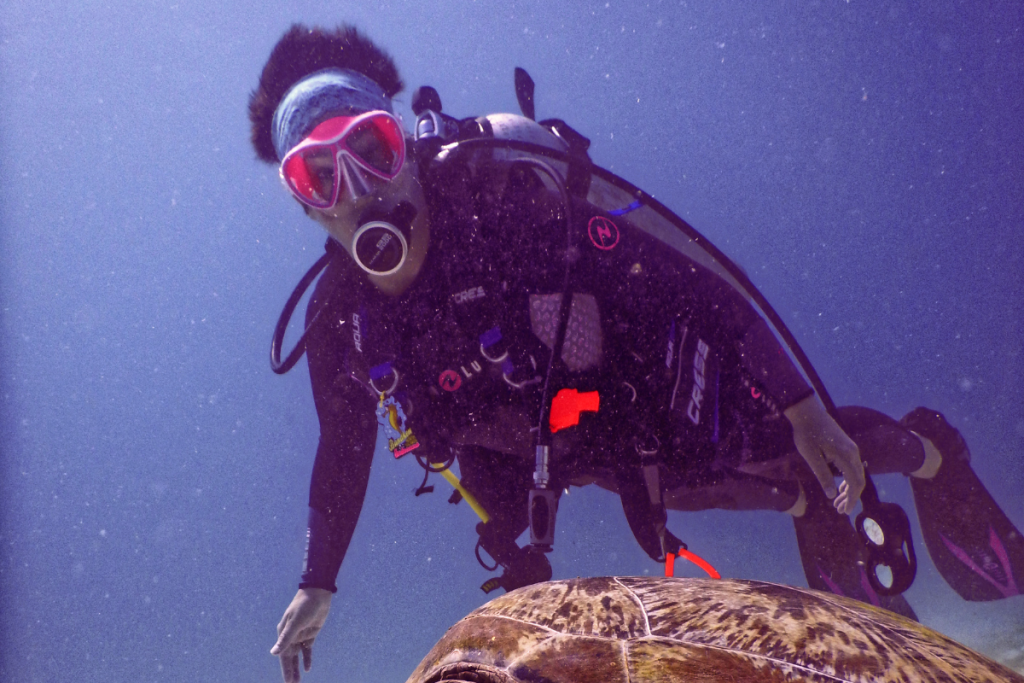
Venturing into the Komodo Island diving subaquatic realm demands utmost caution.
Heed these vital pointers for a secure and delightful immersion.
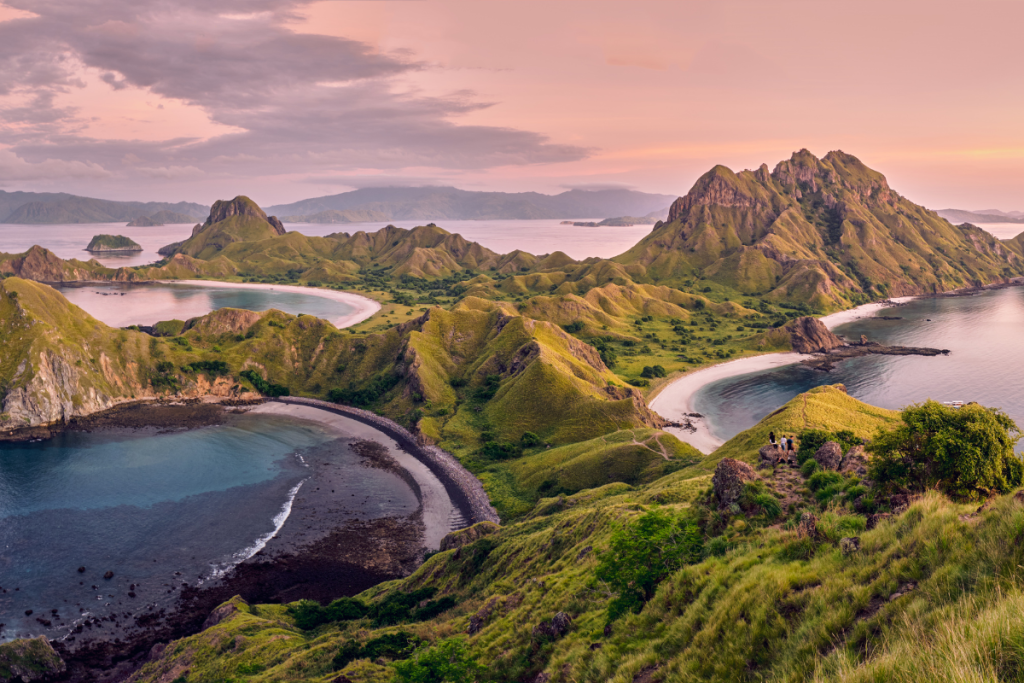
Ready to take the plunge into the breathtaking underwater world of Komodo National Park? Lombok Touristic is here to make your diving dreams a reality.
Let Lombok Touristic handle the logistics so you can focus on the incredible diving in Komodo National Park!
Ever dreamt of coming face-to-face with a living dinosaur? Of trekking through breathtaking landscapes where the wild truly roams free? Well, buckle up, because your dream is about to become a reality. Your gateway to this incredible experience? None other than Loh Liang Komodo National Park.
Get ready for an adventure you'll be talking about for years to come!
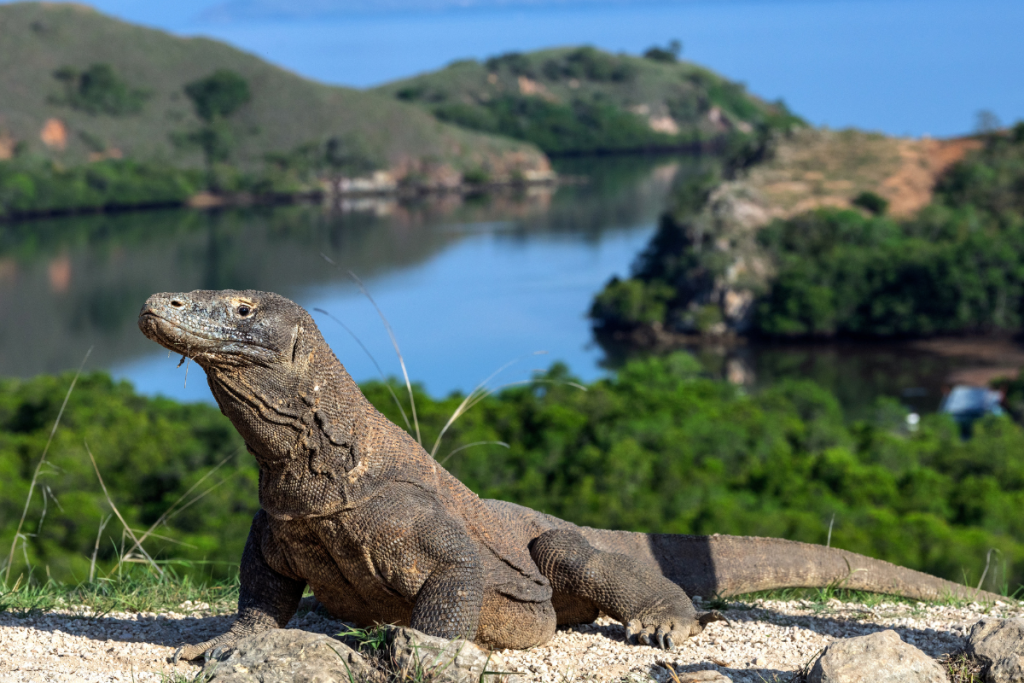
Think of Loh Liang as your VIP pass to the legendary Komodo Island. It's the main entry point for travelers like you who are itching to explore this extraordinary corner of the world.
Nestled on the eastern side of Komodo Island itself, Loh Liang isn't just a drop-off point. It's the central hub, the buzzing heart where your Komodo adventure truly kicks off, complete with all the facilities you need to make your exploration smooth and memorable.
This is where the real magic begins. From Loh Liang, you'll embark on thrilling treks, guided by expert eyes, all in the pursuit of witnessing the majestic Komodo dragon in its natural habitat. And trust me, the journey itself, winding through Komodo's stunning scenery, is an experience you won't soon forget.
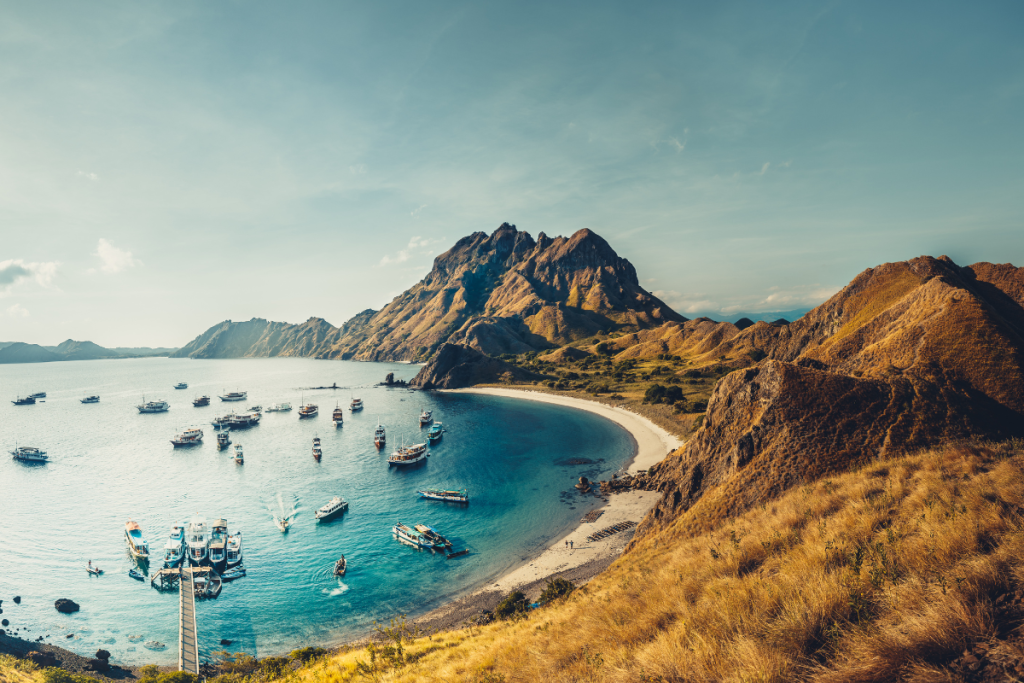
So you've arrived at Loh Liang, now what? Everything is thoughtfully set up to make your visit comfortable and informative.
First things first, you'll spot the check-in area and ticket booth. This is where your adventure officially begins.
You'll also meet the real MVPs: the official national park tour guides. These aren't just people pointing at dragons; they're your knowledgeable companions, ensuring your safety and enriching your experience with fascinating insights.
Ready to stretch your legs? Loh Liang is the starting point for various trekking trails, catering to all fitness levels. Whether you fancy a quick jaunt or a more challenging hike, there's a path for you – short, medium, and long options await.
Want to learn more about the incredible flora and fauna that call this park home? The education area is a must-visit. It's a fantastic way to deepen your appreciation for this unique ecosystem.
And of course, no adventure is complete without a souvenir! You'll find a shop to grab a memento and essential public restrooms. They've got you covered!
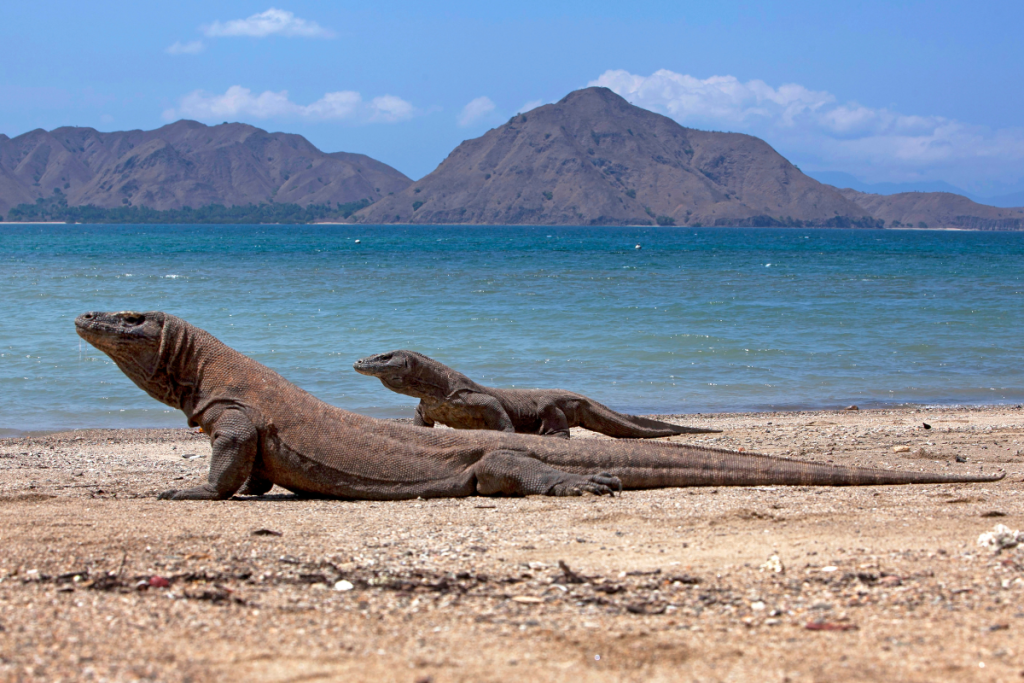
Let's dive into the exciting stuff and what you'll actually do at Loh Liang! Prepare for some unforgettable encounters.
This is likely high on your list, right? Trekking through the island's diverse landscapes with the ultimate goal of spotting a Komodo dragon in its natural environment. It's an experience unlike any other.
You've got choices when it comes to trails. The short trail is perfect if you're short on time or prefer a leisurely 30–45 minute walk. The medium trail stretches a bit longer, offering around 1–1.5 hours of exploration. And for the more adventurous souls, the long trail clocks in at approximately 2 hours, taking you deeper into the Komodo's realm.
Here's a crucial point: you must be accompanied by an armed ranger. These guys are the experts, ensuring your safety while you marvel at these incredible creatures. Their presence is non-negotiable, and honestly, it adds to the thrill!
Hold on, the wildlife wonders of Loh Liang don't stop at Komodo dragons! Keep your eyes peeled, because you may spot other fascinating creatures roaming the island.
Think of graceful deer grazing peacefully, or perhaps a curious wild boar rustling through the undergrowth. And for you bird enthusiasts, the skies above Komodo are alive with vibrant colors and unique calls, including the captivating cockatoos and other endemic bird species. It's a true feast for the eyes and ears.
Calling all shutterbugs and nature lovers! Loh Liang and its surrounding areas offer some truly iconic photo opportunities. Imagine capturing the vast, golden savannas stretching out to meet the ocean's deep blue. It's a postcard-perfect scene.
For the best light and atmosphere, try to head out in the early morning or as the sun begins its descent, painting the sky in breathtaking hues. These golden hours will elevate your photographs and overall experience of Komodo's natural beauty.
While trekking and wildlife spotting are the main draws, don't underestimate the simple joy of soaking in the atmosphere.
Take a moment to appreciate the raw, untamed beauty of Komodo Island. Feel the sun's warmth on your skin, breathe in the fresh, salty air, and listen to nature's sounds. It's a sensory experience that will stay long after you leave.
You might even find smaller, less-trafficked paths (always with your ranger, of course!) that reveal hidden gems and unique perspectives. Keep an open mind and let the island surprise you!
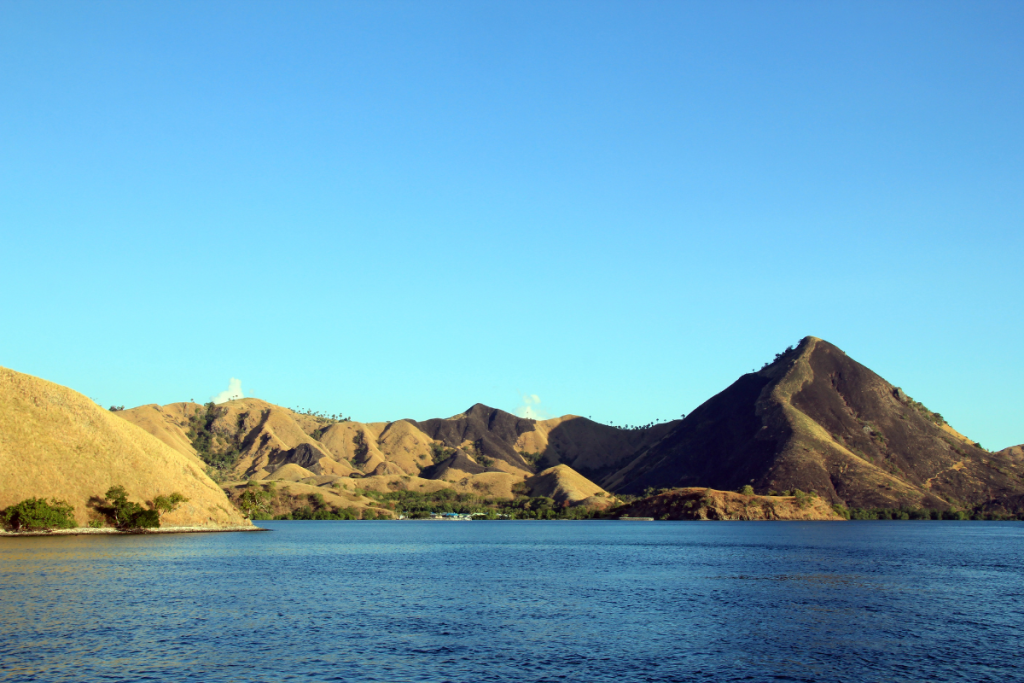
So, how do you actually get yourself to this incredible place? Here's the lowdown on your journey to Loh Liang.
Your first leg will likely involve a flight to Labuan Bajo (airport code LBJ) from the popular tourist hub of Bali. Flights are frequent, making this relatively straightforward part of your trip.
Once you've landed in Labuan Bajo, the adventure continues by sea. From the harbor, you'll need to take a boat to Loh Liang on Komodo Island. The boat journey typically takes around 2 hours, offering scenic views of the surrounding islands.
You've got a few boat options to choose from. Speedboats will get you there faster, while chartered boats offer more flexibility for groups. Many travelers opt for organized tour packages, including the boat transfer as part of the itinerary.
Speaking of packages, if you're looking for a hassle-free experience from Bali all the way to Loh Liang, consider Lombok Touristic. They specialize in crafting comprehensive tours that take care of everything, from your flights and accommodation to your boat transfers and guided excursions. It's a fantastic way to sit back, relax, and let the experts handle the logistics.
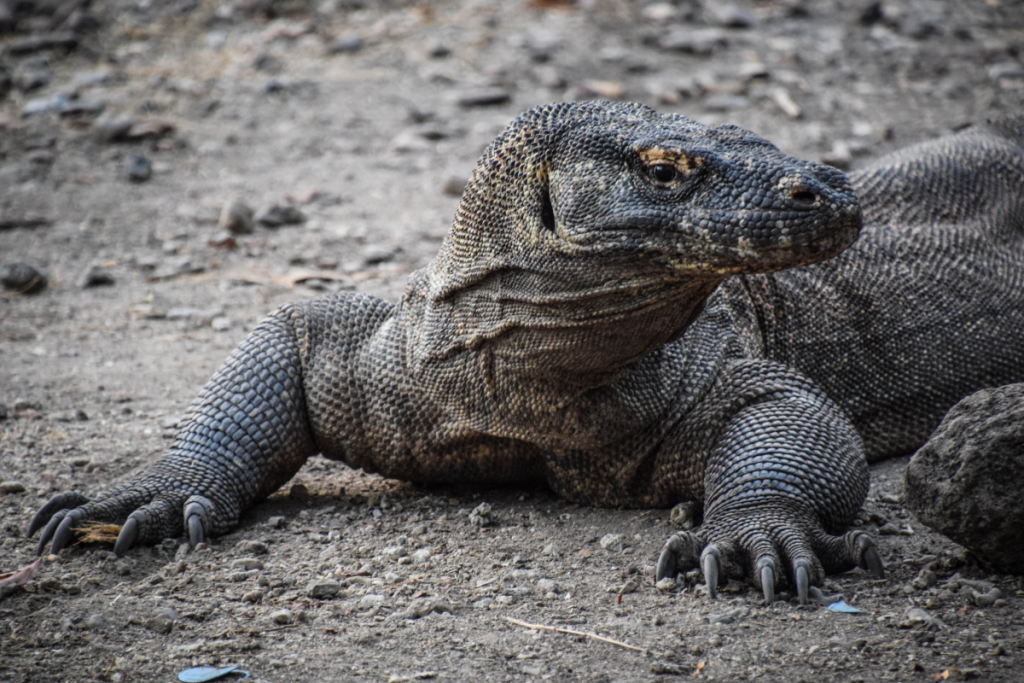
To ensure your trip to Loh Liang is smooth, safe, and truly enjoyable, here are some essential tips to keep in mind.
This cannot be stressed enough: you must be accompanied by a licensed national park ranger during any trekking activities. Their expertise is crucial for your safety and for the conservation of the Komodo dragons. Don't even think about exploring on your own.
Come prepared for the tropical climate and some walking. Pack plenty of drinking water to stay hydrated under the sun. Sunscreen and a wide-brimmed hat are your best friends for sun protection. And most importantly, wear comfortable, sturdy shoes that are suitable for walking on uneven terrain. Your feet will thank you!
While getting up close and personal with the Komodo dragons might be tempting, remember that these are wild and powerful animals. You are strictly prohibited from feeding them or approaching them too closely for your safety and theirs. Admire them from a respectful distance.
Be mindful of the Komodo dragons' activity times. These incredible creatures are most active during the early morning and late afternoon when the temperatures are cooler. If your trek coincides with these times, you'll have a higher chance of spotting them on the move. However, also be extra vigilant and listen carefully to your ranger's instructions during these periods.
Respect the local culture and environment. Komodo National Park is not just about the dragons; it's also home to unique ecosystems and local communities. Be mindful of your behavior, avoid littering, and be respectful of any local customs you encounter. Your responsible tourism helps preserve this precious place for future generations.
Lastly, it's a good idea to have some cash on hand. While some establishments might accept cards, not all facilities in the more remote national park areas will. Having some Indonesian Rupiah will make things easier for smaller purchases and tips.
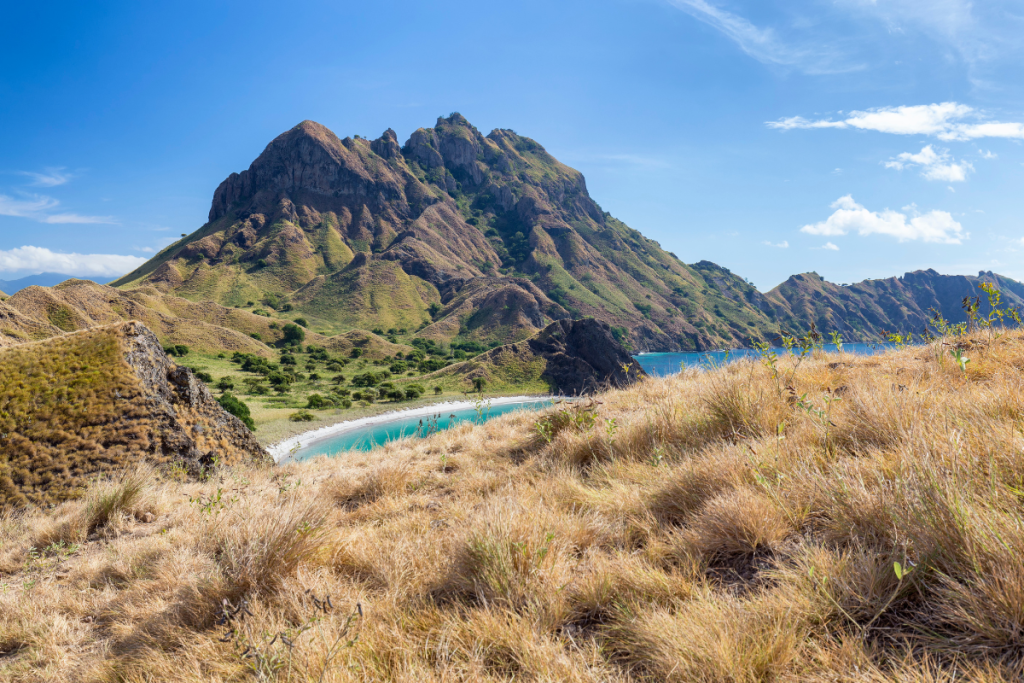
So, why consider letting Lombok Touristic be your guide to this incredible adventure? Here's why we can be your perfect travel partner.
So, are you ready to embark on an unforgettable journey to witness the majestic Komodo dragons in their natural habitat? Loh Liang Komodo National Park is calling, and with the right planning and perhaps the expert touch of Lombok Touristic, your adventure of a lifetime awaits.
You've soaked up the sun on Seminyak's beaches, explored Ubud's emerald rice paddies, and maybe even chased some waterfalls. Now, are you ready to dial up the adventure and witness something truly extraordinary? Many travelers just like you, having experienced the magic of Bali, set their sights on an even wilder frontier: Komodo National Park from Bali.
Get ready to trade temples for dragons and discover a world unlike any other!
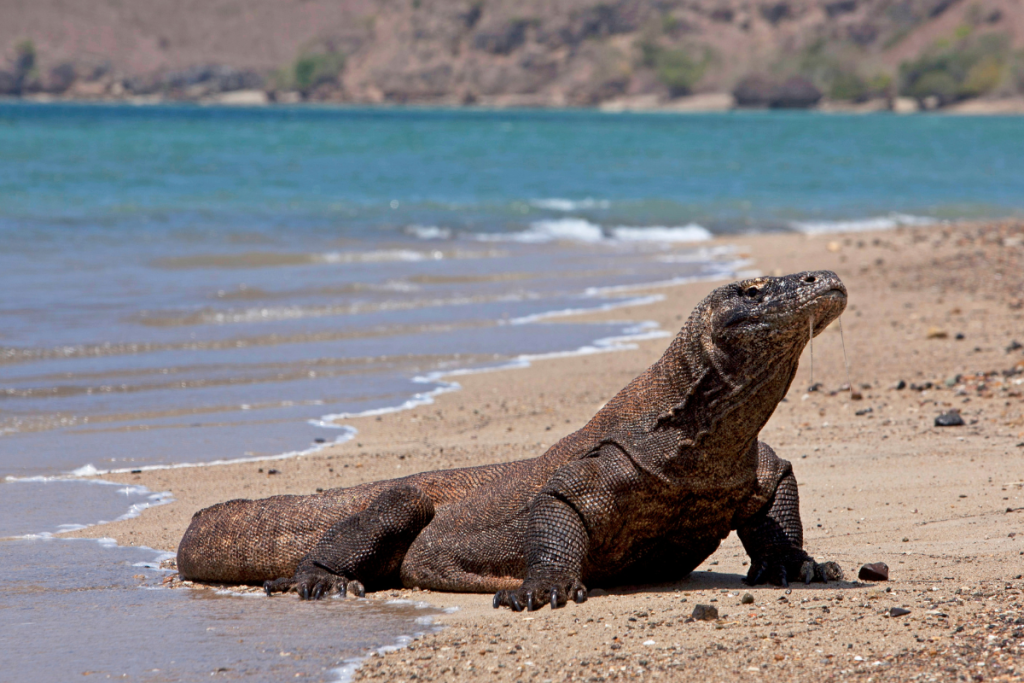
Let's delve deeper into the allure of Komodo National Park and why it's an almost magnetic draw for those who have already experienced the enchantment of Bali. This isn't just a side trip; It's a plunge into a UNESCO World Heritage Site, a living testament to the power and beauty of nature in its most untamed form.
Imagine stepping onto islands sculpted by volcanic forces, where the air hums with a primal energy. Picture turquoise waters teeming with kaleidoscopic marine life, beckoning you to explore their depths. And then, of course, there are the Komodo dragons themselves.
The beauty of venturing to Komodo from Bali lies in its accessibility. Over the years, a well-trodden path has emerged, making it relatively straightforward for you to transition from Bali's familiar comforts to Komodo's wild frontier.
Many tour packages cater specifically to this journey, streamlining the logistics and allowing you to focus on the awe-inspiring experiences that await.
It's a chance to expand your Indonesian adventure, to witness a different facet of this diverse archipelago, and to collect stories that will truly set your travels apart. The ease of access, combined with the unparalleled uniqueness of Komodo, makes it an irresistible extension to any Bali sojourn.
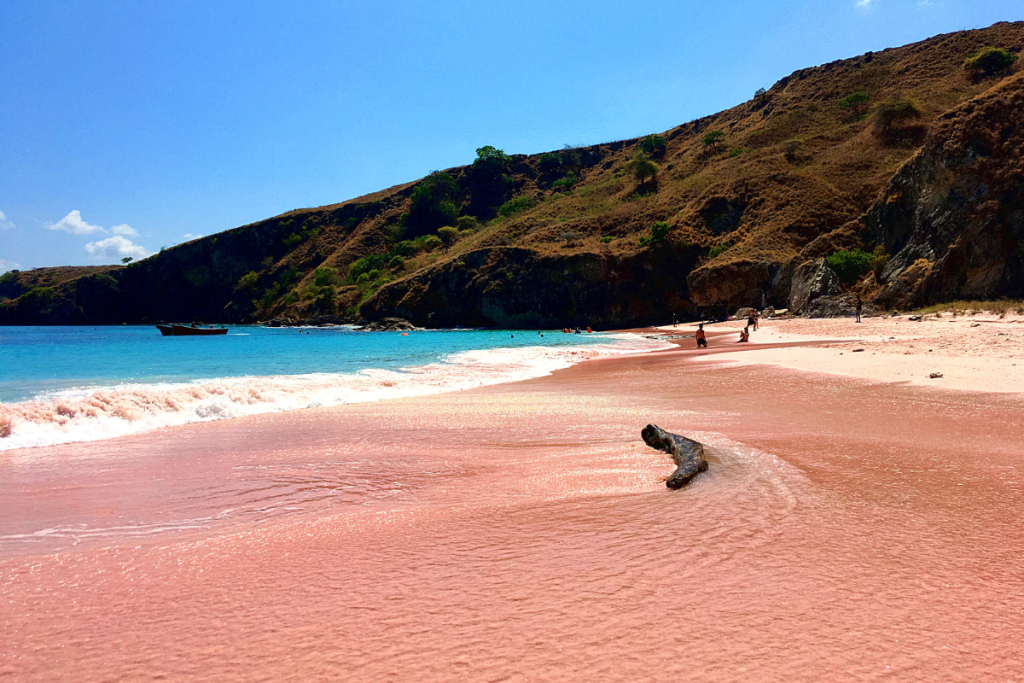
Let's explore these pathways in greater detail:
A Bali to Komodo Island flight is undoubtedly the most streamlined option for the time-conscious traveler who prioritizes efficiency. Departing from the bustling Ngurah Rai International Airport (DPS), you'll find a selection of reputable airlines ready to whisk you away to Komodo Airport (LBJ) in a matter of moments.
Airlines such as Garuda Indonesia, known for its reliability and comfort, budget-friendly options like Wings Air and AirAsia Indonesia, and newer players like Super Air Jet all operate this popular route. This healthy competition often translates to a range of flight times and price points, allowing you to find an option that suits your specific needs.
The flight is a breeze, typically lasting between 60 and 90 minutes. As you soar above the Indonesian archipelago, you'll catch glimpses of the islands scattered like emerald jewels across the sapphire sea, offering a tantalizing preview of the beauty that awaits.
Upon arrival at Komodo Airport in Labuan Bajo, you'll find yourself at the doorstep of your Komodo adventure. The harbor, the launching point for your island excursions, is just a short transfer away.
From there, a thrilling speedboat ride across the Flores Sea will deliver you to the shores of either Komodo Island or Rinca Island, the epicenters for your Komodo dragon encounters. The speedboats themselves often add to the excitement, zipping across the waves and offering stunning vistas of the coastal scenery.
For those with a penchant for maritime adventures and a desire to fully immerse themselves in the marine wonders of the region, a liveaboard tour departing from Bali presents an enchanting alternative.
These multi-day voyages, typically spanning 3 to 4 days, offer a unique perspective, allowing you to explore the Komodo archipelago at a leisurely pace, with the rhythm of the ocean as your constant companion.
Imagine waking up each morning to a new vista of pristine islands, ready to dive into crystal-clear waters teeming with vibrant coral reefs and an astonishing array of marine life.
Liveaboard tours are tailor-made for those passionate about snorkeling and diving, offering multiple daily opportunities to explore the underwater realm. Island hopping becomes integral to the experience, allowing you to discover hidden beaches and secluded coves often inaccessible on day trips.
The variety of liveaboard options is vast, catering to various budgets and preferences. From budget-friendly vessels perfect for adventurous backpackers seeking camaraderie to luxurious yachts boasting all the amenities of a floating resort, you'll surely find a boat that aligns with your travel style.
These tours often include meals, accommodation in comfortable cabins, and the services of experienced dive instructors and guides, making for a truly all-inclusive and unforgettable experience.
For the intrepid souls who crave a deeper immersion into the Indonesian landscape, the overland route via the islands of Lombok and Sumbawa offers a truly unique and off-the-beaten-path adventure.
This journey involves a combination of land and sea travel, including the ferry from Bali to Komodo Island, providing a fascinating glimpse into these neighboring islands' diverse cultures and landscapes.
Your journey begins with a ferry ride from Bali to Lombok, a destination renowned for its stunning beaches, majestic Mount Rinjani, and unique Sasak culture. Consider extending your stay in Lombok to explore its wonders before continuing your eastward trek.
From Lombok, the adventure continues across the island of Sumbawa. It typically involves bus journeys that wind through its rugged interior, interspersed with ferry crossings to smaller connecting islands, ultimately leading you to the western port that offers passage to Labuan Bajo.
This overland odyssey is not for the faint of heart or those in a hurry. The entire trip can easily span several days, demanding patience and a spirit of adventure. However, the rewards are significant.
You'll witness landscapes and experience local cultures that are often missed by those who opt for quicker air travel. This route is particularly appealing to backpackers who are keen to connect with fellow travelers and embrace the unexpected detours and discoveries that often arise during overland journeys.
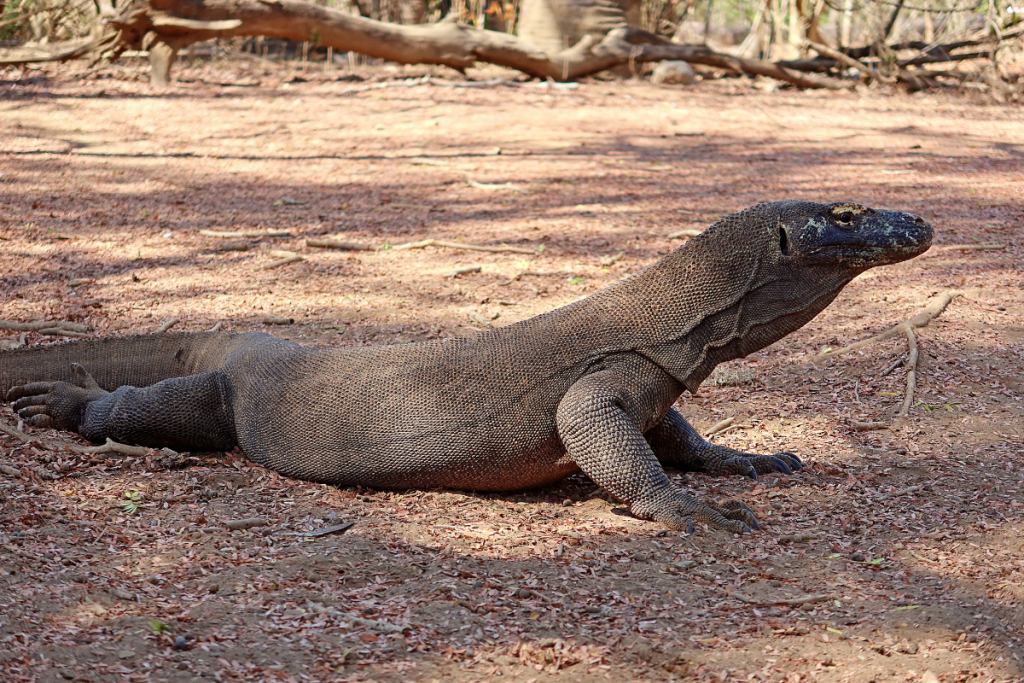
Having successfully navigated your journey from Bali, a breathtaking array of experiences awaits you within the boundaries of Komodo National Park.
Prepare to be captivated by the sheer diversity of this extraordinary destination:
Undoubtedly, the cornerstone of any visit is the opportunity to witness the legendary Komodo dragons in their natural habitat. Both Komodo Island and Rinca Island offer prime viewing locations, with guided treks led by knowledgeable local rangers who ensure your safety while providing fascinating insights into the lives of these apex predators.
Beyond the dragons, the park is a playground for adventure. Trekking through the islands' varied terrains, from savannah grasslands to lush tropical forests, rewards you with stunning panoramic vistas and the chance to encounter other fascinating wildlife, such as Timor deer, wild buffalo, and a vibrant array of birdlife.
The underwater realm of Komodo is equally enchanting, boasting world-class diving and snorkeling sites that teem with an astonishing biodiversity. Explore vibrant coral reefs, swim alongside graceful manta rays at Manta Point, and discover a kaleidoscope of colorful fish.
Island hopping is a must, allowing you to discover hidden gems like the iconic Padar Island with its breathtaking three-bay view, the uniquely hued sands of Pink Beach, and the picturesque sandbar island of Taka Makassar. Lombok Touristic excels at crafting seamless itineraries that incorporate all these must-see destinations and activities.
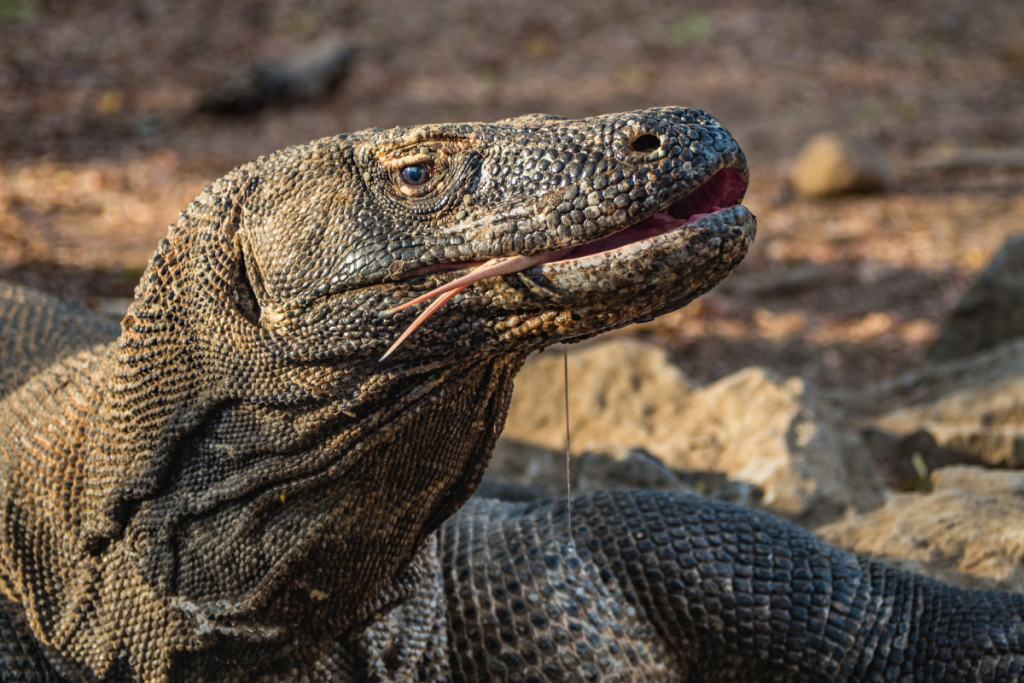
Here are a few essential tips to remember to ensure your trip from Bali to Komodo National Park is smooth sailing.
The recommended best time to visit Komodo is during the dry season, which runs from April to November. You'll enjoy sunny weather and ideal conditions for all activities.
A dry bag is a lifesaver for protecting your electronics during boat trips. Don't forget high-SPF sunblock to combat the tropical sun, lightweight and breathable clothing to stay comfortable, and light hiking shoes for exploring the islands.
Book your trip early, especially if you're planning to travel during peak holiday seasons. Accommodation and tours can fill up quickly!
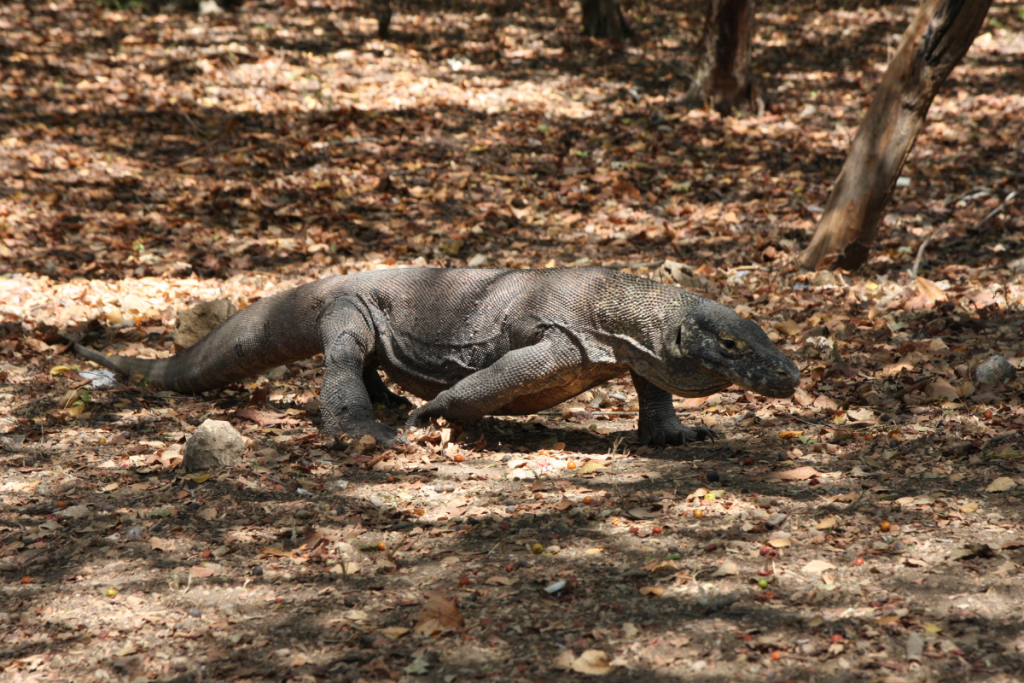
When planning your seamless transition from the beauty of Bali to the wild wonders of Komodo National Park, Lombok Touristic emerges as a dedicated and experienced travel partner.
Lombok Touristic specializes in crafting comprehensive tour packages that take the stress out of planning your Komodo adventure. From arranging comfortable and efficient transportation from Bali to securing quality accommodation in Labuan Bajo and organizing expertly guided tours within the national park, they handle all the logistics meticulously.
Lombok Touristic tours are led by knowledgeable and licensed local guides who deeply understand the region's ecology, wildlife, and culture, ensuring that you gain insightful perspectives and have a truly enriching experience.
Whether you're a solo traveler seeking adventure, a couple yearning for a unique romantic getaway, or a family eager to create unforgettable memories, Lombok Touristic offers a range of packages that can be tailored to your specific interests and needs.
Entrust your Komodo expedition to Lombok Touristic and allow them to orchestrate a seamless and unforgettable journey from the serene landscapes of Bali to the primal beauty of Komodo National Park from Bali.
