
Imagine a place where time seems to pause, the air feels crisp and clean, and the only soundtrack is the rustling of leaves paired with the soft splash of cascading water. Welcome to Tetebatu Waterfall—a tranquil sanctuary tucked deep within the heart of Lombok.
While Bali often takes the limelight, this island has its hidden jewels, and this peaceful cascade is one of the finest yet least discovered. This serene spot is calling your name for travelers seeking calm, scenic beauty, and a glimpse into local life.

Locally referred to as “Durian Indah” or “Tibu Duran,” this gentle cascade is nestled in the quiet village of Tetebatu in East Lombok. Unlike other well-known Lombok waterfall names like Tiu Kelep or Benang Stokel, this one offers something different—an experience that feels more personal and undisturbed.
Surrounded by emerald-green rice paddies, thick tropical forest, and backed by the dramatic silhouette of Mount Rinjani, it flows from a height of around 10 meters, spilling down dark volcanic rock into a fresh, inviting pool below.
The route to reach it is an adventure of its own. Winding through the village, you’ll pass charming rice terraces and lush jungle paths that make every step a feast for the eyes. Though the trail isn’t long, some parts can be rocky or uneven, so wearing sturdy shoes is highly recommended. But once you arrive, the peaceful setting and refreshing water make the journey more than worthwhile.

Suppose you're wondering whether this waterfall is worth the trip. In that case, the answer is a big yes, especially if you're craving something more peaceful and authentic than the usual crowded tourist spots.
This hidden gem isn’t just about the waterfall itself (although it's definitely magical); it’s about the journey, the scenery, the culture, and the people you’ll meet along the way. The surrounding area invites you to slow down, breathe in the fresh mountain air, and truly connect with nature and local life.
Here’s why this destination deserves a spot on your Lombok itinerary:
This destination is a paradise for those who appreciate the outdoors. Lush rice fields, leafy forest canopies, and occasional views of majestic Mount Rinjani in the background surround the path leading to the cascade. Although the waterfall isn’t towering, its serene atmosphere and crystal-clear water make it an ideal spot for a refreshing swim.
With minimal foot traffic from tourists, you can truly immerse yourself in the natural surroundings, take your time to unwind, and snap beautiful photos without any interruptions. It’s easily one of the best waterfalls in Lombok for travelers seeking peace and authenticity in Lombok’s countryside.
Beyond the natural beauty, there’s a strong sense of tradition in the air. The local community here is rooted in Sasak culture, and is known for its hospitality and slow, steady pace of life. It’s common to see people working in the fields, preparing traditional coffee, or weaving fabrics by hand.
Joining a cultural tour allows visitors to learn directly from locals, whether it’s roasting beans over a wood fire or trying their hand at weaving. These moments offer more than just photos; they leave you with stories to take home.
The area has plenty to offer for those looking for a bit of action. A short walk from the village leads you to a lush forest inhabited by playful black monkeys, often seen swinging through the trees.
Hiking trails range from easy strolls to more challenging routes that pass through rivers and smaller waterfalls. The region is dotted with natural spots worth discovering, and the uncrowded paths make exploration feel personal and rewarding.
If you travel with sustainability in mind, this is your place. Many guesthouses and tour operators are family-run and focused on low-impact tourism.
Whether staying in an eco-lodge built with local materials, using refillable water bottles, or supporting a farming co-op, your visit helps protect the land while supporting those who call it home. It’s slow travel at its best—gentle on the environment, rich in experience.
If you’re a shutterbug or love curating a beautiful travel feed, this spot is incredibly photogenic. The green patchwork of rice terraces, golden sunlight breaking through jungle trees, and the soft mist rising from the waterfall make for stunning backdrops.
Whether you’re using a pro camera or just your phone, you’ll come away with shots that capture this hidden paradise's natural charm and tranquility.

Reaching Tetebatu Waterfall is relatively straightforward. It's approximately a 1.5 to 2-hour drive from Mataram or Kuta, Lombok. The waterfall is located near other natural attractions like Jeruk Manis Waterfall, making it a convenient stop on a nature tour.
Visitors can choose to rent a motorbike, hire a car, or join a guided tour to reach the village. For those relying on public transport, you can take a bus to Pomotong and then hire a local ojek (motorbike taxi) to Tetebatu.
Once in Tetebatu, the waterfall is accessible by a short hike through rice fields and forested paths. While the trail is not overly challenging, it can be slippery, especially after rain, so wearing appropriate footwear is advisable.

The best time to explore this waterfall is in the dry months between April and October. The weather is generally more stable this season, and the paths tend to be drier, offering an easier and more pleasant trek. That said, the surroundings stay vibrant and green throughout the year, so even a trip during the rainy season can be just as enchanting in its way.
Plan your visit in the morning or early afternoon for the best lighting and cooler temperatures. Early visits also offer the advantage of fewer crowds, allowing for a more peaceful experience and better photo opportunities.

To ensure a comfortable and enjoyable visit, make sure to pack smart. While the hike and waterfall are relatively accessible, being well-prepared can make a big difference.
If you plan to take a dip in the cool, fresh water, having something dry to change into will help you stay comfortable on the way back. Even if you don’t swim, the mist from the falls can leave you damp.
The surrounding jungle can attract mosquitoes, especially in the late afternoon. A good repellent will help you avoid itchy bites and enjoy your visit longer.
There are plenty of photo-worthy moments between the rice fields, jungle trails, and the waterfall itself. Don’t forget to bring your camera fully charged, whether it's a phone or a DSLR.
No ATMs are available in the immediate area, and some local vendors only accept cash for snacks or small souvenirs. It’s always better to have some on hand.
The path can get muddy or slippery, especially during or after rain. Wear sturdy shoes or sandals with a good grip—flip-flops are not ideal for this terrain.
Keep your electronics, wallet, and other valuables dry, especially if you're planning to swim or rain is in the forecast. A lightweight dry bag or even a plastic ziplock can do the trick.
There may be limited access to food stalls, so bringing your own water and a few light snacks is smart. Staying hydrated is key, especially if you're visiting midday.
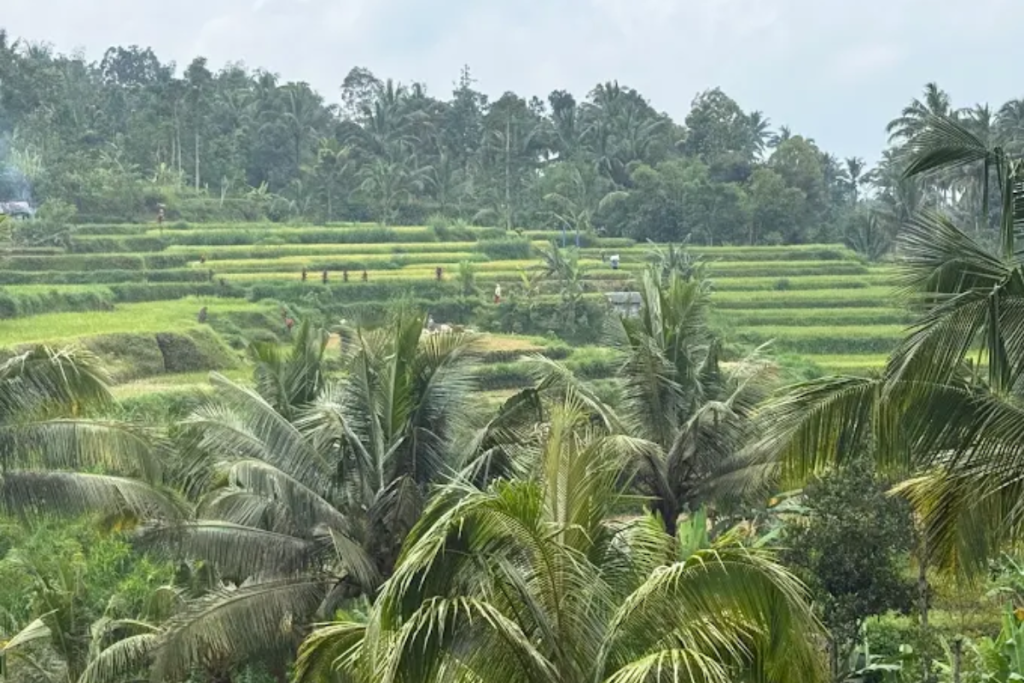
This peaceful corner of East Lombok is more than just a stopover; it's a destination worth slowing down for. If your schedule allows, consider staying a little longer to soak up the scenery, meet the locals, and experience rural life at a gentler pace.
Several cozy guesthouses and eco-lodges are nestled amidst the rice fields and jungle landscapes. These accommodations offer simple comforts with a rustic charm—think wooden bungalows, home-cooked meals, and starry night skies.
Waking up to the sound of birds and the rustling of leaves is an experience in itself. An overnight stay also means you can explore without rushing, enjoying early morning walks and late afternoon sunsets without the pressure of a return trip.
A walk through the nearby forest reveals playful black monkeys leaping between tree branches and chirping birds echoing in the canopy. As part of a national park, this area offers a serene setting and cool forest air.
It’s one of the top things to do in Tetebatu, especially if you enjoy stretching your legs, snapping nature photos, and immersing yourself in unfiltered wilderness.
Guided walks through the terraced fields offer insight into traditional agricultural practices that have sustained local communities for generations. Along the way, you might step into family-run workshops where coconut oil is still pressed by hand or sip coffee freshly brewed from beans roasted on an open fire.
These small interactions leave a lasting impression—and a deeper appreciation for everyday life in the hills of Lombok.

For those looking for a hassle-free experience, Lombok Touristic offers guided tours to Tetebatu Waterfall Lombok. Their packages often include transportation, guided treks through rice fields and forests, and cultural experiences like coffee-making demonstrations.
Joining a tour can enhance your visit by providing local insights and ensuring you don't miss any hidden gems. For more information, visit here.
Tetebatu Waterfall is a testament to Lombok's natural beauty and cultural richness. Whether you're a nature enthusiast, a cultural explorer, or someone seeking peace and tranquility, this hidden gem offers an authentic and unforgettable experience. So pack your bags, lace up your hiking shoes, and get ready to discover the serene beauty of Tetebatu Waterfall.
When it comes to stunning beaches with great waves and a tranquil vibe, you might have heard about many spots in Lombok. But one destination remains a well-kept secret, ideal for travelers craving solitude and the charm of untouched landscapes—Areguling Beach Lombok.
If you plan a trip to Lombok, this hidden bay near Kuta deserves a top spot on your itinerary. In this article, we’ll take you through why this beach is so special, how to get there, and what you can expect when you visit. Plus, we’ll share how Lombok Touristic can make your visit hassle-free with tailor-made tours that let you experience the best of Lombok comfortably and confidently.
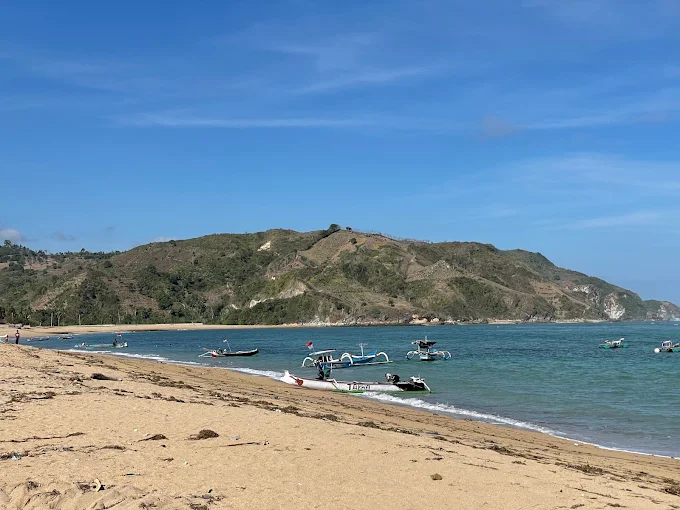
Located on Lombok’s southern shoreline, just a brief drive from the well-known town of Kuta, this Lombok beach provides a peaceful escape from the busy tourist hubs. Here, the waves softly crash onto a pristine white sand bay, surrounded by vibrant green hills that often glisten with rain, giving the area a fresh, vibrant feel.
Unlike some of Lombok’s more commercialized beaches, this one is still very much a natural sanctuary. This beach has everything you could want: breathtaking coastal views, excellent surfing conditions, and a laid-back atmosphere that invites you to slow down and enjoy life by the sea.
Despite its beauty and prime location, it remains a bit of a secret among travelers. The peacefulness here is rare—no loud beach clubs, throngs of vendors hustling for your attention, just the sound of the ocean and maybe a carabao grazing nearby. It’s perfect for visitors who want to enjoy nature’s wonders without the usual distractions of popular beach destinations.
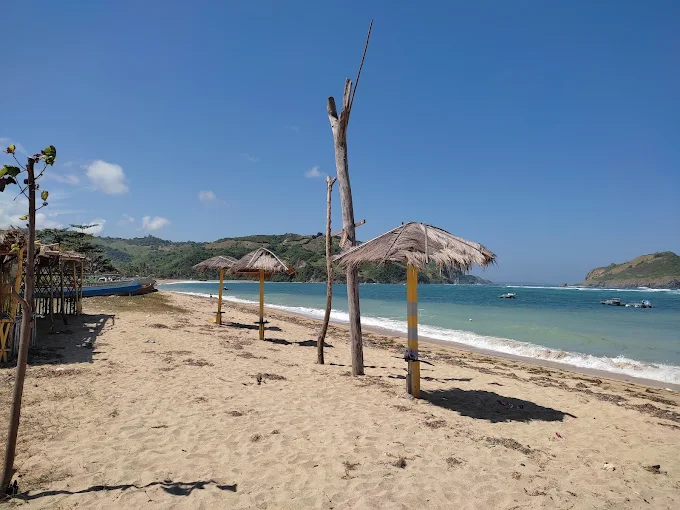
If you're looking for a beach destination that perfectly balances natural beauty, adventure, and relaxation, this spot is definitely worth your attention. Unlike some of the more tourist-heavy locations, it offers an authentic experience that caters to various interests.
Whether you're chasing the perfect wave, seeking a peaceful retreat, or eager to immerse yourself in the local culture, this place has something special to offer.
Here’s why it should be on your travel list:
One of the biggest draws of this beach is its fantastic surf breaks. Areguling offers two main spots for surfing enthusiasts: one that challenges intermediate to advanced surfers with faster, hollow waves, and a gentler break ideal for beginners. This makes it versatile for different skill levels, although true beginners might want to consider nearby beaches with formal surf schools.
The prime surf season here runs from May to October, during the dry season when the waves are consistent and the wind conditions are favorable. Compared to nearby Selong Belanak or Gerupuk, the Areguling Beach Lombok surf scene is much less crowded, allowing you to catch waves in a more peaceful environment.
If you’re not here just to surf, the tranquil vibe of the beach will captivate you. There are no booming beach parties or noise, just pure, natural beauty. It’s a top pick for sunset chasers who want to witness Lombok’s sky transform into a canvas of fiery reds and oranges. Photographers love this spot too, thanks to the stunning coastal views and untouched landscape.
Whether you want to unwind with a good book, take peaceful walks along the shore, or simply soak up the serenity, this beach provides an idyllic escape from the hustle and bustle of more tourist-packed areas.
The local culture here is warm and welcoming. Small warungs dot the beach, offering fresh seafood and refreshing coconut drinks at prices that won’t break the bank. This is your chance to enjoy authentic Indonesian coastal cuisine casually while chatting with friendly locals and fishermen who still rely on traditional methods to earn a living.
Unlike the commercialized tourist spots, here you get a genuine taste of Lombok’s coastal life — simple, affordable, and deeply satisfying.
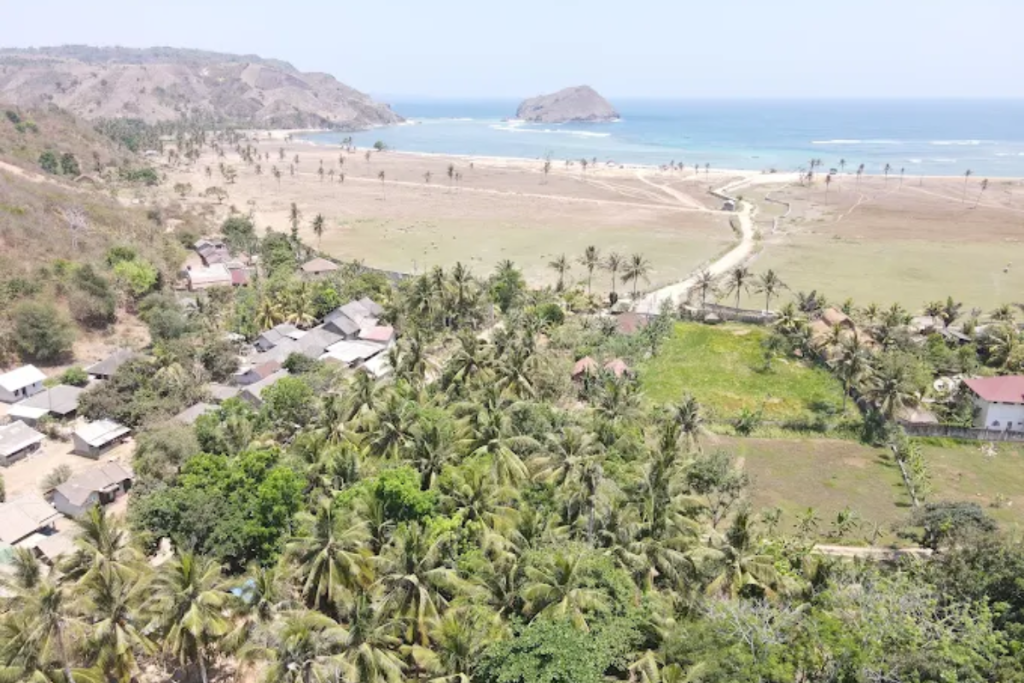
Getting to this tranquil bay is straightforward but requires a bit of adventure, which is part of the charm. The beach is located about 10 to 15 minutes west of Kuta Beach Lombok by car or scooter.
The last few kilometers involve driving along a bumpy, sometimes unpaved road that winds through small villages, hills, and farmland.
If you prefer a hassle-free journey, Lombok Touristic offers private transfers and day trips that can include this hidden gem in your itinerary. Our experienced drivers know the best routes and ensure your trip is comfortable and safe. Renting a scooter is another popular option for those who want the freedom to explore at their own pace.
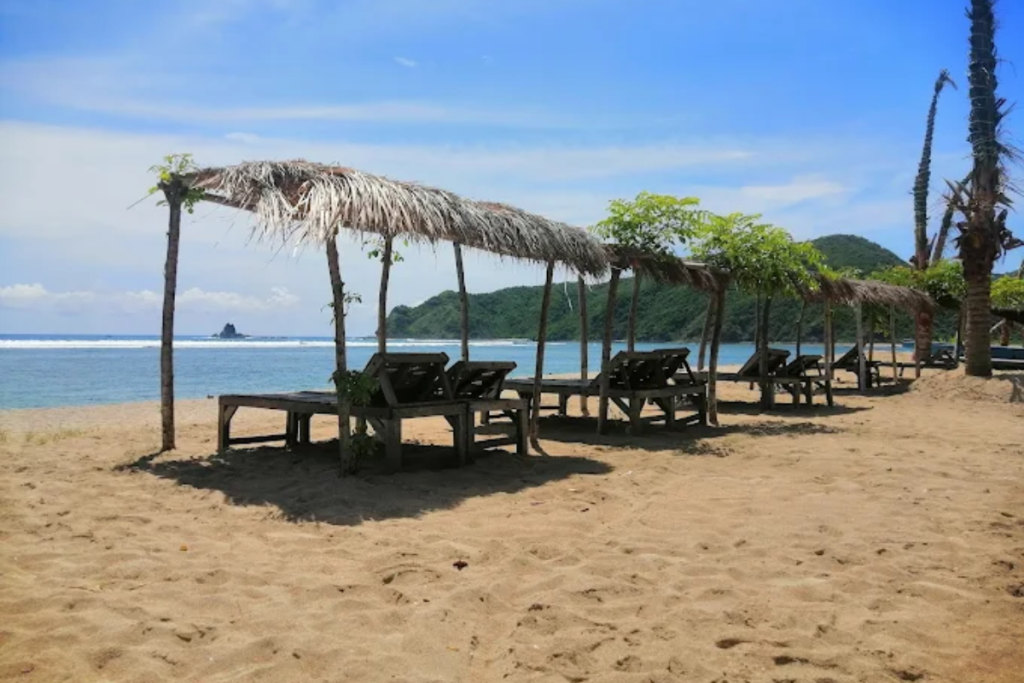
To make the most of your visit, here are some handy tips and essentials to pack:
Surfboard: Bringing your own board is ideal if you're a surfer. However, you can rent one locally, though options are limited.
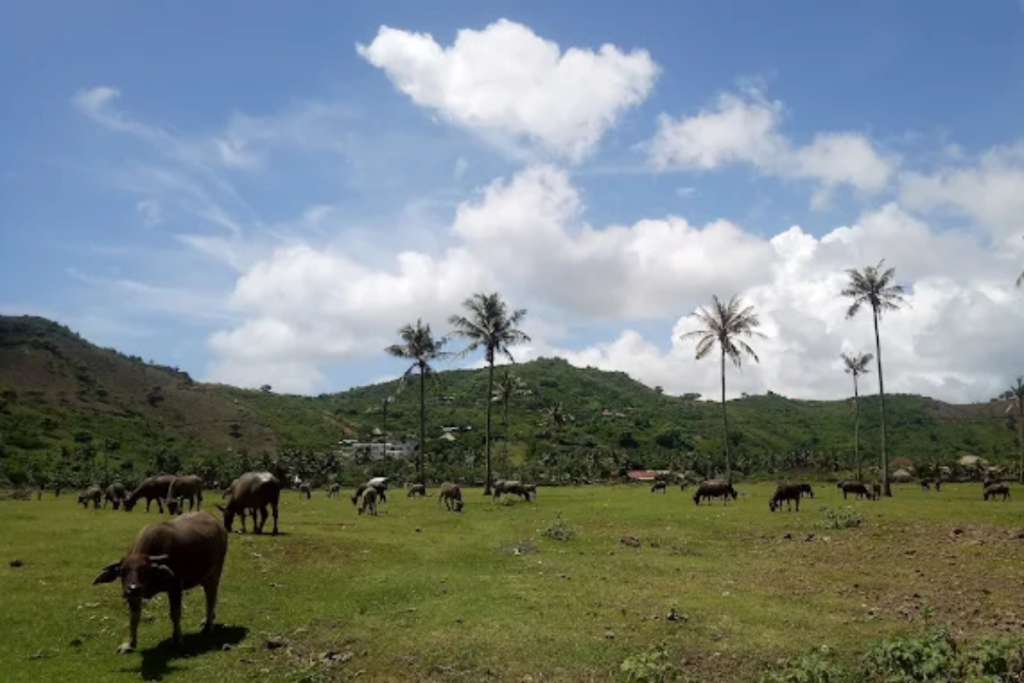
If you’re planning a trip to this beach, why not enhance your adventure by exploring some other spectacular spots nearby? The southern coastline is dotted with stunning beaches and natural wonders just a short drive away. It is easy to fill your itinerary with unforgettable experiences, whether for a day trip or several days of discovery.
Just about 15 minutes away, Mawun Beach offers a distinctly different atmosphere. Famous for its calm, crystal-clear waters, it’s ideal for swimming safely or simply lounging on soft, powdery sands while enjoying the peaceful surroundings.
Nestled between gentle hills, this beach provides a cozy, secluded vibe—perfect for families or anyone looking to avoid the crowds and unwind in tranquility.
Then there’s Tanjung Aan, a favorite among travelers exploring the area. Renowned for its pristine white sand and iconic beachfront swings, it’s a photographer’s dream.
The shallow, clear waters make it great for people of all ages to splash around and have fun. Local vendors also sell tasty treats and handmade souvenirs, giving you a chance to soak in the vibrant yet relaxed beach culture.
Bukit Merese is an essential stop for those craving stunning vistas and magical sunsets. A short drive inland from the beaches, this hilltop viewpoint offers sweeping panoramas of the southern coastline and the vas a short drive inland from the beachest ocean beyond.
It’s the perfect place to unwind after a day of seaside adventures, watch the sky transform into hues of gold and pink, and capture breathtaking moments on camera.
By pairing your visit here with these nearby treasures, you’ll experience the diverse beauty of Lombok’s southern coast, blending serene nature, exciting activities, and cultural highlights into one remarkable journey. Whether you’re chasing waves, soaking up nature, or simply looking to relax, this region promises memories that will stay with you long after you leave.
Planning a day trip covering these spots and visiting this hidden bay will give you a comprehensive experience of Lombok’s coastal magic.
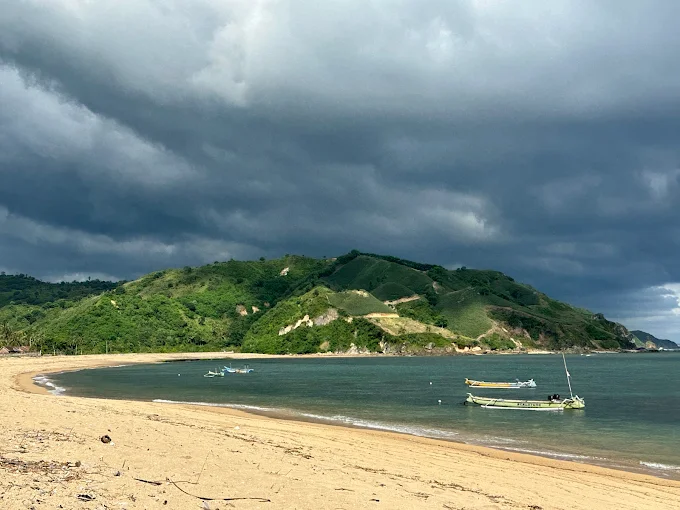
Exploring this beach and the surrounding areas is even better when you let us take care of the details. Lombok Touristic specializes in creating customized tour packages that highlight the best of Lombok’s natural wonders, including this quiet bay near Kuta.
Why choose Lombok Touristic?
Our packages can include private transportation, local guides, and flexible itineraries tailored to your interests — whether you want to focus on surfing, relaxing on pristine beaches, or discovering local culture.
Booking with Lombok Touristic means you get a seamless travel experience, ensuring your trip is memorable and stress-free.
Check out our Lombok Tour Packages and start planning your adventure today. We’re here to help you discover the hidden charms of Lombok, including this serene beach that many have yet to find.
If you’re searching for a place that combines natural beauty, excellent surfing, and a peaceful vibe, Areguling Beach Lombok is a must-visit. Still relatively untouched by mass tourism, it offers a refreshing escape where you can connect with nature and enjoy authentic local experiences.
With its stunning coastal views, friendly locals, and laid-back atmosphere, it’s no wonder many consider it their favorite spot in Lombok. Whether you’re catching waves, chasing sunsets, or simply soaking in the tranquility, this beach promises an unforgettable experience.
Remember, to get there easily and enjoy your time without worries, Lombok Touristic is ready to help you arrange your visit. Don’t miss out on discovering this hidden treasure — it’s waiting just a short ride from Kuta, offering all the charm and beauty you crave.
Start your Lombok adventure with us and experience the magic of this special beach firsthand!
Exploring the route between Bali and Lombok presents a distinctive opportunity to witness Indonesia's rich and varied beauty. Each island has its unique appeal—Bali's lively traditions and bustling nightlife, and Lombok's serene coastlines and unspoiled natural scenery. Interestingly, the trip connecting the two can be just as unforgettable as the destinations.
Whether you're a cost-conscious backpacker or a traveler working with a tight schedule, there's a transportation option tailored to your needs. In this guide, we’ll cover everything you need to know about making the journey from Bali to Lombok—whether by ferry or fast boat—including departure times, what to anticipate along the way, and why Lombok Touristic could be the ideal choice for a smooth and stress-free experience.

For those who prefer a slower pace, want to enjoy the scenery, and experience travel the way locals do, the ferry provides an authentic window into the daily rhythm of Indonesia’s island life.
It’s easy to see why this timeless option remains a favorite:
Let’s be honest—Indonesia is a dream destination for budget travelers, and when you're watching your spending, every rupiah makes a difference. That’s where the public ferry shines as a budget-friendly alternative offering incredible value.
Compared to fast boats or domestic flights, public ferry tickets are incredibly affordable, often costing a fraction of the price. This is a great way to stretch your travel budget without sacrificing the chance to see more.
Maybe you’re saving up for a volcano trek, scuba diving in the Gilis, or just more plates of nasi goreng—either way, choosing the ferry helps make those things possible. And if you're the kind of traveler who enjoys going slow and soaking it all in, the ferry is right up your alley.
Plus, there's something incredibly rewarding about choosing the “local” way. You’ll share the ride with families, traders, and fellow adventurers—all headed to new destinations with their own stories.
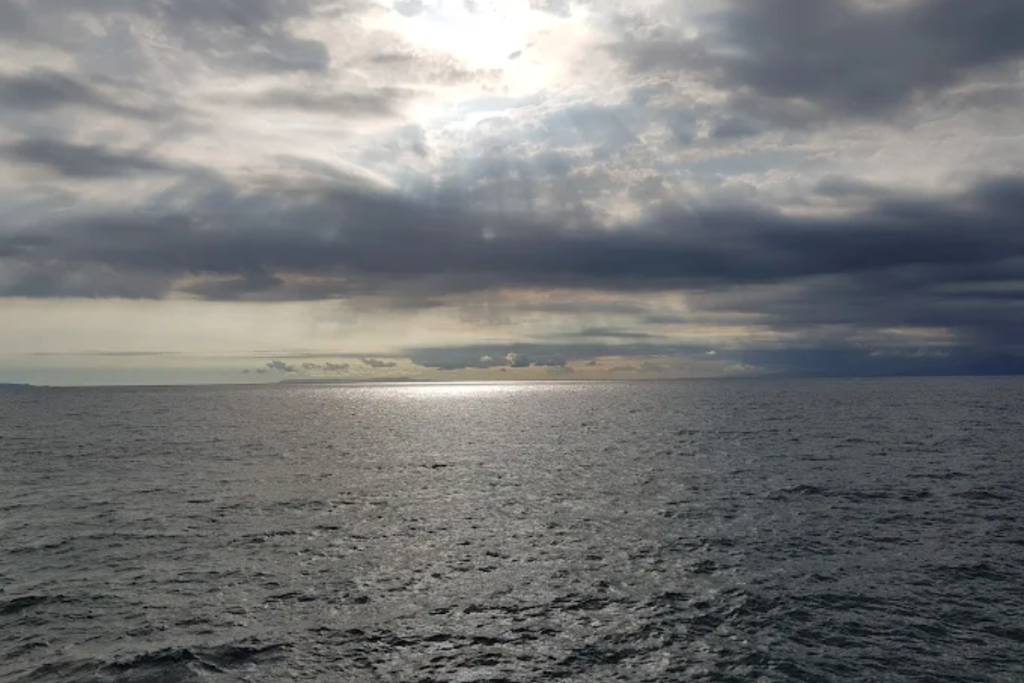
There’s something magical about sailing across the Lombok Strait. As the ferry gently glides over the waves, you’ll get sweeping views of Bali’s Mount Agung fading behind you, while the hazy outline of Lombok’s lush hills begins to take shape on the horizon.
If you're lucky and the skies are clear, you might even catch a sunrise or sunset that will leave you speechless. No filter needed. Dolphins sometimes play in the waters, fishermen glide in traditional boats, and the sea glistens in every direction. It’s an ever-changing, living postcard that’s impossible to capture fully on camera.
Bring a pair of sunglasses, your favorite playlist, and a window seat—or better yet, sit on the upper deck and let the sea breeze work its magic. The journey itself becomes a highlight, not just the destination.
This is the perfect time to slow down, disconnect, and get into that relaxed, island-state-of-mind before arriving in Lombok.
Here’s a secret that many first-timers don’t know: the public ferry is your golden ticket if you’re traveling with a vehicle. Whether it’s a rented motorbike from Bali or your own set of wheels, the ferry can easily transport cars, vans, and motorbikes across the water.
That means no scrambling to find a new rental in Lombok, no dealing with unfamiliar local rental agencies, and no need to repack your gear. You simply roll on in Bali and roll off in Lombok—ready to ride.
This option is convenient for road trippers, digital nomads, or adventure seekers planning to explore off-the-beaten-path destinations in Lombok like Sekotong, Sembalun, or Tanjung Aan. Your own transport allows you to explore hidden beaches, jungle roads, and remote villages on your own schedule.
Plus, riding through Lombok’s wide open roads, framed by rice fields and distant peaks, is an experience—something you just can’t get from a taxi window.
There’s something beautifully authentic about traveling the way the locals do. You’ll hear different languages, see families sharing meals, and maybe even strike up a conversation or two. This is a chance for cultural travelers to experience authentic Indonesian daily life, not just the curated version in tourist hot spots.
Expect a slower pace, friendly smiles, and maybe even a nap next to a grandmother with her bag of mangoes. It’s authentic, unscripted travel. And for many, those little moments become some of the most cherished memories.
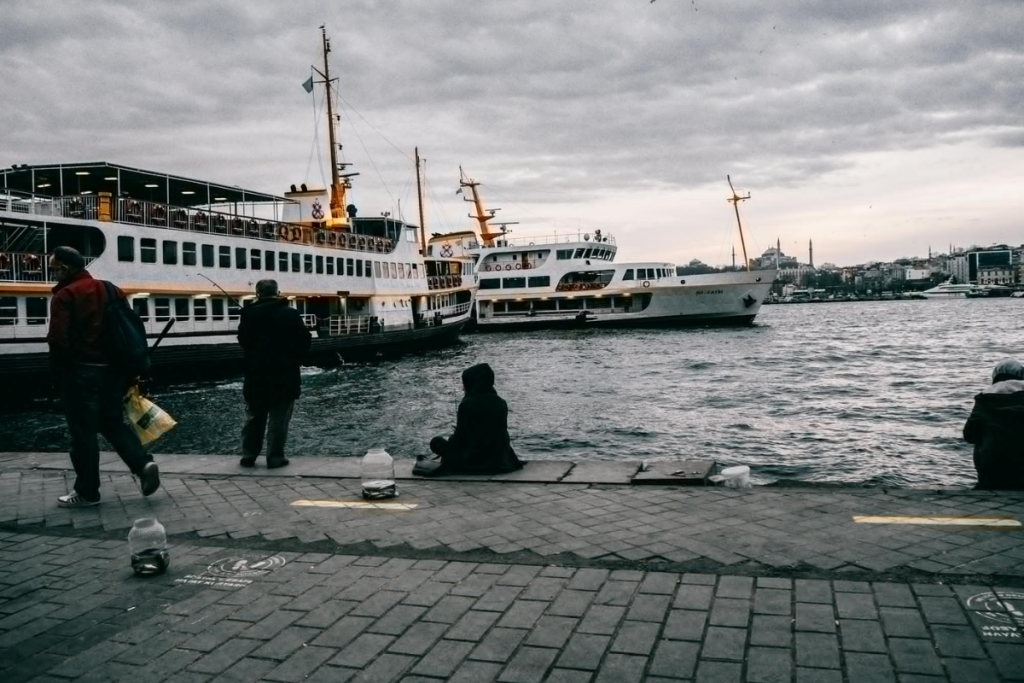
If you're planning a budget-friendly trip from Bali to Lombok, the public ferry service is a convenient and economical option. How long is the ferry from Bali to Lombok? Depending on sea conditions, the journey typically takes around 4 to 6 hours. Here's everything you need to know about the route, schedule, and travel time:
This is the main ferry route connecting Bali and Lombok, operated by Indonesia’s public ferry service.

Public ferries are straightforward and functional, but don’t expect luxury. Here’s what you’ll find onboard:
Seating is first-come, first-served. While there are standard benches and mats, you might have to share space with fellow travelers or locals carrying goods. It can get crowded, especially in the afternoons or on weekends.
The Lombok Strait can get rough. If you’re prone to seasickness, consider taking motion sickness tablets before boarding. Sitting outside in the fresh air or near the middle of the ferry can also help reduce nausea.
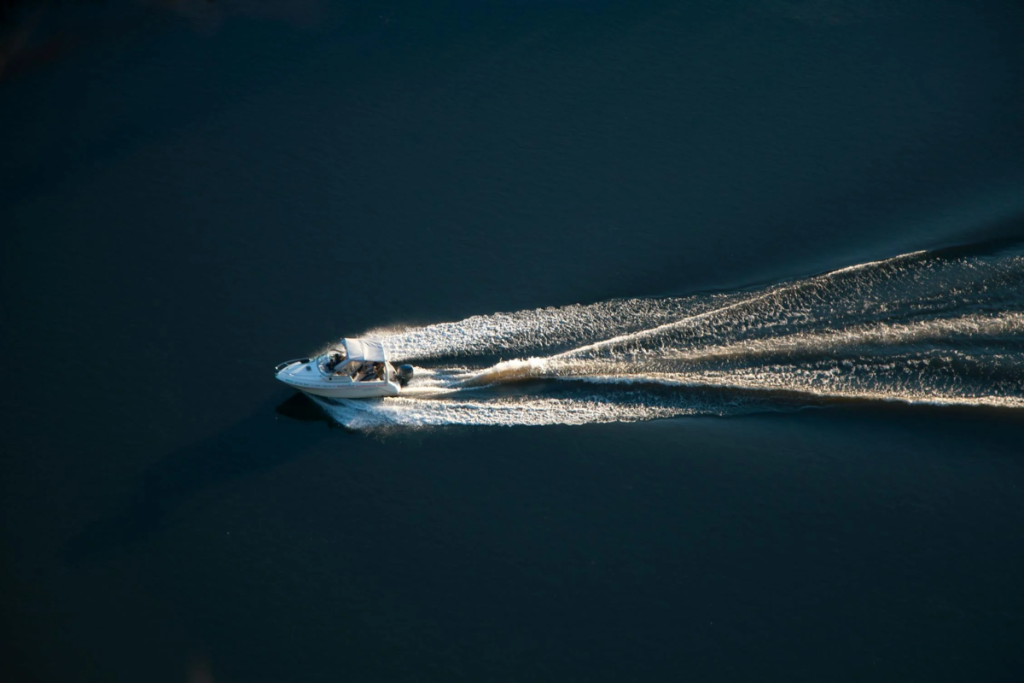
Suppose you’d prefer a quicker, smoother, and more comfortable ride. In that case, fast boats are an excellent alternative to the public ferry, and Lombok Touristic offers one of the most reliable services.
Benefits of Choosing Lombok Touristic Fast Boat:
Fast boats significantly cut travel time. Depending on the departure port, you can get from Bali to Lombok in just 1.5 to 2.5 hours.
Departure ports in Bali: Padang Bai, Sanur, and Serangan
Arrival destinations in Lombok: Senggigi, Teluk Nara, and even the Gili Islands
This variety gives you flexibility depending on where you're staying or heading after the trip.
Lombok Touristic includes private hotel transfers to and from the port, making the entire journey seamless—no need to stress about arranging taxis or negotiating prices.
Expect comfortable seating, life jackets, onboard staff, and smoother sailing thanks to smaller and faster vessels designed for tourism.
You can reserve your seats in advance through their official website, ensuring a smooth travel day, especially during high season.

Still undecided? Here’s a side-by-side comparison:
| Feature | Public Ferry | Fast Boat (Lombok Touristic) |
| Price | Low (budget-friendly) | Moderate to high |
| Duration | 4–6 hours | 1.5–2.5 hours |
| Comfort | Basic seating, limited amenities | Comfortable seating, cleaner facilities |
| Vehicle Transport | Yes | No |
| Entertainment | None | Minimal, but smoother ride |
| Booking | On-site only | Online in advance is recommended |
| Ideal For | Budget travelers, vehicle owners | Time-conscious travelers, comfort seekers |

No matter which transport mode you choose, keep these tips in mind:
Ports can get busy, especially during weekends or holidays. For Bali to Lombok ferry users, arriving at least 1–2 hours early helps you secure a spot. Fast boat travelers with Lombok Touristic will be picked up from their hotel, making the timing more convenient.
Whether you’re on a ferry or a fast boat, don’t forget:
Rough seas can delay departures, particularly during the rainy season (December to March). Check local forecasts and consider flexibility in your itinerary.
Between July and September, both ferry and fast boat services experience high dem between July and Septemberand. For fast boats, booking in advance is strongly advised—especially if you want hotel pickup or are traveling with a group.
Traveling from Bali to Lombok isn’t just about getting from point A to point B—it’s part of the adventure. The public ferry from Bali to Lombok is a solid choice for backpackers or road-trippers who don’t mind roughing it.
Meanwhile, Lombok Touristic’s fast boat service is ideal for those who value time, comfort, and convenience. So, whether you’re chasing waves, island-hopping to the Gilis, or exploring Lombok’s lush countryside, start your journey right with the travel option that suits you best.
Ready to book your trip? Check out Lombok Touristic’s Fast Boat Services for schedules, pricing, and easy booking. Create the perfect island itinerary with expert guidance. From Bali to Lombok, let the adventure begin!
If you're heading to Lombok and you're into animals, nature, or just something different from beaches and waterfalls, then Lombok Wildlife Park is a must-visit. Tucked away in the lush tropical greenery of North Lombok, this spot allows you to get up close and personal with animals you usually only see behind glass or on TV.
It's not a typical zoo — it’s more like walking through a jungle where friendly animals are ready to greet you.
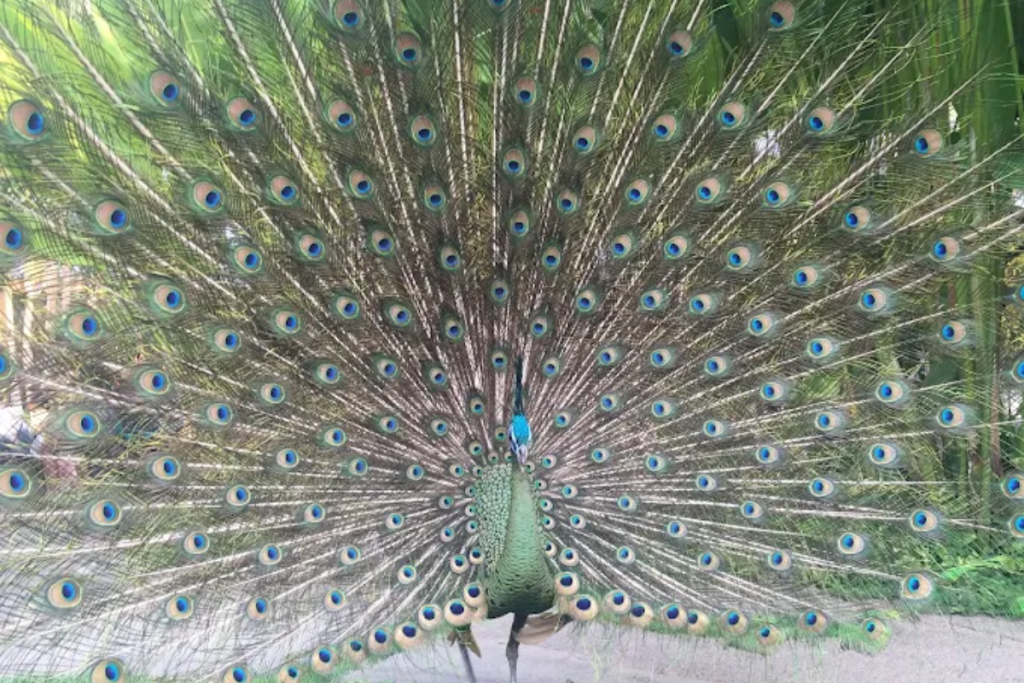
Established in 2017, the park was born out of a passion for animals and a commitment to conservation. Set in an artificial forest environment designed to mimic natural habitats, it offers visitors the rare opportunity to interact closely with wildlife in settings prioritizing animal welfare and education.
The park's mission extends beyond entertainment, aiming to foster a deeper understanding and appreciation for the animal kingdom.

Among the top things to do in Lombok, this park offers some of the most hands-on and heartwarming animal encounters you’ll ever experience. You’ll find elephants, orangutans, birds, reptiles, and more — and you won’t just be staring at them from afar.
Here, you actually interact with them. Feed them, touch them, take photos, and even bathe them. This is not your everyday animal encounter — it’s immersive, educational, and perfect for families, solo travelers, couples, or groups of friends.
Thanks to warm, tropical Lombok weather, the park is a great year-round destination for nature lovers thanks to warm, tropical Lombok weather. Let’s break it down to see what makes this place special.
One of the park's main attractions is the chance to engage directly with its inhabitants:
One of the biggest highlights here? The elephants. And no, you're not just watching them from behind a fence. You can stand next to them, feed them fruits, and even help give them a mud bath. It’s messy, but in the best way possible. You’ll laugh, probably get splashed, and come away with some great stories (and photos!).
The keepers will guide you through the process, from prepping the mud to understanding how these gentle creatures enjoy their spa time. The elephants are calm, used to people, and enjoy the attention. It’s one of the most heartwarming parts of the whole trip.
For those who may feel nervous, don't worry — everything is supervised and the team is super friendly. You’ll learn a lot about their personalities, too, which makes the connection feel even more special.
Meet the park’s most famous duo — a pair of charismatic orangutans named Kaka and Kiki. These two are practically celebrities around here. They love the camera, and they love people. You can sit next to them, take selfies, or watch them play like little kids.
They’re curious, cheeky, and full of personality. And while it’s fun to interact with them, it’s also a chance to learn about how intelligent and emotional these creatures really are. The guides share stories about their behavior, routines, and how they were rescued or raised in the park’s care.
It’s not just a photo op — it’s an experience that might change how you think about primates forever.
If you’re into birds, this is going to be your heaven. There's an area called Lory Kingdom where you can walk through a massive open-air aviary filled with colorful birds. Lories, parrots, and cockatoos’ll fly up and perch on your arms or shoulders. Bring a little fruit juice (provided by the staff) and you’ll instantly become their best friend.
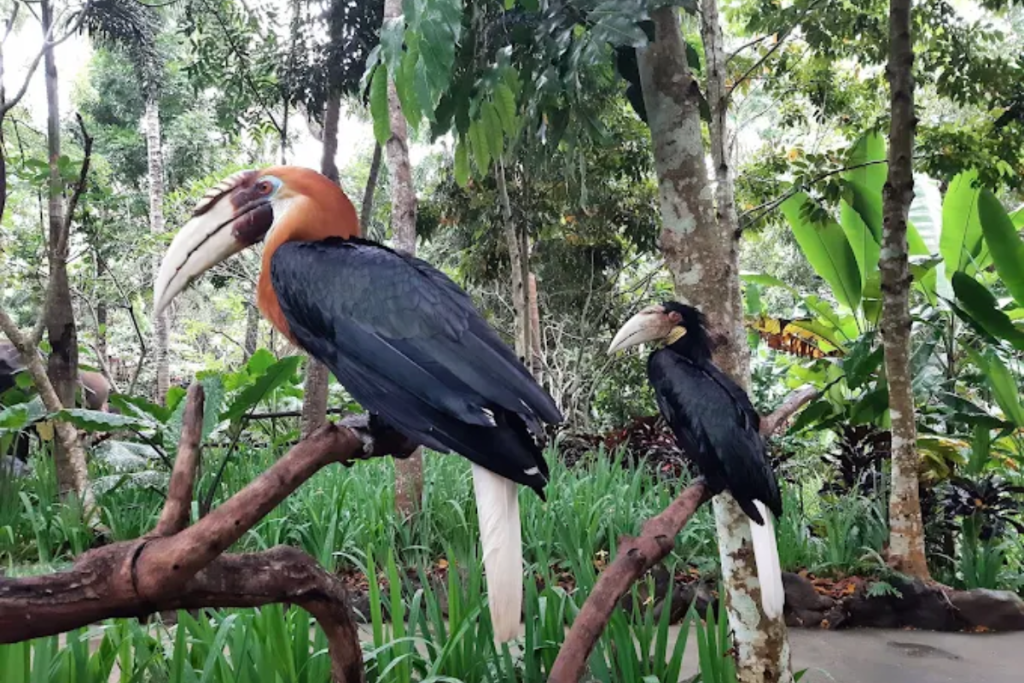
What’s incredible here is the freedom the birds have. They’re not locked in tiny cages. They fly around, interact with guests, and look genuinely happy. You’ll also see some rare species you might not have heard of — including the iconic hornbill from Sumbawa.
Kids absolutely love this section, but so do adults. It's peaceful, colorful, and gives you that “wow, I’m really in the tropics” kind of feeling.
Okay, reptiles might not be everyone’s cup of tea, but if you're curious (or brave), this part is actually super cool. There’s a dedicated area where you can see and even touch various reptiles — snakes, iguanas, monitor lizards, and more.
If holding a python freaks you out, you're not alone. But with the help of the super calm staff, many visitors end up surprising themselves. It’s all done in a safe, controlled environment, without pressure if you just want to watch from a distance.
What’s interesting is how much you can learn. The guides explain what these animals eat, how they survive in the wild, and even little quirks about their personalities. Turns out, reptiles aren’t as cold as they seem.
It’s not just fun, it’s educational, too. While the animal encounters are the main draw, this place also strongly focuses on education and conservation. They’re not just here to entertain — they’re here to inspire people to care about wildlife.
Signs explain the species, their origin, and why they matter. The staff often shares stories about how some animals were rescued, or their natural habitats are disappearing. It's eye-opening, especially for kids.
The park also runs special programs for schools and families to encourage environmental awareness. If you're traveling with young ones, this is an excellent opportunity for them to learn while having fun.
Even if you’re not a science nerd, it’s hard not to come away with a greater appreciation for animals after visiting.
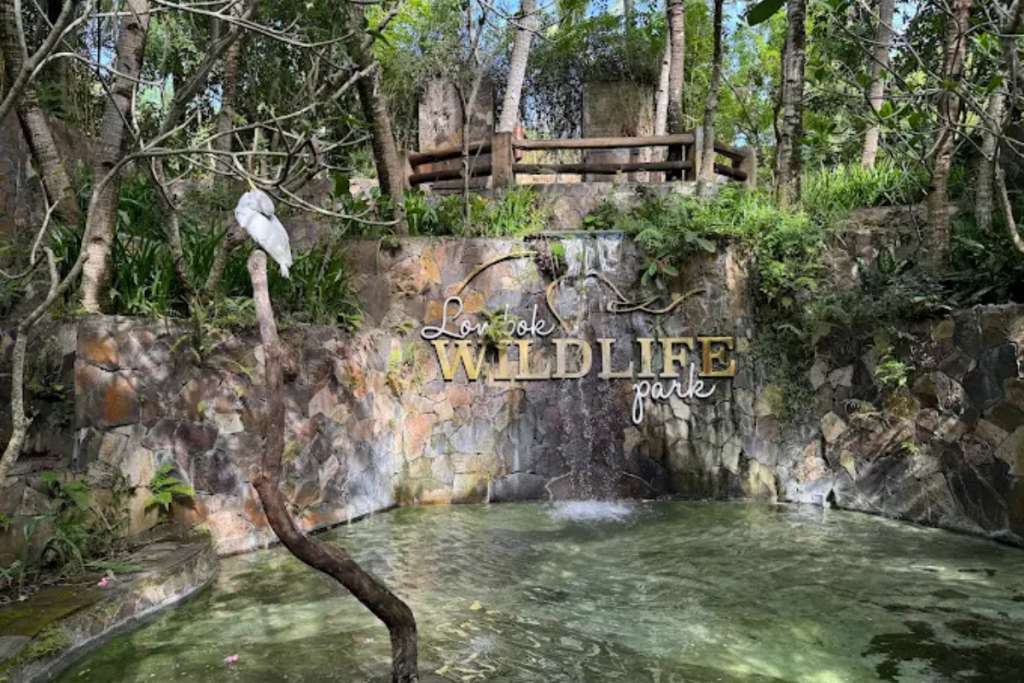
Getting here is pretty simple. If you’re staying in Senggigi, it’s about a 30-40 minute drive. From Mataram, it’s roughly 45 minutes.
If you’re near Bangsal Harbour (like after coming from the Gili Islands), it’s even closer — around 15 minutes.
Most people opt for private cars or scooters, and some join guided tours that include this stop plus a few nearby attractions like the Pusuk Monkey Forest or Malimbu Hill.
No matter how you arrive, the road is smooth, and the views are worth the ride. You’ll see rice fields, little villages, and green hills — a nice prelude to your animal adventure.
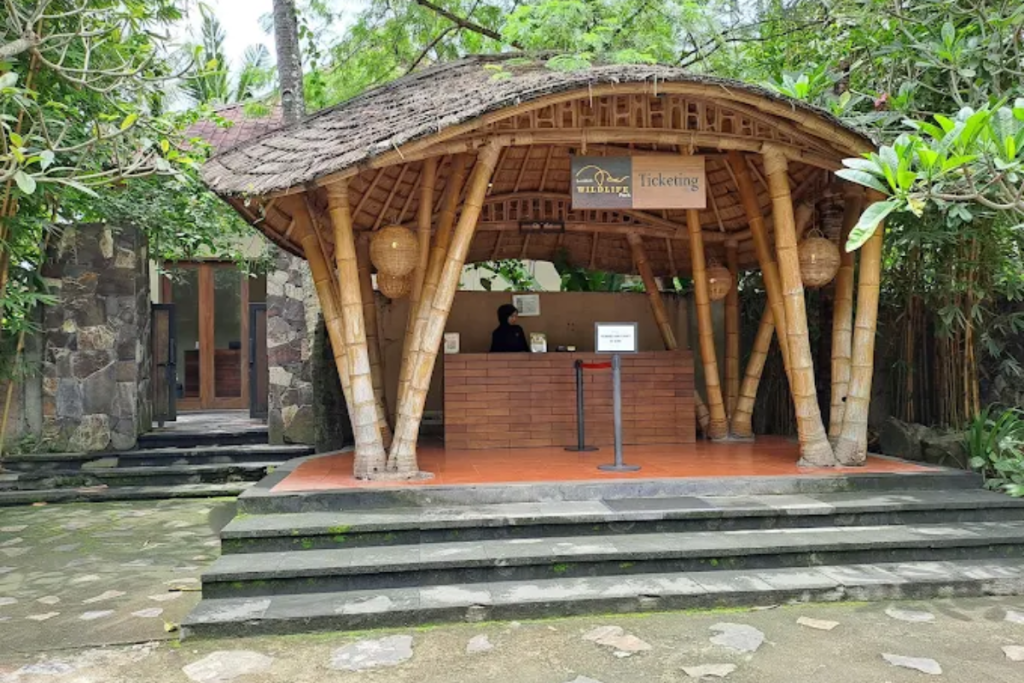
Chill, Eat, Shop — All in One Place. You’ll probably spend a few hours here, so it’s good to know there are solid facilities.
If you want a hassle-free, smooth, and truly memorable visit, booking through a trusted local tour provider like Lombok Touristic is the way to go. Lombok Touristic is an expert who knows the island inside and out, so you won’t waste time figuring out directions or dealing with confusing maps.
You’ll save time, avoid the stress of planning, and get the local insight that makes a good trip great.
Lombok Wildlife Park is more than just a tourist attraction — it’s an experience. It lets you connect with animals, learn new things, and support a place that genuinely cares about conservation and education.
Whether you're traveling with kids, a partner, or just exploring solo, you’ll leave with a full camera roll and even fuller heart. Not every day you get to feed an elephant, hang out with an orangutan, and hold a giant lizard — all in one place.
So if you're in Lombok and looking for something unique, natural, and totally memorable, you know where to go.
Book your visit today and start planning an adventure you’ll never forget. Visit the official site here or check out tour options with Lombok Touristic.
Perched gracefully above the rolling surf and framed by ancient volcanic stone, Batu Bolong Temple in Lombok is more than a scenic attraction—it’s a serene pocket of spiritual calm carved into the island’s rugged coastline.
Whether your journey is driven by cultural curiosity or the desire to witness a breathtaking sunset, this sacred cliffside shrine delivers an experience that’s as visually captivating as it is soul-stirring.
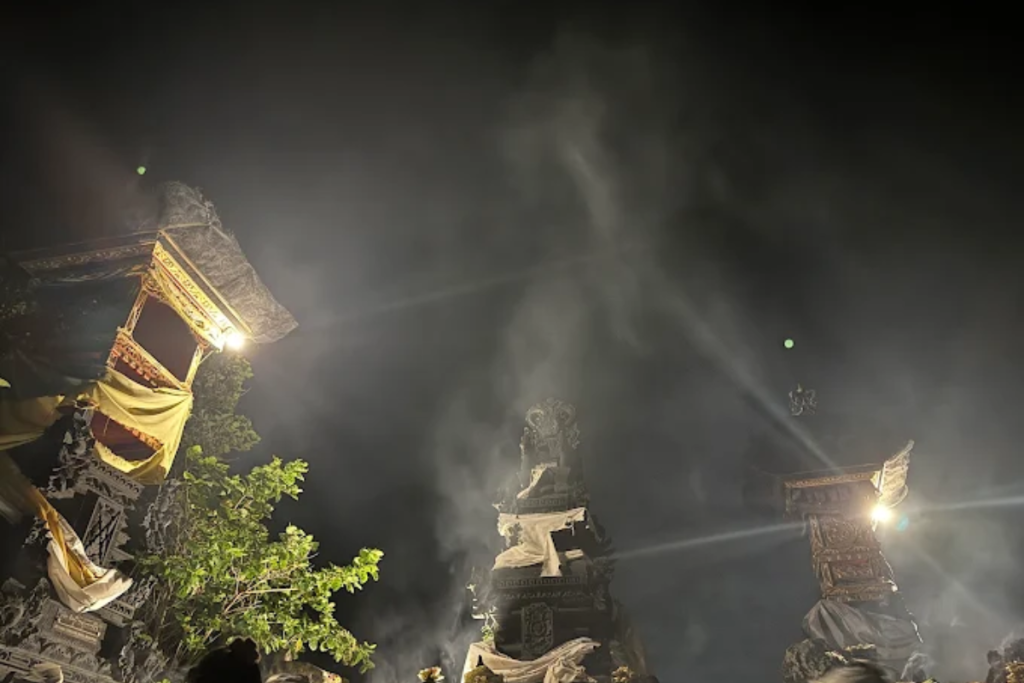
This humble yet enchanting sanctuary is a testament to harmony between nature and the divine, situated atop a rocky promontory along the Senggigi coastline. The name itself, “rock with a hole,” hints at the temple’s unique geological feature—a natural opening beneath the shrine carved over centuries by wind and wave.
Frequently likened to Bali’s Tanah Lot, it offers a similar coastal charm but with a more personal and tranquil atmosphere. Here, you won’t battle crowds or lose the moment in noise. Instead, you’re greeted by gentle breezes, the sound of waves below, and the soft chants of worshipers in quiet reverence.
Still actively used by the local Hindu community, this holy site is alive with ritual and devotion. As you approach, you might see locals clad in traditional attire, presenting offerings of flowers and incense, their prayers drifting on the sea breeze toward the open horizon.

This isn’t just another temple on a tourist map—it radiates meaning and peace. There’s a quiet force in the way the structure merges with its surroundings, inviting visitors to slow down and feel, not just see.
Arguably, one of its most striking features is its panoramic ocean view. Resting above dark volcanic rock formations, the shrine grows naturally from the land. On a clear day, Mount Agung in neighboring Bali stands tall in the distance—its outline blurred slightly by sea mist, yet unmistakably majestic.
Golden light stretches across the sea as the sun begins its descent, turning the sky into a living painting. Pink and amber tones swirl over the horizon while the crashing waves reflect the fiery glow below. For photographers, romantics, and soul searchers alike, it’s a moment that lingers long after your journey continues.
Dedicated to Ida Sang Hyang Widhi Wasa, the supreme deity in Balinese Hinduism, the temple plays a vital role in local spiritual life. While it welcomes curious visitors with open arms, it remains a worship sanctuary. You’re free to observe rituals, sit quietly in thought, or admire the devotion of those around you.
The hole beneath the rocky foundation isn't merely a geological quirk—it holds deep symbolic meaning. Seen as a spiritual gateway, it connects the temple to the sea, which in Hindu belief represents purification and renewal. Energy is thought to pass freely through the rock, blessing worshipers and nature alike.
During Hindu festivals like Purnama (full moon ceremonies) and Galungan (celebrating the victory of dharma over adharma), this quiet sanctuary comes alive with color and sound. Devotees arrive in waves, carrying offerings adorned with frangipani and marigolds, accompanied by traditional gamelan music that resonates across the water.
Ornate umbrellas, fluttering banners, and vibrant sarongs transform the temple’s simplicity into a festive wonder. Visitors are often welcome to witness these celebrations from a respectful distance, gaining insight into a living tradition that continues to shape Lombok’s spiritual identity.
What makes this spot even more special is its openness. Unlike other holy places that may limit visitor access, this one offers a rare opportunity to experience sacred space without imposing walls or heavy restrictions. Still, a sense of reverence is expected, and rightly so—it is, after all, a place where the divine is actively honored every day.
Beyond its spiritual gravity, the atmosphere is ideal for quiet reflection. With the rhythmic tide below and the scent of salt in the air, it offers a setting that nourishes inner peace. Whether you’re journaling, meditating, or simply sitting still, the surroundings inspire a rare kind of calm that modern life often forgets.

Getting to this coastal haven is straightforward, and the visit itself promises rewards far beyond what guidebooks often describe. With just a little preparation, you can make your experience smoother and more meaningful.
Suppose you’re wondering where Batu Bolong Temple is. In that case, it’s located in Senggigi, an oceanside retreat just a 15-minute drive from Mataram, the capital of West Nusa Tenggara, and approximately an hour from Lombok International Airport. The roads are well-maintained, making access simple whether you’re traveling by rental motorbike, private driver, or tour group.
The spot is practically within reach on foot for those already staying in Senggigi. Begin your stroll near the main beach path and follow the coastline. Eventually, the cliffside shrine will reveal itself, quiet and unwavering, where land meets sea.
Batu Bolong Temple entrance fee is free, but visitors often contribute a small donation that helps support the temple's upkeep. Modesty is essential—visitors are required to wear sarongs, which are often available for rent at the entrance or included in organized tours.
Women are respectfully asked to avoid visiting during menstruation, in line with long-held temple customs. Everyone should be quiet, avoid touching sacred offerings, and walk carefully throughout the premises.
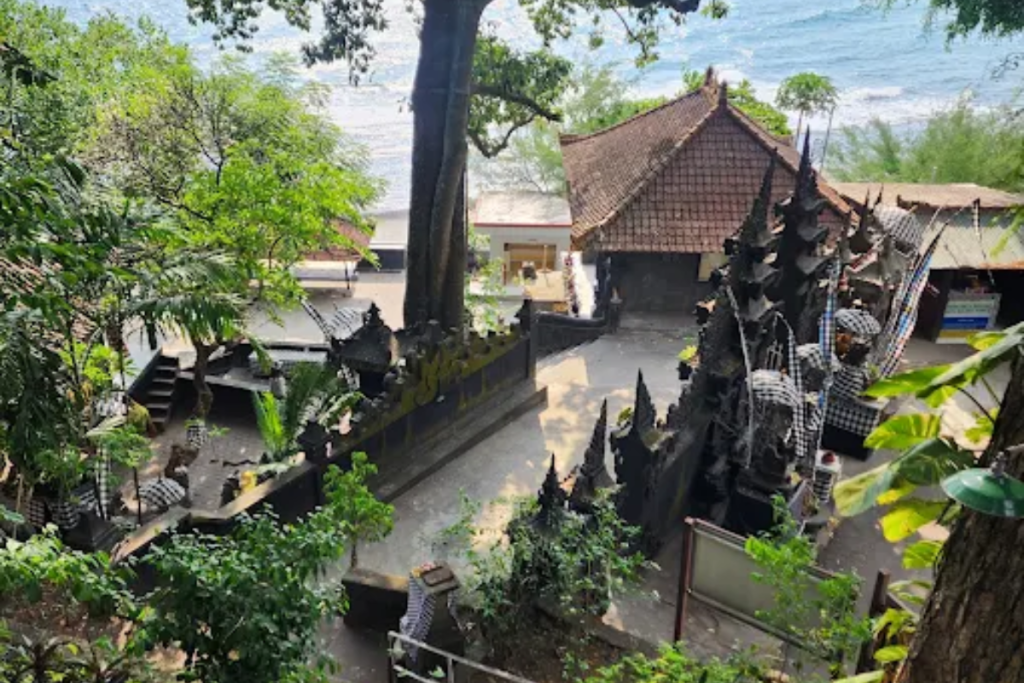
While the destination itself is modest in size, its experience runs deep. You can enhance your visit with a few thoughtful steps and ensure that your presence respects the local tradition.
If your schedule allows, plan your arrival in the late afternoon. The golden light brings every stone, every wave, and every prayer flag to life. As the sun melts into the horizon, colors flood the sky and ocean in breathtaking unison. It’s more than a visual treat—it’s a spiritual punctuation mark to the day.
The sanctuary is just steps away from Senggigi Beach, making it easy to pair your visit with a laid-back coastal escape. Spend the earlier part of your day swimming in the clear shallows, reading beneath palm trees, or sipping on young coconut at a beachfront café. By late afternoon, you’re ready to walk to the cliff’s edge and complete your day with spiritual serenity.
This is an active place of worship, not a relic or museum. Always approach it with respect. Don’t touch offerings or altars, keep your voice low, and don’t enter inner sanctums unless invited. Photography is generally welcomed, but close-ups of worshipers or priests should be taken only with consent.
Loose, breathable clothes are ideal for the warm climate, and covering your shoulders and knees is a gesture of respect. If you’re visiting during midday, don’t forget sunscreen and a hat. Footwear should be easy to remove and comfortable for navigating rocky paths and steps.
There’s no need for bulky bags. A small backpack with water, sunscreen, and your phone or camera is enough. The less you carry, the freer you’ll feel to explore and immerse yourself in the environment.
Above all, the magic of this place lies in its stillness. Find a quiet spot to sit, listen to the waves, and allow yourself to simply be. In this sacred space, you’re invited not just to look, but to feel—something few destinations truly offer.
Want to make your visit seamless, insightful, and stress-free? Let Lombok Touristic take care of the details. With curated Lombok tour packages, you’ll visit Batu Bolong Temple and understand its stories, significance, and local myths from our knowledgeable guides.
Here’s how Lombok Touristic can make your experience unforgettable:
Lombok Touristic aims to help you see more, stress less, and connect deeply with the authentic Lombok.
Batu Bolong Temple Lombok, is more than just a scenic photo spot—it’s a spiritual and cultural landmark that offers a unique blend of peace, history, and natural beauty. Whether you're a cultural enthusiast, a sunset chaser, or simply enjoy quiet, meaningful places, this temple is well worth a visit.
And when you're ready to explore not just Batu Bolong, but the heart of Lombok itself, Lombok Touristic is here to guide your journey. Let’s discover the soul of Lombok—together.
Unlike Bali, which is already globally famous, sometimes even more than Indonesia, Lombok offers a similar yet refreshing experience: breathtaking beaches, but more untouched; a central city, but more grounded; and stunning nature, but more raw and wild.
Luckily, it's a breeze getting to Lombok from Bali. This so-called Bali's sister island is only a short trip away. Let’s explore various ways to get there—who knows, it might be your next favorite escape.
When comparing Bali and Lombok, it’s not always about which one is better—it depends on what you're looking for. Though geographically close, especially by Indonesian standards, these two islands offer distinctly different vibes. Here's why Lombok is worth the trip from Bali:
Bali can feel crowded, especially during peak seasons or holidays. While some enjoy the lively atmosphere, others may crave a quieter escape. That’s where Lombok shines. With its peaceful beaches and slower pace, it's perfect for travelers seeking serenity or a romantic getaway.
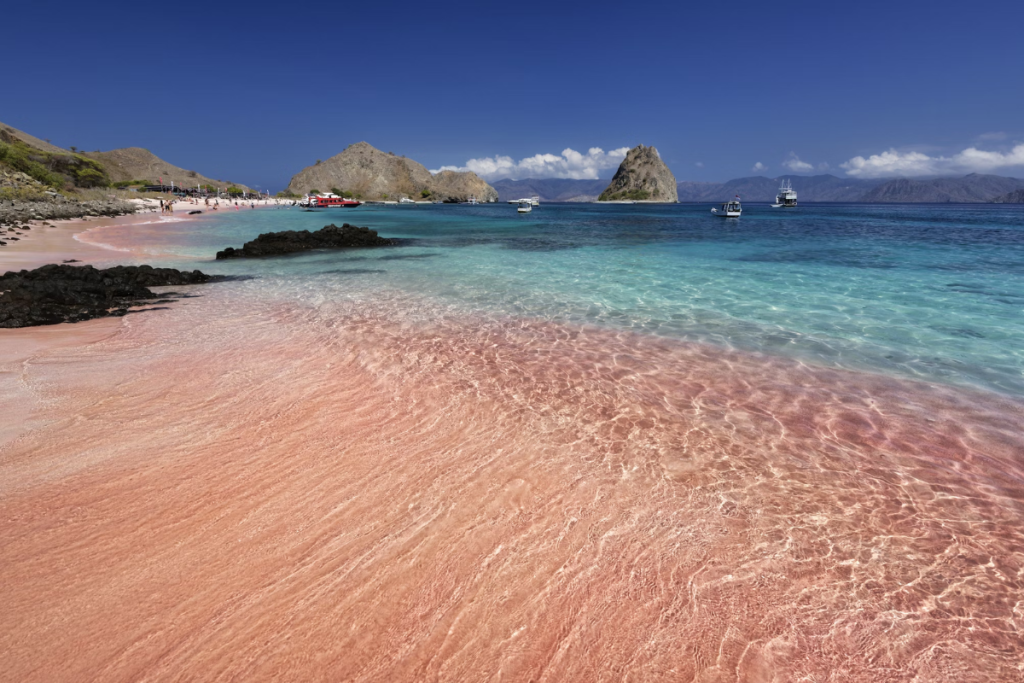
Lombok is a dream for outdoor lovers. From the unique pink beaches, dazzling waterfalls, and dramatic Mount Rinjani, Lombok carries natural beauty under its wings that even Bali doesn’t always match.
From Bali, getting to Lombok takes, at most, half a day by the slowest option—and much faster by speedboat or flight. This makes it an ideal side trip for those wanting to explore more of Indonesia without straying too far.
The journey between the two islands is fairly hassle-free, with three main transportation options: by sea or by air. Here's a breakdown of each method:
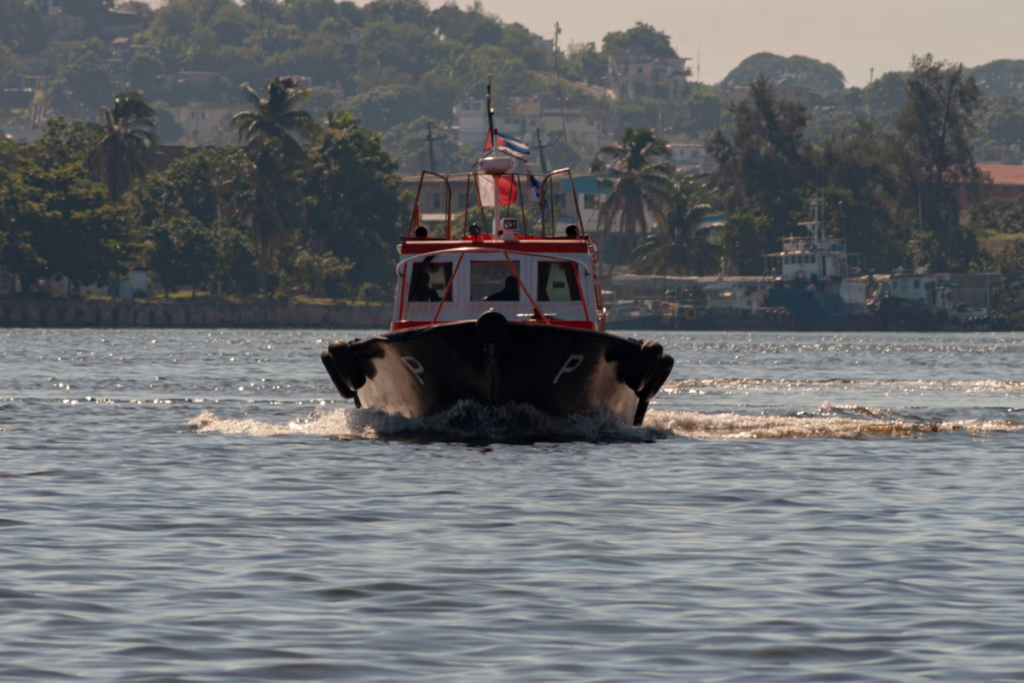
Fast boat services are frequently chosen by travelers heading from Bali to Lombok. Here's the details:
Expect the trip to take between 1.5 and 2.5 hours, depending on where you depart from and current weather.
The price of fast boats from Bali to Lombok typically ranges between IDR 300,000 to 700,000 (approximately USD 20–45) per person, depending on departure point, operator, and season.
Many travelers choose fast boats due to their convenient schedules, affordable prices, and flexibility. Moreover, this scenic route offers gorgeous vistas—and if you're lucky, a dolphin or two. It's perfect for those who love the outdoors and travel photography.
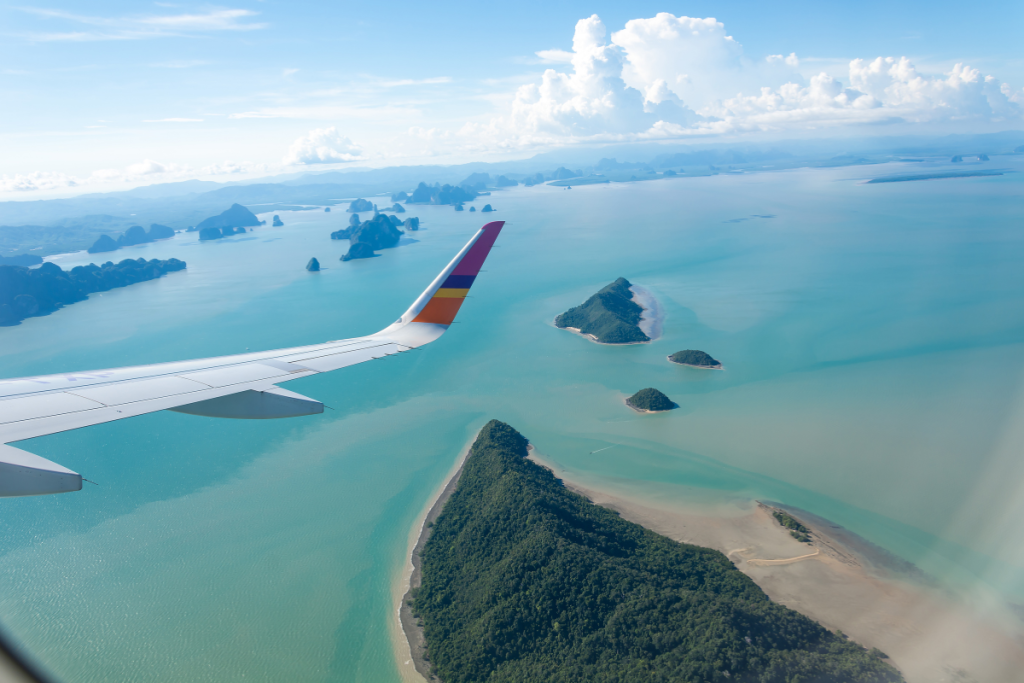
If you're short on time or simply prefer a more comfortable journey, flying is the fastest and most convenient way to travel from Bali to Lombok.
Flights depart from Ngurah Rai International Airport (DPS) in Bali—the same airport most international travelers arrive at. You'll land at Lombok International Airport (LOP).
From the airport, it typically takes around 60–75 minutes to reach Senggigi or Mataram, and approximately 3 hours to reach Mount Rinjani (Senaru or Sembalun areas).
The flight itself takes about 40 minutes, but remember to factor in additional time for airport check-in, security procedures, and transfers at both ends.
Ticket prices usually range from IDR 400,000 to 1,200,000 (roughly USD 25–75), depending on the airline, season, and how early you book.
Airline options vary, including:
It's ideal for travelers who prioritize speed and comfort—perfect for families, those on tight schedules, or anyone planning a Lombok day trip from Bali who prefers to skip the sea journey altogether.
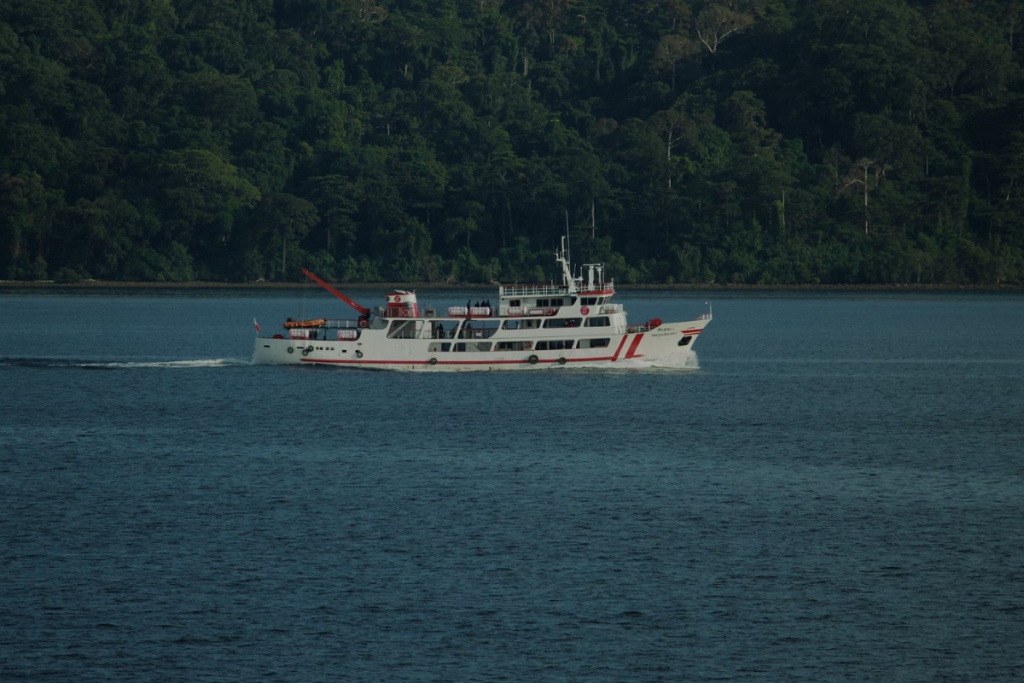
If you're more of a “take it slow and save” traveler, this route might be for you.
Public ferries follow a single, direct route linking Padang Bai in Bali with Lombok’s Lembar Port.
From Lembar Port, popular destinations like Senggigi, Mataram, and Kuta are usually 1 to 2 hours away by land transport, while reaching the Mount Rinjani area takes around 4 hours.
Ferry ride duration from Bali to Lombok takes approximately 4 to 6 hours, depending on sea conditions. However, departures run 24/7 every 1–2 hours, so you're free to hop on whenever your schedule fits.
The fare of the public ferry from Bali to Lombok is approximately IDR 50,000 to IDR 60,000 per person (around USD 3–4). It’s a very budget-friendly option, though slower and less comfortable compared to fast boats or flights.
Tickets can be booked online through the official ferry provider's website, Ferizy.com. However, most travelers prefer to buy tickets directly at the Padang Bai Harbor ticket counter, which is generally more straightforward, especially if you want flexibility or are traveling outside peak periods.
This option is perfect for adventurous travelers or budget-conscious backpackers looking for a more local and authentic experience. While it’s not the most comfortable journey, it’s a great way to save money and experience how locals travel between islands.
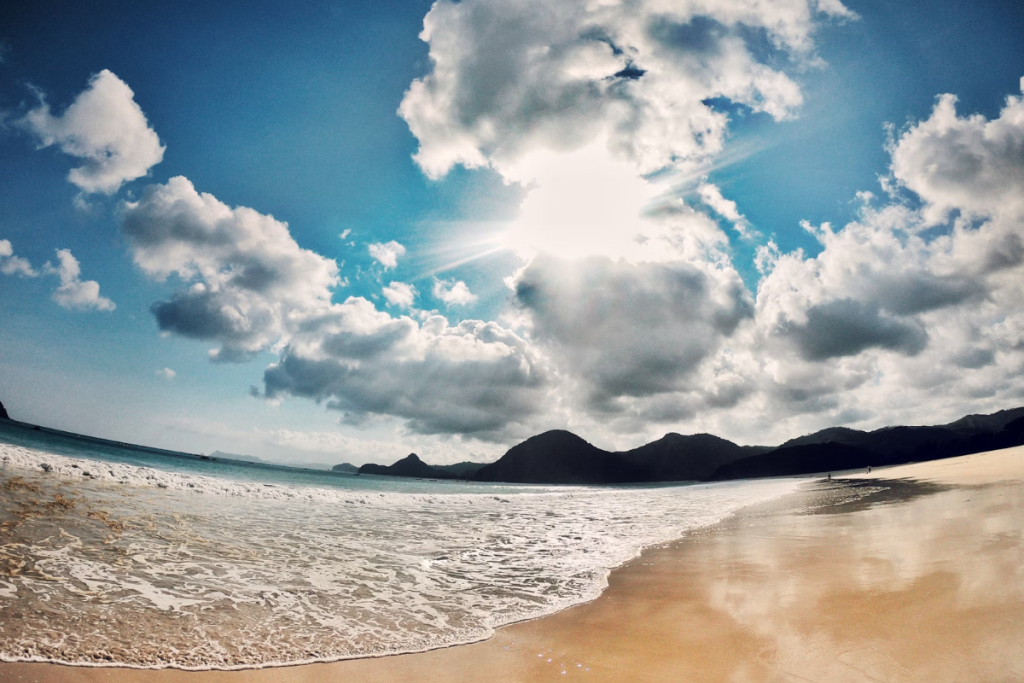
Wondering which option is right for you? Here’s a quick comparison table to help you choose the best way to get from Bali to Lombok, based on your travel style and priorities:
| Method | Duration | Price Range | Comfort Level | Best For |
| Fast Boat | 1.5–2.5 hours | $$ (Moderate) | Medium to High | Couples, solo travelers, casual tourists, nature enthusiasts |
| Plane | ~40 minutes | $$$ (Higher) | High | Families with kids, short-stay visitors |
| Public Ferry | 4–6 hours | $ (Low) | Low | Backpackers, adventurous souls, travelers with shoestring budget |
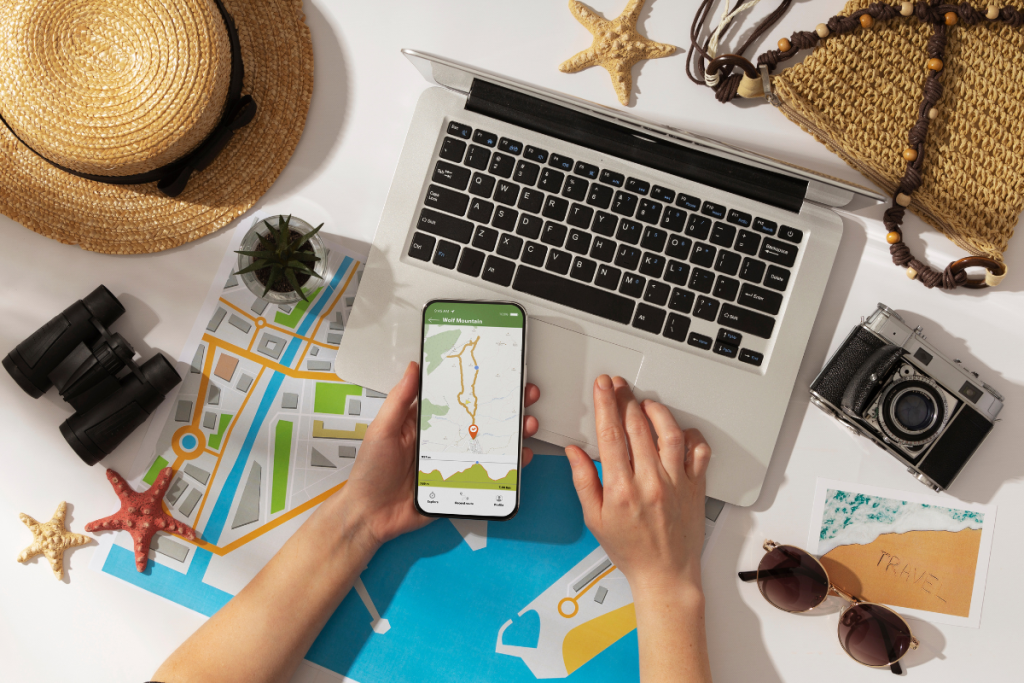
Traveling between Bali and Lombok can be an adventure in itself, whatever your transportation mode might be. Here's a few handy tips that might help make your trip much smoother and more enjoyable.
If you're planning to travel during peak seasons, such as June to September or December, be sure to book your transport in advance. Fast boats and flights tend to sell out quickly, leaving last-minute travelers with limited options or higher prices.
For most transport methods, you can rely on online booking platforms. However, for services with less reliable online systems, like the public ferry, your best bet is to ask your hotel or local travel agent to help secure tickets.
Bali has several departure points, which are quite far apart. So, it's best to double-check your ticket details before departure to avoid any mix-ups at the port.
Additionally, always plan to arrive at least 30–45 minutes early. Ports can get chaotic, especially during high season or weekends, so giving yourself extra time is always wise.
Traveling during the rainy season (November to March) can mean rougher seas, which can cause delays or cancellations.
If you're prone to motion sickness, packing sea sickness pills or ginger candy can make a big difference. Also, keeping your schedule flexible is a smart move in case weather disruptions force last-minute changes.
Space on fast boats and public ferries is often limited, especially if you're boarding during busy periods. A backpack or small suitcase is much easier to manage than large, bulky luggage. Plus, it's more practical if you're hopping on and off different forms of transport.
Many digital nomads and female solo travelers recommend pre-arranging your hotel transfers in both Bali and Lombok. It adds an extra layer of convenience and security, especially if you're arriving late or choosing a less tourist-established area. Most hotels or operators can assist with easy add-on transfers.
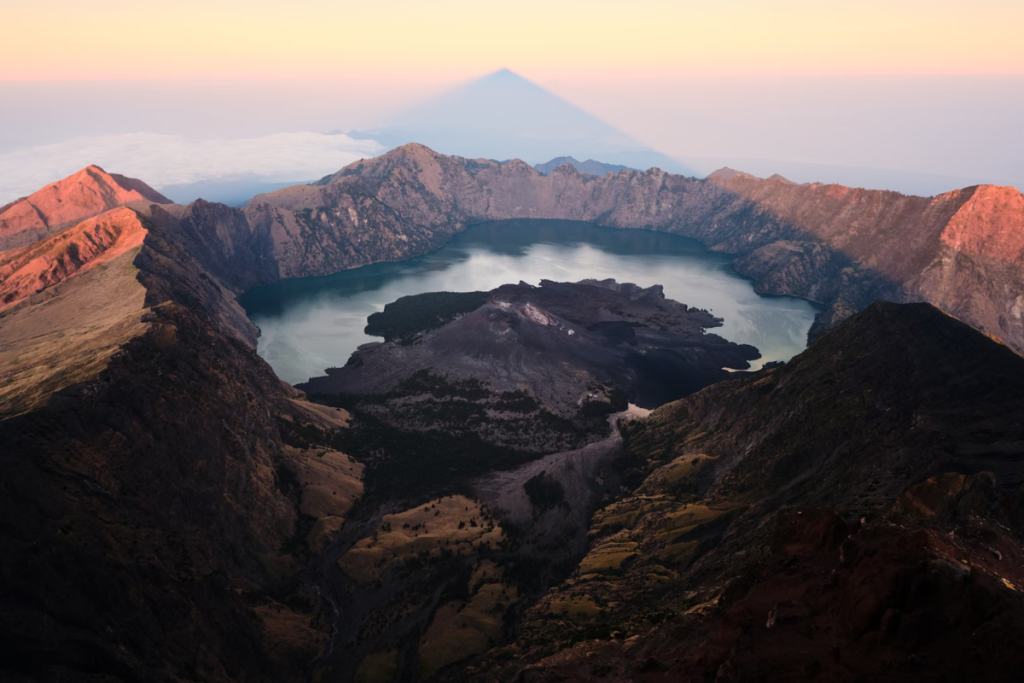
Make your journey smooth and worry-free with Lombok Touristic — your trusted partner for seamless island hopping.
With over a decade of experience, we offer more than just tours. Here’s what you’ll get:
Thousands of happy travelers have trusted Lombok Touristic to make their trip easy and memorable—now it's your turn. Let us handle the details, so all you need to do is enjoy your trip from Bali to Lombok and take home unforgettable memories.
Many assume Indonesia’s tropical islands offer year-round sunshine, but Mount Rinjani tells a different story. While the mountain's weather follows a fairly predictable seasonal pattern, conditions can shift suddenly and dramatically, especially at higher altitudes. And Rinjani certainly has plenty of those.
In this guide, you'll find everything you need to know about mount Rinjani weather to help you plan a safe, comfortable, and unforgettable trek.
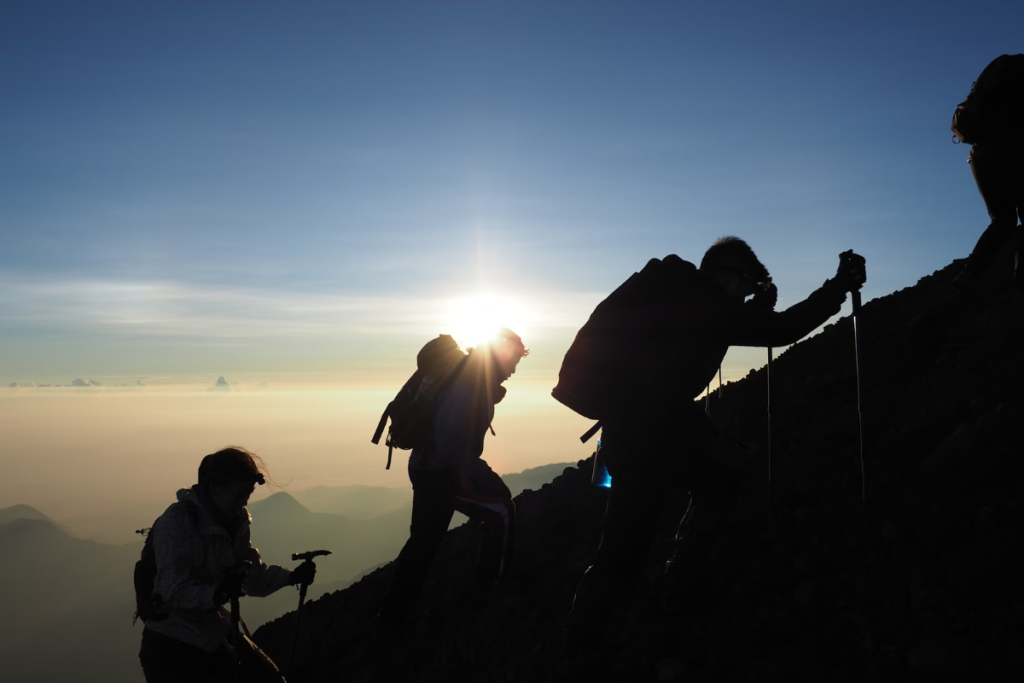
Located on Lombok Island, Indonesia, Mount Rinjani experiences a tropical climate with two distinct seasons: the dry and rainy (wet) season.
These seasons can significantly impact both the weather conditions and temperatures, especially at higher altitudes. And at 3,726 meters (12,224 feet), Rinjani’s temperatures can drop noticeably as you climb, becoming much cooler the higher you go.
But it’s not just about temperature. The changing seasons and the weather that comes with them can significantly impact your entire trekking experience. They influence everything from the gear you need to pack, how you manage your stamina and breathing, to your safety preparations and mindset.
More importantly, weather conditions can quite literally make or break your journey, as the mountain is closed to trekkers entirely during certain months for safety reasons.
Therefore, understanding mount Rinjani weather is crucial before planning your trip. After all, you’re here for an adventure, not an unexpected survival challenge.
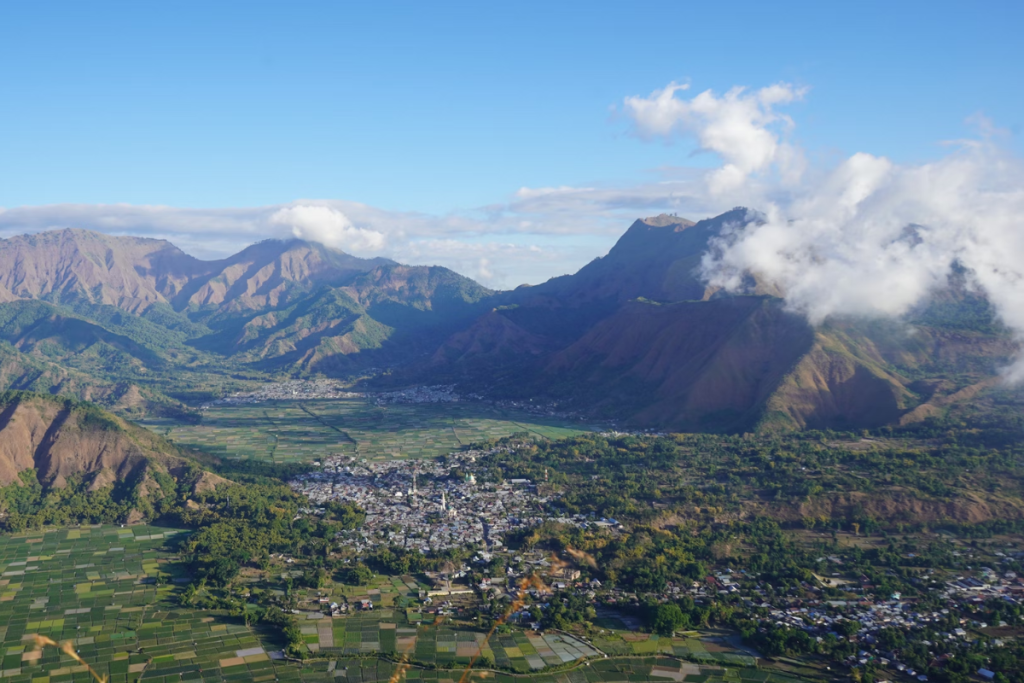
The dry season is a recommended time to hike Rinjani. This period also coincides with the official trekking season, as the Mount Rinjani National Park typically opens to the public from April 1st.
During this season, trekkers expect clearer skies, lower humidity, stable weather, and more comfortable hiking conditions. Here’s a more detailed breakdown of the period and what to expect:
During this period, mount Rinjani weather is generally stable, though remnants of the rainy season may still linger. However, rain and drizzle are still common, and trails can remain slippery in certain areas.
This period is one of the best times to experience Rinjani's lush and green landscapes, as the vegetation still thrives from the recent rains. With fewer visitors compared to the peak months, this period is ideal for those looking for a quieter, more serene trekking experience.
From May through August, Rinjani enters its peak trekking season, offering the most stable weather conditions. Trails are typically dry, skies are clear, and rainfall is rare, making it the safest and most popular time to climb.
The trails and campsites can get quite busy since it also coincides with European and Australian summer holidays. Therefore, early bookings are highly recommended.
August and September offer excellent visibility, minimal chance of rain, and generally fog-free mornings. It's ideal conditions for photographers and nature lovers.
However, these months also mark the peak of the tourist season across the region, including Lombok and Bali. Therefore, for those looking to escape the crowds, it’s wise to start treks on weekdays rather than weekends.
By October, Rinjani experiences shifts as the rainy season approaches. It brings more frequent showers and slippery trails, especially in the afternoons.
While the trek remains generally safe, conditions can change quickly. It’s essential to bring proper rainproof clothing, grippy footwear, and consider hiring a guide who understands Rinjani’s microclimates.
Even though the dry season offers more predictable weather, don’t let the term "dry" mislead you into underpacking. The combination of tropical heat and high-altitude cold means you’ll need to prepare smartly.
Here's the ultimate Rinjani packing list:
While most trekking organizers supply the basics like tents and meals, it’s wise to coordinate with them in advance. This helps you avoid both over- and underpacking.
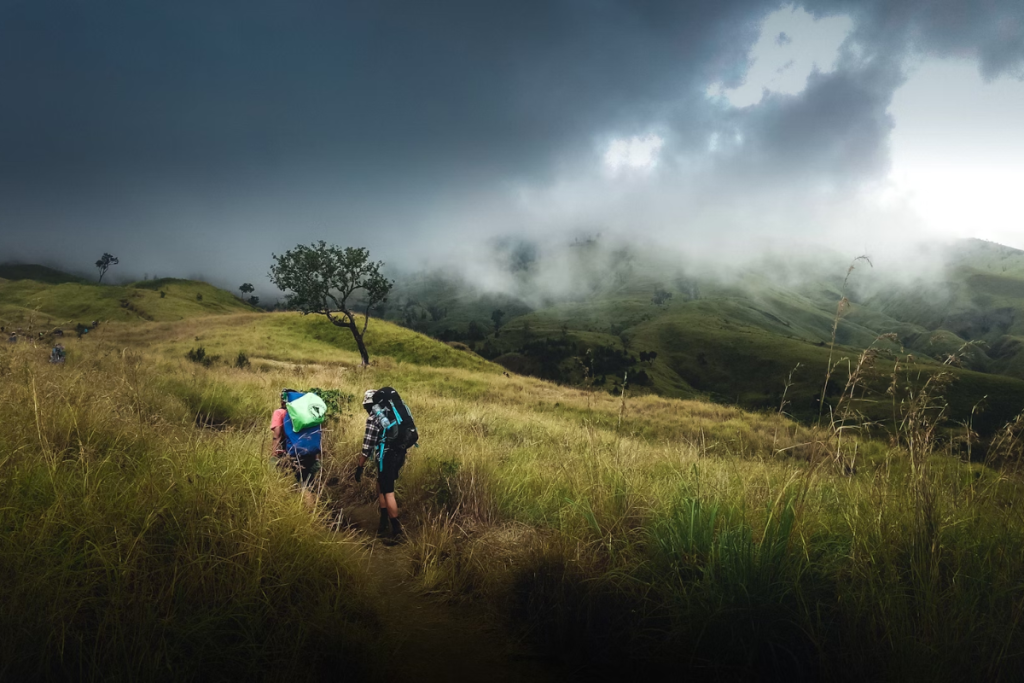
While the end of the year is a popular time for holidays, it's also when Indonesia enters its wet season. For Mount Rinjani, this means heavy rainfall, unstable trail conditions, a higher risk of landslides, and the closure of official trekking routes.
Hiking in the rainy season isn’t just uncomfortable — it can be outright dangerous. Here's why:
Rinjani’s volcanic terrain is naturally unstable, consisting of loose rocks, gravel, and volcanic ash, especially on summit trails. Even in dry conditions, footing can be tricky.
When it rains, the trails can turn into slick, muddy slides. The mix of water and volcanic dust creates a clay-like surface that greatly increases the risk of slips, falls, and twisted ankles. Accidents are significantly more common during this season.
Thick fog, low-hanging clouds, and heavy rain drastically reduce visibility, especially at higher altitudes. The scenic beauty of Rinjani, including its famed crater lake and sunrise summit views, may be completely obscured.
In extreme cases, navigation becomes difficult and dangerous, even for seasoned trekkers. GPS devices and trail markers might not help much if you're enveloped in dense fog or heavy rain.
Unpredictable, prolonged rain can soak your gear if you're not prepared. Electronics, dry clothes, and even food supplies can become compromised without proper waterproofing.
Many hikers forget to bring dry bags or waterproof pouches, assuming plastic covers will suffice. That's a mistake that could cost you your lifeline.
Though Rinjani is in a tropical zone, wind and cold rain at high altitudes can lead to rapid body temperature loss. If you’re wet, exhausted, and exposed to strong wind, you may be at risk of mild hypothermia — a danger many tropical hikers underestimate.
During the rainy season, Mount Rinjani National Park is typically closed for safety reasons, both for trekkers and the local guides. All official trekking routes are off-limits, and unauthorized hiking is strongly discouraged.
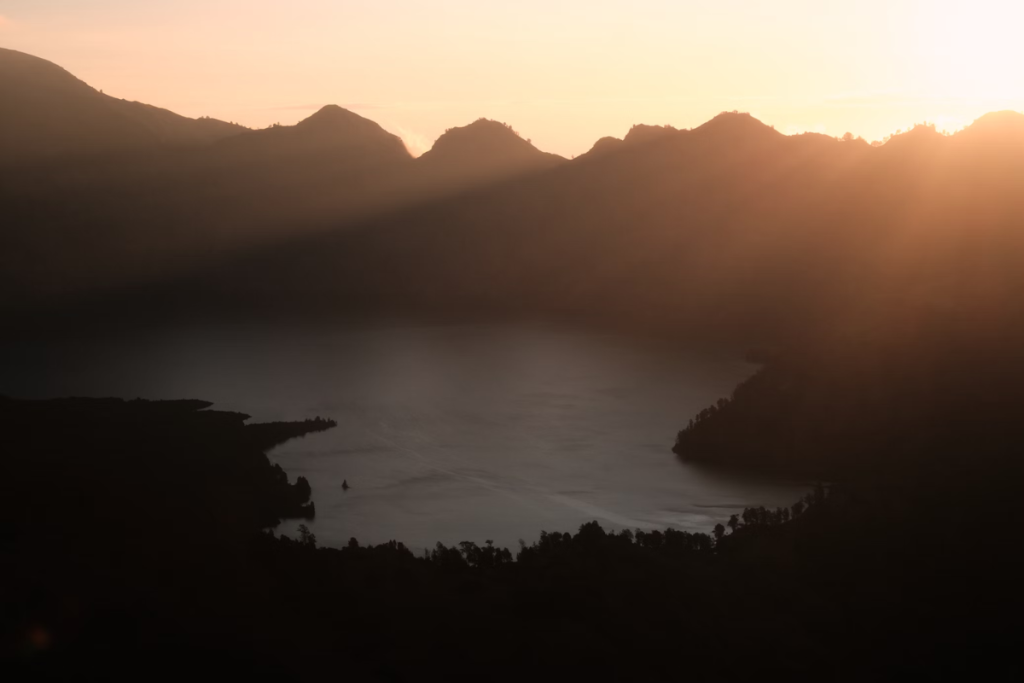
To help you prepare, here’s a temperature table summarizing what to expect at different altitudes during the dry season, which is when most treks occur:
| Altitude | Morning Temp | Daytime Temp | Night Temp |
| Base camp (Senaru/Sembalun village - 600-1,100m) | 20-23°C | 27-30°C | 18-21°C |
| Mid Point (Campsite Pelawangan Sembalun - 2,600m) | 10-15°C | 18-22°C | 7-10°C |
| Summit (3,726m) | 5-8°C | 10-14°C | 2-6°C |
As shown, the higher you go, the colder and windier it gets. This is why layered clothing—thermal base, fleece, and windproof jacket—is essential, even during the dry months.
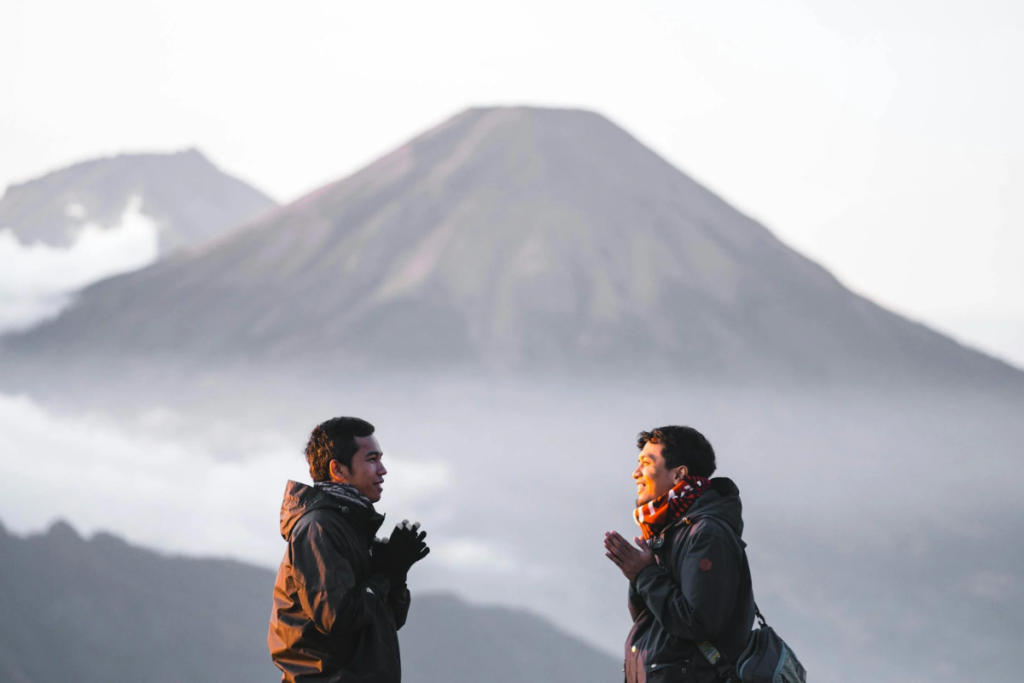
Preparing for a Mount Rinjani trek isn’t just about picking a date — it’s about smart planning around weather, fitness, and terrain. Here’s how to stay safe and make the most of your experience:
Mountain weather is unpredictable. Even in the dry season, sudden rain or fog is possible. Use apps like Windy or AccuWeather, and always consult your local guide for real-time insights.
If possible, avoid rigid plans. Sometimes, adjusting by just a day or two can mean the difference between a foggy hike and a breathtaking summit sunrise.
Shoulder months like March and November can leave trails muddy and hazardous long after the rain stops. Post-rain conditions often lead to increased slips and injuries, especially on the ash-covered summit trail.
High altitudes mean thinner air. Practicing controlled breathing, like steady nose inhales and slow mouth exhales, can help conserve energy, reduce fatigue, and soothe altitude-related discomfort.
Mount Rinjani isn’t just a physical challenge, it’s a mental one too. Therefore, it's best to go in with the mindset that it’s part of the adventure. A calm and adaptive attitude helps you stay safe and make better decisions when things go south.
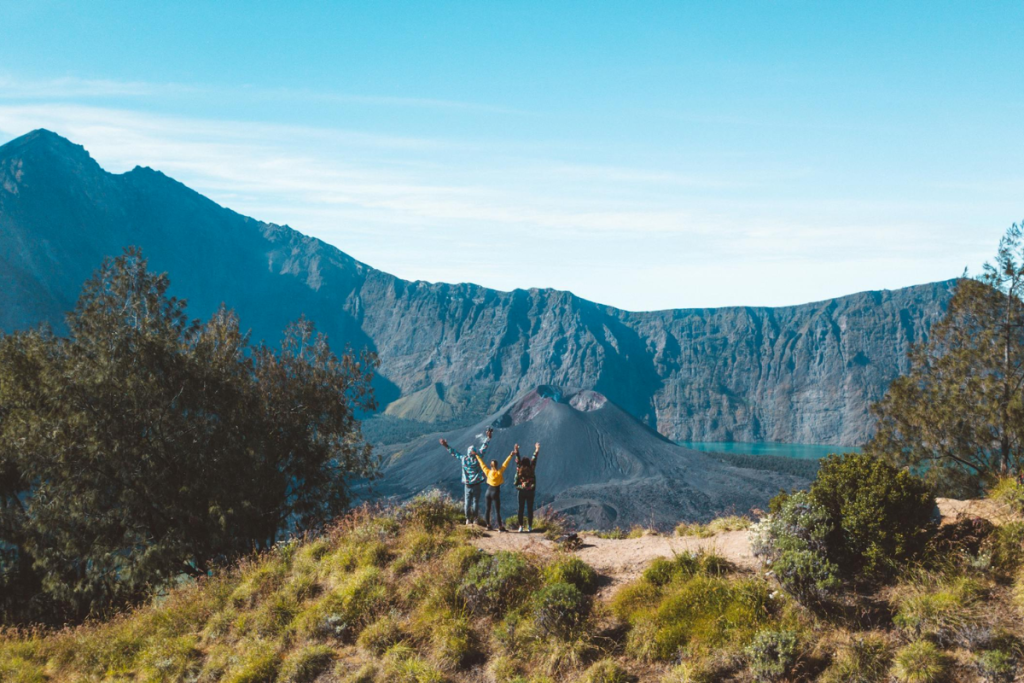
Even with the most accurate Rinjani weather forecast, nature can still throw surprises, especially if you're unfamiliar with the terrain. That’s why Lombok Touristic is here to help you minimize risks and maximize the experience.
With us, you’ll get:
When it comes to climbing Rinjani, the weather is a central character. But with Lombok Touristic as part of your team, you can skip the guesswork and focus on what truly matters: making your Rinjani journey unforgettable.
When people talk about Rinjani, the first thing that pops up is usually its height. At more than 3,000 meters above sea level, it is almost legendary: Indonesia’s fourth-highest mountain and Southeast Asia's second-highest volcano. For many, those numbers alone are enough to spark the urge to conquer it.
But while Rinjani’s soaring summit is undeniably a badge of honor for hikers, is that all there is to it? Or is the mountain’s height just one part of a much bigger story? Let’s find out.
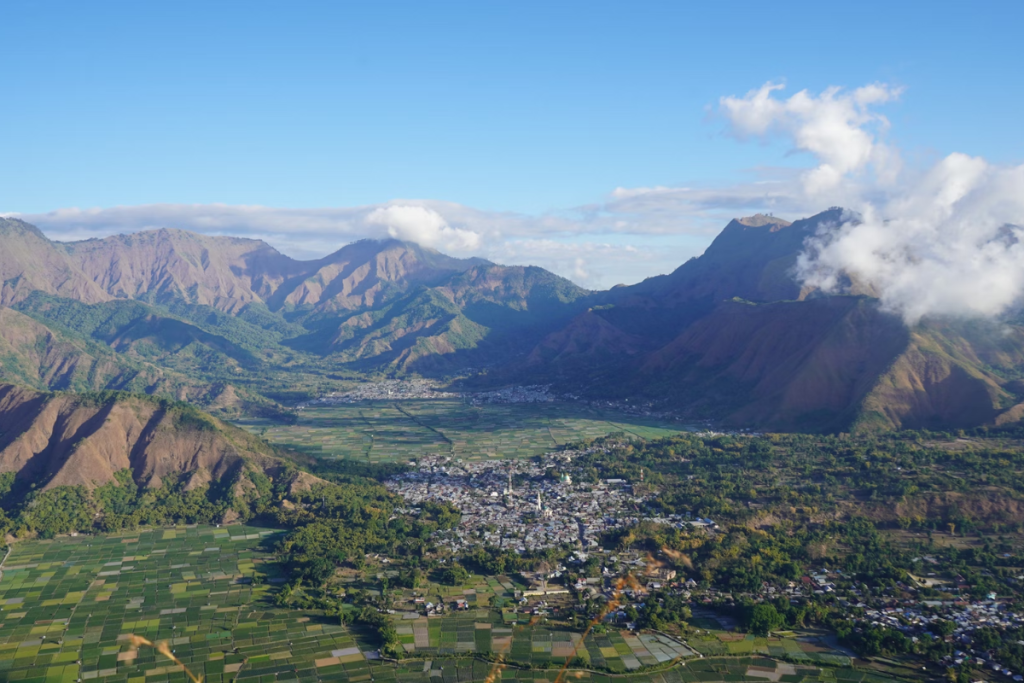
Mount Rinjani is no stranger to the hiking community. For many local adventurers, it's a rite of passage, a true bucket-list climb in Indonesia. Meanwhile, its exotic volcanic landscapes and off-the-grid trekking experience are what attract the global trekkers.
Is Mount Rinjani active? Rising from the picturesque island of Lombok, just east of Bali, Rinjani has a dramatic past. How was Mount Rinjani formed? It was formed by volcanic activity over 750 years ago and remains active to this day.
If you're concerned about eruptions, fret not. While Rinjani's last eruption was in 2016, it came not from the summit, but from Gunung Barujari, a "child cone" nestled within the Segara Anak caldera. The summit itself has remained dormant since its formation.
In terms of stature, Rinjani is undeniably impressive. Towering at 3,726 meters (12,224 feet) above sea level, it's over four times taller than the Burj Khalifa, more than eleven times the Eiffel Tower, and nearly 40 times the height of the Statue of Liberty.
But Rinjani’s challenge isn't just about the height you see on paper. For hikers, the mountain’s punishing elevation gain makes it truly legendary. Depending on the route, trekkers face up to 2,500 meters of relentless elevation gain from base to summit, making it one of the hardest mountains in Indonesia to climb.
This demanding ascent draws thrill-seekers in, eager to test their limits on its steep volcanic trails. Combine that with its rugged terrain and otherworldly scenery, and it's easy to see why Rinjani continues to captivate adventurers from all over the world.
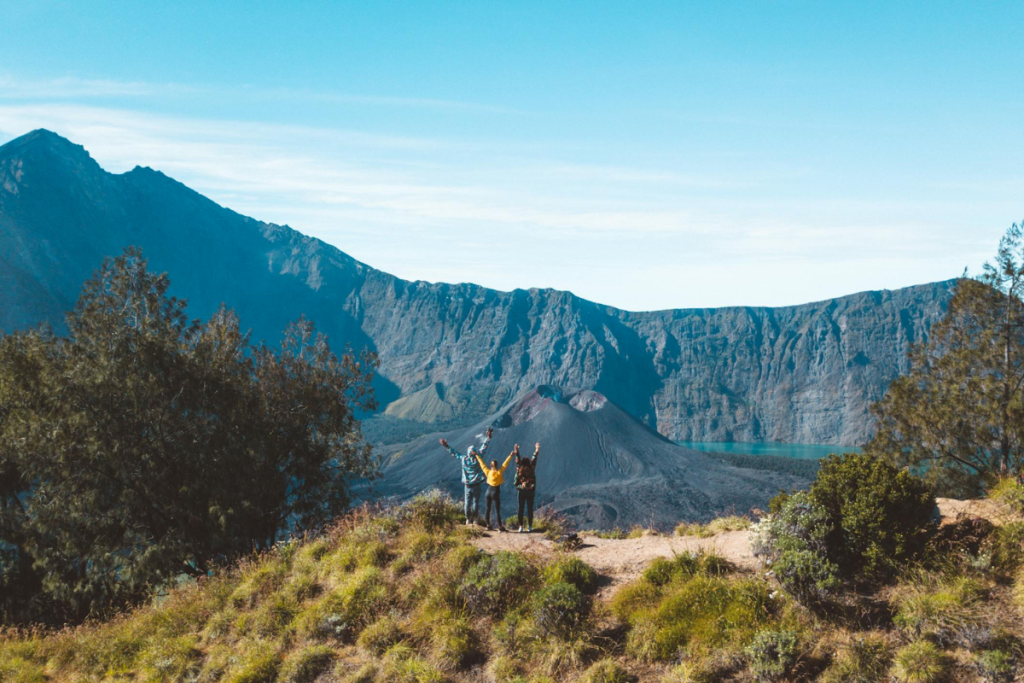
Rinjani’s status as the second-highest volcano, nationally and regionally, is only surpassed by Mount Kerinci. Famously dubbed the "Roof of Sumatra," Kerinci challenges climbers with grueling trails, remote access, and unpredictable weather, making it notably more demanding than Rinjani.
While trekkers admire Rinjani for its dramatic volcanic scenery and iconic crater lake, Kerinci offers wilderness and rich biodiversity. Therefore, it delivers to those focused purely on summiting Indonesia’s highest volcano. But for hikers seeking a more varied, scenic, and accessible experience, Rinjani often takes the lead.
As the highest peak on Java island, Mount Semeru and its summit, "Mahameru" (meaning "The Great Mountain"), attract hikers from around the world. While Semeru’s summit route is more straightforward to navigate compared to Mount Rinjani, the climb remains equally demanding.
Though slightly lower than Rinjani, Semeru offers a comparable volcanic allure with a more intense, up-close experience. Climbers ascend directly toward its active crater, often witnessing ash and smoke firsthand, while Rinjani’s volcanic activity, centered on Batujari cone, is observed from a distance along the caldera rim.
Mount Agung may not rival Rinjani in height, but its spiritual significance is unmatched. Revered as the most sacred mountain by the Balinese, many hikers climb Agung not just to reach the summit, but to experience the profound cultural journey it represents.
Though lower in elevation, Agung is often considered more physically demanding than Rinjani. Its steep, rocky, and unrelenting ascent makes the climb short but intense. While Rinjani impresses with its geological grandeur, Agung’s allure lies in its sacredness and the cultural-spiritual dimension deeply woven into the climb.
Although much lower in elevation than Rinjani, Mount Ijen in East Java offers one of the most surreal trekking experiences in Indonesia. It is one of the few places on Earth where trekkers can witness the rare blue fire phenomenon—best seen up close by descending into the crater itself.
This otherworldly spectacle, combined with the sight of sulfur miners working around the toxic crater lake, makes Ijen especially popular for nighttime treks, attracting not only hikers but also photographers from around the world.
While Rinjani may lack Ijen’s eerie blue flames, it offers a broader, multi-day trekking experience, complete with its vast crater lake, diverse landscapes, and more varied adventure routes.
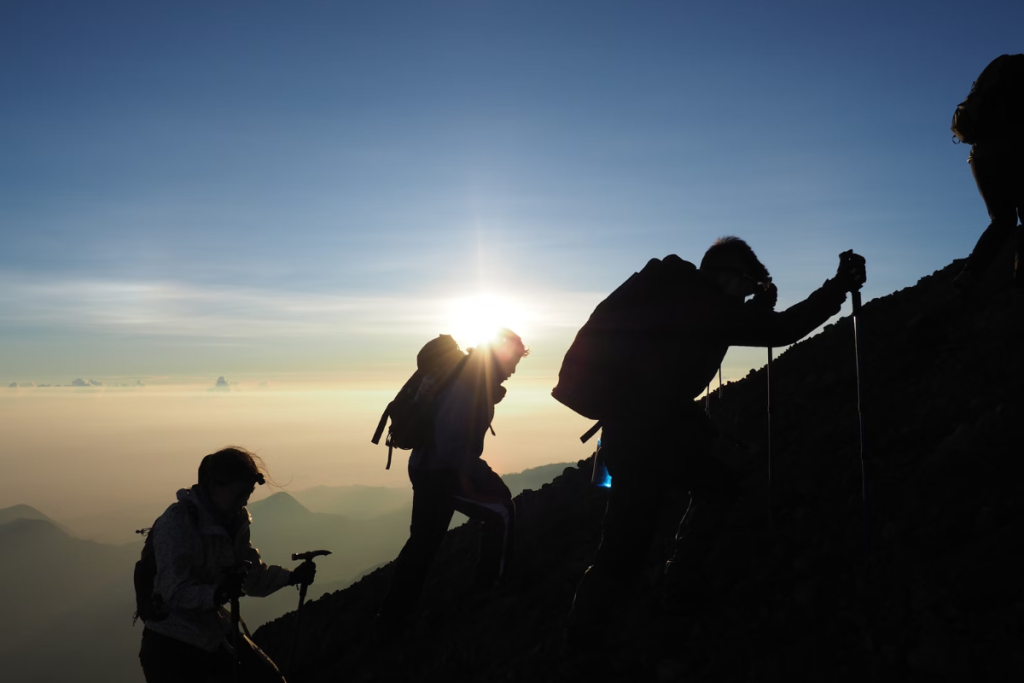
Rinjani may be Indonesia’s Seven Summit, but Kilimanjaro claims that status on a global level. Standing even higher on the world stage, Kilimanjaro is a magnet for many peak-chasers.
Kilimanjaro is famed for its snow-capped summit and dramatic ecological shifts, as it offers both tropical forests and icy glaciers, all within days. This starkly contrasts with Rinjani’s more uniform mix of forest, savannah, and volcanic terrain.
Like Rinjani, Kilimanjaro is considered a non-technical climb, making it accessible to trekkers without advanced mountaineering skills. However, its extreme altitude presents added risks, including acute mountain sickness, which is far less common on Rinjani due to its lower elevation.
Although often debated, many recognize Russia’s Mount Elbrus as the highest peak in Europe. Compared to Rinjani, Elbrus presents a greater climbing challenge—not only requiring stamina and grit, but also demanding skills to handle extreme cold, high altitude, and glacier travel, including the use of ice axes and crampons.
Elbrus also offers a stark contrast to Rinjani’s tropical, exotic atmosphere. Its harsh, glaciated environment caters to those seeking an alpine adventure, while Rinjani appeals to hikers drawn to tropical biodiversity, crater lake vistas, and lush volcanic landscapes.
Regarding regional comparisons, Mount Kinabalu in Malaysian Borneo and Mount Rinjani are often mentioned together. Even though Kinabalu is significantly higher, its relative proximity in Southeast Asia and similar prominence lead many to compare it.
Unlike Rinjani, Kinabalu, which is not a volcano, is renowned for its towering granite peak and extraordinary biodiversity. With its well-maintained infrastructure and strictly regulated system, it appeals to those seeking a more accessible, structured, and tourist-friendly climb.
In contrast, Rinjani delivers a wilder, more rugged adventure, with volcanic landscapes, fewer facilities, and a more immersive trekking experience. It's ideal for those seeking dramatic scenery and a less commercialized climb.
With just about 50 meters difference in height, Mount Fuji and Mount Rinjani are similar in elevation but offer vastly different trekking cultures and experiences. In Japan, Fuji is revered primarily as a cultural and spiritual symbol rather than a wilderness challenge, and this significance shapes the way it is approached.
Fuji’s well-developed infrastructure and shorter, less demanding routes make it more accessible and manageable for many hikers, especially compared to Rinjani’s more rugged and physically demanding volcanic trek.
Although Mount Fuji is currently dormant with little volcanic activity, it still offers the iconic Goraiko, the sunrise view from its summit, which echoes the famed sunrise from Rinjani’s crater rim.
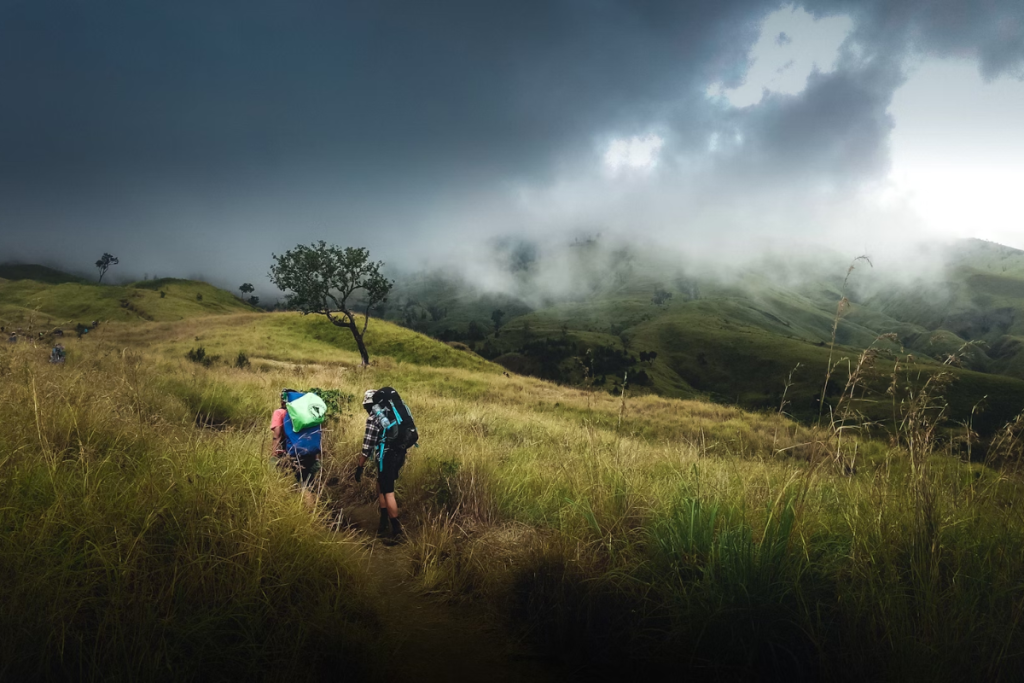
Looking at the numbers, it’s clear that Rinjani doesn’t crack the elite list of the world’s tallest peaks. In fact, it falls short when compared to global giants.
But height alone doesn’t define a mountain’s worth, as trekking Rinjani is far more than chasing altitude. The journey takes you through diverse landscapes like open savannahs, rocky paths, and lung-busting ascents, offering a physical challenge that keeps the adventure dynamic and engaging.
However, its rare combination of natural wonders truly sets Rinjani apart. From the surreal views over Segara Anak Lake and its smoldering volcanic cone to the unforgettable sunrise from the summit, Rinjani delivers experiences beyond the numbers, proving that height isn't everything in the world of trekking.
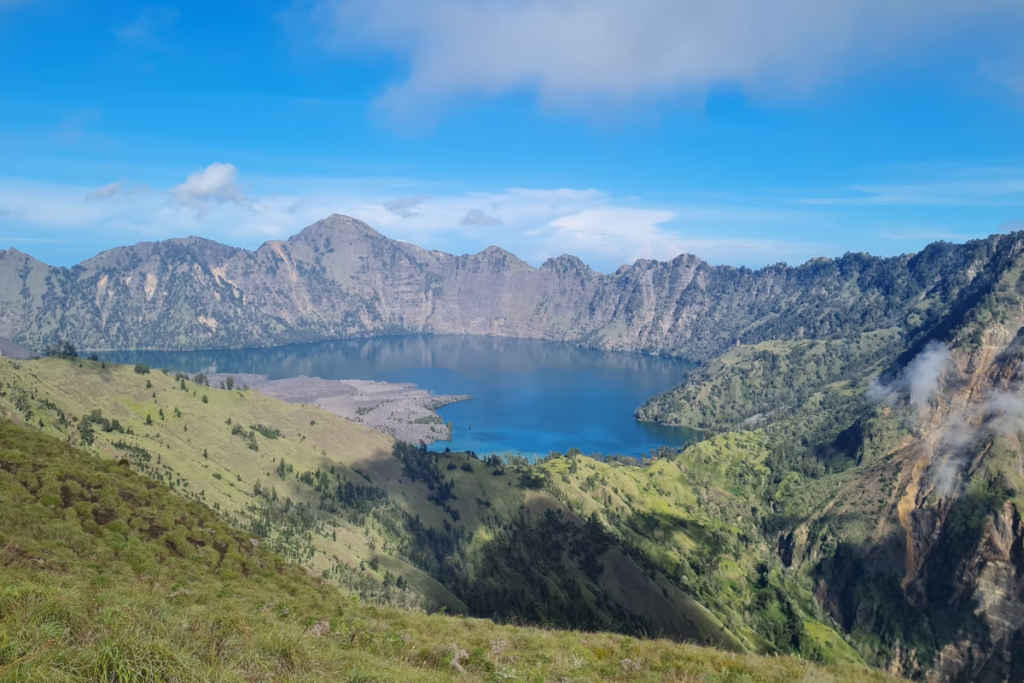
Whether you're chasing summit glory or simply seeking an unforgettable adventure, Lombok Touristic is your trusted local guide to Mount Rinjani—and beyond.
Based on Lombok Island, Lombok Touristic has been part of the island’s tourism heartbeat since 2011, backed by an official license and more than a decade of experience guiding both domestic and international travelers. Every Rinjani trek package comes with everything you need for a smooth and memorable journey:
Choose from a variety of options—whether it’s the speedy 2D1N Rinjani Summit trek, or the immersive 7D6N Lombok experience, which not only covers all of Rinjani’s best spots but also includes two diving adventures in Lombok’s crystal-clear waters.
With Lombok Touristic, you’re not just booking the ordinary trip—you’re investing in a worry-free, fully supported adventure.
So, forget about the height or elevation number, and focus on the experience. Let Lombok Touristic guide you to experience Rinjani at its best, where every step is more than just a climb; it's a story worth telling.
If you're a hiking enthusiast, you've probably heard of Mount Rinjani. Its summit — fondly called Puncak Rinjani by locals — is a bucket-list destination that promises breathtaking views and serious bragging rights due to its challenging terrain.
What is Mount Rinjani Summit really like, and how do you reach it? Let this article be your guide.
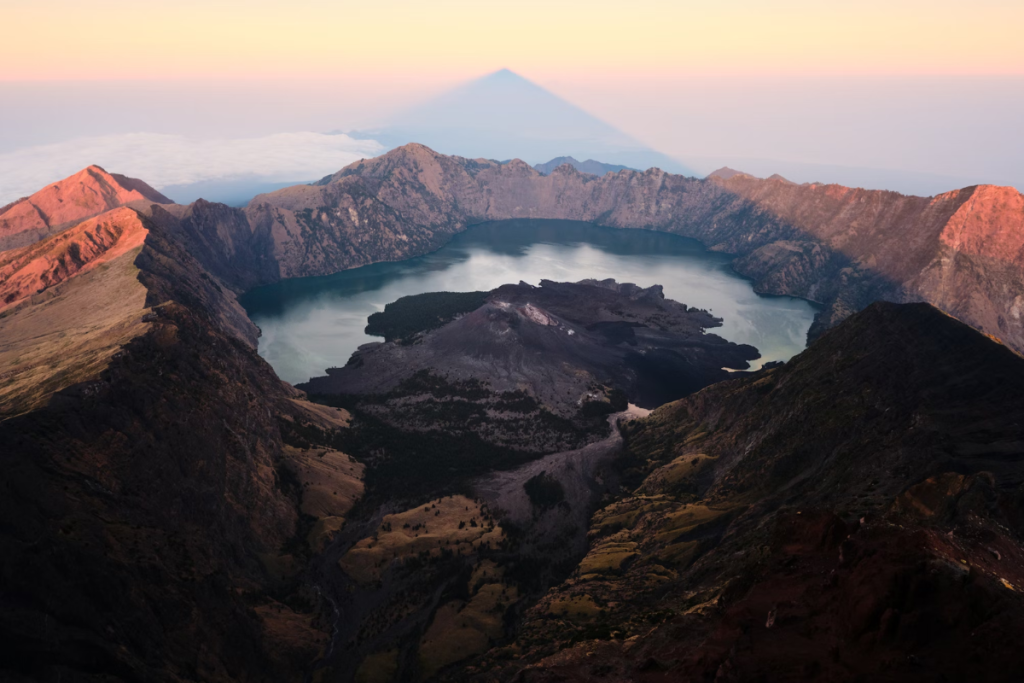
There’s always something special and otherworldly about volcanoes.
In Mount Rinjani’s case, it’s the majestic crater lake, with an active volcanic cone rising from its center, namely Segara Anak Lake. This, combined with the mountain’s raw tropical beauty, various trekking landscapes, and deep cultural significance, makes Rinjani truly worth the climb.
Standing tall at 3,726 meters above sea level, Rinjani is one of the Seven Summits of Indonesia and the country's second-highest volcano. Naturally, reaching the top demands physical endurance, which draws adventure seekers to take on the challenge.
But the real showstopper? Catching the sunrise at the top! After all the huffing and puffing, you'll be rewarded with a breathtaking, storybook-like view of sunlight spilling across the crater lake, Lombok, Bali, and even Sumbawa on a clear day. It’s a view that stays with you long after the descent.

Despite the various routes available to climb Mount Rinjani, the best way to reach the summit is via the Sembalun route.
Not only does it offer the shortest and most straightforward approach, but it also features gentler gradients during the first half of the trek. This allows you to acclimatize and conserve energy for the more demanding final push to the summit.
Here’s a general itinerary to reach the summit of Rinjani via this route:
This is where your trek begins, with an elevation gain of approximately 2,626 meters to the summit. At the village, you can register at the Rinjani Information Centre, complete a health and gear check, and stock up on necessities or rent equipment.
Along the way, there are several checkpoints:
Up to the third post, you’ll trek through savannah terrain with open grasslands and rolling hills. However, the trail becomes steeper and rockier after the third post until you reach the Pelawangan Sembalun campsite at the crater rim (2,639 meters).
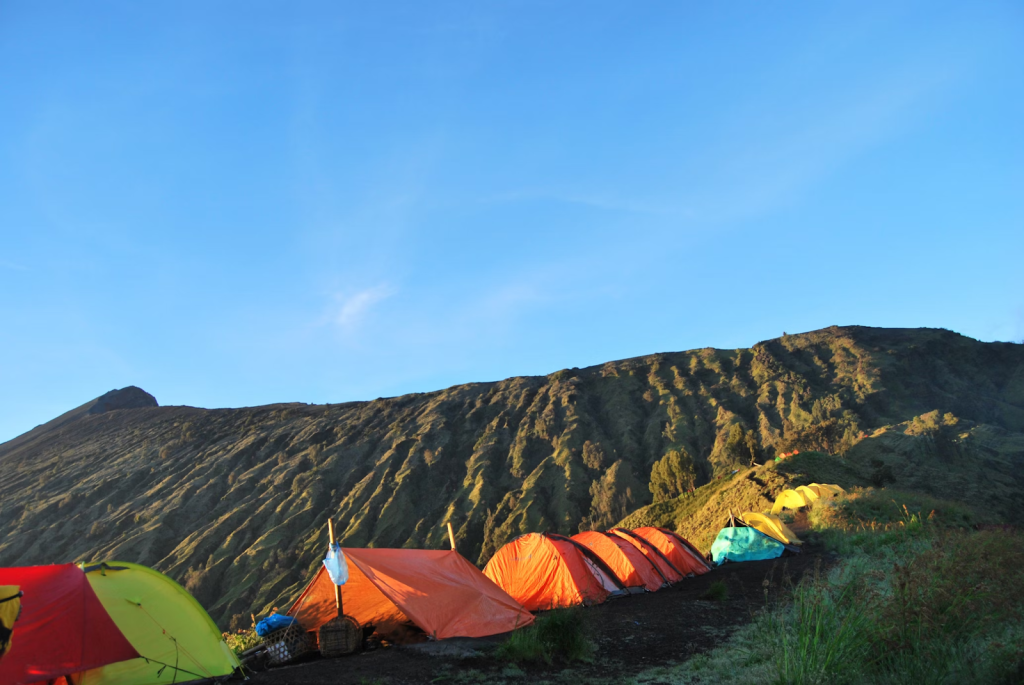
As the final resting point before the summit push, getting plenty of rest here is essential. This is your chance to relax and acclimatize before the challenging climb to the summit at predawn.
Besides resting, you can also enjoy breathtaking sunsets. The view is truly unforgettable, with the turquoise Segara Anak Lake and its volcanic cone stretching out before you.
Reaching Mount Rinjani’s summit is no easy feat, especially with the final push beginning around 2–3 AM. The darkness, combined with steep and sandy slopes, makes this stretch particularly challenging, but that’s also what makes the journey unforgettable.
The trail zigzags through loose volcanic scree, where every step forward often comes with a frustrating slide back. Add to that the temperature drop to 0–5°C at higher altitudes, so you'll need more than just determination: a reliable headlamp (with extra batteries), thermal layers, and strong physical endurance are essential.
Despite the hardship, standing on the summit as the first light breaks over Lombok, Bali, and even glimpses of Sumbawa is nothing short of magical. The sunrise view over the vast crater and Segara Anak Lake below is a reward that few treks in the world can rival.
Via the Sembalun route, it approximately takes 3 days and 2 nights (3D2N) to climb Mount Rinjani with an average hiking time of 4 to 8 hours per day, depending on your pace and fitness level.
Some trekking providers also offer 2-day trekking packages to the summit, which are typically designed for more seasoned and faster hikers.
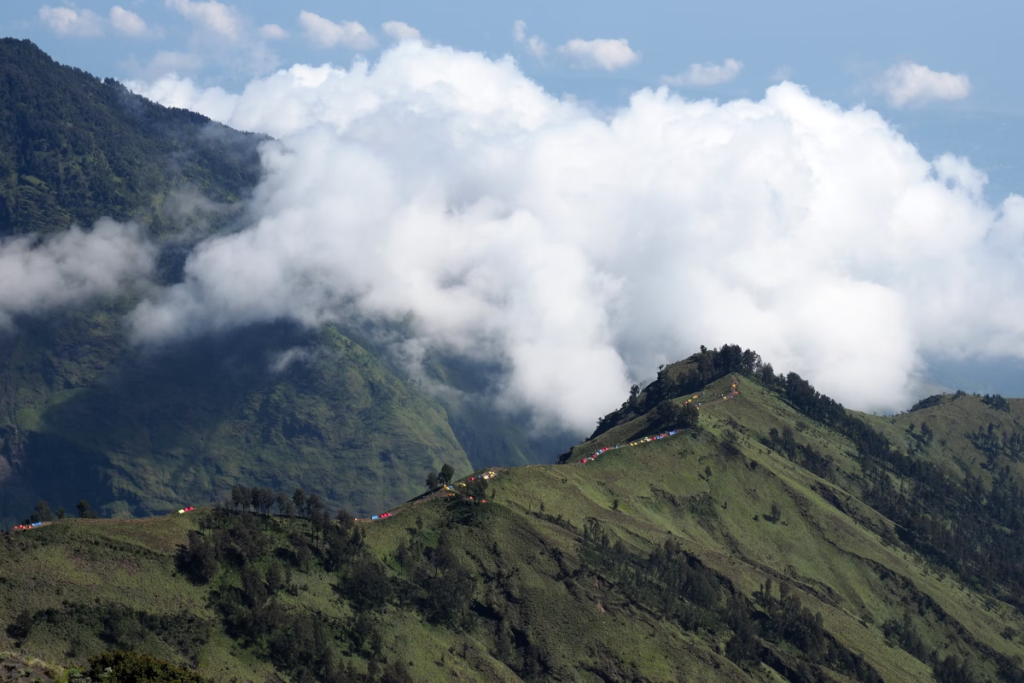
Climbing Mount Rinjani isn’t just about fitness; it’s also a test of endurance, mental strength, and preparation. To increase your chances of reaching the summit safely and enjoyably, follow these practical tips:
Rinjani’s terrain is demanding, especially during the summit push. Therefore, it's best to start training at least a month in advance.
While any form of exercise helps, it's best to focus on cardio, strength, and hiking simulation:
You can also practice hiking on uneven terrain to improve your balance and ankle stability.
Not just steep, the trail to the summit also gets extremely slippery, especially on the loose volcanic scree near the summit. Therefore, it's best to invest in proper trekking shoes.
Shoe-choosing tips:
Complete your footwear with gaiters to keep volcanic dust and pebbles from entering your shoes during the summit push.
Dehydration is common at high altitudes, even if you’re not sweating heavily. Moreover, symptoms of altitude sickness can worsen without enough fluids. Therefore, always carry a refillable water bottle, and consider using hydration packs for easier access.
Pack some compact yet high-calorie snacks like chocolate, energy bars, and dates to keep energy depletion at bay.
Keep your daypack as light as possible to reduce strain, especially for the final ascent. However, don’t compromise on warmth, as the temperatures near the summit can drop below 5°C.
Some recommended light-but-warm layers include thermal tops, leggings, gloves, a windproof jacket, and a neck warmer. It also helps to bring medication like paracetamol, balm, or cold meds if you're prone to chills or sinus issues
It’s tempting to rush in excitement, but pacing is key. Since the final ascent is steep, sandy, and mentally exhausting, pushing too hard too early can lead to burnout.
If you can, practice the “rest step” technique beforehand. This involves pausing briefly with a straightened leg between each step to conserve energy, especially on steep terrain.
Do remember that breaks should be tailored to your needs. Some hikers prefer resting at designated posts, while others feel more comfortable taking brief breaks every 20–30 minutes. Whatever you choose, communicate clearly with your guide and never separate from your group.
Sun protection is essential, but so is shielding yourself from volcanic dust. Wear a buff or mask to cover your nose and mouth, and bring sunglasses to protect your eyes from windblown particles, especially during the summit push in the dark.
As you make your way up the summit ridge in the darkness, you’ll encounter several high points that appear to be the top, but they’re not. These are known as “false summits.” They can be incredibly frustrating if you’re not mentally prepared.
This phenomenon is commonly reported by hikers going up via the Sembalun route. When faced with these moments, keeping your morale intact and maintaining a positive mindset is important. Remind yourself that every step, no matter how tough, brings you closer to the real summit and a reward that’s genuinely worth the effort.
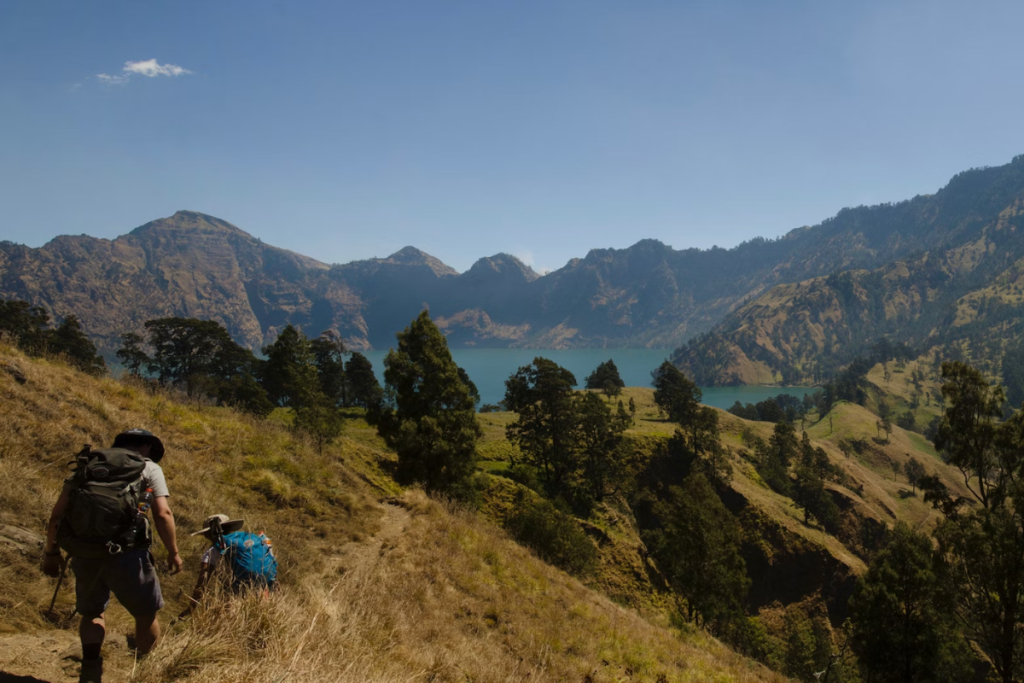
To trek Mount Rinjani, hiring a guide and porter through a local trekking organizer with a valid permit issued by the Head of the Mount Rinjani National Park Office is mandatory. But don’t go with just any operator—choose one you can truly rely on. That’s where Lombok Touristic stands out.
As one of Rinjani's top licensed trekking organizers, Lombok Touristic has been crafting seamless Rinjani trekking packages since 2011. With over a decade of experience, we’re here to make your journey as smooth as possible.
Here's what you can expect:
Whether you’re aiming for a fast-paced 2D1N summit trek or a relaxed 7-day Diving + Trekking combo, we’ve got the perfect package for you. Reach out, tell us your travel plans, and let us arrange the ultimate Mount Rinjani summit trip for you.
Not every trip has the power to change you, but trekking Mount Rinjani just might. It isn’t just a scenic stroll; it’s a demanding yet rewarding journey through volcanic ridges and dense tropical forests that can inspire you for a lifetime.
If you're ready to take on the challenge, let’s explore what you should prepare before booking your ticket.
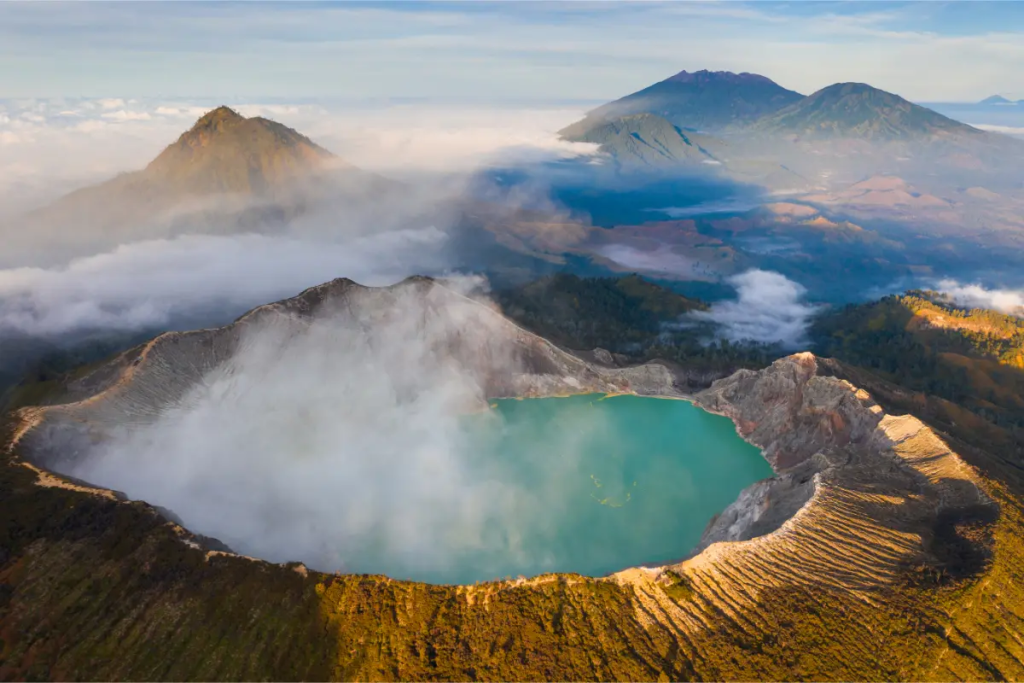
Mount Rinjani is far from an average hiking destination. It holds many prestigious titles, including being one of Indonesia’s highest volcanoes, one of the country’s Seven Summits, and one of Southeast Asia’s most epic climbs—all woven together to create its legendary status.
Located on Lombok Island, just east of Bali, the mountain rises to 3,726 meters (12,224 feet). It offers a steeper incline than popular routes in the Alps and a more rugged experience than many trails in the Rockies.
What sets Rinjani apart, however, is its raw beauty. The enchanting sunrise views over Segara Anak Lake—a turquoise lake nestled within the crater—along with the silhouette of the crater rim and volcanic terrain, in particular, look as if they were pulled straight from the pages of a storybook
With several routes along its slopes, Rinjani presents a journey demanding stamina and humility. It makes a true test for those seeking a fitness challenge and natural wonders in one unforgettable trek.
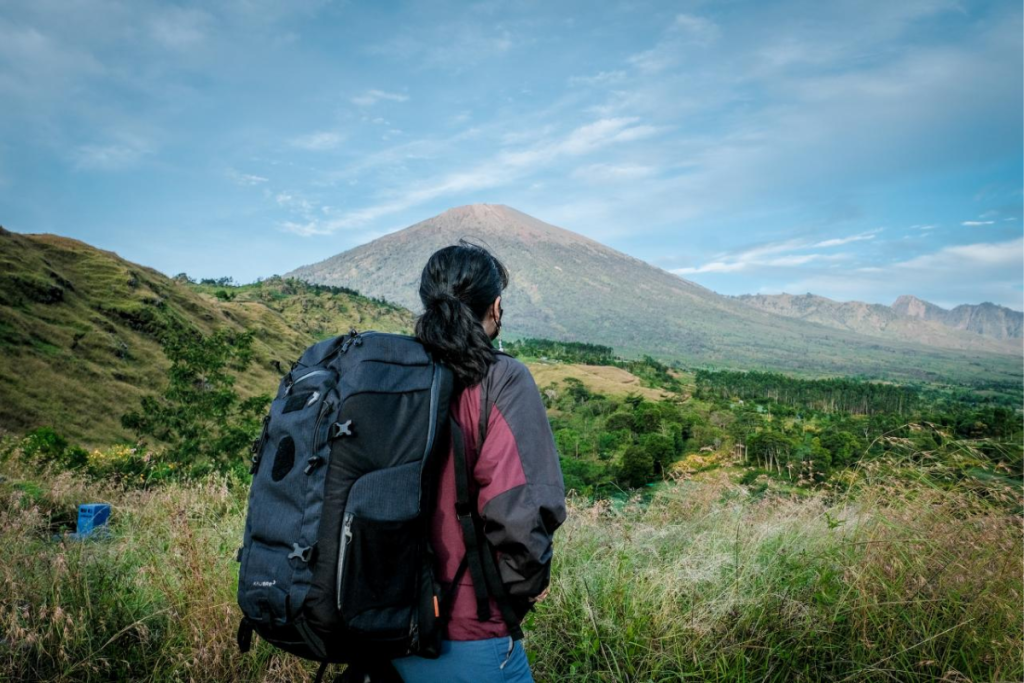
There are three main trails to Rinjani: Sembalun, Senaru, and Torean. Here’s a breakdown of each route, highlighting its unique characteristics and challenges:
The Sembalun Route is the most popular access point to Mount Rinjani. It's ideal for summit-focused hikers looking for a body-taxing experience and fetching scenery.
The ascent on this route begins with a gradual climb via open savannahs, which offers a relatively gentle start. However, after reaching the base camp at Pelawangan Sembalun, the trail becomes significantly steeper and rockier.
This route also leads you to the outstanding Rinjani crater rim, which is considered one of the best spots for overnight camping. From there, a predawn hike across loose volcanic scree guides to the summit, just in time to catch the island bathed in the glow of morning light, sunrise breaking over the island and beyond.
|
The Senaru Route is ideal for hikers who aren't focused on reaching the summit but want to bask in the beauty of Segara Anak Lake and the crater rim. It offers more efficient access to both destinations and a more picturesque journey.
One of the trail’s main highlights is its thick tropical forest, known for its rich biodiversity. This natural environment offers a serene and immersive experience, making it a favorite among nature enthusiasts and photographers.
Compared to the Sembalun route, the ascent via Senaru is steeper. That said, the route is commonly used as a descent path by trekkers who ascend via Sembalun. So, it’s uncommon to encounter trekkers coming down from the summit.
|
The Torean route is often used as an exit after visiting Segara Anak Lake. It’s considered more strenuous due to its steep sections and longer distance, making it more suitable for experienced trekkers.
Less traveled and more challenging, the Torean trail offers a raw and adventurous experience. It highlights dramatic scenery such as waterfalls, natural hot springs, and canyons, evoking landscapes often seen in fantasy films.
However, the trail’s raw nature makes it more slippery and potentially dangerous, especially during the wet season. While it has a gentler elevation profile than Sembalun or Senaru, it is still steep. The longer distance and technical sections require good physical mobility and balance.
|
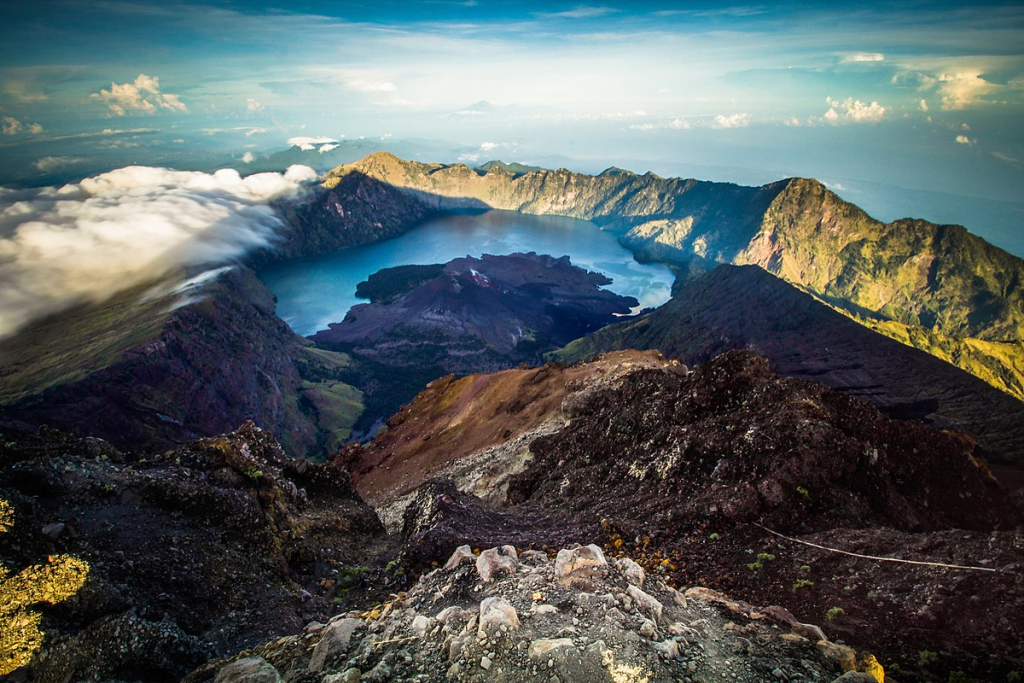
As part of the Mount Rinjani National Park, trekking Mount Rinjani is subject to strict rules to ensure both safety and environmental conservation. Here's what every trekker needs to know:
Climbing Mount Rinjani without a guide (solo trekking) is not allowed.
All climbers must be accompanied by a licensed guide or join an official trekking operator to help prevent accidents and ensure that park guidelines are followed properly.
Trekkers must prepare:
You must also register with the official park management and pay the trekking fee. Registration is subject to a quota system, and name changes are not permitted, although you may reschedule once up to D-1 before your scheduled date. However, most trekking operators can handle this process for you.
Climbing is only allowed during the dry season, typically from April to December. The park is closed during the wet season (January to March) due to safety concerns like landslides and slippery trails.
To keep the mountain's environment raw and preserved, the following rules apply:
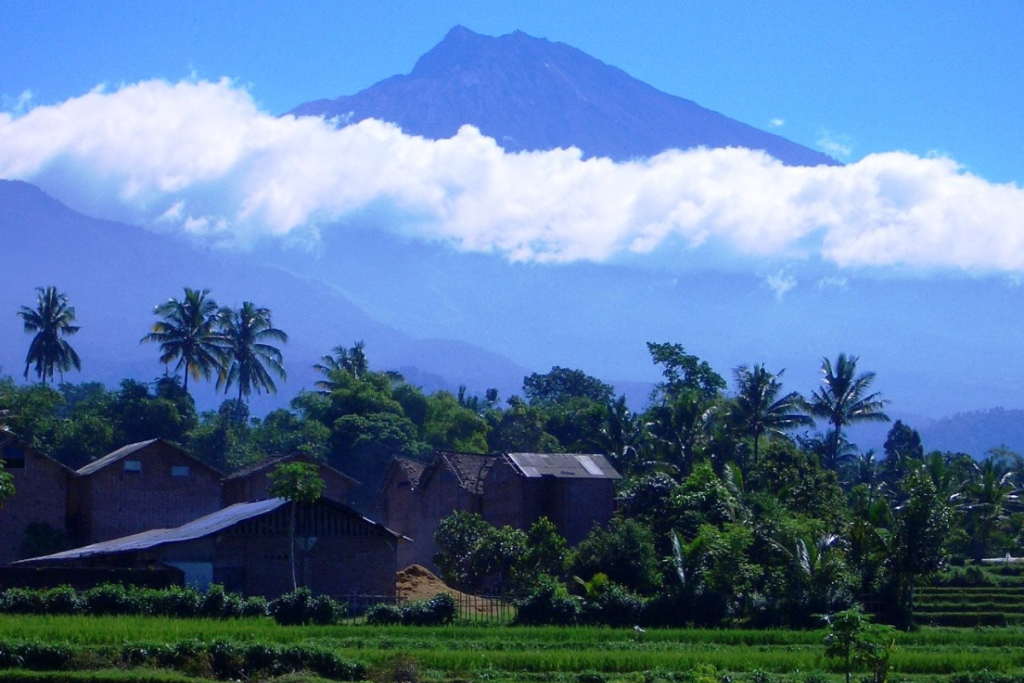
Mount Rinjani is generally rated moderate to challenging, depending on the route difficulty and your fitness level. Here's what you should know:
Expect to trek 6–10 hours per day over uneven, steep, and sometimes slippery terrain. To train for Rinjani, it’s recommended to start a pre-hike fitness program at least 4–6 weeks before your trip, focusing on:
While training programs may vary, you’ll need good cardiovascular endurance, leg strength, and stamina to complete and enjoy the trek safely.
Altitude Mountain Sickness (AMS) can occur during the journey to the peak. To reduce the risk:

Use this checklist to help you prepare for the trek, based on priority:
| Essential | Recommended to Enhance Comfort & Safety | Optional |
| Hiking boots with excellent traction | Quick-dry towel | A camera or a smartphone for photos |
| Headlamp with extra batteries | Wet wipes or hand sanitizer | Compact binoculars |
| Trekking poles | Portable power bank | Entertainment: Playing cards or a small book |
| Thermal layers and warm clothing | Dry bags or plastic zip bags to protect electronics and clothes | - |
| Reusable water bottle (porters usually carry extra water) | - | - |
| Rain cover | - | - |
| Sun protection: sunscreen, SPF lip balm, hat, and sunglasses | - | - |
| Basic personal medications or a first-aid kit | - | - |
| Light snacks or energy bars | - | - |
| Passport or ID (required for registration) | - | - |
| Cash in Indonesian Rupiah (IDR), better in small denominations | - | - |
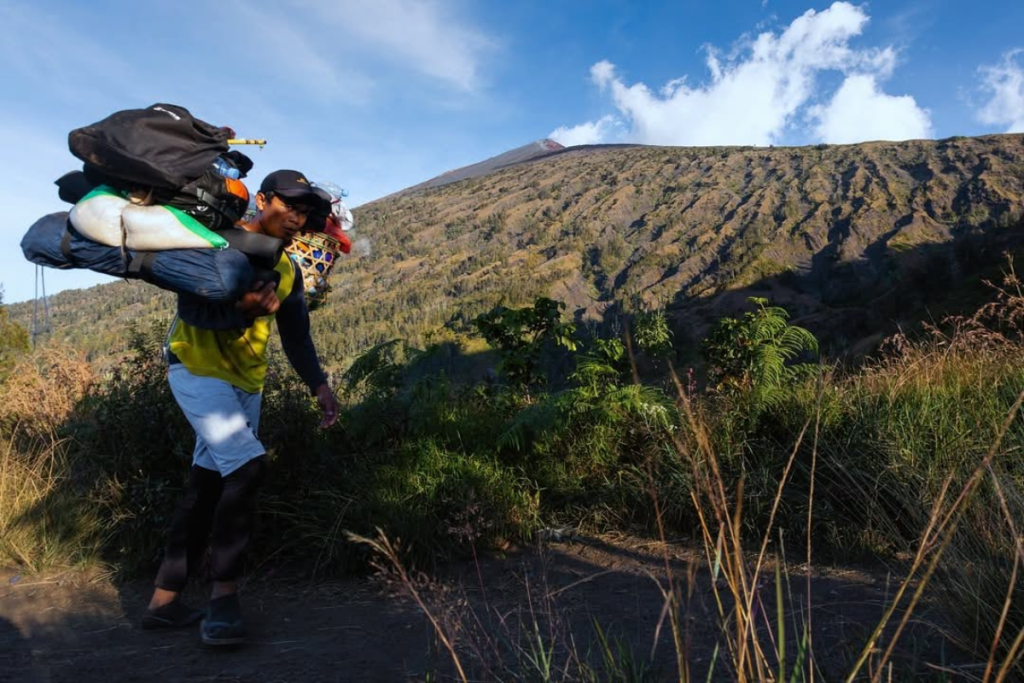
From permits and logistics to safety and comfort, there are many moving parts to plan before climbing Rinjani. That’s where Lombok Touristic comes in. Our Rinjani Trekking Packages are designed to make your adventure smooth and stress-free, so you can focus on the trail and take in the views.
With every package, you’re guaranteed:
With the essentials taken care of, you can enjoy the experience effortlessly.
Whether you're a beginner seeking panoramic crater views or an experienced hiker aiming for the summit, Lombok Touristic offers a range of thoughtfully designed packages to suit your needs.
| Duration | Pick-Up Point | Route | Destinations & Activities | Hiker Level |
| 2D1N - Rinjani Summit Trek | Lombok or Gili Islands (speedboat ticket not included) | Via Sembalun |
|
Advanced |
| 2D1N - Senaru Crater Rim | Lombok | Via Senaru |
|
All levels |
| 3D2N - (Private Trip 2-4 Pax) | Lombok | Via Sembalun |
|
Intermediate to Advanced |
| 3D2N - Rinjani Summit Trek | Lombok | Sembalun → Senaru |
|
Intermediate to Advanced |
| 4D3N - Classic Route | Lombok | Via Sembalun |
|
Intermediate |
| 5D4N - with Bali transfer | Bali (speed boat tickets included) | Via Sembalun |
|
Intermediate to Advanced |
| 7D6N - Trekking + Diving | Bali | Via Sembalun |
|
Advanced Hikers + Certified Divers |
Lombok Touristic has been the go-to choice for travelers seeking seamless island adventures since 2011. Based locally on Lombok Island, our team consists of legally licensed experts with over a decade of hands-on experience and tourism knowledge, both in Mount Rinjani and Lombok and in Bali and Komodo.
All you need to do is choose your preferred package, relax, and enjoy the ride as we take you on an unforgettable Rinjani trekking experience.
