When people talk about Rinjani, the first thing that pops up is usually its height. At more than 3,000 meters above sea level, it is almost legendary: Indonesia’s fourth-highest mountain and Southeast Asia's second-highest volcano. For many, those numbers alone are enough to spark the urge to conquer it.
But while Rinjani’s soaring summit is undeniably a badge of honor for hikers, is that all there is to it? Or is the mountain’s height just one part of a much bigger story? Let’s find out.
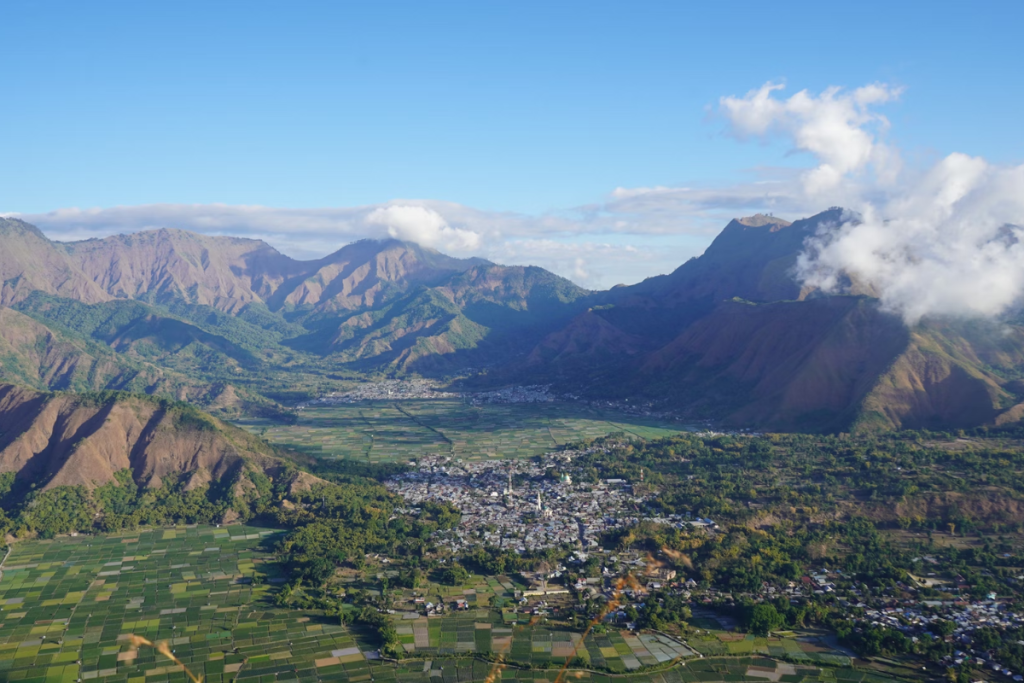
Mount Rinjani is no stranger to the hiking community. For many local adventurers, it's a rite of passage, a true bucket-list climb in Indonesia. Meanwhile, its exotic volcanic landscapes and off-the-grid trekking experience are what attract the global trekkers.
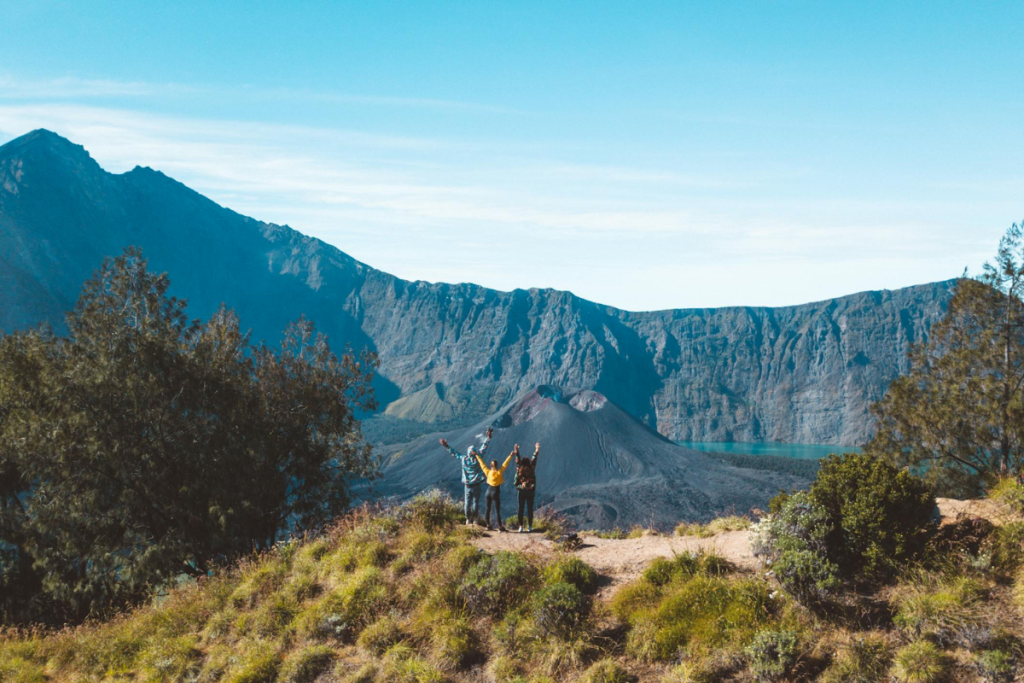
Is Mount Rinjani active? Rising from the picturesque island of Lombok, just east of Bali, Rinjani has a dramatic past. How was Mount Rinjani formed? It was formed by volcanic activity over 750 years ago and remains active to this day.
If you're concerned about eruptions, fret not. While Rinjani's last eruption was in 2016, it came not from the summit, but from Gunung Barujari, a "child cone" nestled within the Segara Anak caldera. The summit itself has remained dormant since its formation.
In terms of stature, Rinjani is undeniably impressive. Towering at 3,726 meters (12,224 feet) above sea level, it's over four times taller than the Burj Khalifa, more than eleven times the Eiffel Tower, and nearly 40 times the height of the Statue of Liberty.
But Rinjani’s challenge isn't just about the height you see on paper. For hikers, the mountain’s punishing elevation gain makes it truly legendary. Depending on the route, trekkers face up to 2,500 meters of relentless elevation gain from base to summit, making it one of the hardest mountains in Indonesia to climb.
This demanding ascent draws thrill-seekers in, eager to test their limits on its steep volcanic trails. Combine that with its rugged terrain and otherworldly scenery, and it's easy to see why Rinjani continues to captivate adventurers from all over the world.
Rinjani’s status as the second-highest volcano, nationally and regionally, is only surpassed by Mount Kerinci. Famously dubbed the "Roof of Sumatra," Kerinci challenges climbers with grueling trails, remote access, and unpredictable weather, making it notably more demanding than Rinjani.
While trekkers admire Rinjani for its dramatic volcanic scenery and iconic crater lake, Kerinci offers wilderness and rich biodiversity. Therefore, it delivers to those focused purely on summiting Indonesia’s highest volcano. But for hikers seeking a more varied, scenic, and accessible experience, Rinjani often takes the lead.
As the highest peak on Java island, Mount Semeru and its summit, "Mahameru" (meaning "The Great Mountain"), attract hikers from around the world. While Semeru’s summit route is more straightforward to navigate compared to Mount Rinjani, the climb remains equally demanding.
Though slightly lower than Rinjani, Semeru offers a comparable volcanic allure with a more intense, up-close experience. Climbers ascend directly toward its active crater, often witnessing ash and smoke firsthand, while Rinjani’s volcanic activity, centered on Batujari cone, is observed from a distance along the caldera rim.
Mount Agung may not rival Rinjani in height, but its spiritual significance is unmatched. Revered as the most sacred mountain by the Balinese, many hikers climb Agung not just to reach the summit, but to experience the profound cultural journey it represents.
Though lower in elevation, Agung is often considered more physically demanding than Rinjani. Its steep, rocky, and unrelenting ascent makes the climb short but intense. While Rinjani impresses with its geological grandeur, Agung’s allure lies in its sacredness and the cultural-spiritual dimension deeply woven into the climb.
Although much lower in elevation than Rinjani, Mount Ijen in East Java offers one of the most surreal trekking experiences in Indonesia. It is one of the few places on Earth where trekkers can witness the rare blue fire phenomenon—best seen up close by descending into the crater itself.
This otherworldly spectacle, combined with the sight of sulfur miners working around the toxic crater lake, makes Ijen especially popular for nighttime treks, attracting not only hikers but also photographers from around the world.
While Rinjani may lack Ijen’s eerie blue flames, it offers a broader, multi-day trekking experience, complete with its vast crater lake, diverse landscapes, and more varied adventure routes.
Rinjani may be Indonesia’s Seven Summit, but Kilimanjaro claims that status on a global level. Standing even higher on the world stage, Kilimanjaro is a magnet for many peak-chasers.
Kilimanjaro is famed for its snow-capped summit and dramatic ecological shifts, as it offers both tropical forests and icy glaciers, all within days. This starkly contrasts with Rinjani’s more uniform mix of forest, savannah, and volcanic terrain.
Like Rinjani, Kilimanjaro is considered a non-technical climb, making it accessible to trekkers without advanced mountaineering skills. However, its extreme altitude presents added risks, including acute mountain sickness, which is far less common on Rinjani due to its lower elevation.
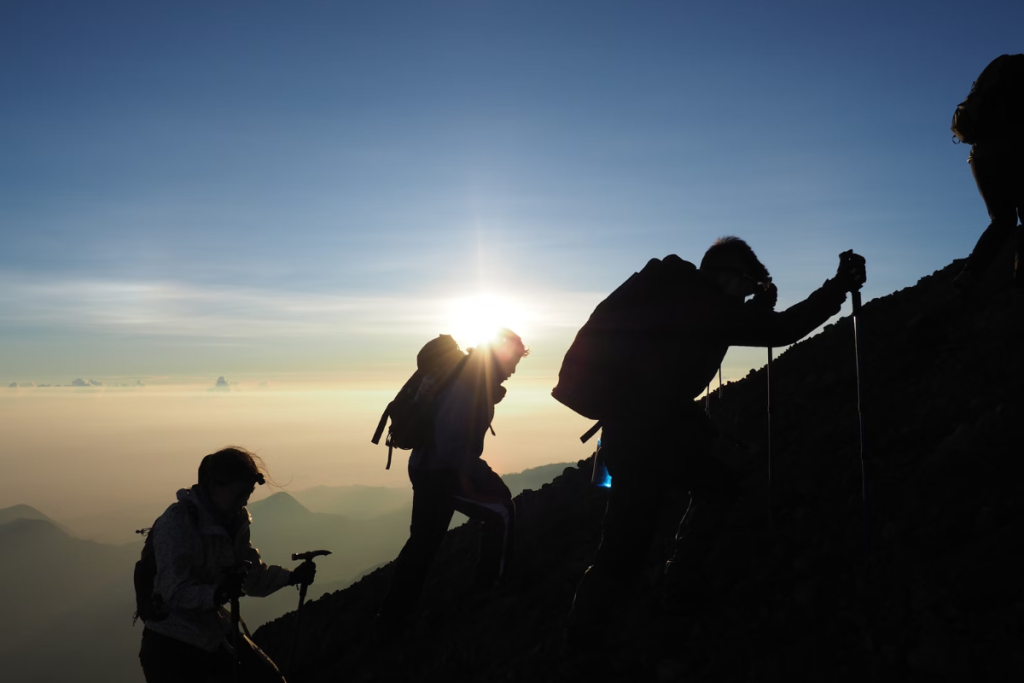
Although often debated, many recognize Russia’s Mount Elbrus as the highest peak in Europe. Compared to Rinjani, Elbrus presents a greater climbing challenge—not only requiring stamina and grit, but also demanding skills to handle extreme cold, high altitude, and glacier travel, including the use of ice axes and crampons.
Elbrus also offers a stark contrast to Rinjani’s tropical, exotic atmosphere. Its harsh, glaciated environment caters to those seeking an alpine adventure, while Rinjani appeals to hikers drawn to tropical biodiversity, crater lake vistas, and lush volcanic landscapes.
Regarding regional comparisons, Mount Kinabalu in Malaysian Borneo and Mount Rinjani are often mentioned together. Even though Kinabalu is significantly higher, its relative proximity in Southeast Asia and similar prominence lead many to compare it.
Unlike Rinjani, Kinabalu, which is not a volcano, is renowned for its towering granite peak and extraordinary biodiversity. With its well-maintained infrastructure and strictly regulated system, it appeals to those seeking a more accessible, structured, and tourist-friendly climb.
In contrast, Rinjani delivers a wilder, more rugged adventure, with volcanic landscapes, fewer facilities, and a more immersive trekking experience. It's ideal for those seeking dramatic scenery and a less commercialized climb.
With just about 50 meters difference in height, Mount Fuji and Mount Rinjani are similar in elevation but offer vastly different trekking cultures and experiences. In Japan, Fuji is revered primarily as a cultural and spiritual symbol rather than a wilderness challenge, and this significance shapes the way it is approached.
Fuji’s well-developed infrastructure and shorter, less demanding routes make it more accessible and manageable for many hikers, especially compared to Rinjani’s more rugged and physically demanding volcanic trek.
Although Mount Fuji is currently dormant with little volcanic activity, it still offers the iconic Goraiko, the sunrise view from its summit, which echoes the famed sunrise from Rinjani’s crater rim.
Looking at the numbers, it’s clear that Rinjani doesn’t crack the elite list of the world’s tallest peaks. In fact, it falls short when compared to global giants.
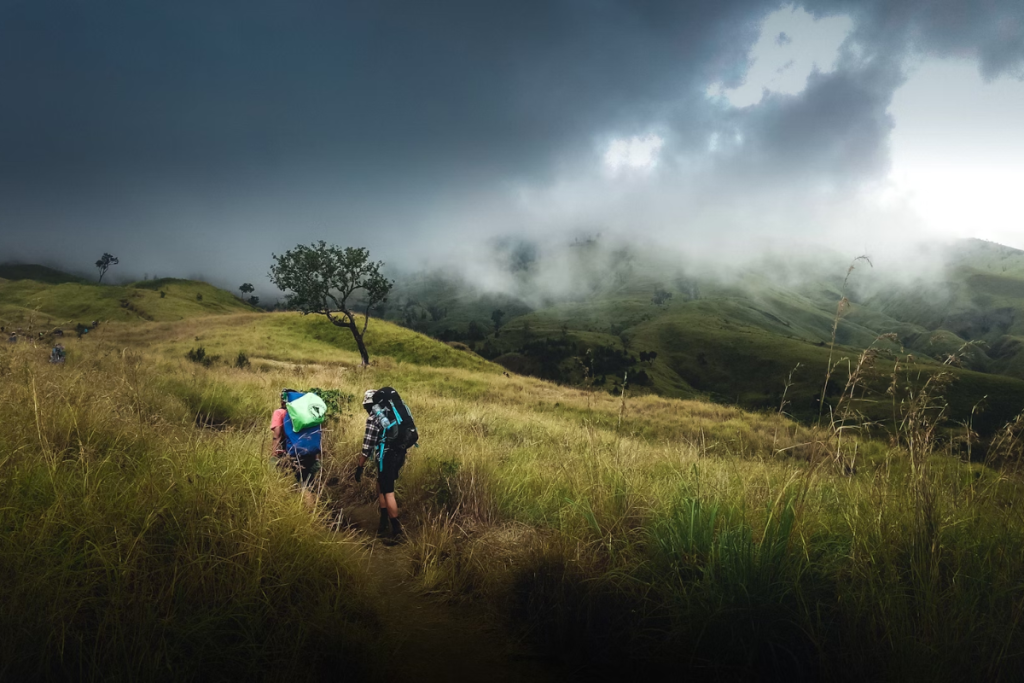
But height alone doesn’t define a mountain’s worth, as trekking Rinjani is far more than chasing altitude. The journey takes you through diverse landscapes like open savannahs, rocky paths, and lung-busting ascents, offering a physical challenge that keeps the adventure dynamic and engaging.
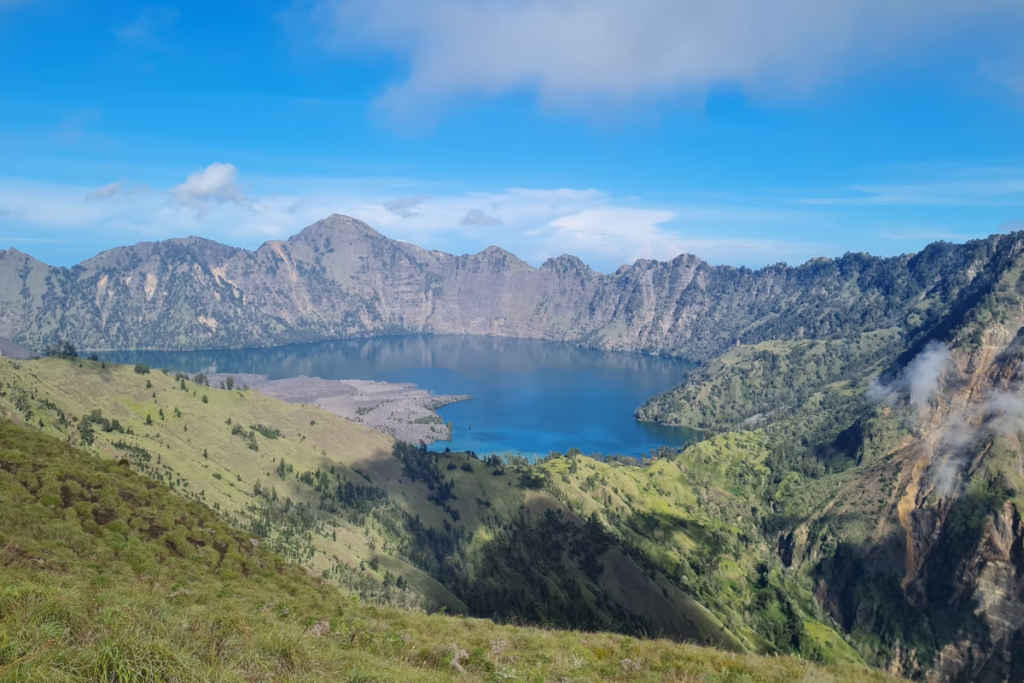
However, its rare combination of natural wonders truly sets Rinjani apart. From the surreal views over Segara Anak Lake and its smoldering volcanic cone to the unforgettable sunrise from the summit, Rinjani delivers experiences beyond the numbers, proving that height isn't everything in the world of trekking.
Whether you're chasing summit glory or simply seeking an unforgettable adventure, Lombok Touristic is your trusted local guide to Mount Rinjani—and beyond.
Based on Lombok Island, Lombok Touristic has been part of the island’s tourism heartbeat since 2011, backed by an official license and more than a decade of experience guiding both domestic and international travelers. Every Rinjani trek package comes with everything you need for a smooth and memorable journey:
Choose from a variety of options—whether it’s the speedy 2D1N Rinjani Summit trek, or the immersive 7D6N Lombok experience, which not only covers all of Rinjani’s best spots but also includes two diving adventures in Lombok’s crystal-clear waters.
With Lombok Touristic, you’re not just booking the ordinary trip—you’re investing in a worry-free, fully supported adventure.
So, forget about the height or elevation number, and focus on the experience. Let Lombok Touristic guide you to experience Rinjani at its best, where every step is more than just a climb; it's a story worth telling.